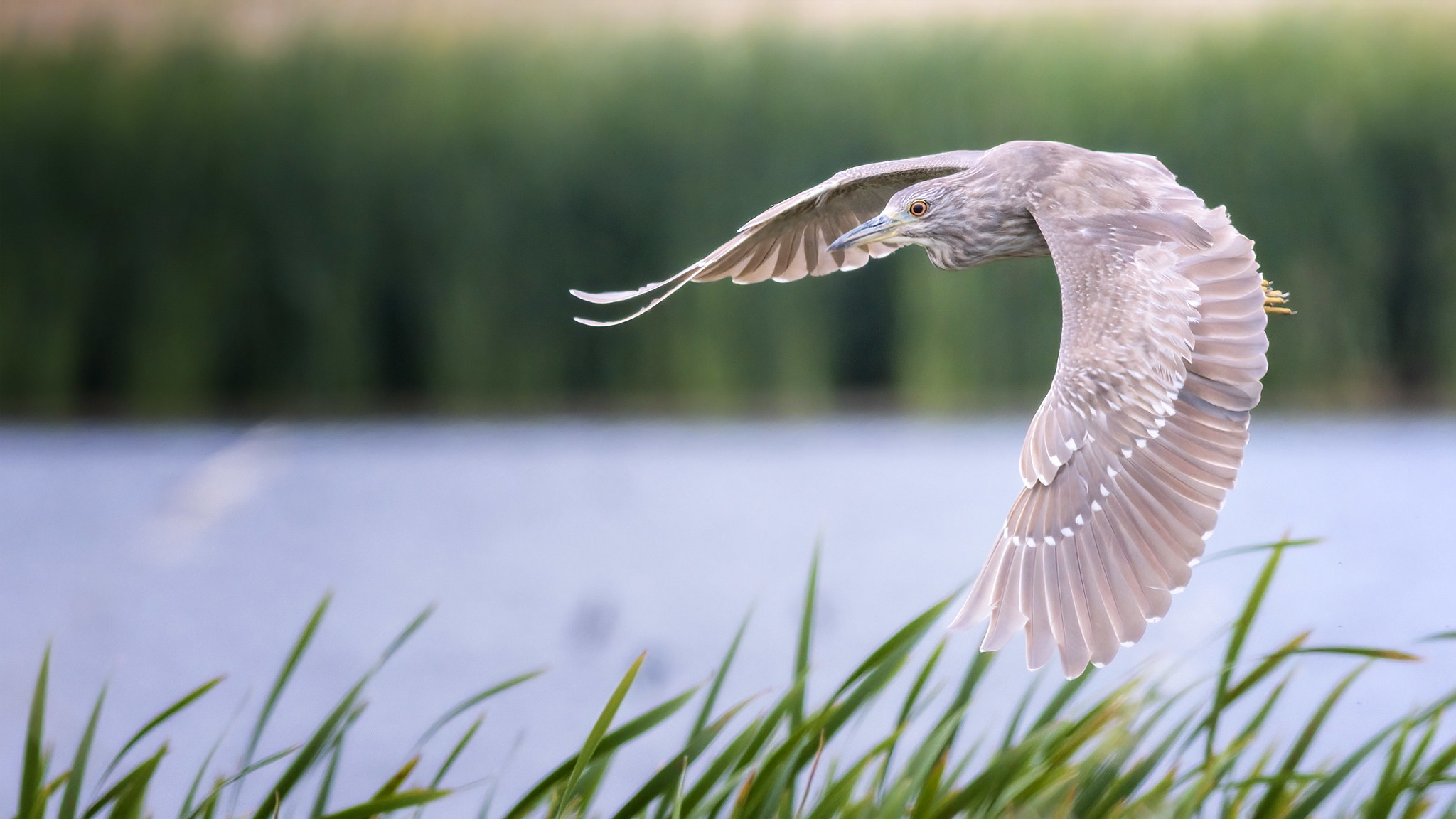
Image by _Veit_
My list of best cameras for bird photography is the result of hundreds of personal hours of research and testing.
I also researched what the very best professional bird photographers like Tim Laman, Paul Nicklen, and Frans Lanting use and recommend.
You can also check out 9 Best Lenses for Bird Photography (By Budget & Brand).
10 Considerations When Buying a Camera for Bird Photography
When choosing a camera for bird photography, there are several key considerations to keep in mind, whether you are a beginner or a more experienced photographer.
The most important thing, which I hear professional bird photographers echo constantly, is that the lens is more important than the camera body. That played a major role in my decision making.
Check out our 2024 Best Lenses for Bird Photography (By Budget and Brand) to find the best option(s) for you.
Budget and Camera Type
- Budget: Determine how much you’re willing to spend. Entry-level cameras and lenses can vary greatly in price. I provide the best camera options for every budget.
- Camera Type: DSLRs and mirrorless cameras are both good options. Mirrorless are often lighter and more compact, while DSLRs have a wider selection of lenses. Generally speaking, the world is moving towards mirrorless.
Essential Features
- Megapixels: More megapixels provide greater detail, which is important for cropping images of distant birds. Look for at least 20 MP.
- Autofocus System: Fast and accurate autofocus is crucial for capturing birds in flight. Look for cameras with multiple focus points and good tracking capabilities.
- Burst Rate: Birds move quickly, so a camera that can shoot multiple frames per second (fps) is helpful. Aim for at least 5 fps for beginners and higher (8 fps or more) for more experienced photographers.
Lens and Stabilization
- Lens Compatibility: A good telephoto lens (300mm or longer) is essential for bird photography. Beginners should check if the camera body has compatible lenses within their budget. Savvy photographers invest in high-quality telephoto lenses because they’re even more important for bird photography than the camera body. Prime lenses (like 300mm or 500mm) offer superior image quality, while zoom lenses (like 100-400mm) provide versatility.
- Image Stabilization: Helps reduce blur from camera shake, which is essential when shooting handheld with long lenses. Use a tripod or monopod for stability, especially with heavier lenses. Additionally, consider a camera with in-body stabilization if your lenses lack it.
Additional Considerations
- Weather Sealing: Bird photography often occurs in various weather conditions. A weather-sealed camera body and lens are essential to withstand elements like rain and dust.
- Sensor Size: Full-frame sensors offer better image quality and low-light performance, but crop sensors provide more effective reach for your telephoto lens due to the crop factor.
- Advanced Features: Look for features such as silent shooting mode (to avoid startling birds), high ISO performance (for low-light conditions common in birding), and high-resolution electronic viewfinders (for better composition and focus accuracy).
By considering these factors, you can choose the right camera and equipment tailored to your experience level, enhancing your bird photography journey.
Best Cameras for Bird Photography (Feature Comparison)
| Camera Model | Superlative | Weatherproofing | Image Stabilization | Resolution | FPS | Lens Compatibility | Silent Shooting Mode | High ISO Performance |
|---|---|---|---|---|---|---|---|---|
| Canon Rebel T8i | Best Overall Budget Camera for Bird Photography | No | No (in-lens) | 24.1 MP | 7 fps | Canon EF-S lenses | Yes (in Live View) | Good |
| Canon 90D | Best Intermediate Canon Camera | Yes | No (in-lens) | 32.5 MP | 10 fps | Canon EF and EF-S lenses | Yes (in Live View) | Very good |
| Canon EOS-1D X Mark III | Best Professional Canon Camera, Best DSLR, Best for Birds in Flight | Yes | No (in-lens) | 20.1 MP | 16 fps (mechanical), 20 fps (electronic) | Canon EF lenses | Yes (electronic shutter) | Excellent |
| Nikon D500 | Best Budget Nikon Camera | Yes | No (in-lens) | 20.9 MP | 10 fps | Nikon F-mount lenses | No | Very good |
| Nikon D850 | Best Intermediate Nikon Camera | Yes | No (in-lens) | 45.7 MP | 7 fps (up to 9 fps with battery grip) | Nikon F-mount lenses | Yes (in Live View) | Excellent |
| Nikon Z8 | Best Professional Nikon Camera | Yes | Yes | 45.7 MP | 20 fps | Nikon Z-mount lenses (F-mount adapter) | Yes | Excellent |
| Sony Alpha a6400 | Best Budget Sony Camera | Yes | No (in-lens) | 24.2 MP | 11 fps | Sony E-mount lenses | Yes | Very good |
| Sony Alpha a9 II | Best Intermediate Sony Camera | Yes | Yes (5-axis in-body) | 24.2 MP | 20 fps | Sony E-mount lenses | Yes (electronic shutter) | Excellent |
| Sony Alpha 1 | Best Professional Sony Camera, Best Mirrorless, Best Overall Camera | Yes | Yes (5-axis in-body) | 50.1 MP | 30 fps | Sony E-mount lenses | Yes (electronic shutter) | Excellent |
Sony vs Canon vs Nikon
If you read my individual reviews of all these cameras, you’ll find world-renowned bird photographers standing behind all three major brands. Ultimately, there’s no wrong choice.
That said, I strongly believe Sony provides the best camera options for birding enthusiasts. And I have zero reason to say that apart from my honest opinion.
Sony
It’s not just about which brand has the best professional-level model, which Sony does anyway with the Alpha 1. It’s also about having beginner and intermediate models that outshine rival models from other brands. In this case, Sony also takes the cake.
The Sony Alpha a6400 has weatherproofing and silent shooting mode, which are rare features for an entry level camera well under $1000.
The intermediate-level Sony Alpha a9 II (available at excellent price points when bought refurbished or used) adds in-body image stabilization to round out a full suite of professional features.
Plus, Sony cameras have more impressive action photography features across the board compared to their counterparts. That includes:
- Higher resolution for cropped images of distance subjects (like skittish birds)
- Improved ISO performance for low lighting (when birds are most active)
- Higher FPS bursts for capturing high-action subjects (like birds in flight)
You can check these specs on the feature comparison table above.
Another reason Sony cameras are the best option is their compatibility with the best-value action photography lenses on the market, the Sigma 150-600mm F5/-6.3 DG DN and the Sigma 500mm F5.6.
Those lenses are works of art at unbelievable price points. Again, the lens matters more than the camera. Equivalent third party lenses for Nikon and Canon just don’t hit the same mark.
Go for Sony if you’re primarily interested in action photography, like wildlife, birds, sports, and pets.
Canon vs Nikon
Canon and Nikon are still amazing options. If you check out the feature comparison table, you’ll find Canon and Nikon neck-and-neck when it comes to the features that matter most for bird photography.
The best entry-level camera from Canon edges out Nikon, but the intermediate and professional birding camera models from Nikon have the upper hand. Both have insanely good lens options, whether brand-name or third party.
If you’re already set up with one of these brands, stick with it. Obviously, that allows you to invest in a second camera body that fits all your lenses.
Just make sure you buy high-quality bird photography lenses with image stabilization. Check out the 2024 Best Lenses for Bird Photography (By Budget and Brand) for more info.
Camera Pricing Table
| Superlative | Camera Model | Pricing | Refurbished |
| Best Overall Budget Camera for Bird Photography, Best Canon Budget Camera | Canon Rebel T8i | Check Price | Check Deals |
| Best Intermediate Canon Camera | Canon 90D | Check Price | Check Deals |
| Best Overall DSLR, Best Professional Canon Camera, Best for Birds in Flight | Canon EOS-1D X Mark III | Check Price | Check Deals |
| Best Budget Nikon Camera | Nikon D500 | Check Price | Check Deals |
| Best Intermediate Nikon Camera | Nikon D850 | Check Price | Check Deals |
| Best Professional Nikon Camera | Nikon Z8 | Check Price | Check Deals |
| Best Budget Sony Camera, Best Compact Option | Sony Alpha a6400 | Check Price | Check Deals |
| Best Intermediate Sony Camera | Sony Alpha a9 II | Check Price | Check Deals |
| Best Overall Birding Camera, Best Professional Sony Camera, Best Mirrorless for Bird Photography | Sony Alpha 1 | Check Price | Check Deals |
Best Nikon Cameras for Bird Photography
1. Nikon D500 (Best for Beginners)
The Nikon D500 is an excellent entry-level DSLR for bird photography. It combines a good balance of features, performance, and affordability, making it ideal for beginners.

Specifications
| Feature | Specification |
|---|---|
| Megapixels | 20.9 MP |
| Autofocus System | 153-point AF system |
| Burst Rate | 10 fps |
| Lens Compatibility | Nikon F-mount |
| Image Stabilization | No in-body stabilization |
| Ease of Use | Intuitive controls |
| Weight | 860g (with battery and memory card) |
| Video Capability | 4K UHD at 30 fps |
| ISO Range | 100-51200 (expandable to 1640000) |
2. Nikon D850
Best Nikon for Experienced Photographers, Best DSLR Camera for Bird Photography
The Nikon D850 is a versatile and powerful DSLR suitable for experienced photographers. It offers a significant step up in features and performance, providing better image quality and faster operation.

Specifications
| Feature | Specification |
|---|---|
| Megapixels | 45.7 MP |
| Autofocus System | 153-point AF system |
| Burst Rate | 7 fps (9 fps with battery grip) |
| Lens Compatibility | Nikon F-mount |
| Image Stabilization | No in-body stabilization |
| Manual Controls | Comprehensive manual settings |
| Weight | 1005g (with battery and memory card) |
| Video Capability | 4K UHD at 30 fps |
| ISO Range | 64-25600 (expandable to 102400) |
3. Nikon z8 (Best for Professionals)
The Nikon Z8 is a high-end DSLR designed for professional photographers. It offers exceptional performance, advanced features, and superior image quality, making it perfect for bird photography.

Frans Lanting’s Choice
Frans Lanting, a legendary wildlife photographer, has long relied on Nikon cameras for his work.
He uses the Nikon Z8 for its superior build quality, fast autofocus system, and excellent low-light performance. These features are crucial for capturing the intricate details and behaviors of wildlife, especially in challenging lighting conditions.
Lanting’s work often involves capturing fleeting moments in nature, and the Z8’s high burst rate allows him to take multiple frames per second, increasing his chances of getting the perfect shot.
Specifications
| Feature | Specification |
|---|---|
| Megapixels | 45.7 MP full-frame sensor |
| Autofocus System | Advanced AF with animal eye detection |
| Burst Rate | Up to 20 fps |
| Lens Compatibility | Nikon Z-mount (F-mount with adapter) |
| Image Stabilization | 5-axis in-body |
| Advanced Features | Weather sealing, robust build |
| Weight | 1340g (with battery and memory card) |
| Video Capability | 8K at 30 fps, 4K at 120 fps |
| ISO Range | 64-25600 (expandable to 102400) |
What about the Nikon Z9?
The Nikon Z9 is a killer camera for bird photography, that’s what. If money is no object, then go for it Big Baller, Shotcaller.
It’s an extra $2000 over the Z8, and the main difference is a huge jump from 20 fps to 120 fps. For almost everyone, that’s not worth the boosted price. But I have to admit it’s pretty damn cool, even if it means loads of sorting through near-identical images in post.
If you’re the kind of person who buys the latest iPhone immediately, this purchase might be up your alley. Anyway, Frans might have upgraded by now.
Best Canon Cameras for Bird Photography
1. Canon Rebel T7/T8i
Best for Beginner Bird Photography, Best Budget Camera for Bird Photography
The Canon Rebel T8i is an excellent entry-level DSLR for bird photography. It offers a good balance of features, performance, and affordability, making it ideal for beginners.

Specifications
| Feature | Specification |
| Megapixels | 24.1 MP |
| Autofocus System | 45-point all cross-type AF |
| Burst Rate | 7 fps |
| Lens Compatibility | EF/EF-S lenses |
| Image Stabilization | Digital IS |
| Ease of Use | Intuitive controls and guided UI |
| Weight | 515g (with battery and memory card) |
| Video Capability | 4K at 24 fps |
| ISO Range | 100-25600 (expandable to 51200) |
2. Canon 90D (Best Canon for Enthusiasts)
The Canon 90D is a versatile and powerful DSLR suitable for experienced photographers. It offers a significant step up in features and performance, providing better image quality and faster operation.

Specifications
| Feature | Specification |
| Megapixels | 32.5 MP |
| Autofocus System | 45-point all cross-type AF with Dual Pixel AF |
| Burst Rate | 10 fps |
| Lens Compatibility | EF/EF-S lenses |
| Image Stabilization | Optical IS (lens-dependent) |
| Manual Controls | Comprehensive manual settings |
| Weight | 701g (with battery and memory card) |
| Video Capability | 4K at 30 fps, Full HD at 120 fps |
| ISO Range | 100-25600 (expandable to 51200) |
3. Canon EOS-1D X Mark III
Best Canon Camera for Professionals, Best for Birds in Flight
The Canon EOS-1D X Mark III is a high-end DSLR designed for professional photographers. It offers exceptional performance, advanced features, and superior image quality, making it perfect for bird photography.

Tim Laman’s Choice
Tim Laman, a renowned wildlife photographer and National Geographic contributor, relies on the Canon EOS-1D X Mark III for his demanding fieldwork.
Known for his extraordinary documentation of birds of paradise and other elusive wildlife, Laman needs a camera that offers both speed and precision.
The 191-point autofocus system and high burst rate of the EOS-1D X Mark III enable him to capture fast-moving subjects with incredible clarity.
Its rugged build and weather sealing ensure it can withstand the harsh conditions of rainforests and remote locations where Laman often works.
Specifications
| Feature | Specification |
| Megapixels | 20.1 MP full-frame sensor |
| Autofocus System | 191-point AF system |
| Burst Rate | 16 fps (mechanical), 20 fps (electronic) |
| Lens Compatibility | EF lenses |
| Image Stabilization | No in-body stabilization |
| Advanced Features | Deep learning AF, weather sealing |
| Weight | 1440g (with battery and memory card) |
| Video Capability | 5.5K RAW at 60 fps |
| ISO Range | 100-102400 (expandable to 819200) |
Best Sony Cameras for Bird Photography
1. Sony Alpha a6400
Best Sony for Beginners, Best Compact Birding Camera
The Sony Alpha a6400 is an excellent entry-level mirrorless camera for bird photography. It offers a good balance of features, performance, and affordability, making it ideal for beginners.

Specifications
| Feature | Specification |
|---|---|
| Megapixels | 24.2 MP |
| Autofocus System | 425-point phase-detection AF |
| Burst Rate | 11 fps |
| Lens Compatibility | Sony E-mount |
| Image Stabilization | No in-body stabilization |
| Ease of Use | Intuitive controls |
| Weight | 403g (with battery and memory card) |
| Video Capability | 4K UHD at 30 fps |
| ISO Range | 100-32000 (expandable to 102400) |
2. Sony Alpha a9 II (Best Sony for Experienced Photographers)
The Sony Alpha a9 II is a versatile and powerful mirrorless camera suitable for experienced photographers. It offers a significant step up in features and performance, providing better image quality and faster operation.

Specification
| Feature | Specification |
|---|---|
| Megapixels | 24.2 MP full-frame sensor |
| Autofocus System | 693-point phase-detection AF |
| Burst Rate | 20 fps |
| Lens Compatibility | Sony E-mount |
| Image Stabilization | 5-axis in-body stabilization |
| Manual Controls | Comprehensive manual settings |
| Weight | 678g (with battery and memory card) |
| Video Capability | 4K UHD at 30 fps |
| ISO Range | 100-51200 (expandable to 204800) |
3. Sony Alpha 1
Best Overall Camera for Birding, Best Sony Camera for Professionals, Best Mirrorless Camera for Birding

The Sony Alpha 1 is a high-end mirrorless camera designed for professional photographers. It offers exceptional performance, advanced features, and superior image quality, making it perfect for bird photography.
Paul Nicklen’s Choice
Paul Nicklen, a renowned marine biologist and wildlife photographer, uses the Sony Alpha 1 for its advanced technology and exceptional performance.
The camera’s high-resolution sensor and fast burst rate are perfect for capturing the dynamic and often unpredictable movements of wildlife. The Alpha 1’s real-time eye autofocus and tracking capabilities ensure sharp and focused images, even in challenging environments.
Nicklen often works in extreme conditions, and the robust build and weather sealing of the Alpha 1 make it a reliable choice for his fieldwork.
Specification
| Feature | Specification |
|---|---|
| Megapixels | 50.1 MP full-frame sensor |
| Autofocus System | 759-point phase-detection AF |
| Burst Rate | 30 fps |
| Lens Compatibility | Sony E-mount |
| Image Stabilization | 5-axis in-body stabilization |
| Advanced Features | Real-time Eye AF, weather sealing |
| Weight | 737g (with battery and memory card) |
| Video Capability | 8K UHD at 30 fps, 4K UHD at 120 fps |
| ISO Range | 100-32000 (expandable to 102400) |
What about the Sony Alpha 7R V?
The Sony Alpha 7R V is very similar to the Alpha 1, down to the price. You’re basically getting an extra 10 MP by trading off 20 fps.
That tradeoff doesn’t make sense for birding. But both cameras are ducking amazing.
What about the Sony A9 II?
The Sony a9 II is another fantastic camera, also previously used by Paul Nicklen.
But you’re only getting 24.2 MP on a camera that’s almost $5000. In my opinion, that’s too much to spend for that resolution, especially if you’re into birding. The A1 has 50.1 MP, making cropping distance shots a breeze.
More Camera Bodies for Bird Photography
| Model | Superlative | Weatherproofing | Autofocus | Resolution | FPS | Lens Compatibility | Silent Shooting | ISO Performance |
| Nikon Coolpix P1000 | Best Super Zoom | No | Yes (dual detect optical VR) | 16 MP | 7 fps | Fixed lens | Yes (electronic shutter) | Good |
| Panasonic Lumix FZ300 | Best Cheap Point-and-Shoot | Yes | Yes (5-axis hybrid optical) | 12.1 MP | 12 fps | Fixed lens | Yes (electronic shutter) | Good |
| Olympus OM-D E-M1 Mark III | Best Outdoor Camera for Bird Watching | Yes | Yes (5-axis in-body) | 20.4 MP | 18 fps | Micro Four Thirds lenses | Yes (electronic shutter) | Very good |
| Panasonic Lumix GH5 | Best Panasonic for Bird Photography | Yes | Yes (5-axis in-body) | 20.3 MP | 12 fps | Micro Four Thirds lenses | Yes (electronic shutter) | Very good |
| Olympus OM-D E-M1X | Best Olympus for Bird Photography | Yes | Yes (5-axis in-body) | 20.4 MP | 18 fps | Micro Four Thirds lenses | Yes (electronic shutter) | Very good |
Pricing Table
| Superlative | Camera Model | Price | Refurbished |
| Best Super Zoom | Nikon Coolpix P1000 | Check Price | Check Deals |
| Best Cheap Point-and-Shoot | Panasonic Lumix FZ300 | Check Price | Check Deals |
| Best Outdoor Camera for Bird Watching | Olympus OM-D E-M1 Mark III | Check Price | Check Deals |
| Best Panasonic for Bird Photography | Panasonic Lumix GH5 | Check Price | Check Deals |
| Best Olympus for Bird Photography | Olympus OM-D E-M1X | Check Price | Check Deals |
Best Super Zoom: Nikon Coolpix P1000
The Nikon Coolpix P1000 is renowned for its incredible zoom capabilities, making it perfect for bird photography. Its powerful lens allows you to get close to the action without disturbing the birds.
That said, due to the electronic viewfinder a superzoom is not good for “sitting” wildlife, let alone BIF. Birds often flinch and flit and fly, making super zooms less than ideal.
If you still want to know, however, the P1000 is your best option.

Specifications
| Feature | Specification |
| Megapixels | 16 MP |
| Autofocus System | Contrast-detect AF |
| Burst Rate | 7 fps |
| Lens Compatibility | Fixed NIKKOR 24-3000mm equivalent |
| Image Stabilization | Dual Detect Optical VR |
| Weight | 1415g (with battery and memory card) |
| Video Capability | 4K UHD at 30 fps |
| ISO Range | 100-6400 |
Best Cheap Point-and-Shoot: Panasonic Lumix FZ300
The Panasonic Lumix FZ300 is a versatile and rugged point-and-shoot camera, great for bird photography with its long zoom and weather-resistant body.

Specifications
| Feature | Specification |
| Megapixels | 12.1 MP |
| Autofocus System | 49-point AF |
| Burst Rate | 12 fps |
| Lens Compatibility | Fixed Leica DC Vario-Elmarit 25-600mm |
| Image Stabilization | 5-axis Hybrid OIS |
| Weight | 691g (with battery and memory card) |
| Video Capability | 4K UHD at 30 fps |
| ISO Range | 100-6400 |
Best Outdoor Camera for Bird Watching: Olympus OM-D E-M1 Mark III
The Olympus OM-D E-M1 Mark III is rugged, weather-sealed, and packed with features, making it the best outdoor camera for bird watching.

Specifications
| Feature | Specification |
| Megapixels | 20.4 MP |
| Autofocus System | 121-point phase-detection AF |
| Burst Rate | 18 fps (60 fps in Pro Capture Mode) |
| Lens Compatibility | Micro Four Thirds |
| Image Stabilization | 5-axis in-body stabilization |
| Weight | 580g (with battery and memory card) |
| Video Capability | 4K UHD at 30 fps |
| ISO Range | 200-25600 |
Best Panasonic for Bird Photography: Lumix GH5
The Panasonic Lumix GH5 is a highly versatile camera that excels in both stills and video, making it a great choice for bird photography.

Specifications
| Feature | Specification |
| Megapixels | 20.3 MP |
| Autofocus System | 225-point contrast-detection AF |
| Burst Rate | 12 fps (9 fps with continuous AF) |
| Lens Compatibility | Micro Four Thirds |
| Image Stabilization | 5-axis Dual IS |
| Weight | 725g (with battery and memory card) |
| Video Capability | 4K UHD at 60 fps |
| ISO Range | 200-25600 |
Best Olympus for Bird Photography: Olympus OM-D E-M1X
The Olympus OM-D E-M1X is a professional-grade camera with advanced features and robust build quality, perfect for bird photography.

Specifications
| Feature | Specification |
| Megapixels | 20.4 MP |
| Autofocus System | 121-point phase-detection AF |
| Burst Rate | 18 fps (60 fps in Pro Capture Mode) |
| Lens Compatibility | Micro Four Thirds |
| Image Stabilization | 5-axis in-body stabilization |
| Weight | 997g (with battery and memory card) |
| Video Capability | 4K UHD at 30 fps |
| ISO Range | 200-25600 |
Just a heads up, some of the links in this article are affiliate links. That means if you click on them and make a purchase, I might earn a small commission at no extra cost to you.



Leave a Reply