Photo by Annie Spratt
Even limiting the options to the best mirrorless cameras for beginners, there’s so much to research. Sit back, because I’ve put dozens of hours of research into the best mirrorless options. That’s true whether you’re looking according to budget, brand, or niche.
Each recommendation is rounded out with sample photos, pros and cons, an expert review besides mine, and perhaps most helpfully–a breakdown of why I highlight one particular model over highly comparable camera bodies. After all, that can be the most debilitating part of choosing.
I’ll tell you exactly who should bump down, up, or over to a slightly different model depending on very precise situations. In doing so, I hope you find this to be the most wildly helpful guide on the subject.
Considerations Before Buying
1. Splurge on Lenses over Cameras
It’s super easy to upsell yourself on the next camera body upgrade option. And I’ll happily lay out those options for you.
But every professional photographer this side of the Milky Way wants you to splurge on lenses, not camera bodies. Doubly true for novices.
2. Discover Your Unique Needs Before Upgrading
The answer to the question, “What’s the best mirrorless camera for me as a beginner?” is going to be one with all-around capabilities.
Only with time can you discover the ways your eye, your favorite subjects, and your desired niches form your needs in a camera. Literally no one can predict what the perfect mid-range equipment for you to grow into is.
That’s why you shouldn’t overspend (and listen to the guy who’s actually trying to downsell you, instead of greedy affiliate sites) at the beginning. My best options are based around this idea, although I always include the next best bang-for-your-buck upgrade too.
1. Sony a6000
Best Sony Beginner Mirrorless Camera, Best for Travel Photography, Best Value for Money
Also Read: My Sony A6000 Review (Tested w/ Sample Photos)
Overview and Key Features
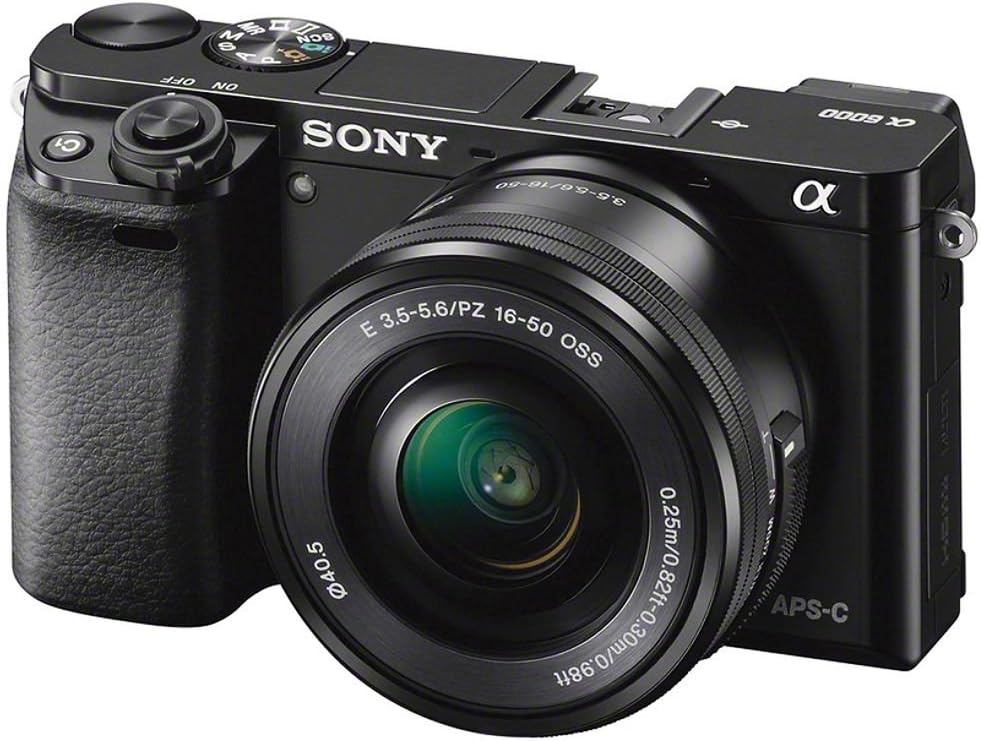
The Sony a6000 is an extremely well rounded camera, even apart from the fact that it comes at a beginner price point.
Sensor and Image Quality
- APS-C Sensor: The a6000 features a 24.3-megapixel APS-C Exmor APS HD CMOS sensor, delivering high-resolution images with excellent detail and low noise.
- BIONZ X Processor: The advanced BIONZ X image processor enhances image quality, enabling faster processing and better low-light performance.
Autofocus System
- Fast Hybrid AF: The camera boasts a Fast Hybrid AF system with 179 phase-detection points and 25 contrast-detection points, providing quick and accurate autofocus for both stills and video.
- Continuous Shooting: Capable of shooting at up to 11 frames per second with continuous autofocus, ideal for capturing fast-moving subjects.
Design and Build
- Compact and Lightweight: The a6000’s compact and lightweight design makes it highly portable, perfect for travel and everyday use.
- Electronic Viewfinder: The camera is equipped with a high-resolution OLED Tru-Finder electronic viewfinder, offering a clear and bright view of the scene.
Display
- Tilting LCD Screen: The 3-inch tilting LCD screen with 921k dots allows for flexible shooting angles and easy composition.
- Customizable Buttons: The a6000 features several customizable buttons and dials, allowing users to tailor the camera’s controls to their preferences.
Video Capabilities
- Full HD Video: The a6000 can record Full HD 1080p video at 60fps, providing smooth and detailed footage.
- Fast AF in Video: The Fast Hybrid AF system works effectively during video recording, ensuring sharp focus on moving subjects.
Connectivity
- Wi-Fi and NFC: Built-in Wi-Fi and NFC connectivity enable easy sharing and transfer of images to compatible devices, as well as remote control via a smartphone or tablet.
- PlayMemories Camera Apps: Users can expand the camera’s functionality by downloading additional apps through the PlayMemories Camera Apps platform.
Additional Features
- ISO Range: The camera offers a wide ISO range of 100-25600, allowing for great performance in various lighting conditions.
- Creative Modes: The a6000 includes several creative modes and picture effects, enabling users to experiment with different styles and looks.
The Sony a6000 remains a versatile and capable option for photographers and videographers seeking a compact mirrorless camera with a robust feature set.
a6000 Sample Photos










Keith Burgie


Sony a6000 vs Sony A7ii
The Sony A7ii is a wonderful, often-recommended Sony mirrorless camera with equally excellent value. It provides lots of room to grow for a novice photographer. If you really get into photography, it will remain a strong secondary body for years if you upgrade your primary camera body.
I don’t recommend the A7ii out the gate as the best mirrorless Sony for beginners because I don’t want you to pay more for a steeper learning curve that burns out your new passion.
Many of the features are highly similar: the look, megapixels, video capabilities, battery life, etc.
If you want to shell out an extra $300ish to bump up to a full-frame, weather-sealed, “semi-professional” camera with in-body image stabilization, go for it. The additional features are definitely worth the money.
Why are these A7ii features useful?
- Full frame cameras (over crop sensor cameras) are sharper, clearer, and more detailed. They also function better in low lighting situations, allowing for better astrophotography, wildlife photography, real estate photography, etc.
- Weather sealing helps with wildlife photography, sports photography, landscape photography, and more.
- In-body stabilization helps with fast moving subjects, like athletes, pets, cars, and more. However, lens can also offer stabilization.
But first, check the sample photos of the a6000 below. They’re stunning. Landscape, travel, pets, macro, nighttime, food photography. Check, check, check.
Just know the A7ii was designed for serious enthusiasts. You’ll have to decide based on your personal stick-with-it-ness and passion level if the additional user complexity is a worthwhile hurdle.
Sony a6000 vs a6400 vs a6600
Of the Sony a6X00 series, these three are the standouts. The a6400 and a6600 are better, more expensive cameras. The a6400 has the best value for price of the whole series. The 6600 adds in-camera image stabilization.
Many websites will recommend the Sony a6400 or a6600 over the a6000 for beginners because they want fatter affiliate commissions.
The truth is, they’re not really for beginners to mirrorless. It’s the same story as the a7ii or even a7iii. Unless you’re a very serious beginner or simply have some money to throw around, the a6000 is plenty of camera for you. I promise. Spend your savings on great lenses.
Bump up to the a6400 only if you want great videos for vlogging or something similar.
a6000 Pros and Cons
| Pros | Cons |
|---|---|
| • Compact and lightweight design • Superb image quality with a 24.3 MP APS-C sensor • Fast and accurate autofocus • 11 fps burst shooting • Built-in Wi-Fi and NFC for easy sharing | • Limited battery life if using continuously for video • No 4K video recording (only Full HD) |
Best Lenses for Sony a6000
Now, let’s talk lenses. If you’re diving into the world of the a6000, you’ll want to consider these babies:
- Sony 50mm f/1.8: Great for portraits with beautiful bokeh.
- Sony 24-70mm f/4: Versatile zoom lens perfect for everyday shooting.
- Sigma 16mm f/1.4: Wide-angle lens that’s fantastic for landscapes and street photography.
Expert Review
Normally I make qualifying statements, but in this case I would say hands down the Sony a6000.
– R. Yonkers, Fine Art Photographer
It is inexpensive, the kit lenses are very good, and it is a full APS-C sensor. It does amazing in high ISO low light situations. The video is incredible. It is lightweight. The setting where the LCD will brighten and dim as you adjust exposure is incredible for learning photography.
And you have a path to more powerful cameras that will use the same lenses and other add-ons.
Specs Table
| Feature | Specification |
|---|---|
| Sensor | 24.3 MP APS-C |
| Autofocus | 179 phase-detect points |
| Burst Shooting | 11 fps |
| Video Resolution | Full HD 1080p |
| Connectivity | Wi-Fi, NFC |
| Battery Life | Approximately 360 shots |
| Weight | 344g (with battery) |
The Sony a6000 series is a fantastic entry point into the world of mirrorless photography. Its combination of portability, image quality, and user-friendly features make it a top pick for beginners looking to step up their game without breaking the bank.
If you do a deep dive of research, you’re going to find that people who have lots of knowledge (and no financial reason to mislead you), recommend the a6000 again and again.
2. Canon EOS M50 Mark II
Best Canon Beginner Mirrorless Camera, Best for Landscape Photography
Overview and Key Features
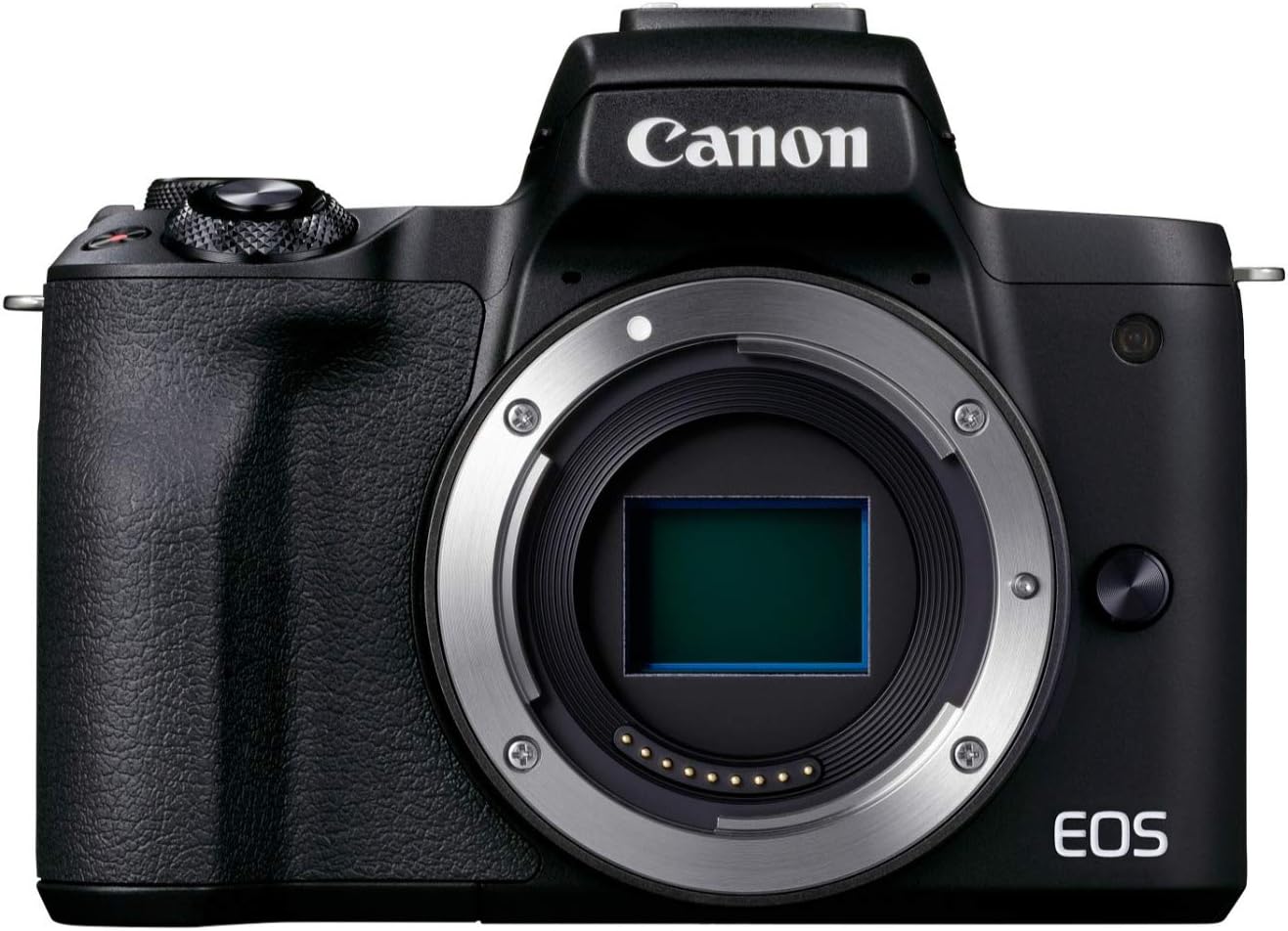
Alright, let’s dive into the Canon EOS M50—a real gem of a camera, especially if you’re just starting out. Little pricier than some of the other options on this list.
The M50 is packed with a 24.1 MP APS-C sensor, delivering crisp and vibrant photos. One of its standout features is the Dual Pixel autofocus, which is not only super fast but also incredibly accurate. Perfect for those dreamy landscape shots where you want every detail to pop.
Another cool thing about the M50 is its vari-angle touchscreen. You can flip it out and tilt it to get those tricky angles without doing a yoga pose. And let’s talk video—this little champ shoots 4K. Sure, there’s a slight crop, but it’s still pretty awesome for a camera at this price point.
With built-in Wi-Fi, Bluetooth, and NFC, sharing your stunning shots and videos is as easy as pie. Plus, the guided menu system is a lifesaver for beginners, helping you understand and tweak settings with ease.
M50 Sample Photos






Robert Montgomery




Canon EOS M50 vs Canon EOS R10
Additional Features of the EOS R10
- Advanced Autofocus System: Improved Dual Pixel CMOS AF II with better subject tracking and more AF points.
- 4K Video: Full-width 4K recording without the crop, offering superior video quality.
- Higher Continuous Shooting Speed: Faster burst shooting at up to 15 fps (mechanical) and 23 fps (electronic), compared to the M50 Mark II’s 10 fps.
- Enhanced Build Quality: More robust construction with better ergonomics and possibly weather sealing.
- Increased Customizability: More customizable buttons and dials for a personalized shooting experience.
- Better Battery Life: Improved battery performance for extended shooting sessions.
- Additional Ports: More connectivity options, such as a headphone jack for monitoring audio during video recording.
The R10 is another great option for beginners who want to stick with Canon mirrorless systems. Bump up to the EOS R10 if want to lean more on the performance side of the accessibility vs performance balance beam.
There’s more camera to grow into. There’s also a steeper, yet manageable learning curve. It’s the Canon model where the upgraded features are definitely worth the additional cost.
You could call the M50 the best Canon mirrorless for casual beginners. You could call the R10 the best Canon mirrorless for advanced beginners/growing photographers. I’d clap both times.
Canon EOS R10 vs Canon EOS R7
Additional Features of the R7
- Sensor and Resolution: It features a 32.5MP APS-C sensor, providing high-resolution images suitable for detailed photography.
- Autofocus: The Dual Pixel CMOS AF II system includes advanced subject recognition for humans, animals, and vehicles, ensuring sharp and focused shots in various scenarios.
- Shooting Speed: It offers impressive burst shooting capabilities, with up to 15 frames per second using the mechanical shutter and up to 30 fps with the electronic shutter, making it ideal for fast-moving subjects.
- Video Capabilities: The R7 can record uncropped 4K 60p video and 4K 30p oversampled from 7K, providing high-quality video recording options. It also supports 1080p up to 120fps for slow-motion videos.
- Build and Handling: The camera is compact yet sturdy, with a comfortable grip and weather sealing equivalent to the EOS 90D. It also features dual UHS-II SD card slots for efficient file management.
- Stabilization: In-body image stabilization (IBIS) offers up to 8 stops of shake suppression, enhancing both photo and video shooting stability.
- Lens Compatibility: It uses the RF mount, allowing compatibility with a wide range of RF lenses and EF lenses via an adapter, although EF-M lenses are not supported.
Yeah I see you thinking, “But what about this one that’s a little better?” If you’re asking about the R7, you’ve done your research.
Yes, the R7 is great value for the money and a fantastic piece of equipment, especially for vlogging. That’s why it’s among the select few comparable Canons I’m mentioning.
If you’re a beginner, even an advanced and enthusiastic beginner with a fatter wallet, get the R10 at most and spend your savings on better lenses. The R10 is the perfect sweet spot for advanced beginner Canon mirrorless options.
All I can say is, listen to the guy who is trying to downsell you, not upsell you! If you’re a novice, it just doesn’t make sense to go that big yet. But for you dedicated vloggers and well-informed big ballers, here are the best places to buy the R7.
M50 Pros and Cons
| Pros | Cons |
|---|---|
| – Excellent image quality with a 24.1 MP APS-C sensor – Dual Pixel autofocus for fast and precise focusing – Vari-angle touchscreen for flexible shooting angles – 4K video recording capability – Easy sharing with built-in Wi-Fi, Bluetooth, and NFC | – 4K video has a slight crop factor – Battery life could be better – Limited native lens selection compared to DSLR counterparts |
Best Lenses for Canon EOS M50
When it comes to lenses, the M50 has some great options to start with:
- Canon EF-M 22mm f/2 STM: A compact prime lens perfect for street and travel photography.
- Canon EF-M 11-22mm f/4-5.6 IS STM: A versatile wide-angle zoom, great for landscapes.
- Canon EF-M 32mm f/1.4 STM: A fantastic choice for portraits and low-light situations.
Expert Review
Approachable yet versatile, the EOS M50 will fit the bill nicely for many photographers in need of a compact, affordable interchangeable-lens camera that’ll give them plenty of room to grow.
– Editor’s Review, Image Resourcing
It’s not quite the lowest-priced EOS mirrorless camera of the moment, but it’s not far from it.
Really, the only fly in the ointment is a buffer that’s still a bit on the small side for raw shooters, although things can certainly be mitigated somewhat if you can live with Canon’s new lossy C-RAW file format, which provides a hybrid of the advantages offered by both JPEG and raw files.
Specs Table
| Feature | Specification |
|---|---|
| Sensor | 24.1 MP APS-C |
| Autofocus | Dual Pixel AF |
| Burst Shooting | 10 fps |
| Video Resolution | 4K |
| Connectivity | Wi-Fi, Bluetooth, NFC |
| Battery Life | Approximately 235 shots |
| Weight | 387g (with battery) |
The Canon EOS M50 is a stellar choice for beginners, especially those interested in landscape photography. Its combination of superb image quality, user-friendly features, and flexible shooting options make it a fantastic entry-level mirrorless camera.
Whether you’re capturing the beauty of nature or creating content for your vlog, the M50 is more than capable of helping you achieve your creative vision.
3. Fujifilm X-T200
Best Fujifilm Beginner Mirrorless Camera
Overview and Key Features
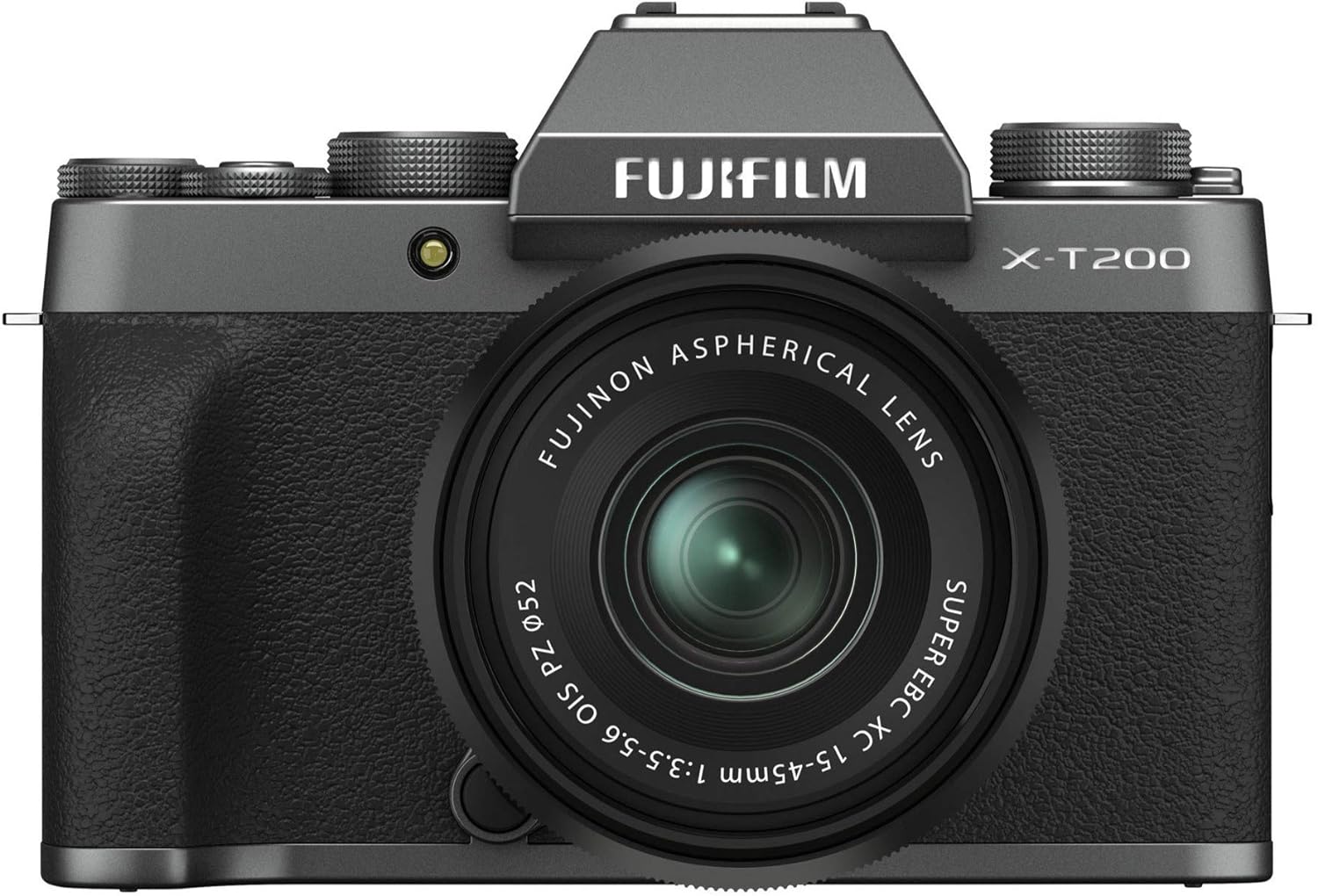
Next up is the Fujifilm X-T200, a stylish and highly capable camera that’s great for beginners dipping their toes into photography. I’ve had the pleasure of using this one, and let me tell you, it’s like the Swiss Army knife of beginner cameras—versatile, reliable, and pretty darn good-looking too.
The X-T200 features a 24.2 MP APS-C sensor, which produces stunningly detailed images. One of the standout features is its large 3.5-inch vari-angle touchscreen, which is incredibly responsive and makes navigating the menu a breeze. It’s also perfect for those tricky low or high-angle shots.
Fujifilm’s renowned film simulation modes are a real treat, offering a variety of looks straight out of the camera. The X-T200 also has excellent autofocus performance, thanks to its hybrid AF system, which combines phase-detection and contrast-detection AF.
For video enthusiasts, the X-T200 doesn’t disappoint with its 4K video recording capability. And if you’re into vlogging, the camera’s face and eye detection will keep you in sharp focus even when you’re moving around.
X-T200 Sample Photos

Pros and Cons
| Pros | Cons |
|---|---|
| – Superb image quality with a 24.2 MP APS-C sensor – Large, responsive 3.5-inch vari-angle touchscreen – Film simulation modes for creative photography – 4K video recording – Reliable hybrid autofocus system | – Limited battery life compared to some competitors – No in-body image stabilization – Slightly heavier than some other beginner models |
Best Lenses for Fujifilm X-T200
To get the most out of your X-T200, consider these lenses:
- Fujinon XF 18-55mm f/2.8-4 R LM OIS: A versatile zoom lens that’s great for everyday shooting.
- Fujinon XF 35mm f/2 R WR: A compact prime lens perfect for portraits and street photography.
- Fujinon XF 10-24mm f/4 R OIS: Ideal for capturing expansive landscapes.
Expert Review
The FUJIFILM X-T200 is a strong entry into the market for budget APS-C mirrorless cameras. It has a lot of features for this price point.
– Dustin Abbot, Professional Fujifilm Photographer
There’s no question that this represents a great value, as the X-T200 is a great little platform if your priority is to travel light.
A lens like the valueXC 35mm F2 is a great pairing with the camera and will give you much better results than the kit lens.
I used a lightweight kit during this review that primarily consisted of the XF 16mm F2.8 and XF 23mm F2, two other lenses that I think pair nicely.
Specs Table
| Feature | Specification |
|---|---|
| Sensor | 24.2 MP APS-C |
| Autofocus | Hybrid AF (phase-detect + contrast-detect) |
| Burst Shooting | 8 fps |
| Video Resolution | 4K |
| Connectivity | Wi-Fi, Bluetooth |
| Battery Life | Approximately 270 shots |
| Weight | 370g (with battery) |
The Fujifilm X-T200 is an excellent choice for beginners, especially those with an interest in landscape photography.
Its combination of high image quality, user-friendly interface, and creative features like film simulation modes make it a fantastic camera to start your photography journey.
Whether you’re capturing sweeping vistas or candid moments, the X-T200 is a reliable companion.
4. Nikon Z50
Best Mirrorless Nikon for Beginners, Best Compact Mirrorless
Overview and Key Features
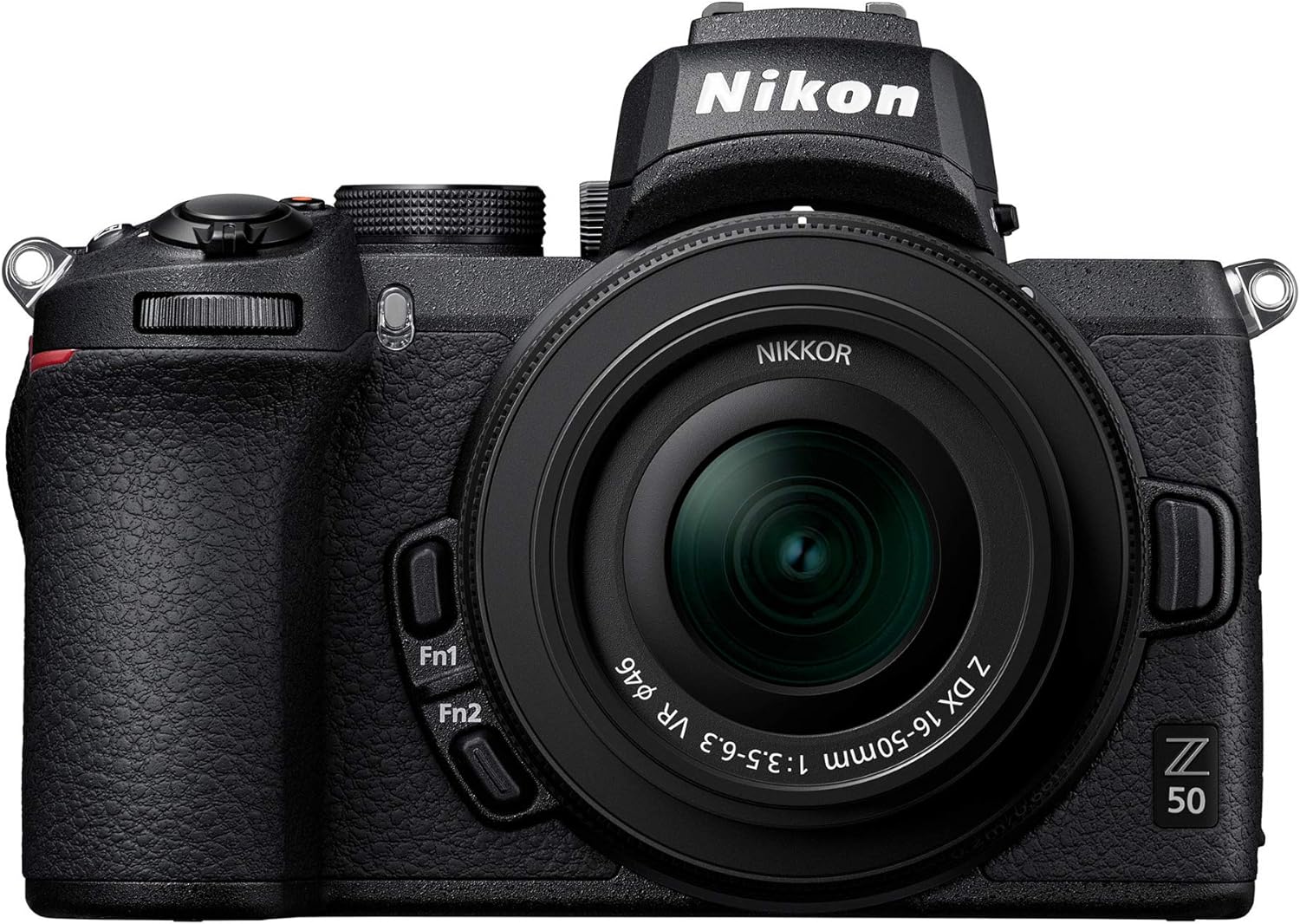
Meet the Nikon Z50, a versatile and compact mirrorless camera that’s perfect for beginners and hobbyists looking to explore the world of photography.
The Z50 combines user-friendly features with high-quality performance, making it an excellent choice for those new to mirrorless cameras.
The Nikon Z50 is equipped with a 20.9 MP APS-C CMOS sensor, which provides excellent image quality and dynamic range. The 209-point hybrid autofocus system ensures that your subjects are always in focus, whether you’re shooting stills or 4K UHD videos.
Despite its compact size, the Z50 offers a comfortable grip and intuitive controls that make it easy to handle, even for extended shooting sessions.
One of the standout features of the Z50 is its 3.2-inch tilting touchscreen, which is perfect for framing shots from various angles and taking selfies. Additionally, the camera’s built-in Wi-Fi and Bluetooth connectivity allow you to easily share your photos and videos with your smartphone or other devices.
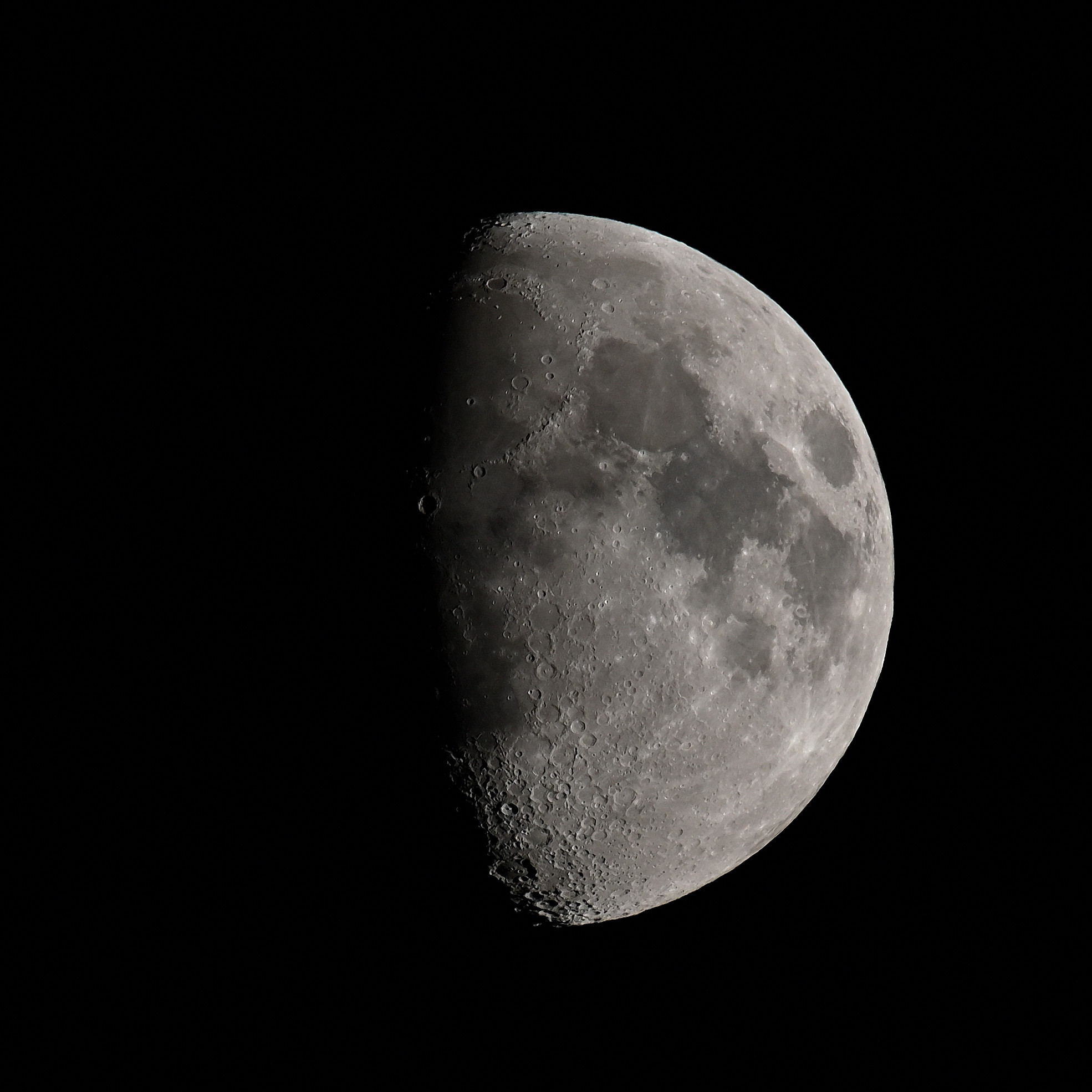
Z50 Sample Photos











Nikon Z50 vs. Z5
Additional Features of the Z5
- Full-Frame Sensor: 24.3MP full-frame CMOS sensor for superior image quality and better low-light performance compared to the APS-C sensor in the Z50.
- Weather-Sealed Body: Robust and weather-sealed body, offering durability in various shooting conditions.
- Dual Card Slots: Dual UHS-II SD card slots for better file management and backup.
- Battery Life: Improved battery life with the EN-EL15c battery, allowing for extended shooting sessions.
The Z50 is an APS-C camera that is more compact and cheaper, making it ideal for beginners who are looking for a lightweight option.
The Z5, being a full-frame camera, offers better image quality and more advanced features suitable for those who want to eventually delve into more serious photography.
As I’ve laid out in the sections above, there’s one great option in terms of lots of additional value for a bump in price. For Nikon, the Z5 is the undisputed (in my opinion, and many others) option for photography enthusiasts wanting a Nikon mirrorless setup.
Nikon Z50 vs. Z30
Additional Features of the Nikon Z30
- Vlogging Features: Designed specifically for vloggers and content creators, featuring a vari-angle touchscreen that flips forward for easy self-recording.
- Compact and Lightweight: Even more compact and lightweight than the Z50, enhancing portability and ease of use.
- Microphone Input: Includes a microphone input for superior audio quality in videos, essential for content creators.
The Z50 is a more general-purpose camera with excellent image quality and performance.
Bump over to the Z30 if you primarily do vlogging. In that specific scenario, the Z30 is a dream. Otherwise the lack of an electronic viewfinder makes it a no-go.
Nikon Z50 vs. Z fc
Additional Features of the Nikon Z fc
- Retro Design: Stylish, retro-inspired design appealing to those who appreciate a classic camera look.
- Vari-Angle Touchscreen: Fully articulating vari-angle touchscreen, improving usability for video recording and creative angles.
- Enhanced Controls: Dedicated dials for ISO, shutter speed, and exposure compensation, providing a tactile shooting experience.
Both cameras share similar internal specs. The Z fc offers a retro design and is targeted towards those who want a stylish camera without compromising on modern features.
Z50 Pros and Cons
| Pros | Cons |
|---|---|
| – Compact and lightweight design: Ideal for travel and everyday use. – 20.9 MP APS-C sensor: Delivers high-quality images with excellent detail and color accuracy. – 209-point hybrid autofocus: Fast and accurate focusing for both stills and videos. – Tilting touchscreen: Facilitates flexible shooting angles and easy selfies. – 4K UHD video recording: Captures high-resolution videos with great clarity. – User-friendly interface: Easy to navigate and customize controls. | – No in-body image stabilization (IBIS): May require lenses with stabilization for handheld shooting. But that’s normal. – Limited native lens selection: APS-C Z-mount lenses are fewer compared to full-frame Z-series. – Single SD card slot: Might be a limitation for some advanced users. |
Best Lenses for Nikon Z50
Pair your Nikon Z50 with these lenses for optimal performance:
- Nikon Z DX 16-50mm f/3.5-6.3 VR: A versatile zoom lens that’s perfect for everyday photography.
- Nikon Z DX 50-250mm f/4.5-6.3 VR: Ideal for capturing distant subjects and adding flexibility to your kit.
- Nikon Z 35mm f/1.8 S: A high-quality prime lens that excels in low-light conditions and provides beautiful background blur.
Expert Review
The Z50 is a really impressive addition to the mid-price camera sector. It brings a lot of Nikon D7500-level capability to a camera priced more like a D5600, immediately making it a credible contender in one of the most hotly-contested parts of the market.
– Digital Photography Review
There’s a lot to like about the Z50: the ergonomics and user interface are generally very good, making it an engaging and enjoyable camera to shoot with. Its video capability is also very good, with the option to have video settings that match or diverge from your stills settings, depending on how you want to shoot.
Specs Table
| Feature | Specification |
|---|---|
| Sensor | 20.9 MP APS-C CMOS |
| Autofocus | 209-point hybrid AF |
| Burst Shooting | 11 fps |
| Video Resolution | 4K UHD at 30p |
| Connectivity | Wi-Fi, Bluetooth |
| Battery Life | Approximately 320 shots |
| Weight | 395g (with battery and memory card) |
The Nikon Z50 is a top choice for beginners and enthusiasts seeking a reliable, user-friendly mirrorless camera. Its combination of excellent image quality, robust autofocus, and convenient features make it a versatile tool for capturing stunning photos and videos. Whether you’re just starting out or looking to upgrade from a smartphone, the Nikon Z50 offers a fantastic balance of performance and portability.
5. Olympus OM-D E-M10 Mark IV
Best Olympus Mirrorless for Beginners
Overview and Key Features
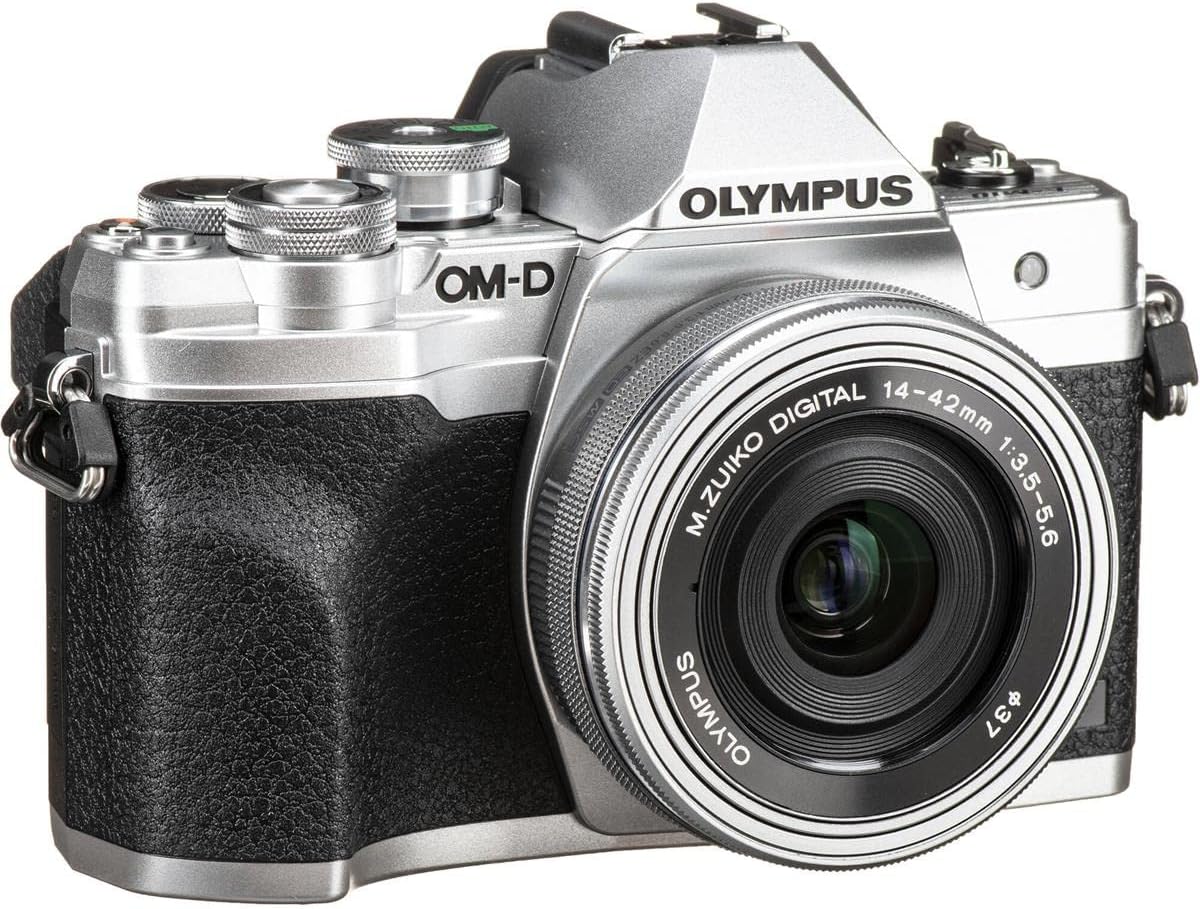
Say hello to the Olympus OM-D E-M10 Mark IV, a compact and travel-friendly mirrorless camera that punches way above its weight class. This little guy has joined me on a few adventures, and let me tell you, it’s like having a professional photographer in your pocket.
The E-M10 Mark IV is equipped with a 20 MP Micro Four Thirds sensor, which might be smaller than APS-C, but don’t let that fool you. It still delivers fantastic image quality, especially when paired with Olympus’s excellent lens lineup. Plus, the 5-axis in-body image stabilization ensures sharp shots even in low light or when you’re on the move.
The tilting touchscreen is perfect for selfies and vlogging, and the camera’s compact size means it’s easy to carry around all day without feeling like you’re lugging a brick. Add in 4K video recording and a host of creative shooting modes, and you’ve got a camera that’s ready for any adventure.
Sample Photos









Pros and Cons
| Pros | Cons |
|---|---|
| – Compact and lightweight, perfect for travel – 20 MP Micro Four Thirds sensor with excellent image quality – 5-axis in-body image stabilization – Tilting touchscreen for flexible shooting angles – 4K video recording | – Smaller sensor size compared to APS-C – Battery life could be better – No microphone input for external audio |
Best Lenses for Olympus OM-D E-M10 Mark IV
Pair your E-M10 Mark IV with these lenses for optimal performance:
- Olympus M.Zuiko Digital ED 14-42mm f/3.5-5.6 EZ: A super compact zoom lens great for everyday use.
- Olympus M.Zuiko Digital 45mm f/1.8: Excellent for portraits with beautiful background blur.
- Olympus M.Zuiko Digital ED 9-18mm f/4-5.6: Perfect for wide-angle shots and landscapes.
Expert Review
The Olympus OM-D E-M10 Mark IV is a capable entry level Micro Four Thirds camera that can deliver great results. The images come out sharp with plenty of fine details, good color rendition and respectable dynamic range, with perfectly usable straight out of camera JPEGs. The low light performance may not be something to shout about, but it is not horrible either. The small and light build make this camera really special for photographers looking for a compact travel companion, or a camera to use for casual take-everywhere day to day photography.
– Robin Wong, Professional Olympus Camera Reviewer
Specs Table
| Feature | Specification |
|---|---|
| Sensor | 20 MP Micro Four Thirds |
| Autofocus | Contrast-detect AF |
| Burst Shooting | 8.7 fps |
| Video Resolution | 4K |
| Connectivity | Wi-Fi, Bluetooth |
| Battery Life | Approximately 360 shots |
| Weight | 383g (with battery) |
The Olympus OM-D E-M10 Mark IV is a top choice for travel photography enthusiasts. Its compact size, excellent image stabilization, and versatile shooting capabilities make it an ideal companion for capturing your adventures. Whether you’re exploring bustling cities or serene landscapes, the E-M10 Mark IV is ready to deliver stunning results.
Best Beginner Mirrorless Cameras for Different Uses
Great for Landscape Photography
- Canon EOS M50
- The Canon EOS M50 is renowned for its excellent image quality and ease of use, making it a top choice for capturing stunning landscapes. With its Dual Pixel autofocus and 24.1 MP APS-C sensor, it ensures sharp and vibrant photos that do justice to the beauty of nature.
- Fujifilm X-T200
- The Fujifilm X-T200, with its superb image quality and intuitive controls, is another fantastic option for landscape photography. The camera’s hybrid autofocus system and 24.2 MP APS-C sensor provide excellent detail and color accuracy, ideal for wide, sweeping landscape shots.
Awesome for Vlogging
- Sony a6000 Series
- The Sony a6000 series is a versatile choice for vloggers, thanks to its compact design and excellent image quality. The fast autofocus and 11 fps burst shooting mode make it easy to capture dynamic footage. Plus, the built-in Wi-Fi and NFC allow for quick sharing of your vlogs.
- Panasonic Lumix GX85
- The Panasonic Lumix GX85 excels in vlogging with its 4K video recording and 5-axis in-body image stabilization. The tilting touchscreen and fast autofocus make it easy to shoot high-quality videos on the go, ensuring your content looks professional.
Great for Travel
- Olympus OM-D E-M10 Mark IV
- The Olympus OM-D E-M10 Mark IV is perfect for travel photography due to its compact size and excellent image stabilization. The 20 MP Micro Four Thirds sensor delivers high-quality images, while the tilting touchscreen makes it easy to capture shots from unique angles.
- Sony a6000 Series
- Lightweight and portable, the Sony a6000 series is another great option for travelers. Its fast autofocus, excellent image quality, and versatile shooting capabilities make it a reliable companion for capturing all your travel adventures.
Budget-Friendly Beginner Mirrorless Cameras
Best Value for Money
- Sony a6000 Series
- The Sony a6000 series offers incredible value for its price, providing high-end features like a 24.3 MP APS-C sensor and fast autofocus at a budget-friendly cost. It’s an excellent investment for beginners looking for a versatile and powerful camera without breaking the bank.
- Canon EOS M50
- With its superb image quality, 4K video recording, and user-friendly interface, the Canon EOS M50 is another great value option. It’s packed with features that cater to both photography and videography needs, making it a well-rounded choice for budget-conscious beginners.
Mirrorless vs. DSLR for Beginners
Key Differences
- Size and Weight: Mirrorless cameras are generally more compact and lightweight compared to DSLRs, making them easier to carry around.
- Viewfinder: Mirrorless cameras use electronic viewfinders (EVF) or LCD screens, while DSLRs have optical viewfinders. Each has its pros and cons depending on your preference.
- Autofocus: Mirrorless cameras typically offer faster and more accurate autofocus systems, especially for video recording.
- Battery Life: DSLRs usually have longer battery life due to their optical viewfinders consuming less power.
Which is Better for You?
- If you prioritize portability, ease of use, and advanced features like fast autofocus and 4K video, a mirrorless camera might be the better choice.
- If you prefer a traditional shooting experience with longer battery life and an optical viewfinder, a DSLR could be more suitable.
Frequently Asked Questions
What Makes a Good Beginner Mirrorless Camera?
A good beginner mirrorless camera should have a user-friendly interface, excellent image quality, fast and accurate autofocus, and versatile features that cater to different photography styles.
How to Choose the Right Model?
Consider your budget, preferred photography style, and specific features like video capabilities, connectivity options, and lens compatibility. Researching and reading reviews can also help you make an informed decision.
Conclusion
Investing in a beginner mirrorless camera can be a game-changer for your photography journey. With the right camera, you can capture stunning images, explore your creativity, and develop your skills. Whether you’re interested in landscapes, vlogging, or travel photography, there’s a perfect camera out there for you.
Support a Fellow Photographer
Just a heads up, some of the links in this article are affiliate links. That means if you click on them and make a purchase, I might earn a small commission at no extra cost to you.
By clicking my links before making a purchase, a little money goes to a fellow photographer. I’m not making loads of money by giving advice, so I’d really appreciate the gesture!





Leave a Reply