
Different days need different carry. Sometimes you want a quick sling for a street walk; other times you need a ski-ready pack or a roller that slides into an overhead bin. Here’s a tight, no-drama list that covers the bases without turning your closet into a gear museum.
Also Read:
- Top 5 Camera Backpacks for Every Situation
- 10 Best Camera Sling Bags (Tested & Reviewed)
- 6 Best Camera Bags for Travel: Real-World Picks I’ve Tested
Quick picks
- Peak Design Everyday Sling 6L v2 — street/travel sling with fast side access.
- Tenba DNA 13 Messenger v2 — crossbody messenger that swallows a full kit without looking “camera-y.”
- Lowepro Nova 170 AW II — small shoulder bag for one body and a couple lenses (great value).
- Think Tank BackLight 26L — hiking-friendly backpack with rear access (straps stay clean).
- Shimoda Action X30 — ski/backcountry pack with real suspension and helmet/ski carry.
- Think Tank Airport International V3.0 — rolling carry-on built for flights and event gigs.
Camera Bag Comparison Table
| Bag | Use & Price |
|---|---|
| Peak Design Everyday Sling 6L v2 | Weight: ~1.3 lb Best for: Street, travel light, fast swaps Price: ~$120–$160 |
| Tenba DNA 13 Messenger v2 | Weight: ~2.8 lb Best for: Daily carry, commuters, laptop + kit Price: ~$180–$220 |
| Lowepro Nova 170 AW II | Weight: ~1.8 lb Best for: One body + 2–3 lenses, simple outings Price: ~$70–$100 |
| Think Tank BackLight 26L | Weight: ~3.7 lb Best for: Day hikes, trails, rear-access swaps Price: ~$260–$290 |
| Shimoda Action X30 | Weight: ~4.6 lb Best for: Ski/board carry, storms, backcountry Price: ~$350–$420 |
| Think Tank Airport International V3.0 | Weight: ~9.5 lb Best for: Flights, weddings/events, overhead bins Price: ~$430–$500 |
Peak Design Everyday Sling 6L v2
Best Sling Camera Bag


Why it works: Fast to swing, stays out of the way, and the dividers don’t flop when you pull gear. The 6L size is the sweet spot—big enough for a body + two lenses, small enough to disappear in a café. Weather-sealed zips keep drizzle out, and the strap adjuster is one-hand easy.
What fits: one mirrorless/DSLR, 2–3 small lenses (or a 24–70 + prime), filters, batteries, and a tablet up to ~11″. A compact water bottle or mini-tripod can ride in the side pocket with a strap.
Best for: street and travel days when you want the camera out, not buried. Great “personal item” on flights—it tucks under seats without drama.
Watch-outs: load creeps onto one shoulder after a few hours; switch shoulders or keep weight reasonable. Big telephotos (70–200 f/2.8) fit, but they dominate the space.
Quick tip: set one divider as a shallow shelf by the zipper you use most—your “grab lens” lives there, hood up, ready to swap.
Tenba DNA 13 Messenger v2
Best Crossbody Camera Bag


Why it works: Sits flat against your body, swallows a real kit, and doesn’t scream “camera bag.” The magnetic Fidlock buckle opens one-handed, the flap sheds rain, and the removable camera insert turns it into a normal messenger when you’re off-duty.
What fits: one body with a 24–70 attached, plus 1–2 lenses (a 70–200 f/2.8 fits sideways if you pack smart), flash, filters, batteries, and a 13″ laptop in its own sleeve. Front organizer pockets keep cords and cards from vanishing.
Best for: commuters and travel days when you want laptop + camera in one bag, quick access at your hip, and a silhouette that blends in at meetings or cafés.
Watch-outs: it rides wide in tight crowds; if you overload it, one-shoulder carry will remind you by hour three. The weather flap is great, but you’ll still want a separate rain cover in sideways storms.
Quick tip: preset the strap so the bag sits on your lower back while walking; when you need the camera, loosen the quick-adjust and swing it forward—shoot, stow, cinch.
Lowepro Nova 170 AW II
Best Small Shoulder Bag


Why it works: Old-school top-lid simplicity done right. Open, grab, shoot. The padding is honest, the dividers don’t sag, and the built-in AW rain cover is there the second drizzle turns to downpour. It’s light, cheap, and tougher than it looks.
What fits: one DSLR/mirrorless with lens attached (up to ~24–70), plus 1–2 small lenses or a flash, filters, and spares. Side pockets handle a small bottle or compact tripod feet; zip pocket under the lid eats batteries and cards.
Best for: quick outings, museum days, light travel kits, or as a “B-bag” that lives by the door ready for a walk.
Watch-outs: it’s a shoulder bag—fine for a couple hours, not a full day on foot. Taller telephotos dominate the interior; if you carry a 70–200 often, step up a size.
Quick tip: park your camera nose-down with the grip up; the body comes to hand instantly and the lens hood won’t snag on the lid.
Think Tank BackLight 26L
Best Camera Bag for Hiking


Why it works: Rear-panel access is the whole trick—you swing the pack around on the hip belt, open the back, and swap lenses without grinding the shoulder straps into mud. The frame sheet and proper padding make it carry like a real daypack, not a gadget box, and the included rain cover means you’re not sprinting for shelter at the first squall.
What fits: one body with 70–200 attached, plus 2–3 more lenses, filters, a jacket, and snacks. Separate sleeves for a 15″ laptop and 10″ tablet. Tripod rides centered so the bag doesn’t yaw.
Best for: trail days, travel in rough weather, festivals where you can’t put your bag on the ground.
Watch-outs: rear access is slower on city streets; if you mostly shoot sidewalks, a sling/messenger is faster. Don’t hang a huge video tripod off the front unless you enjoy shoulder day.
Quick tip: pack heavy glass low and close to your spine. You’ll feel the difference by mile two.
Shimoda Action X30
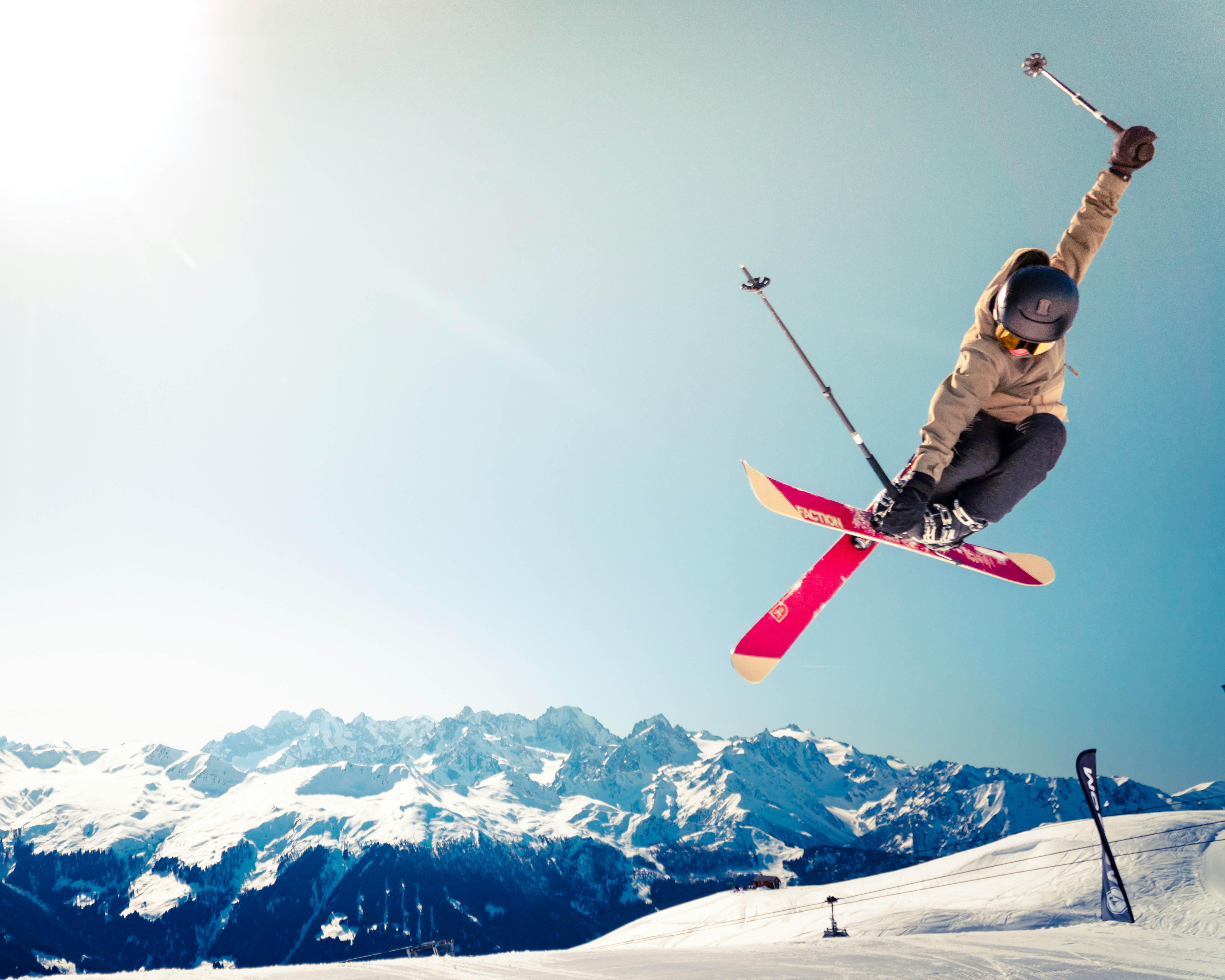
Best Camera Bag for Skiing/Backcountry


Why it works: Built for snow and speed. The harness actually adjusts to your torso, the roll-top swallows layers, and you get diagonal ski/board carry, glove-friendly pulls, and real storm resistance. Rear-panel access keeps straps clean; front stash pockets fit skins or goggles. Use Shimoda’s Core Units to size the camera bay to the day.
What fits: with a Medium Core Unit, one pro body or two smaller bodies, 3–5 lenses (70–200 upright), plus gloves, puffy, repair bits, and hydration. Sleeve fits up to a compact 13″ laptop/tablet when you’re not on the mountain.
Best for: lift-served days, sidecountry laps, and winter shoots where you need avalanche-friendly carry plus camera brain.
Watch-outs: Core Units add cost—budget for the insert you actually need. Fully stuffed, the X30 can flirt with carry-on limits on tiny regional jets.
Quick tip: stash a thin microfiber in the goggle pocket; wipe snow off the rear panel before you swing it around to open.
Think Tank Airport International V3.0
Best Rolling Camera Bag

Why it works: Built to live in airports. The shell holds its shape, wheels are smooth and quiet, and the dividers don’t collapse when you hop a curb. It meets most international carry-on rules, the lockable zips + included cable lock buy peace of mind, and the front hatch lets you pull a laptop without opening the whole case.
What fits: two full-frame bodies, 4–6 lenses (70–200 and 24–70 no problem), flashes, audio kit, and a 15–16″ laptop plus tablet. There’s room for a compact light stand or collapsed travel tripod diagonally.
Best for: weddings, corporate gigs, and fly-to-shoot days where you want everything in one rolling bin that slides into overheads and under tables.
Watch-outs: at ~9.5 lb empty, weight adds up fast—know your airline’s carry-on limits. Cobblestones and stairs are its nemesis; plan a small sling or harness inside for on-foot segments.
Quick tip: pre-pack a slim sling or shoulder insert on top. At the venue, lift it out and work light while the roller becomes your “base camp.”
Lowepro ProTactic BP 450 AW II
Best One-bag Workhorse

Why it works: It’s the cockroach of camera bags—in the best way.
Stiff walls protect gear, the interior grid eats odd-shaped kits, and the exterior MOLLE lets you clip on pouches, tripods, or a water bottle exactly where you want them.
The All Weather cover is clutch when the sky flips.
What fits:
- Two bodies plus 3–5 lenses, or one body, 70–200, 24–70, 16–35, flash, and a compact drone. 15″ laptop slot, top hatch for quick grabs, and twin side doors for street swaps.
Best for: People who want one pack to do everything—events, weddings, small productions—without babying it.
Watch-outs: It’s not the lightest, and the armored exterior can feel boxy on smaller frames. Airflow is decent, not “hiking-pack” breezy—on hot days, pace yourself.
Quick tip: move the waist belt a hair higher than you think; this bag rides better when the belt actually takes weight off your shoulders.
| Bag | Specs |
|---|---|
| Peak Design Everyday Sling 6L v2 | Type: Sling Capacity: 6L Access: Top/side zip |
| Tenba DNA 13 Messenger v2 | Type: Messenger (crossbody) Capacity: ~16L Access: Flap + front zip |
| Lowepro Nova 170 AW II | Type: Small shoulder Capacity: ~9L Access: Top lid |
| Think Tank BackLight 26L | Type: Hiking backpack Capacity: 26L Access: Rear panel (back opens) |
| Shimoda Action X30 | Type: Ski/backcountry pack Capacity: 30L Access: Top + back panel |
| Think Tank Airport International V3.0 | Type: Rolling bag (carry-on) Capacity: ~35L interior Access: Clamshell |
Loadout templates (copy, pack, go)
Street walk — Sling 6L
Body with 35mm/50mm, small zoom, spare battery/cards, microfiber, blower, wrist strap, mini rain shell, wallet/keys. Keep the camera on the zip side nearest your dominant hand; prime sits on a shallow divider shelf.
Commute day — Messenger 13
Body with 24–70, fast prime, charger kit, 13″ laptop + cable pouch, notebook/pen, compact umbrella, bottle. Heaviest glass rides low and close to your hip; laptop against the outside so it’s fast at security.
Light grab-and-go — Small shoulder
Body with walkaround zoom, one prime, flash, batteries, card case, CPL filter, snacks. Park the camera nose-down, grip up, so it comes to hand cleanly.
Trail day — Hiking 26L
Body with 24–105, ultrawide, 70–200, filters, 2L water, puffy/rain shell, first-aid, headlamp, bars. Tripod centered, not side-mounted, to stop yaw. Use the hip belt; your shoulders will thank you.
Ski/backcountry — X30
Body with 24–70, 70–200, spare gloves, goggles, repair kit, skins slot, shovel/probe in dedicated sleeve, radio, hydration. Avalanche gear is non-negotiable—pack it where it deploys fast.
Fly-to-shoot — Roller
Two bodies, 24–70, 70–200, 16–35, flashes, audio kit, 15–16″ laptop, cables, compact light stand, small sling nested on top. Roller = base camp; sling = on-foot shooter.
Quick tip: build a tiny “essentials pouch” (batteries, cards, microfiber, blower, hex tool). It lives in every bag so you never leave without the basics.
Accessories that actually help
- Camera cube/insert: turn any messenger or travel pack into a camera bag; yank the whole kit in one move.
- Rain cover (seam-taped): weather-resistant fabric is fine for drizzle; real rain needs a cover.
- Tech pouch: corral chargers, cords, card readers—front pocket rummaging ruins days.
- Tripod keeper strap: stops legs creeping out of side pockets mid-walk.
- Shoulder strap pad/keepers: add comfort and wrangle loose webbing so nothing snags.
- Cable lock + carabiner: loop zipper pulls together on trains; it’s about deterrence, not Fort Knox.
- Silica gel packets: toss a couple in the camera bay; swap every few months if you shoot in rain or snow.
- Luggage scale (roller days): keeps you under airline limits before the gate weigh-in.
- Hydration sleeve adapter: for hiking/ski packs that didn’t include one—water solves a lot of “why am I dying” problems.
- Reflective tape dot: one sticker on a zipper pull helps you find openings at 5 a.m.
Quick tip: label both ends of every cable and strap (masking tape + Sharpie). Triage is faster when everything’s named.
Care and fit (make it last, make it comfy)
- Dial the fit: snug shoulder straps, then tighten the hip belt until weight leaves your shoulders; pull load-lifters just enough to tuck the top in.
- Pack by weight: heavy glass rides low and close to your spine; soft layers and pouches up high/outboard.
- Weatherproofing: brush off grit, wipe with a damp cloth, air-dry; re-treat DWR yearly if you live in wet places.
- Zipper TLC: a little silicone zip lube keeps teeth smooth—salt and sand are their sworn enemies.
- Stow smart: empty food, crack pockets open, and store bags dry; mildew is forever.
Quick tip: before a big trip, wear the loaded bag for 10 minutes on stairs. Anything that pokes or rattles gets moved now—not in the airport queue.
This post contains affiliate links. If you purchase through these links, I may earn a small commission at no extra cost to you. As an Amazon Associate, I earn from qualifying purchases and stand behind all of my recommendations.




Leave a Reply