
After years of testing lenses on the A6000 — in every kind of light, weather, and project — I’ve narrowed it down to three lenses that actually earn their place in my bag. They’re affordable, lightweight, and each one solves a different problem without much overlap. Together, they cover everything from portraits to travel to sports.
Also Read: My Sony A6000 Review (Tested w/ Sample Photos)
1. Sigma 30mm f/1.4 DC DN Contemporary
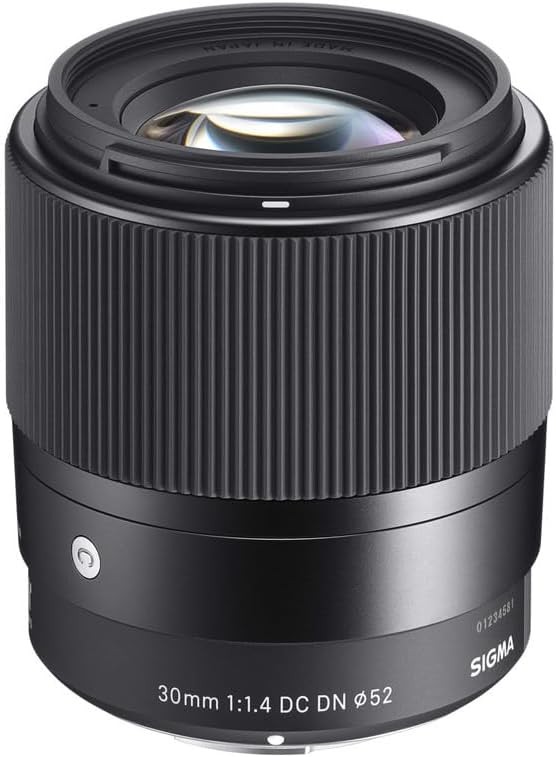
This is basically your nifty fifty because it shoots at the equivalent of 45mm.
If you shoot with the A6000, this lens is almost a rite of passage. It’s small, sharp, and lets you shoot in places you’d never expect to get clean results — dim cafés, night streets, living rooms lit by a single lamp. The f/1.4 aperture gives a natural background blur and enough light for handheld shots without raising ISO too high.
This is my “default” lens — the one that stays mounted most of the time. It handles portraits, food, indoor family photos, and casual video beautifully. Autofocus is quick and reliable, and the rendering has that slightly punchy, modern Sigma look that flatters skin tones without overdoing contrast.
Use cases: portraits, street photography, travel, food, indoor lifestyle shoots, product b-roll.
Honest Customer Review (131 Upvotes)
“As many have said, this might just be the best prime lens for Sony’s E-Mount / APS-C cameras. I use it on my Sony A6000, and it’s amazing. Quick pros and cons:
Pros:
Best-in-class aperture. f1.4 is currently the best available on the market, there is no more open lens in this range.
Cheap. Compared to the competition, this lens is an absolute steal. Cheaper than the nearest Sony and Zeiss equivalents.
Amazing quality. I never knew a lens this cheap, and promising f1.4, could ever look this good. Unless you’re a serious photo pro who’s crawling over the pixels in Photoshop, this lens is near perfect at any setting. What small flaws it does have, are almost all easily fixed (e.g. very minor, best-in-class, barrel distortion). Anyone using this for point-and-shoot or basic portraits won’t need to do a thing, it looks great out of the box.
Cons:
No image stabilization. This is really both a pro and a con. You don’t need image stabilization anyway if you shoot with a tripod, so no sense paying for it…”
Sigma 30mm f/1.4 DC DN vs Sony E 35mm f/1.8 OSS
First off, these are very comparable lenses, but the Sigma is $250 cheaper.
I’ve shot a lot with both. The Sigma wins on light and look; f/1.4 gives cleaner low-light shots and creamier background blur. It’s also sharper wide open in the center.
The Sony fights back with Optical SteadyShot, which matters on the A6000 for handheld video or slower shutter speeds at night. The Sony is lighter and a touch quicker to wake and focus in dim interiors, but the Sigma’s rendering feels richer and more modern.
My pick: Sigma 30/1.4 for portraits, cafés, night streets, and that “prime look.”
When I’d choose the Sony 35/1.8: handheld video, slower-shutter indoor shooting, or if stabilization is non-negotiable.
2. Sigma 18–50mm f/2.8 DC DN Contemporary
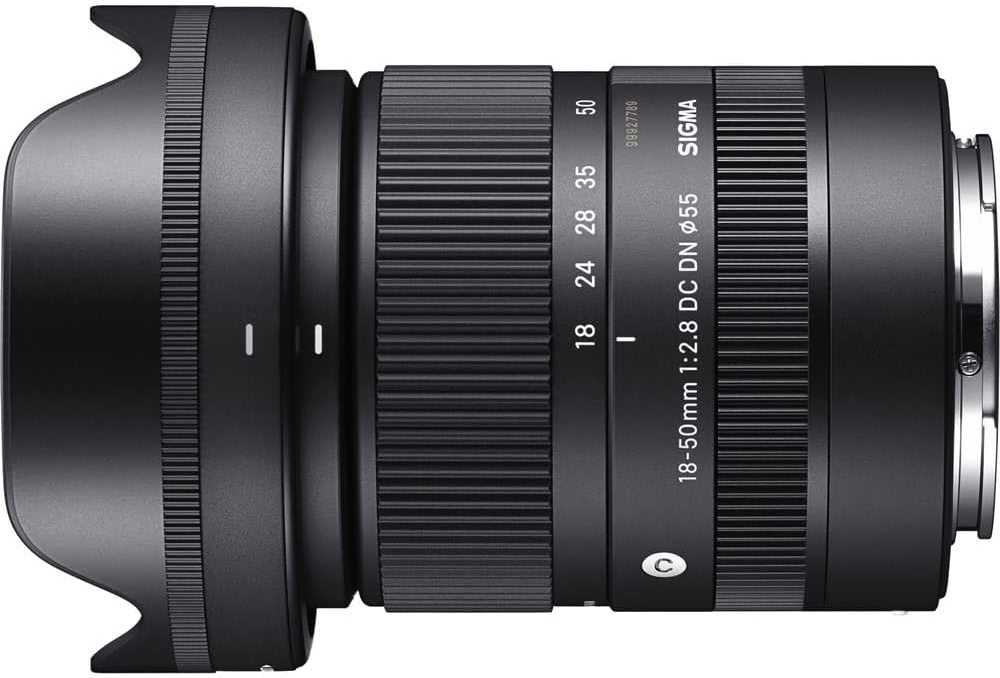
This one’s the workhorse. It replaced both my kit lens and my wide prime, and I haven’t looked back since. The constant f/2.8 aperture makes it bright enough for most conditions, but what really sells it is how compact and balanced it feels on the A6000 body.
The 18–50mm range covers nearly everything: interiors, landscapes, group portraits, street scenes, even casual events. It focuses silently, which makes it perfect for hybrid shooters who swap between stills and video. The images have a clean, accurate color profile that pairs perfectly with other Sigma DC DN lenses, so switching between them never creates color headaches in post.
Use cases: travel, walkaround, food, indoor events, hybrid photo/video work, architecture, and city photography.
Objective Customer Review (63 Upvotes)
I’m a photographer that shoot most of my stuff while hiking and travelling. Size, Performance and versatility are my three biggest factors. Usually, I have to compromise pretty heavily between them. Last year I hiked in Zion for a week with the Sony 16F2.8, Which was amazing for keeping the weight down on long high-mileage days, and virtually disappeared on the camera. This was in exchange for meh results and a lot of lens flare and aberration. This year I decided to suck up the size, and took a Sigma 16F1.4. The weight was reasonable, and the pictures were amazing, but the lens itself was a chonk and it was frequently in the way. Both of these lenses also lacked versatility, resulting in a lot of shots where I shot wide and sucked it up for a heavy crop in post.
Enter the Sigma 18-50f2.8. Pictures are sharp as a tack, check. Common 55mm Filter size, check. Small package, check. Reasonable weight, functional zoom range, decently wide aperture etc. It frankly does it all, and does it without being fat, heavy, obtrusive or expensive. Is it my favorite lens? No. It’s frankly, just a little boring. It doesn’t have a niche. It is however ASTOUNDINGLY capable. It’s great to watch a player who shoots from half court, has handles like a Globetrotter or will dunk over 3 defenders, but this lens is the guy on the team who is a solid 9/10 in every fundamental and plays everything textbook. It’s not a “fun” lens, but it will absolutely get the job done capably in every situation, in a smaller package and half the price of it’s competitors.
The minor gripes: The focus/zoom rings are annoying. They’re flush with the barrel and I frequently have trouble finding the right one by instinct. They’re smooth, but not intuitive to find….
Sigma 18–50mm f/2.8 DC DN vs Sony E 16–55mm f/2.8 G
Again, these are very comparable lenses, but the Sigma is up to $1000 cheaper.
Both are constant-aperture f/2.8 zooms; the Sony is the pro pick with better edge-to-edge sharpness, tougher build, and snappier AF. It’s also bigger and far more expensive.
The Sigma is the “small camera, big results” option: lighter, cheaper, balances perfectly on the A6000, and still very sharp in the real world. The reduced weight is especially helpful on the Sony’s small camera body.
For travel and everyday use, I don’t miss the extra 2mm on the wide end or the G-badge.
My pick: Sigma 18–50/2.8 for size, price, and balance on the A6000.
When I’d choose the Sony 16–55/2.8 G: paid work in rough weather, heavy cropping needs, or when ultimate edge performance matters.
3. Sony E 55–210mm f/4.5–6.3 OSS

Every kit needs reach, and this is the lens that delivers it without weighing you down. It’s compact, optically stabilized (a must on the A6000), and surprisingly sharp in good light. It’s ideal for outdoor use — kids’ sports, birds at the park, compressed mountain landscapes, or a quiet moment from across the street.
I don’t bring it everywhere, but when I do, it usually earns its space. The optical stabilization keeps handheld shots steady at slower shutter speeds, and it’s light enough that I can toss it in my sling bag and forget it’s there.
Use cases: outdoor sports, wildlife, travel, landscape compression, candid street photography, distant architecture.
Why These 3 Lenses Work Together
They’re light, fast, and affordable — but more importantly, they complement each other. The 30mm covers everything indoors and after dark. The 18–50mm handles most daily shooting, from wide scenes to quick portraits. And the 55–210mm picks up where the others leave off, giving reach and stabilization when you’re outdoors.
It’s the kind of kit that doesn’t make you choose between versatility and image quality. You can throw all three into a small sling and shoot just about anything — portraits, landscapes, travel diaries, family events, night cityscapes, or even YouTube content.
Also Read: 5 Best Lenses for Sony a6400 (+ Budget Alternatives)
2 More Great Lenses for the Sony A6000
Sigma 56mm f/1.4 DC DN Contemporary
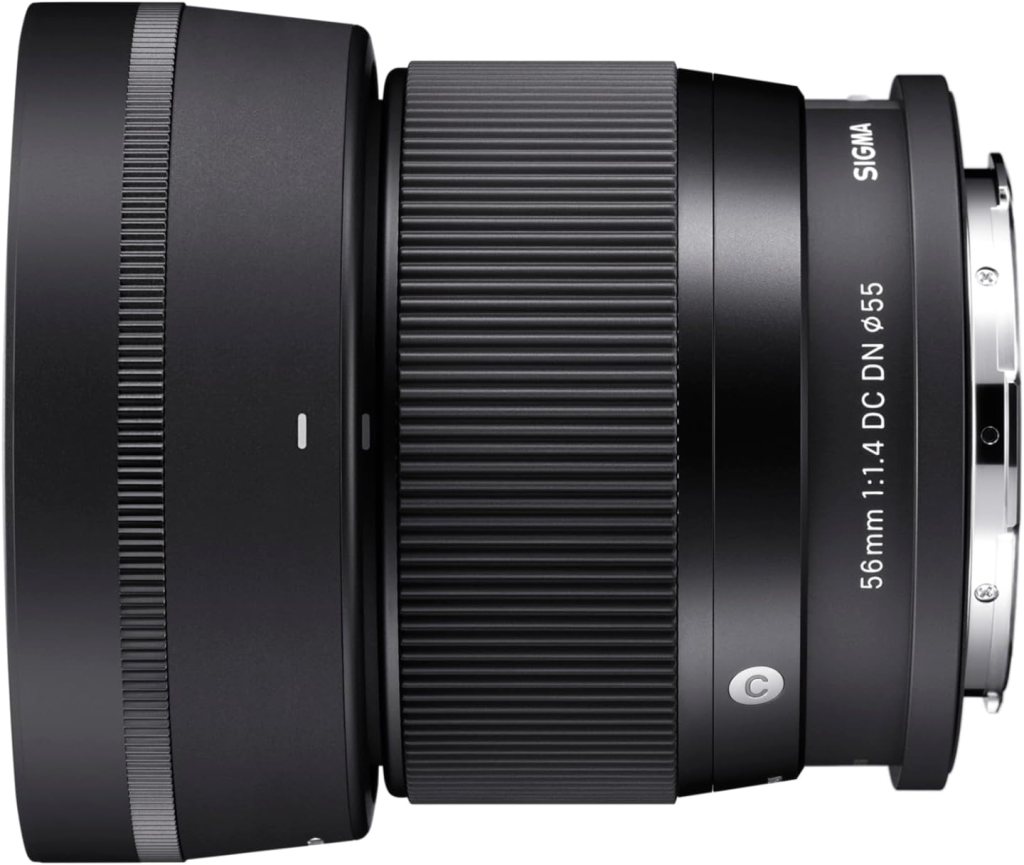
If I know I’ll be photographing people, this is the lens I slip into the bag. On the A6000 it’s roughly an 85mm equivalent, which is the sweet spot for head-and-shoulders portraits and candid shots from a comfortable distance.
Wide open it’s crisp where it matters and beautifully smooth in the background. It also doubles as a low-light stage lens for small concerts, school events, and indoor ceremonies where you can’t get close but still want clean files without pushing ISO into the mud.
Use cases: portraits, documentary candids, indoor events, detail shots at weddings, short tele for product/food.
Also Read: 4 Best Portrait Lenses for Sony (Budget, Third-Party, Pro)
Viltrox 13mm f/1.4 AF
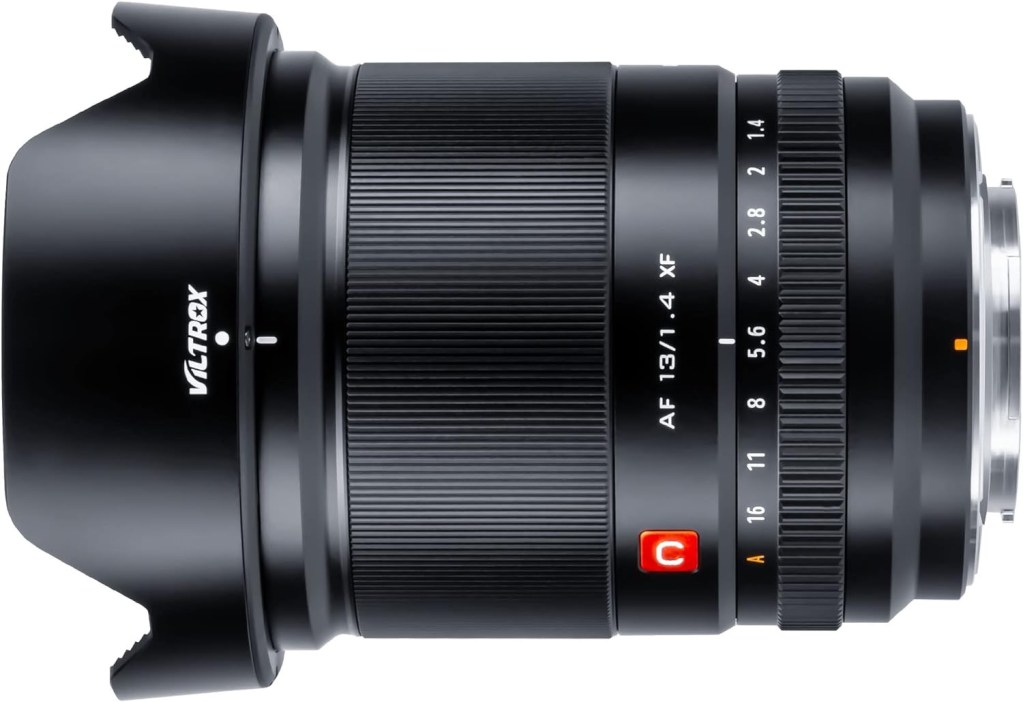
When I want width without giving up autofocus or speed, this is the one. It’s genuinely wide on APS-C (about 20mm equivalent), fast enough for blue hour cityscapes and star fields, and the AF makes handheld interiors and gimbal work painless.
I bring it for hotel rooms, rental apartments, tight cafés, and “show the whole scene” travel shots. For astro, I switch to manual focus and it holds sharp stars edge to edge once dialed in.
Use cases: architecture, interiors/real estate, travel vlogs, handheld room tours, night city, Milky Way.
FAQs About Sony A6000 Lenses
What lenses actually work on the Sony A6000?
Anything with a Sony E-mount fits like a glove. That includes Sony’s own E and FE lenses, plus all the big third-party names—Sigma, Tamron, Viltrox, Samyang, and a few others. You can even use old DSLR glass with an adapter, but autofocus usually slows to a crawl and feels like going back to dial-up internet.
Can I throw full-frame lenses on it?
You can, and they’ll work perfectly. The A6000 just crops the image by 1.5×, using the center of the lens. So your fancy 50mm full-frame prime turns into a 75mm equivalent. It’s a great way to get top-notch glass if you don’t mind the extra weight (and price tag).
I’m new to photography—what’s my first lens upgrade?
Start with the Sigma 30mm f/1.4. I’ve said it before and I’ll say it again: this thing wakes the camera up. It turns dim cafés, evening streets, and indoor family chaos into clean, sharp, vibrant images. It’s small, fast, and doesn’t cost a fortune. You’ll immediately understand why people fall in love with prime lenses.
What’s the best single travel lens for the A6000?
If I’m packing light, the Sony 18–135mm is the one lens that can do just about everything. It’s sharp, stabilized, and covers landscapes, portraits, and the odd rooftop bar sunset. If you like a brighter image and don’t mind less reach, the Sigma 18–50mm f/2.8 makes travel photos look like they came off a camera twice the price.
What’s your favorite portrait lens?
The Sigma 56mm f/1.4, hands down. It’s the kind of lens that makes you fall in love with your own photos. Skin tones glow, backgrounds melt away, and every image looks intentional. It’s like a little magic trick that lives on the front of your camera.
Is that cheap Sony 55–210mm zoom actually any good?
Shockingly, yes. In bright light, it’s sharp, stabilized, and plenty long for travel wildlife, kids’ soccer, or those quiet candid moments from across the street. It’s not fast and it’s not fancy, but it gets the shot. You just need sunlight—and a steady hand if you push it to the long end.
What’s the move for night skies or architecture?
If you want to get into astro or big wide shots, grab the Rokinon 12mm f/2 or the Viltrox 13mm f/1.4. The Rokinon is manual focus and dirt cheap, but razor sharp if you take your time. The Viltrox gives you autofocus and a bit more width, perfect for cityscapes or room tours. Both are stellar lenses for the price.
Do Sigma and Viltrox lenses focus as fast as Sony’s?
The modern ones do. The early third-party lenses were like, “I’ll get there when I get there.” The new DC DN and AF lines are lightning quick, quiet, and accurate. You can shoot weddings, street photography, or video with them and never think twice.
What’s the sharpest lens you’ve used on the A6000?
Probably the Sigma 56mm f/1.4 or Sony’s 16–55mm f/2.8 G if you’ve got the budget. Both slice reality into pixels. The 30mm f/1.4 isn’t far behind, and for its price, that’s saying something.
Is the kit lens really that bad?
It’s not bad—it’s just uninspiring. It’s like the lunch you make when you’re too tired to cook. It does the job, but there’s no flavor. Once you shoot with a prime like the 30mm f/1.4, you’ll never want to go back.
I want to shoot video and vlog—what should I buy?
For handheld vlogging, the Sony 11mm f/1.8 is a little masterpiece. It’s wide, bright, and dead silent. For more general video, the Sigma 18–50mm f/2.8 is the move—it’s versatile, compact, and looks great straight out of camera.
What about macro work—can the A6000 handle it?
Absolutely. The Laowa 65mm f/2.8 2× Ultra Macro is the secret weapon for product shots, food, or nature close-ups. It’s manual focus only, but that’s the point—you get precision and a level of sharpness that’ll make you see texture you didn’t know existed.
Should I buy f/1.4 primes or f/2.8 zooms?
Depends how you see the world. f/1.4 primes are all about light, depth, and that cinematic look. f/2.8 zooms are about practicality—you trade a little blur for the ability to reframe instantly. If you like working fast, go zoom. If you like working deliberately, go prime.
How important is image stabilization with the A6000?
Since the body doesn’t have in-body stabilization, OSS lenses definitely help. You’ll feel the difference with the Sony 55–210mm, 18–135mm, and 35mm f/1.8 OSS. But even without OSS, fast lenses like the Sigma 30mm f/1.4 or 56mm f/1.4 let you keep shutter speeds high enough that you rarely miss it.
What’s the best cheap lens that’ll make my photos look expensive?
Easy—the Sigma 30mm f/1.4. It’s the budget glow-up. The color, contrast, and bokeh make A6000 photos look like they came from a much newer camera. Shoot it wide open, get close, and you’ll see what I mean.
What’s the best small lens for travel or street?
The Sony 20mm f/2.8 pancake. It’s not flashy, but it makes your A6000 look like a point-and-shoot while still giving you real quality. Perfect for cities, markets, or travel days when you want to blend in and move fast.
If you could only keep one lens?
Sigma 30mm f/1.4, no question. It’s the lens I’ve used to shoot portraits, food, street, night skies, even product photos. It’s the heartbeat of my A6000 kit, and if I lost everything else tomorrow, I could still tell every story I need with that one piece of glass.
This post contains affiliate links. If you purchase through these links, I may earn a small commission at no extra cost to you. As an Amazon Associate, I earn from qualifying purchases and stand behind all of my recommendations.




Leave a Reply