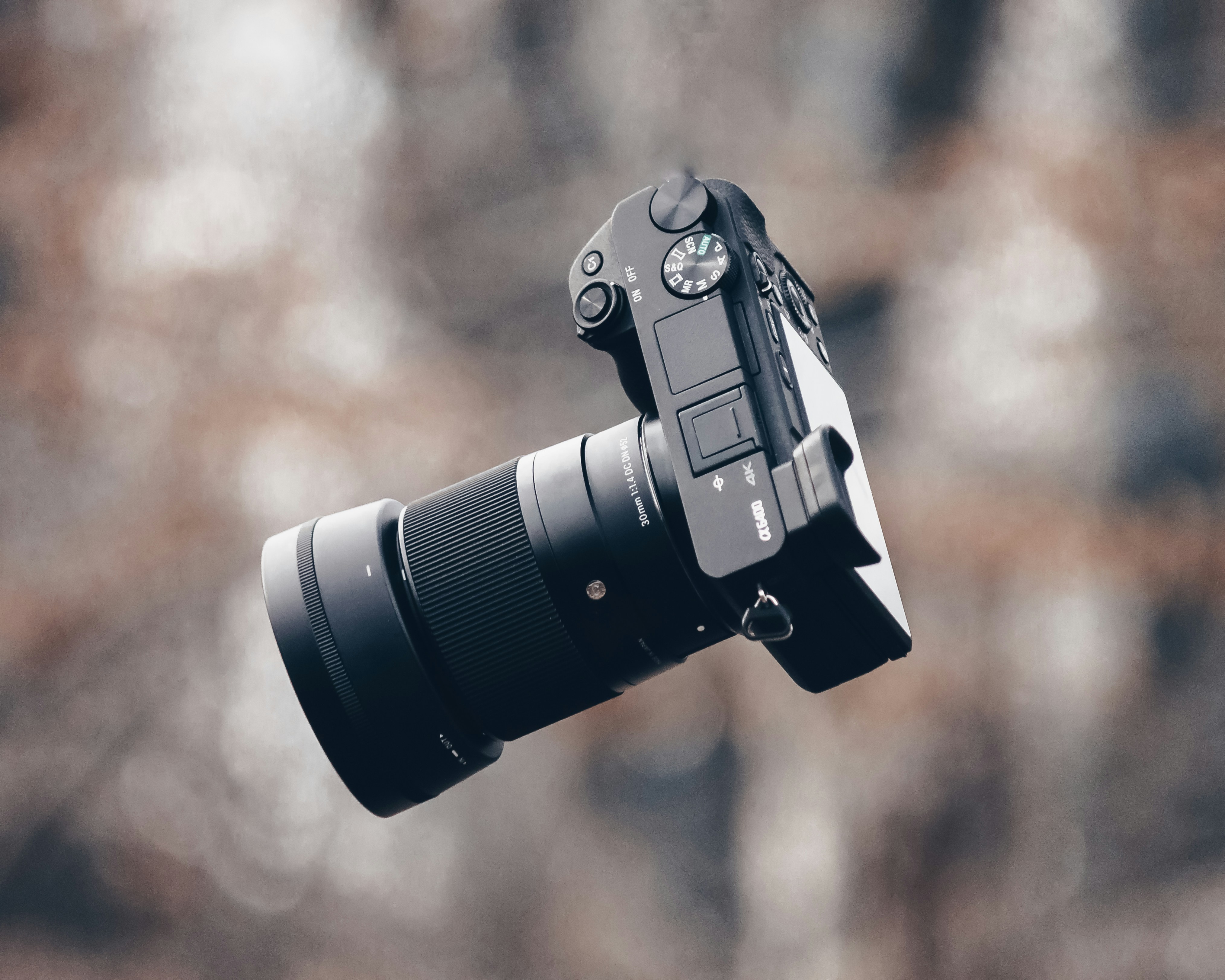
I bought my Sony A6000 back in 2017, and it’s been everywhere with me—mountain trails, late-night rooftops, family gatherings, and quiet mornings shooting macro in the backyard. It’s been dropped twice, rained on once, and the rubber grip is a little shinier now than it used to be. But it still works like the day I bought it.
This isn’t going to be a technical breakdown. You can find those anywhere. This is the story of what it’s like to actually live with this camera for years—its strengths, its quirks, and why I still recommend it to certain photographers in 2025.
I’ve shot macro, astro, landscape, portrait, and plenty of low-light work with the A6000, and it’s earned a permanent place in my kit.
Also Read: Best Sony A6000 Lenses: My Perfect 3-Lens Kit
Why I Bought the Sony A6000
When I first picked up the A6000, I wanted a camera that wouldn’t weigh me down but could still deliver professional-quality images. I was shooting with a Nikon D90 at the time, and I loved it, but hiking with a full DSLR and two lenses felt like carrying a brick.
The A6000 felt like the opposite of that. Compact, fast, and surprisingly confident. The autofocus locked onto subjects instantly, the burst rate felt snappy, and even the EVF—basic by today’s standards—felt revolutionary to me.
That first month, I took it everywhere: street shooting downtown, trails at sunset, family events indoors. It was the first camera that made me want to shoot every day.

Build and Handling
If you’re coming from a DSLR, the A6000 will feel small—almost too small at first. But it’s one of those cameras that disappears in your hand after a while. It’s light enough to wear all day, but the grip gives just enough confidence when using heavier lenses like the 55–210mm or the Sigma primes.
Mine has been tossed in backpacks, glove compartments, and even a few hiking jackets. It’s not weather-sealed, but it’s tougher than it looks. The magnesium alloy body has taken more than a few knocks, and nothing’s rattling yet.
Battery life isn’t stellar, but with two spares in your pocket, it’s never been a real issue for me.
Real-World Performance
I’ve shot nearly every genre with this camera, and each one has revealed something different about what it can (and can’t) do.
Note: When reviewing cameras, I prefer to showcase a wide variety of photographers using a piece of equipment. I think it provides a more helpful understanding of what the camera can do than just showcasing my own work.
Also Read: 5 Best Mirrorless Cameras for Beginners
Macro Photography
There’s a particular kind of joy in slowing down with this camera for macro work. Focus peaking is surprisingly accurate, especially when paired with manual lenses. I’ve used it with both the Sony 30mm f/3.5 Macro and the Sigma 70mm f/2.8 Art, and the results have real clarity and color depth.
I often shoot handheld in natural light, and even at ISO 800–1600, detail holds together nicely. It doesn’t render color as warm as Canon bodies, but the files are clean enough to adjust easily.

Astrophotography
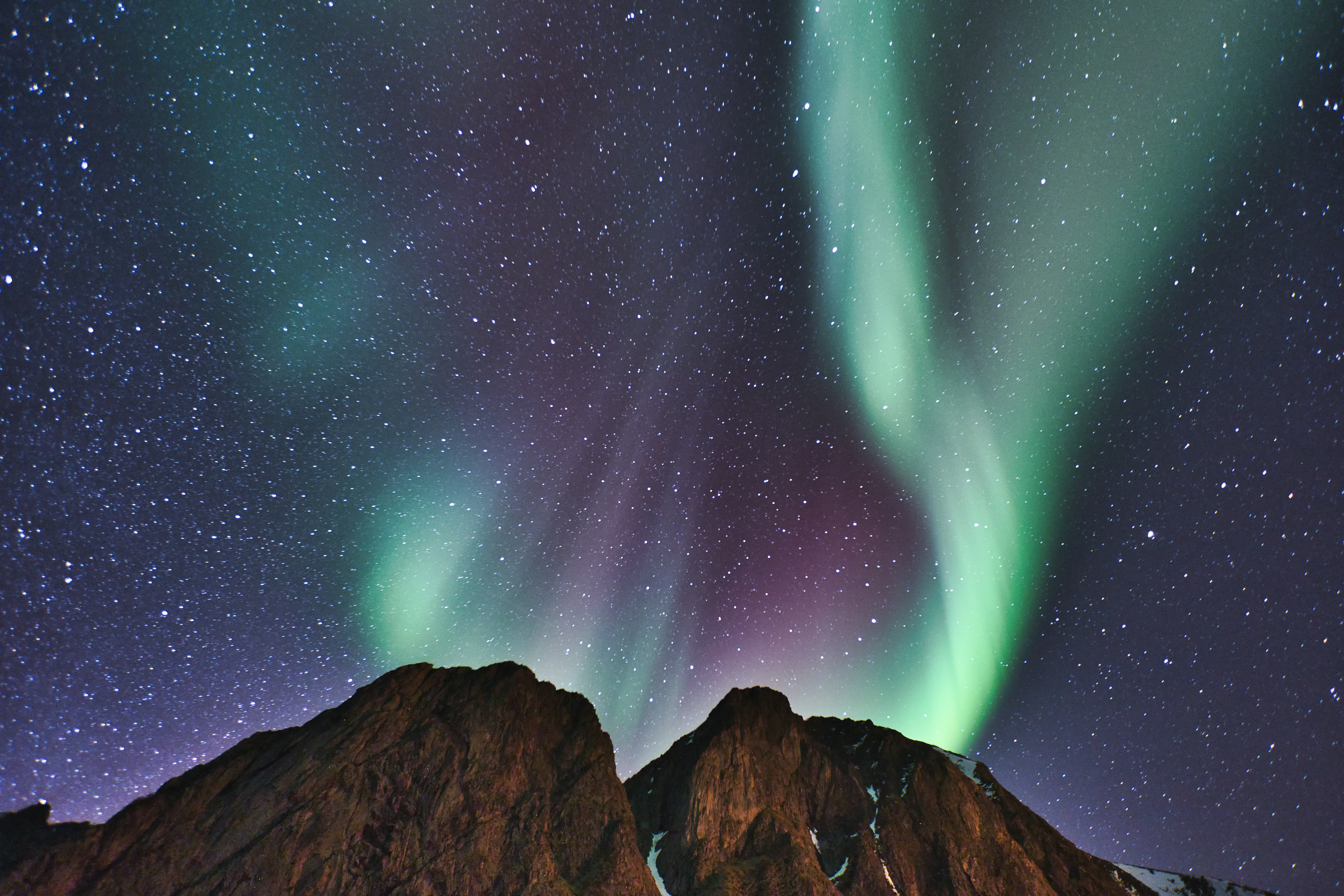
The A6000 isn’t the first camera people think of for night skies, but it’s far more capable than most give it credit for. With a fast prime—say, a 16mm f/1.4 or a Rokinon 12mm—you can easily capture sharp Milky Way shots with minimal noise at ISO 3200.
I’ve used this camera under dark desert skies, and as long as you expose properly, the results rival much newer models. There’s no intervalometer built in, but a cheap remote or app solves that.

Landscape Photography
This is where the A6000 really shines. The 24-megapixel APS-C sensor has a clean, versatile dynamic range, and the colors—especially in RAW—are flexible and forgiving. I’ve printed large landscape images from this camera, and they hold up beautifully.

It also balances weight and sharpness in a way that’s hard to beat for travel. You can hike all day with two lenses and still not feel like you’re carrying gear.

Portrait Photography
For portraits, the A6000’s autofocus and lens options make it a small but capable powerhouse. With a Sigma 56mm f/1.4, I’ve shot dozens of outdoor sessions with rich, natural skin tones and strong background separation. The eye-detection isn’t as sticky as newer models, but it still lands focus 9 out of 10 times.
The colors lean slightly cool, which I’ve come to like—it gives skin tones a clean base that grades well in post.
Also Read: 4 Best Portrait Lenses for Sony (Budget, Third-Party, Pro)

Low-Light and Indoor Shooting
This is where you learn the A6000’s limits—and its charm. It’s not a low-light monster, but it’s not helpless either. ISO 3200 is perfectly usable; 6400 can be pushed with care. Above that, you’ll need good exposure control or a forgiving client.
I’ve shot indoor events, quiet jazz clubs, and dim street scenes at night. The grain looks more like film than digital noise if you expose right. That texture has grown on me—it feels organic, not clinical.

Each of these genres has shown me something different about the A6000. It’s not perfect, but it’s honest. It rewards patience and skill instead of automation, and that’s probably why I still love it after all these years.
Autofocus and Shooting Speed
One of the biggest reasons I’ve kept the Sony A6000 all these years is its autofocus system. When it launched, the 179-point hybrid AF was a headline feature, but even now, it holds its own. It locks quickly, tracks accurately, and rarely gets lost, even with moving subjects.
I’ve used it for kids running toward the camera, cyclists in low light, and birds against bright skies. The A6000 doesn’t have the eye-tracking sophistication of the newer A6400 or A6700, but it does something equally valuable — it feels responsive. There’s a tactile immediacy to shooting with it that makes photography fun again.
Below you can see the autofocus struggling, but almost succeeding with perhaps the ultimate test–capturing a hummingbird’s wings. For the price point, that’s pretty impressive.

Continuous AF works best in bright conditions, but even indoors, I’ve managed to capture sharp action shots by pairing it with faster primes like the Sigma 30mm f/1.4. You do have to anticipate focus a little — there’s no AI-based subject recognition here — but that’s part of the charm. It rewards awareness and timing, not automation.
The burst rate of 11 frames per second still feels impressive, especially at this price. I’ve captured wildlife sequences and sports shots that hold up to serious cropping later.
Honest Customer Reviews
1. Sony A6000 – A backpacking camera – Update! (504 Upvotes)
I made my first long backpacking adventure in the Ansel Adams wilderness with the Sony A6000 camera. Wow, what a beautiful place! 8 days hiking and about 800 photos – well actually 1,700 but many of them are bracketed pictures. Anyway a great test in real world conditions.
Most importantly I was able to capture great photos! I shifted between manual, aperture, shutter, auto ISO, bracketed exposure and all the other settings seamlessly. I even switched between two lenses while on the trail! A fixed 19mm to the 55-210mm lens (I did not bring the 16-50mm Sony lens since it seems to be too fragile for trail work.) It took a while to learn where the controls are located, but once understood easy to use. I used a cheap IR remote and that worked well too. I brought a tiny tripod and that was handy – no need for the bigger tripod. The way I use it is not a point and shoot camera.
Ok so it works, but what else? The sensor is not as good for dynamic range as the Canon 5d so getting full dynamic pictures requires a bit more effort. It is much harder to get proper exposure. My solution was to use the bracketed feature – what a great feature and easy to select. It ended up that most of my shots are bracketed which triples the number and size of the files. Big deal – memory is cheap. I pick the exposure I like, then can do an HDR pass if I like. (All photos are in RAW). It works.
The camera has a panoramic setting for really wide shots. Much easier for getting those big vistas quick and dirty. I sometimes also capture for after the fact stitching, but the panoramic setting works OK – not always successfully – the feature is fussy and fails on occasion (like when there is a waterfall in the scene). But in general it’s OK
I was worried about dust, but no problem. I changed lenses about 10 times and cleaned the sensor twice. I don’t see any artifacts.
But then the battery – it eats batteries like crazy!! I went through a full charge in a single day. I carried two batteries and a solar charger. I was OK for the 8 days, but add the weight of the charger to your backpack! (I needed the charger for my iPad mini as well and was the local “power broker” for others on the hike to re-charge their iPhones – I traded charges for chocolate 🙂
I am still looking for a better manual for the camera. I still don’t some of Sony’s control names and what it does.
Still very pleased!
2. I said I wouldn’t buy one…but I did. (79 Upvotes)
I didn’t just wake up one day and say, “Screw it, I’m buying a new camera!” I actually spent quite a bit of time online reading and watching reviews from competent sources, including several who aren’t known as Sony fans. The consensus seemed to be that it is a competent camera that performs well above its price range.
Following are my impressions of my new travel companion.
Look and Feel/Menus and Customization:
While it lacks the brick-like, all-metal build of the NEX-7, it feels solid and the fit and finish is excellent. the controls are enough different from the 7’s to cause me a little fumbling at first but after a day or two, I wish the 7’s controls could be updated. The custom function buttons are very useful and the Alpha-style menu is a huge improvement (NEX-7 firmware update please, Sony!)The lower resolution viewfinder is listed as a negative on most of the review sites but I have to strain to see a difference and it handles dim light a bit better than the 7 with less color static. The rear LCD is the same as the 7 but here the new menu system is a vast improvement with a Fn button that allows direct interaction with the status indicators on the LCD sort of like the A700 DSLR. Very, very easy to access settings.
The pop-up flash features the same articulated setup as its predecessors that allows for bouncing within it power limits. My only gripe is that Sony abandoned theexcellent Minolta hotshoe for the newer “multi-interface” shoe. I will probably pick up one of the $30 adapters and a new small to medium flash that fits it directly but honestly, I seldom use flash while travelling and I am keeping my A77 (or its successor) for events and studio stuff. Come to think of it, my Alien Bees radio flash commander will fit the new hotshoe without an adapter! Ok…a small plus for the new shoe.
The only NEX-7 feature I miss is the dual rear dials while shooting in manual. Not a big deal since I use A-mode most of the time and I won’t miss the inadvertent exposure adjustment caused by the outer dial when not in manual mode. Since we’re back to controls for a moment, I have to praise the design genius that located a custom button right next to the shutter button. I have programmed it to control focus assist magnification and it has made using manual focus and fine adjustments much easier…
Video Capability and Limitations
I won’t sugarcoat this part: if your main goal is video, the A6000 is no longer ideal. It tops out at 1080p and doesn’t have 4K recording, log profiles, or a mic jack.
The short version: it’s a stills camera first, a video camera second.
Battery Life and Everyday Usability
Battery life isn’t great, but it’s predictable. I usually get about 350–400 shots per charge when shooting stills, a bit less with heavy LCD use. I carry three batteries on longer trips and rotate them — they’re small, cheap, and easy to replace.
Wi-Fi transfer feels outdated now, but it works. I’ve transferred images directly to my phone many times on the road, though it’s slow compared to today’s standards. The real advantage is the camera’s size and balance. It’s light enough to carry all day yet stable enough to mount with heavier lenses without tipping a tripod.
The more I use newer cameras, the more I appreciate the A6000’s simplicity. There’s something refreshing about having just enough control to shoot creatively without endless menus. It’s a tool that never distracts from the act of taking pictures.

Lenses That Bring Out the Best
I’ve paired this camera with over a dozen lenses, but a few stand out.
- Sigma 30mm f/1.4 DC DN: My go-to for portraits and low light. Sharp, contrasty, and compact.
- Sony 16-50mm Kit Lens: Better than it gets credit for. Soft at the edges, sure, but great for travel.
- Sony 55-210mm f/4.5-6.3: Surprisingly useful for wildlife and sports in daylight.
- Rokinon 12mm f/2: My favorite for astro — small, fast, and razor sharp when focused manually.
These lenses cover most shooting scenarios without breaking your back or your budget.
Also Read: 5 Best Lenses for Sony a6400 (+ Budget Alternatives)
Who the A6000 Is For
The Sony A6000 is perfect for enthusiast photographers who want a reliable, lightweight camera that still delivers professional-quality results. It’s ideal for travel, landscapes, portraits, and hobbyist work.
It’s less ideal for those who need weather sealing, 4K video, or advanced subject tracking. But for anyone who cares more about creating than tinkering, it’s a fantastic choice.
I’ve used it professionally and personally for years, and it still earns its spot in my bag. It’s not the newest or flashiest camera, but it’s one of the most dependable tools I’ve ever owned.
FAQ: Real-World Sony A6000 Questions
How does the Sony A6000 perform for beginners?
Honestly, it’s one of the easiest interchangeable-lens cameras to learn on. The controls make sense, the menus aren’t overwhelming once you’ve spent an afternoon with them, and the camera gives you just enough automation to build confidence. The kit lens produces clean, colorful results right out of the box, so you can focus on composition instead of fiddling with settings.
Is the Sony A6000 still worth buying in 2025?
Yes — but for the right reasons. If you’re expecting cutting-edge video or AI autofocus, you’ll be disappointed. But if you care about image quality, portability, and value, the A6000 still punches above its price. Its APS-C sensor delivers clean, detailed photos even in low light. I’ve printed 20×30-inch landscapes from it that hold up beautifully.
What kind of photographer gets the most out of this camera?
Travelers, street photographers, and anyone who enjoys shooting by instinct. The A6000’s small body makes it easy to carry everywhere, and it never feels like overkill. It’s also great for beginners who want to grow — you can start on auto, then switch to full manual once you’re ready.
How good is the A6000 for portraits?
Surprisingly good. Pair it with a fast prime like the Sigma 30mm f/1.4 or Sony 50mm f/1.8, and you’ll get that shallow-depth “pro” look with excellent sharpness and contrast. The skin tones straight out of camera lean a little cool, but that’s easy to fix in post.
Can the Sony A6000 shoot astrophotography?
Absolutely. I’ve spent nights under the desert sky with this camera and the Rokinon 12mm f/2. The noise is minimal up to ISO 3200, and the dynamic range recovers stars and foregrounds better than you’d expect. You just need a sturdy tripod and patience for manual focus.
What about macro photography?
The A6000 is excellent for close-ups. With the Sony 30mm f/3.5 Macro, you can capture fine textures and small details like watch gears or plant veins. Focus peaking helps a ton for nailing sharpness manually.
Does the Sony A6000 overheat?
Not in my experience. I’ve shot long bursts in hot weather and even video sessions that pushed past 20 minutes without issue. It warms up slightly, but nothing concerning.
How does the low-light performance compare to newer models?
The A6000 can’t match newer sensors like the A6400, but it still does well. ISO 3200 is very usable with some noise reduction, and ISO 6400 is fine for social media. With a fast lens, you can comfortably shoot indoor or night scenes.
Can I use full-frame Sony lenses on the A6000?
Yes, absolutely. The mount is the same (E-mount), but you’ll experience a 1.5× crop factor. That means a 50mm full-frame lens behaves like a 75mm equivalent — great for portraits but not wide-angle work.
Is the Sony A6000 weather-sealed?
No. It’s sturdy, but not sealed. I’ve used it in light mist and beach wind without problems, but I wouldn’t risk heavy rain. A simple rain cover solves that if you need protection.
How fast is the autofocus for sports or action?
It’s quick enough to track casual sports, pets, or kids in motion. The key is using continuous AF (AF-C) and keeping your subject in the focus area. It’s not a pro sports camera, but it’s capable if you learn its rhythm.
How do you get the best color out of the Sony A6000?
Shoot in RAW and edit in Lightroom or Capture One. The JPEGs are fine, but RAW files let you adjust color balance and contrast more naturally. For warmer tones, I usually set white balance to “Shade” or “Cloudy” instead of Auto.
Is it good for travel photography in 2025?
Still one of the best travel cameras around. Light, durable, and discreet — it draws less attention than a DSLR, and you can sling it all day without fatigue. The battery life is modest, but carrying extras fixes that.
Can it connect to a smartphone?
Yes, though the process feels dated. The PlayMemories app works, but it’s slow. I use it mostly to transfer a few preview shots on the go, then do my main edits later.
How does it compare to the Sony A6400 or A6700?
The newer models offer better autofocus, 4K video, and weather sealing, but they don’t make the A6000 obsolete. If your priority is photography, the difference isn’t dramatic. What changes is convenience, not image quality.
Should beginners buy the A6000 or a newer camera?
If you’re just starting out, the A6000 is perfect. It teaches you the fundamentals without overwhelming menus or heavy costs. If you plan to do a lot of video, though, consider the ZV-E10 instead.
What are the best lenses for the A6000 in 2025?
For versatility, the Sony 18-135mm. For portraits, the Sigma 56mm f/1.4. For landscapes, the Rokinon 12mm f/2. And for travel, the compact 16-50mm kit lens is still hard to beat for its size.
Is it still a good backup or second body?
Yes. It’s small enough to live in your bag as a backup for travel or events, and it takes the same batteries as several newer APS-C models. I still use mine as a reliable second shooter during portrait sessions.
Final thoughts — do I still use the A6000 today?
Every week. It’s my grab-and-go camera — the one I take when I don’t want to think about gear. After years of testing newer models, I still find myself reaching for it because it just works.
This post contains affiliate links. If you purchase through these links, I may earn a small commission at no extra cost to you. As an Amazon Associate, I earn from qualifying purchases and stand behind all of my recommendations.




Leave a Reply