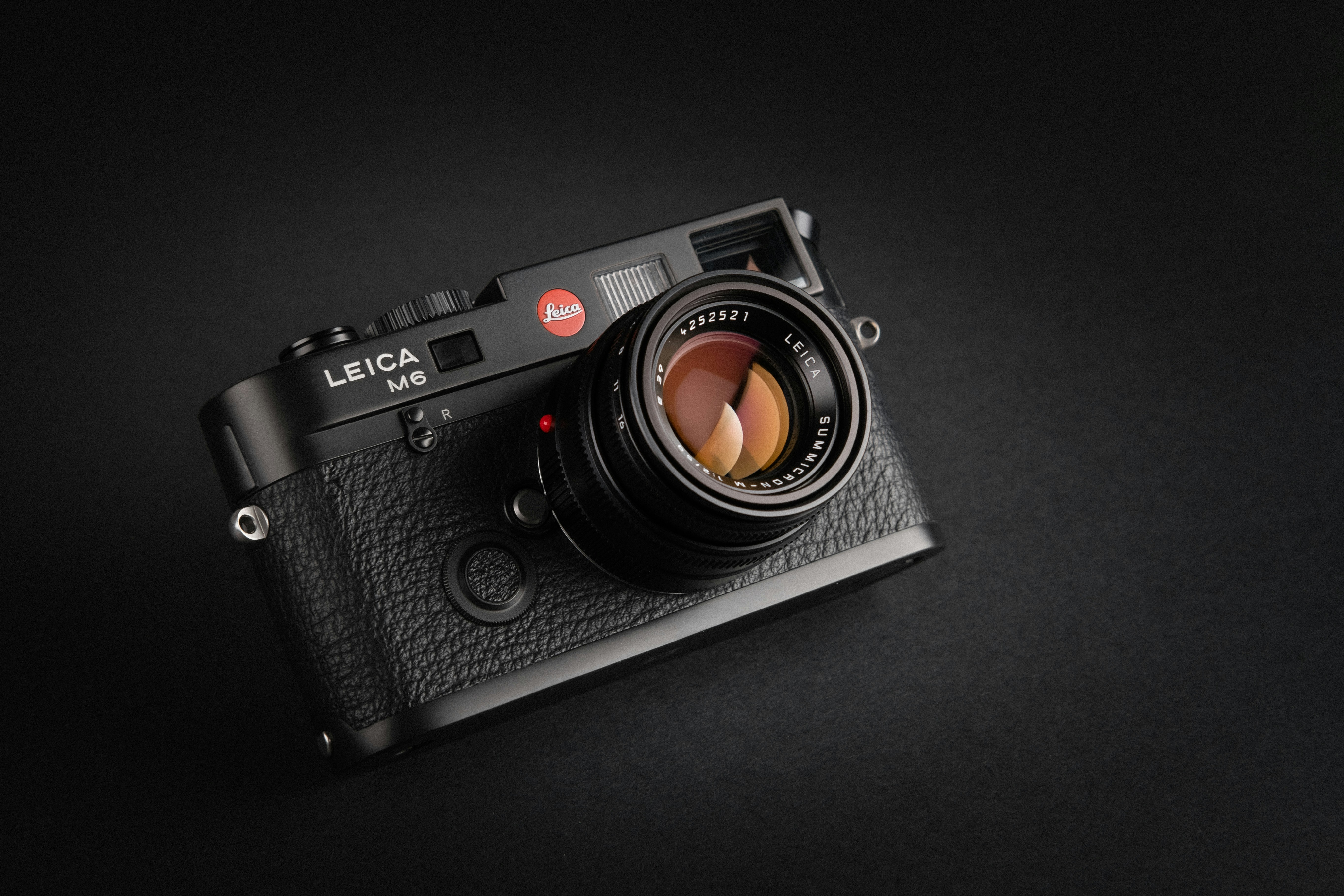
I’ve spent years shooting with Leica cameras — not just borrowing them for a weekend, but actually living with them in my bag, traveling with them, and trusting them during paid work.
I’ve tried the M bodies for slow, thoughtful photography, the Leica Q for everyday carry and travel, and the SL system when I needed the flexibility of interchangeable lenses and strong video performance.
People always ask me the same question: “What’s the best Leica camera?” The truth is, Leica doesn’t really do bad cameras. They each serve a different kind of photographer.
So instead of giving you a one-size-fits-all answer, this guide breaks down the best Leica for beginners, the best Leica for travel photography, the best Leica for portraits and low light, and which Leica is actually worth the splurge if you’re ready to go all-in.
Along the way, I’ll explain what each model does better than the others, where it struggles, and who should choose which. I’ll even include Leica vs Leica sections so you can see how the Q compares to the M, how the SL stacks up against its pricier siblings, and whether a used Leica might be the smartest purchase of all.
If you’re trying to decide which Leica camera belongs in your hands — this is the guide I wish I had before I bought my first one.
Best Leica for Portraits
Leica SL2

The full-frame powerhouse that makes people look like art.
I’ve used the SL2 for portraits in everything from quiet home studios to golden-hour chaos outdoors, and every time, it delivers that unmistakable “Leica richness.”

Skin looks dimensional, warm, and human. The files feel like they’re already halfway retouched without losing any of the realness.
Women, men, wrinkles, freckles — everything looks intentional.
Pros
• Huge dynamic range that loves natural light
• 47 MP resolution lets you crop without fear
• In-body stabilization keeps portraits sharp handheld
• EVF is enormous and beautiful to work through
• Weather sealing means you never hesitate outdoors
• Works with excellent Sigma Art primes for sensible money
Cons
• Not a light camera — your shoulders will complain
• Leica native lenses can cost as much as a used car
• Autofocus software isn’t as futuristic as Sony or Canon
• Battery life is fine, not great
• Files are big — you’ll need real storage
Best portrait lenses for Leica SL2
Sigma 85mm f/1.4 DG DN Art — creamy bokeh and quick focus
Sigma 35mm f/1.4 DG DN Art — perfect environmental storytelling
Leica APO-Summicron-SL 90mm — if you want unfair beauty
SL2 vs SL2-S
SL2-S: cleaner in low light
SL2: more detail for print and commercial work
I chose the SL2 because portraits deserve resolution. But if video matters, the SL2-S is the smarter call.
SL2 vs Q3
Q3 is discreet, fast, and perfect for travel stories
SL2 is for portrait sessions where lens choice matters
Verdict
If you want to photograph people in a way that makes them feel like they belong on a magazine cover — and you’re willing to carry a camera that takes itself seriously — the SL2 is a thrill every time you click the shutter.
Best Leica for Travel
Leica Q3

Effortless storytelling in a single camera.
I took the Q3 on a fast, messy trip where I knew I wouldn’t have time to baby gear: trains, rain, crowded markets, dim restaurants, sunrise rooftops. It’s the Leica that lets you live the day first and still come home with photographs that feel intentional.
The 28mm lens is razor-sharp, autofocus is finally confident, and the tilt screen saves your back when you’re shooting low in tight spaces.
Pros
• Full-frame files with gorgeous color and latitude
• Autofocus is quick and sticky for a Leica compact
• Weather sealing that actually calms you down in bad weather
• Tilt screen for low/high angles without attracting attention
• Macro mode on the 28mm for detail shots on the fly
• Stabilization and high ISO performance that keep night scenes usable
• One battery and a pocket of cards cover a full travel day
Cons
• Fixed 28mm isn’t everyone’s favorite focal length
• Digital crop modes are convenient but not the same as a real 50/75
• Not the lightest compact; you’ll feel it by hour twelve
• Menu cadence still feels “Leica”—slower than consumer brands
• If you’re lens-curious, a fixed lens can feel limiting on long trips
Best travel add-ons and settings
• 49mm variable ND for wide-open daylight candids
• Slim wrist strap for museums and crowded metros; shoulder strap for long walks
• Auto-ISO cap around 6400, minimum shutter 1/125 for people, 1/250 for motion
• Shoot RAW+JPEG; the Leica JPEGs are lovely when you’re posting on the go
Q3 vs Q2
Q2 is still excellent if you find a good price used or renewed. The Q3’s autofocus, tilt screen, and overall responsiveness are noticeable upgrades when you’re moving fast. If you rarely shoot in the dark and don’t need the tilt screen, a clean Q2 can be the smarter buy.


Q3 vs M11
M11 is poetry. Q3 is journalism. If you want to participate in the flow of a place — street vendors, trains, kids darting through frames — Q3. If you want to slow down and build scenes one focus patch at a time, M11.
Q3 vs D-Lux 7
The D-Lux 7 is lighter and cheaper, and the zoom is convenient. But when you zoom into files later, the Q3’s full-frame sensor is a different league. If you care about low-light restaurants, interiors, and night streets, the Q3 earns its ticket.
Verdict
Travelers who want one camera that refuses to miss the moment will love the Q3. If you’re okay committing to 28mm and you value being present over swapping lenses, this is the Leica you carry every day — from airport gate to midnight noodles — and never feel under-gunned.
Best Leica for Street Photography
Leica M10-R

The quiet instrument that rewards patience.
I carry the M10-R on days when I want the camera to disappear and the world to speak. The body is slim, the shutter is gentle, and the files have headroom that forgives mistakes without killing the mood. Manual focus forces me to pre-visualize and commit. I shoot slower, but I see more.
Pros
• Slim M body that stays unobtrusive in crowds
• Beautifully quiet shutter that doesn’t break a scene
• 40 MP sensor with flexible RAW files and strong dynamic range
• Optical rangefinder encourages anticipation and timing
• Battery and controls feel straightforward once muscle memory kicks in
Cons
• Manual focus only; you must enjoy the process
• Rangefinder framelines can be imprecise at close distances
• No IBIS; low light demands steady hands or faster glass
• Weather resistance is limited compared with sealed compacts
• Learning curve if you’re coming from AF mirrorless
Best lenses and small add-ons for street
• 35mm Summicron-M (any modern version): the do-everything street focal length
• 28mm Summicron-M: tighter spaces, layered scenes, travel alleys
• 50mm Summilux-M: night streets, subject isolation, character rendering
• Soft-release button: smoother actuation for quieter, steadier shots
• Thin wrist strap: keeps the camera ready without advertising it
M10-R vs M11
M11 gives you more resolution and latitude and a larger battery, but it also feels a bit more clinical. The M10-R balances modern files with classic handling. If you print huge or love extreme crops, M11. If you want the most “invisible” feeling M body, M10-R.
M10-R vs Q2 Monochrom
Q2 Monochrom is point-and-shoot black-and-white brilliance with autofocus and weather sealing. If you live solely in B&W and want speed, it’s addictive. If you want color when you need it and the pure rangefinder experience, M10-R.
M10-R vs Q3
Q3 nails fleeting moments with AF, stabilization, and a tilt screen. If you sprint after action, Q3 makes sense. If your street style is about anticipation, spacing, and rhythm, M10-R keeps you honest and present.
Verdict
Choose the M10-R if the act of photographing is part of why you’re out there. If you like to pre-focus, watch light, and collect gestures quietly, it rewards you with files that are generous and a shooting experience that feels like craft rather than consumption.
Best Leica for Landscapes
Leica M11

The high-resolution purist.
When the goal is to bring home files that hold up at print sizes bigger than your kitchen table, the M11 earns its spot. The 60 MP sensor captures micro-contrast, subtle color shifts at dawn, and the kind of highlight recovery that saves thin clouds you barely noticed in the moment. It slows me down just enough to make cleaner decisions: tripod, composition, horizon, focus. The process suits the subject.
Pros
• 60 MP full-frame sensor with exceptional dynamic range
• Flexible RAW files that tolerate aggressive dodging and burning
• Base ISO performance that makes sunrise and blue hour sing
• Compact body for long hikes where every gram counts
• Battery life is stronger than older M bodies
Cons
• Manual focus for landscapes is precise but slower in wind or cold
• No IBIS; you’ll want a tripod for critical sharpness
• Weather resistance is limited; storms require caution
• EVF add-on helps, but it’s one more piece of kit
• High-resolution files demand a disciplined technique and good glass
Best lenses and accessories for landscapes
• 28mm Summicron-M or Elmarit-M: wide scenes without distortion drama
• 35mm APO-Summicron-M: edge-to-edge perfection for layered vistas
• 50mm APO-Summicron-M: minimalism and distant compression
• Lightweight carbon tripod with a compact ball head
• Clip-on EVF for precise framing and focus peaking on critical shots
• Circular polarizer and a soft-grad ND in a slim holder
M11 vs SL2
SL2 brings IBIS, weather sealing, and an EVF that makes long sessions easier. If you prefer zooms or shoot in rough weather, the SL2 is friendlier. The M11 gives you ultimate image quality in a smaller body if you’re willing to work slower.
M11 vs SL2-S
SL2-S has lower resolution but cleaner high ISO and better video. For nightscapes and timelapses in mixed conditions, SL2-S is more forgiving. For gigantic prints and daylight/magic-hour detail, M11.
M11 vs Q3
Q3’s stabilization, autofocus, and macro mode make it a flexible travel landscape tool. If you’re hiking light and shooting handheld, it’s brilliant. If your style is tripod, grads, and exacting compositions, the M11’s files reward discipline.
Verdict
Pick the M11 if landscape photography is your quiet sport and printing big is part of the plan. It’s not the fastest path to a finished image, but it’s the one that consistently gives you headroom — the kind that keeps you rediscovering detail months after you thought you were done.
Best Leica for Video
Leica SL2-S

The hybrid body that finally takes video seriously.
The SL2-S is the Leica body I trust when moving images matter. It trades sheer resolution for cleaner high ISO, robust codecs, and stabilization that smooths handheld work without turning footage to jelly. Menus are straightforward, color is elegant, and the L-mount gives you a deep bench of native and third-party lenses.
Pros
• Excellent low-light performance with pleasing grain structure
• 10-bit internal recording and solid codec options
• In-body stabilization suitable for handheld walk-and-talks
• Reliable thermals; resists overheating in normal use
• Color science that grades beautifully without fighting skintones
• L-mount ecosystem with Leica, Sigma, Panasonic options
Cons
• Autofocus tracking is behind Sony/Canon for fast subjects
• Heavier than most mirrorless video rivals
• Battery life is decent, not class-leading for all-day shoots
• High-end Leica SL glass is expensive
Recommended lenses and accessories for video
• Panasonic Lumix S 24–105mm f/4: versatile range, OIS, budget-friendly
• Sigma 24–70mm f/2.8 DG DN Art: event work, interviews, B-roll
• Variable ND (high quality), top handle, compact on-camera mic, two fast cards
SL2-S vs SL2
SL2 offers higher stills resolution; SL2-S has cleaner high ISO and friendlier video specs. For true hybrid shooters leaning video, SL2-S wins.
SL2-S vs Q3
Q3’s video is capable for travel clips, but SL2-S is the professional option with better codecs, thermal headroom, and lens flexibility.
SL2-S vs Panasonic S5II(X)
S5II(X) autofocus and price are compelling; SL2-S wins on build, EVF, color, and the Leica shooting experience. If AF is mission-critical, weigh this carefully.
Verdict
Choose the SL2-S if video is a core deliverable and you still want Leica’s stills quality and color. It’s the most dependable moving-image tool in the lineup.
Best Compact Leica
Leica D-Lux 8

The small camera that does more than it looks.
The D-Lux 8 is the pragmatic side of Leica: compact body, useful zoom, and image quality that holds up for travel, family, and everyday documentary work. It won’t replace full-frame in low light, but it will be the camera you actually carry.
Pros
• Compact and lightweight with a genuinely useful zoom range
• Crisp Micro Four Thirds image quality with pleasing color
• Good stabilization for handheld shooting
• USB charging and simple controls for daily carry
• Much friendlier price than Q-series bodies
Cons
• Smaller sensor means earlier noise in dim scenes
• AF is fine for everyday use, not for demanding action
• Not weather-sealed
• Limited shallow depth-of-field compared to full-frame
Recommended accessories
• Small wrist strap, slim protective filter, extra battery, compact travel charger
D-Lux 8 vs Q3
Q3 wins on low light, dynamic range, and overall depth. D-Lux 7 wins on size, price, and flexibility from the zoom.
D-Lux 8 vs Panasonic LX100 II
They’re close cousins. The D-Lux 7 offers Leica’s ergonomics and color tuning; the LX100 II can be a better value if branding isn’t important.
Verdict
Pick the D-Lux 7 if you want a compact Leica that travels light, covers most scenes, and doesn’t demand a new lens ecosystem.
Best Leica for Black & White Purists
Leica Q2 Monochrom

The commitment that pays you back every single frame.
A dedicated monochrome sensor changes everything: more acuity, deeper tonality, and noise that looks organic instead of digital. The Q2 Monochrom makes black-and-white the main course, not a filter, and rewards anyone who loves light and shadow more than color.
Pros
• Monochrome sensor delivers exquisite detail and tonal separation
• Full-frame with fast, sharp 28mm Summilux-class lens
• Weather-sealed body for shooting in real conditions
• Stabilization and solid high-ISO performance for night work
• Simple, distraction-free workflow focused on luminance
Cons
• Fixed focal length; composition demands footwork
• No color safety net — you must be committed
• Larger and heavier than most compact cameras
• AF is good, not sports-camera good
Helpful accessories
• High-quality yellow/green/orange filters to shape contrast
• Variable ND for shooting wide open outdoors
• Wrist strap for discrete carry
Q2 Monochrom vs M11 Monochrom
M11M offers lens choice and ultimate resolution/control. Q2M is faster, sealed, and simpler. If you want to work quickly and travel light, Q2M. If you crave the M experience and flexibility, M11M.
Q2 Monochrom vs Q3
Q3 gives color, AF upgrades, and more generalist capability. Q2M is a creative statement — if black-and-white is your language, it’s the more inspiring tool.
Verdict
Choose the Q2 Monochrom if you want your camera to encourage a way of seeing. It’s not for everyone, but for the right photographer, nothing else feels the same.
Best Leica Film Camera
Leica M6

The mechanical heart of Leica, still beating strong.
The M6 pairs a mechanical rangefinder body with a built-in light meter. It’s simple, durable, and transparent in use — exactly what you want if you’re serious about learning film. It also holds value better than almost any camera you can buy.
Pros
• Classic M handling with a meter that keeps you honest
• Built to last; serviceable for decades
• Immense lens ecosystem with character for days
• Resale value remains exceptionally strong
Cons
• Film costs add up quickly in 2025
• No modern weather sealing
• Rangefinder calibration and CLA are real maintenance items
• Manual everything; there’s a learning curve
M6 vs M-A
M-A is purely mechanical with no meter — romantic but slower to use. M6’s meter makes it the better daily film shooter for most people.
M6 vs used M7
M7 adds aperture priority and electronic shutter, but parts and service are trickier. The M6 is the safer long-term choice.
Verdict
Choose the M6 if you want the canonical Leica film experience with a meter to keep you moving. It teaches discipline, rewards patience, and creates images with a signature you can feel.
FAQs About Buying a Leica
Is a Leica really worth the money, or is it just hype?
If you’re only looking at specs, you’ll never justify a Leica. There are cheaper cameras that autofocus faster, shoot bursts quicker, and have more megapixels. The value comes from how a Leica feels in your hands and how it changes the way you work. These cameras push you to slow down and make more intentional images. Some photographers call that hype. Others call it the missing piece they didn’t know they needed.
What’s the best Leica for a beginner?
If you want to actually enjoy the learning process, the SL2-S is the most forgiving. The original Leica Q is also a brilliant starting point because there’s only one lens to think about and the results look fantastic almost no matter what.
Why are Leica lenses so expensive?
Leica designs and builds lenses with extremely tight tolerances, using specialty glass and long, meticulous assembly. You’re not just paying for sharpness. You’re paying for how the image looks: micro-contrast, rendering, transitions, the way flare behaves. Most Leica shooters consider the glass to be the soul of the system.
Should I buy Leica new or used?
Unless you absolutely need the latest flagship on day one, used or renewed is the smartest way to buy. Leica cameras hold up over time and are built to be serviced. A gently used Q, M, or SL body will still feel new and save you thousands.
Will a Leica make me a better photographer?
Not instantly. But Leicas tend to strip away distractions and encourage you to compose more thoughtfully. Over time, that can raise your game. The camera doesn’t make the photographer, but the right camera can change your process — and that affects your results.
Is manual focus on a Leica M hard to learn?
It feels awkward for the first week. After that, many shooters find it faster and more intuitive than menus and subject-tracking. Rangefinders are a skill, not an obstacle. The payoff is huge once it clicks.
Can I use third-party lenses on Leica cameras?
On the SL and SL2-S bodies, absolutely — and many people do. L-mount has a healthy ecosystem from Sigma and Panasonic. On M bodies, adapted lenses work too, though the magic usually comes from native Leica M glass.
Does Leica shoot good video?
The SL series is rock solid for video: internal 10-bit, great color, clean ergonomics. The Q cameras shoot decent clips, but they aren’t video-focused. M bodies are still photography first, always.
What’s the best Leica for travel?
The Q series is the sweet spot. Light, fast, weather resistant, and the lens alone would cost a fortune if sold separately. It feels like it was made to live in a shoulder bag.
Do Leica cameras need special care?
Not really. Keep the sensor clean, don’t drop it off a cliff, and get it serviced every few years if you shoot hard. They’re metal, not crystal.
How long will a Leica last?
M bodies and manual lenses can outlive you. Seriously. There are 50-year-old Leica cameras still working daily. The digital bodies aren’t immortal, but the lifespan is much longer than most consumer systems.
What’s the cheapest way to get into Leica?
Used Leica Q. Second-place: used SL2-S with one good lens from Sigma or Panasonic. Both deliver the color and feel Leica is known for without financial pain.
What’s the ultimate Leica setup if money doesn’t matter?
An SL2-S for flexibility and an M6 or M11 for soul, paired with two or three great M lenses. That’s the combination you never regret.
Are Leica cameras good for low light?
Yes — especially the SL2-S and the Q series. The files stay clean deeper into the ISO range than you expect. M bodies depend on the lens and the photographer’s steady hands.
What kind of photographer should not buy a Leica?
If you love rapid-fire sports, heavy autofocus reliance, or the absolute bleeding-edge tech race, Leica might frustrate you. These cameras reward intention, not automation.





Leave a Reply