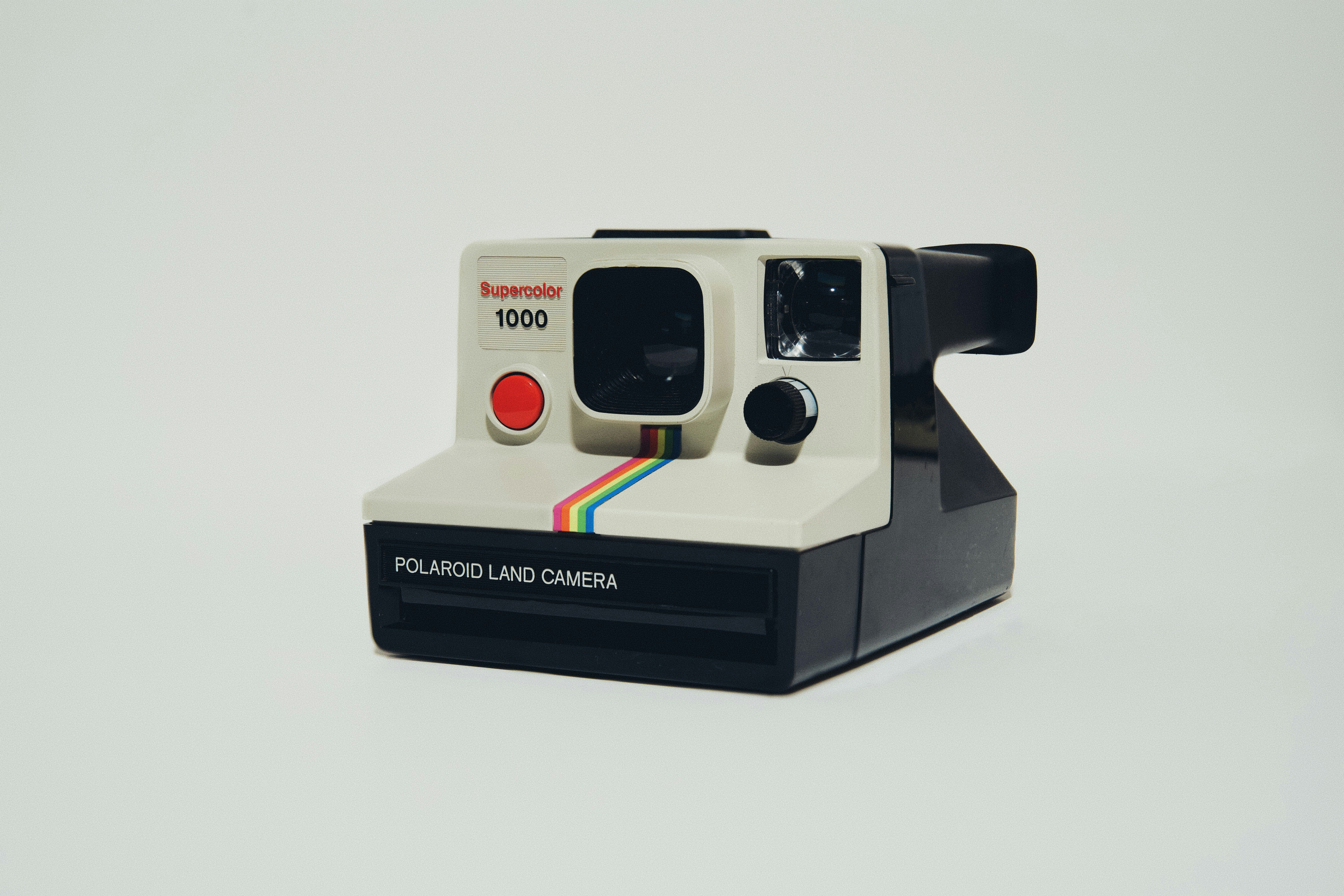
Few brands in photography carry as much instant recognition as Polaroid. Since the 1970s, Polaroid has defined instant photography with its square prints, dreamy tones, and cameras that were as much cultural icons as they were tools. While Fujifilm and Kodak have carved out their niches, Polaroid remains the go-to for anyone who wants that retro aesthetic that no other brand can truly replicate.
In 2025, Polaroid offers a lineup that caters to different needs. Whether you’re searching for the best Polaroid camera for beginners, the best compact Polaroid for teens, or a premium Polaroid with creative controls, there’s a model that fits. This guide breaks down the top Polaroid cameras available right now, complete with specs, pros and cons, film costs, and user recommendations.
Also Read: Best Instant Cameras for Every Brand & Age
How We Chose the Best Polaroid Cameras
Polaroid’s product line is smaller than Fujifilm’s Instax range, but each camera offers a different balance of style, usability, and creative freedom. To determine the best Polaroid cameras in 2025, we considered:
- Image Quality & Print Size – Sharpness, exposure control, and the classic square Polaroid format.
- Ease of Use – Can a beginner pick it up and start shooting immediately?
- Film Type & Cost – Availability of Polaroid i-Type, 600, and Go films, plus cost per print.
- Build Quality & Design – Durability, portability, and whether the camera feels premium.
- Creative Features – Autofocus, app controls, special shooting modes like double exposure.
- Value for Money – How well the camera’s features and performance justify its price.
Quick Comparison Table – Best Polaroid Cameras
Quick Comparison Table – Best Polaroid Cameras
| Camera | Best For | Price Range | Film Type | Key Features | Rating |
|---|---|---|---|---|---|
| Polaroid Now 3rd Gen i-Type | Best Overall | $130–$150 | i-Type, 600 | Autofocus, improved flash, iconic Polaroid prints | 4.7/5 |
| Polaroid Go | Best Compact | $100–$120 | Polaroid Go Film | Smallest Polaroid, selfie mirror, USB charging | 4.4/5 |
| Polaroid Lab | Best Hybrid | $120–$140 | i-Type, 600 | Turns smartphone photos into Polaroid prints | 4.3/5 |
| Polaroid Supercolor 635 CL | Best Vintage | $70–$200 (used) | 600 | Classic 1980s Polaroid, fixed lens, built-in flash | 4.2/5 |
Best Overall Polaroid Camera: Polaroid Now 3rd Generation i-Type

The Polaroid Now 3rd Gen is the most balanced option in Polaroid’s lineup. It refines the classic Polaroid experience with modern upgrades like improved autofocus and a stronger flash system, while still delivering the large, square-format prints Polaroid is famous for. It’s simple enough for beginners, but capable enough for enthusiasts who want reliable instant results.
Key Specs
- Film Type: Polaroid i-Type and 600
- Lens: Dual-lens autofocus system
- Flash: Upgraded flash for consistent exposure
- Battery: Rechargeable USB-C (up to 15 packs of film per charge)
- Price Range: $130–$150
- Weight: ~455 g
Pros
- Classic full-size Polaroid prints
- Reliable autofocus for sharper shots
- Compatible with both modern i-Type and vintage 600 film
- Rechargeable battery with USB-C convenience
- Easy point-and-shoot usability
Cons
- Film costs are among the highest (~$2.50 per print)
- Bulkier than most Fujifilm and Kodak instant cameras
- Developing time is slower than Instax film
Best for anyone who wants the truest Polaroid experience with modern usability. It’s the best all-around option for beginners and casual photographers who want the iconic look without hassle.
Best Compact Polaroid Camera: Polaroid Go

The Polaroid Go is the smallest instant camera Polaroid has ever made, designed for portability and fun. It produces miniature Polaroid prints and comes in a pocket-friendly body, making it especially appealing for teens or travelers who want the Polaroid style without carrying a bulky camera.
Key Specs
- Film Type: Polaroid Go Film (mini square format)
- Lens: Fixed-focus lens with selfie mirror
- Flash: Built-in, automatic
- Battery: Rechargeable via USB (up to 15 packs of film per charge)
- Price Range: $100–$120
- Weight: 242 g
Pros
- Extremely compact and lightweight
- Fun, stylish design with accessories like filters and straps
- Rechargeable — no AA batteries required
- Unique mini Polaroid prints
Cons
- Prints are much smaller than standard Polaroid film
- Film cost is high relative to size (~$1.25 per tiny print)
- Fewer creative features
Best for teens and casual users who want a playful, highly portable Polaroid that’s easy to carry everywhere.
Best Vintage Polaroid Camera: Polaroid Supercolor 635 CL

The Polaroid Supercolor 635 CL, first released in the 1980s, is one of the most iconic cameras from Polaroid’s golden era. Unlike the modern i-Type cameras, the 635 CL was built for Polaroid’s 600 film, which is still produced today by Polaroid Originals. This model is a popular choice for collectors and enthusiasts who want the authentic vintage Polaroid experience.
Key Specs
- Film Type: Polaroid 600 film
- Lens: Fixed-focus 116mm lens
- Exposure: Built-in Light Management System (slider for darken/lighten)
- Flash: Built-in electronic flash with red button release
- Battery: Built into the film pack (no need for separate charging)
- Price Range: $100–$200 on the used market, depending on condition
Pros
- Classic 1980s Polaroid design and build
- Works seamlessly with modern Polaroid 600 film
- Built-in flash makes it easy to use indoors and outdoors
- No charging required — film pack provides the battery
- Strong nostalgic and collector appeal
Cons
- Bulky and heavier than modern Polaroids
- No autofocus or advanced shooting modes
- Used units may show wear, and reliability can vary
- Film is expensive (~$2.75 per shot)
Best for collectors, retro photography fans, and anyone who wants to shoot with a real piece of Polaroid history. The Supercolor 635 CL offers the tactile, mechanical Polaroid experience that defined instant photography for a generation, though at a higher ongoing cost.
Best Hybrid Polaroid Camera: Polaroid Lab

The Polaroid Lab isn’t a camera in the traditional sense — it’s a bridge between digital and analog. By placing your smartphone over its lens, the Lab turns digital images into genuine Polaroid prints using i-Type or 600 film. It’s not about capturing the moment instantly but transforming your favorite phone photos into tangible Polaroid keepsakes.
Key Specs
- Film Type: Polaroid i-Type and 600
- Input: Smartphone screen via Polaroid app
- Features: Can create collages and double exposures
- Battery: Rechargeable
- Price Range: $120–$140
- Weight: ~465 g
Pros
- Turns digital images into true Polaroid prints
- Works with both modern i-Type and vintage 600 film
- Can create collages and layered effects through app
- Rechargeable battery
Cons
- Not a camera in the traditional sense
- Requires a smartphone to work
- Film costs are the same as other Polaroids
Best for smartphone photographers who want the Polaroid look without carrying an instant camera. It’s perfect for people who shoot on their phones but want analog prints for gifts, scrapbooks, or displays.
Polaroid Film Types and Costs
Film is where Polaroid differs most from Fujifilm and Kodak. Polaroid prints are larger, have a unique vintage look, and cost significantly more per shot. Here’s a breakdown of the main film types available in 2025 and what you can expect to pay.
| Film Type | Compatible Cameras | Price (per pack) | Prints per Pack | Cost per Photo | Print Size | Availability |
|---|---|---|---|---|---|---|
| Polaroid i-Type | Polaroid Now Gen 3, Now+ | ~$20 | 8 | ~$2.50 | 3.1” × 3.1” | Online, Polaroid specialty retailers |
| Polaroid 600 | Works with vintage Polaroid 600 + modern i-Type cameras | ~$22 | 8 | ~$2.75 | 3.1” × 3.1” | Online, camera shops |
| Polaroid Go Film | Polaroid Go | ~$20 | 16 | ~$1.25 | 2.6” × 2.1” | Online, Polaroid retailers |
Polaroid Film Options
i-Type is what the modern Polaroids run on. It’s basically the same size as the old 600 packs, just a touch cheaper because it doesn’t have a battery stuffed inside.
The new cameras carry their own charge, so you don’t need that extra. If you’re shooting with a vintage body, though, you’ll be buying 600 film — works fine, just costs a little more.
Then there’s Go film, which cuts the price per shot, but the prints are small and playful. Think stickers for your fridge, not gallery wall art.
And yeah, all of them cost more than Instax. That’s the trade-off: you’re paying for the look, not the bargain.
Special Picks for Different Users
Not every Polaroid fits the same kind of shooter. Here’s how I’d break it down.
Best Polaroid Camera for Teens: Polaroid Go
This is the fun one. Tiny, rechargeable, easy to slip into a pocket. Prints are small but they still feel “real” in a way digital never will. Perfect for passing around at hangouts.
Best Polaroid Camera for Creative Users: Polaroid Now+
If you’re into experimenting, this is your toy. The app gives you double exposures, light painting, and other tricks that turn a nostalgic camera into something you can actually push creatively.
Best Polaroid Camera for Beginners: Polaroid Now Gen 3
Straightforward, reliable, and makes the big classic square shots you probably picture when you think “Polaroid.” Nothing fancy, just the magic of point, click, print.
Tips for Shooting Better Polaroids
Polaroid film doesn’t forgive mistakes like digital does.
Light is king — shoot near windows, outside, or somewhere bright.
Frame carefully, because every click costs you a couple bucks.
Don’t store your film packs in hot cars or damp basements, they’ll turn useless fast.
And honestly? Embrace the weird. A blurry face or blown-out highlight can end up looking cooler than a technically “perfect” shot. That’s kind of the whole point.
Polaroid vs Instax – Which camp are you in?
This is the first fork in the road for anyone poking around instant cameras. Instax is cheaper, faster, everywhere.
You can pick up a pack of film at Target or Walmart, and your photos pop in about 90 seconds. But they’re small. Wallet-sized. Fun for parties but not exactly the type of print you’d hang on your wall.
Polaroid? Different beast. Bigger prints, dreamier look. They’re moody, sometimes unpredictable — honestly, that’s part of the magic.
You pay more (around two bucks a shot, sometimes more if you buy the wrong pack), but you also get that vintage feel you just can’t fake. It’s not for everyone, but if the look matters to you more than the cost, Polaroid is the one.
How long do Polaroid photos last?
This comes up a lot. The good news: modern film is way better than the stuff from the 70s and 80s. If you keep your shots out of direct sunlight and don’t leave them on your car dashboard, they’ll hold up for decades.
I’ve got a box of prints from 2015 that look exactly the same today. Stick them in an album and they’ll probably outlive you.
Where to buy the darn things
New models? Easy. Amazon. Film too. If you’re hunting vintage (like that Supercolor 635 CL we talked about earlier), you’ll want to check eBay, Etsy, or specialty camera shops.
Prices bounce all over the place depending on condition. Don’t be surprised if you see “refurbished” stickers on the 80s models — most of them need a little TLC to keep kicking.
How not to go broke on film
Polaroid is expensive, no way around it. You can take the edge off by buying in bulk — three-packs usually shave a few cents off per shot. Learn to shoot with good light so you’re not tossing half your pack on muddy exposures.
And if you’re the type who wants to test angles, maybe do it with your phone first, then commit to the Polaroid once you know the shot’s good. The Lab is clever for that: take a photo on your phone, print it as a Polaroid, zero waste.
Take care of your camera (it’ll return the favor)
Polaroids are sturdy but not indestructible. Keep them dry. Don’t toss them in a sandy beach bag. If you’re carrying one around a lot, spend the twenty bucks on a padded bag. Vintage gear especially needs love — light seals rot, flash capacitors wear down.
Luckily, there are plenty of folks online who still repair them. Treat it like a classic car: it’ll run for years, but only if you give it a tune-up now and then.
Getting creative with it
Here’s the fun part. Polaroids aren’t about perfect exposure charts or pixel peeping. They’re about experimenting. Try shooting in hard light for sharp shadows, or under neon signs for that 80s diner vibe.
Decorate the borders with sharpies, give them away at parties, start a photo wall in your kitchen. Every shot costs you, sure, but that’s why they feel valuable.
When you hand somebody a Polaroid, you’re handing them an object, not just a file floating in the cloud.
Final Thoughts
Polaroid cameras remain the gold standard for anyone who wants instant photos with character.
The Polaroid Now Gen 3 is the best all-around choice, balancing price and usability.
The Now+ is the premium pick for creatives, while the Polaroid Go offers a fun, portable alternative for teens and casual users.
The Polaroid Lab is a clever hybrid tool that lets smartphone photographers tap into Polaroid’s unique aesthetic.
If you value affordability, Fujifilm Instax might suit you better. But if you want iconic, large-format instant prints that carry a vintage feel no one else can match, then Polaroid is still the name to trust.
FAQ
Do Polaroid photos fade?
They can, yeah. Especially if you just leave them out on the fridge in direct sunlight or toss them in a shoebox in the garage. Modern Polaroid film is a lot more stable than the 70s and 80s stuff, but it’s still chemistry on paper. Treat them like you would any photograph: keep them out of the sun, maybe slide them into an album or frame, and they’ll hang around for decades. I’ve got prints from 2015 that look exactly the same as the day they popped out.
How long does it take for a Polaroid to develop?
Usually about 10–15 minutes before the photo settles. Don’t shake it like the Outkast song says — that’s more likely to mess things up than help. Lay it face down on a table, keep it away from bright light while it’s cooking, and be patient. Watching it slowly appear is half the charm.
What’s the cheapest Polaroid camera I can buy new?
Right now that’s the Polaroid Go. It’s the baby of the family, runs around a hundred bucks, and makes those tiny little prints. If you’re okay with secondhand, you can snag vintage 600 cameras like the OneStep or Supercolor 635 CL on eBay for anywhere between $80 and $200 depending on condition. Just remember: vintage cameras need 600 film, and that’s pricier than i-Type.
Is Polaroid film reusable?
Nope. Each shot is a one-and-done. The magic is in the chemical pack inside each sheet, and once it’s exposed, that’s it. You’ll sometimes see people hacking old film packs to do weird art projects, but for normal use, every photo burns one frame.
Can I still buy film for old Polaroids from the 80s and 90s?
Yes — Polaroid still makes 600 film, and it works in almost all those old boxy cameras. The film has been reformulated (it’s better than the expired packs you’ll find floating around), but it’s pricey: usually $22 for 8 shots. That’s why some folks keep vintage Polaroids on the shelf as a cool conversation piece instead of an everyday shooter.
Why is Polaroid film so expensive compared to Instax?
It comes down to scale and style. Fujifilm makes Instax by the truckload, and it’s meant to be cheap, fast, and fun. Polaroid is a smaller operation, and their film packs are bigger, slower to produce, and tuned to that signature “Polaroid look.” You’re paying for size and nostalgia. If cost-per-photo is the dealbreaker, Polaroid probably isn’t for you.
Can you scan Polaroid photos?
Absolutely. A flatbed scanner will do the trick, or just snap them with your phone if you’re lazy. The scans won’t look exactly like holding the print in your hand, but it’s a good way to back them up. Pro tip: scan them sooner rather than later, in case the prints fade over the years.
Do Polaroid cameras work in low light?
Not great. The flash helps, but Polaroids love natural daylight. If you shoot indoors at night, you’ll probably end up with muddy shots unless you’re going for that specific look. Best bet: shoot near windows or outside when you can. Or embrace the weirdness — sometimes the “bad” photos end up being your favorites.
What’s the difference between i-Type and 600 film?
i-Type is for the modern cameras like the Now Gen 3 and the Go (though the Go has its own smaller format too). It’s a little cheaper because it doesn’t include a battery. 600 film is for the old school cameras, and it’s more expensive because it has the power pack built into it. Both make the same big square prints you think of when you hear the word Polaroid.
Can Polaroids really replace digital photos?
No, and that’s kind of the point. Digital is cheap, infinite, perfect. Polaroid is scarce, expensive, and flawed — and that’s why people love it. You shoot less, you care more, and you end up with a physical thing you can stick on a wall or hand to a friend. They’re not meant to compete with your iPhone, they’re meant to do something your iPhone can’t.





Leave a Reply