
If you’re starting a vlog in 2025, you’ve probably already noticed the endless flood of “best cameras for vlogging” lists out there. Half of them are written like spec sheets, and the other half are trying to sell you the most expensive thing possible.
The truth is, the best vlogging camera isn’t one single magic box — it depends on what you’re actually filming. Are you sitting in your room talking to YouTube? Riding a motorcycle down the coast? Walking around Rome with a backpack? Each situation calls for something different.
Here’s the breakdown of the cameras that actually matter this year.
How I Chose These Cameras
I looked at the stuff vloggers care about: stabilization (no one wants seasick footage), autofocus (your face needs to stay sharp), audio (bad sound kills good video), portability (a heavy rig is the fastest way to stop vlogging), and price.
Some of these are pro-level, others are under $500, but they all fit a specific kind of vlogger.
Quick Comparison Table
| Camera | Best For | Price Range | Key Specs | Rating |
|---|---|---|---|---|
| Sony ZV-E1 | YouTube | $2200–$2500 | Full-frame, 4K 60p, insane autofocus | 4.9/5 |
| Canon EOS R100 | Budget | $480–$550 | 4K cropped, APS-C, flip screen | 4.2/5 |
| DJI Osmo Pocket 3 | Travel | $500–$650 | Built-in gimbal, 4K 120p | 4.6/5 |
| Sony ZV-1 II | Beginners | $750–$850 | 1” sensor, built-in zoom, easy AF | 4.5/5 |
| Sony ZV-E10 | Sony option | $900–$1000 | APS-C, interchangeable lenses, 4K 30p | 4.7/5 |
| GoPro Hero12 Black | Motorcycle | $300 | 5.3K 60p, waterproof, HyperSmooth | 4.6/5 |
| Insta360 Go 3 | Body/POV | $380–$430 | Tiny wearable cam, 2.7K, stabilization | 4.5/5 |
Best for YouTube: Sony ZV-E1
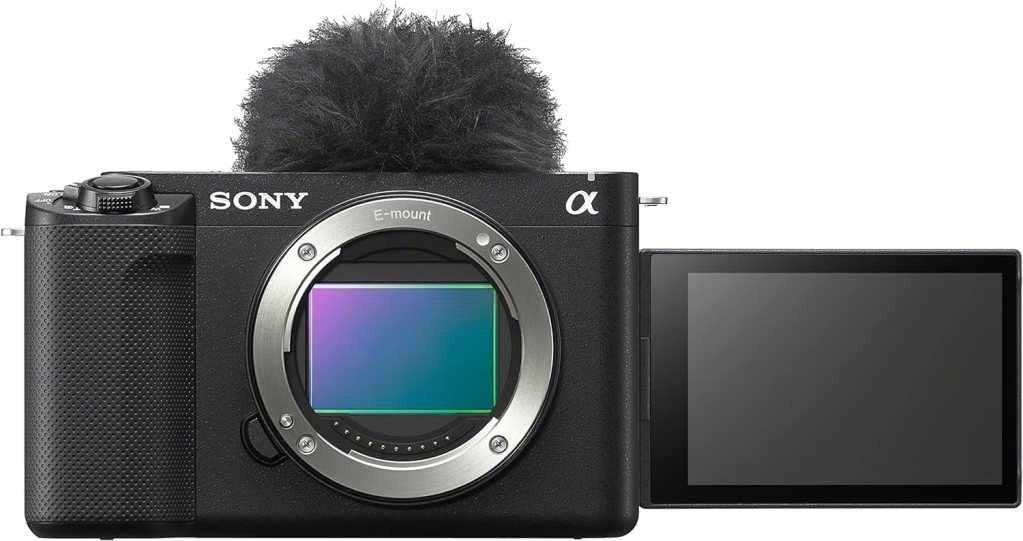
If you’re serious about YouTube and want cinematic quality, the Sony ZV-E1 is the dream machine. Full-frame sensor, crazy good autofocus, and low light performance that makes everything else look cheap.
It also has all the creator-friendly touches Sony has been adding lately: product showcase mode (it focuses instantly when you hold something up), AI-based background blur, and excellent in-body stabilization.
Specs
- 12MP full-frame sensor
- 4K up to 60fps (120fps with firmware)
- 5-axis stabilization
- Flip-out touchscreen
- Price: $2200–$2500
Pros
- Stunning image quality
- The best autofocus on the market
- Great for cinematic talking head setups
- Lightweight for a full-frame
Cons
- Expensive
- Overkill if you’re just starting out
Best for: dedicated YouTubers who want their channel to look like Netflix.
Best Budget Vlogging Camera: Canon EOS R100
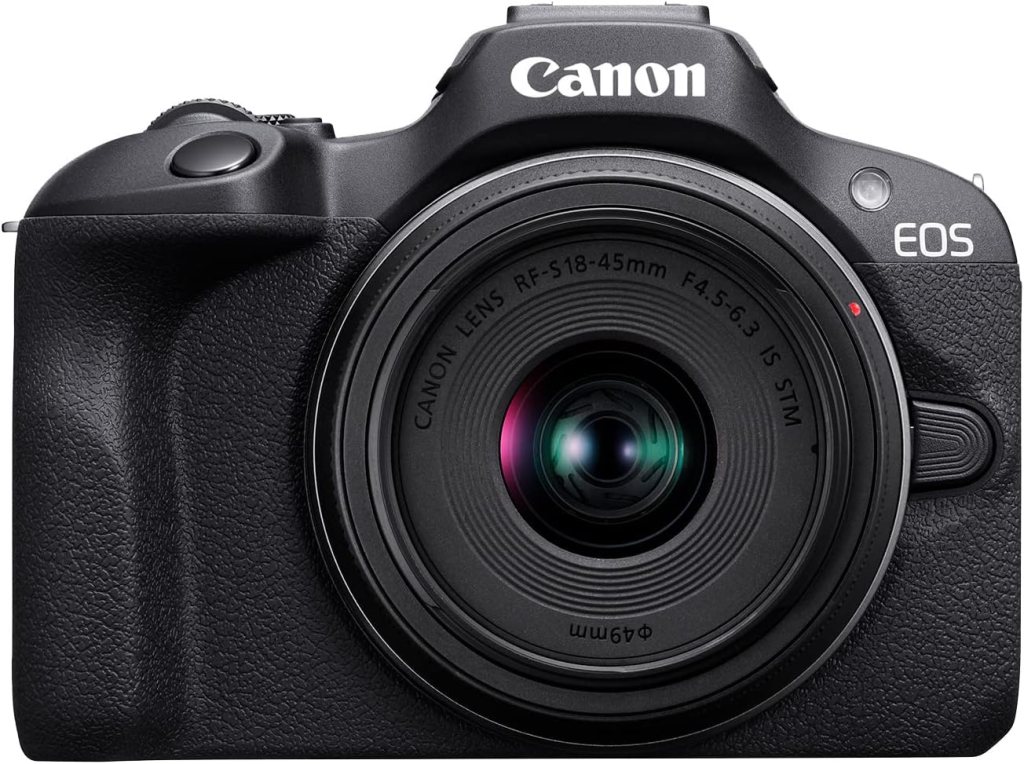
Not everyone wants to drop two grand. The Canon EOS R100 is a cheap way to get into the mirrorless world with Canon’s RF lens system. It’s not the flashiest — 4K comes with a crop, and there’s no fancy stabilization — but for under $600, it’s a very solid entry point with good colors and a flip-out screen.
Specs
- 24MP APS-C sensor
- 4K 24fps (cropped), 1080p 60fps
- Dual Pixel autofocus (good but not Sony-good)
- Flip screen
- Price: $480–$550
Pros
- Very affordable
- Good image quality for the money
- Access to Canon’s growing RF lens system
Cons
- Cropped 4K
- No in-body stabilization
- Limited frame rates
Best for: beginners or budget-conscious vloggers who just want a step up from their phone.
Best Compact/Travel Vlogging Camera: DJI Osmo Pocket 3

This thing is a marvel. It’s literally a gimbal and camera in one, the size of a candy bar. Perfect for travelers who don’t want to carry gear but still want smooth cinematic footage. The Osmo Pocket 3 now has a larger 1” sensor, flip screen, and excellent stabilization.
Specs
- 1” sensor
- 4K up to 120fps
- Built-in 3-axis gimbal
- Rotating screen
- Price: $500–$650
Pros
- Incredibly portable
- Smooth footage thanks to real gimbal
- Great for travel and walk-and-talk vlogging
Cons
- Small sensor limits low-light performance
- Not great for stills
- Audio is just okay without external mic
Best for: travelers, backpack vloggers, and anyone who hates carrying heavy gear.
Best for Beginners: Sony ZV-1 II
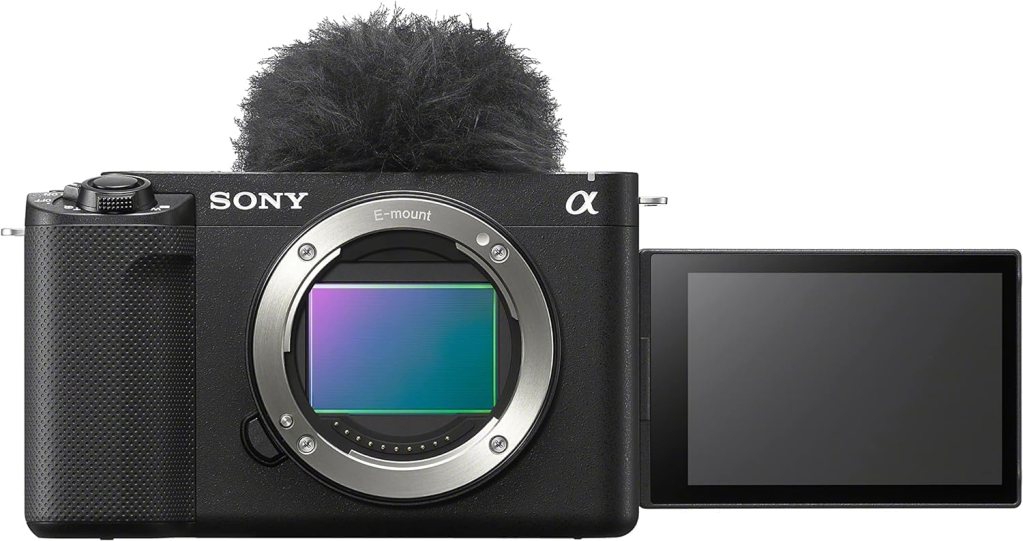
Sony knows vloggers, and the ZV-1 II is the easiest starting point. It’s a compact camera with a big 1” sensor, good autofocus, and a built-in zoom lens. The whole point is that you don’t need to think much: just hit record and the camera does the rest.
Specs
- 20MP 1” sensor
- 4K 30fps, 1080p 120fps
- Flip-out screen
- Built-in 18–50mm equivalent zoom
- Price: $750–$850
Pros
- Small and easy to use
- Great autofocus with face/eye tracking
- Solid image quality for its size
Cons
- No interchangeable lenses
- Not as good in low light as bigger sensors
Best for: beginners who want a no-fuss camera that still looks professional.
Best Sony Vlogging Camera: Sony ZV-E10

If you like Sony but don’t want to drop $2000 on the ZV-E1, the ZV-E10 is a fantastic middle ground. It’s an APS-C interchangeable lens camera, so you can grow with it, and it’s specifically designed for creators with vlog-friendly features.
Specs
- 24MP APS-C sensor
- 4K 30fps, 1080p 120fps
- Flip-out screen
- Interchangeable E-mount lenses
- Price: $900–$1000
Pros
- Great entry into interchangeable lenses
- Strong autofocus
- Designed for vloggers with creator features
Cons
- No 4K 60fps
- Rolling shutter can be noticeable
Best for: Sony shooters who want a versatile, affordable platform.
Best Motorcycle/Sports/GoPro Vlogging Camera: GoPro Hero12 Black

If you’re on two wheels, you want a GoPro. The Hero12 Black is waterproof, rugged, and mounts to just about anything. It shoots 5.3K video with GoPro’s HyperSmooth stabilization, which is shockingly good. Perfect for helmet or handlebar mounting.
Specs
- 27MP sensor
- 5.3K 60fps, 4K 120fps
- HyperSmooth 6.0 stabilization
- Waterproof to 33ft
- Price: $300
Pros
- Nearly indestructible
- Amazing stabilization
- Wide-angle field of view captures everything
Cons
- Small sensor isn’t great in low light
- Battery life still not amazing
Best for: bikers, adventurers, anyone who needs a camera that won’t quit when it rains.
Best Digital/Body Camera for Vlogging: Insta360 Go 3
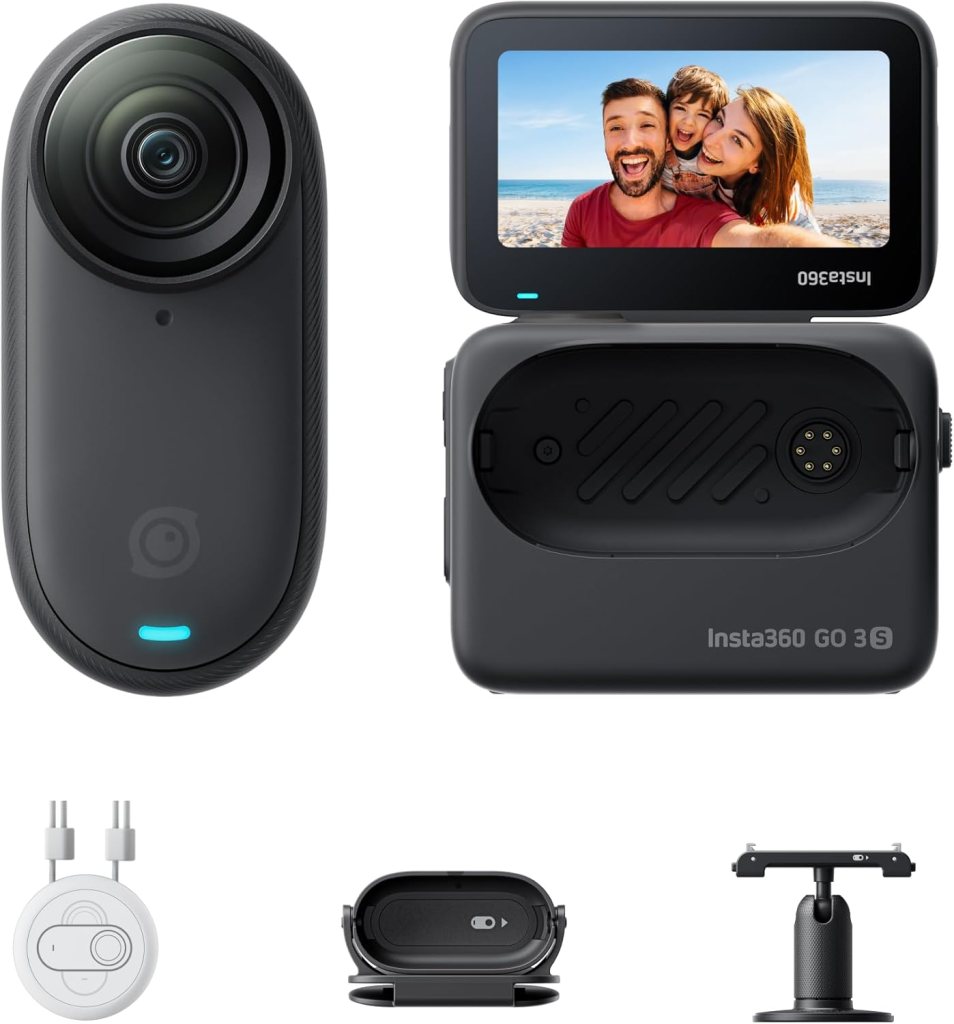
The Insta360 Go 3 is tiny, magnetic, and wearable. You can stick it on your shirt, helmet, or just hold it, and it captures a POV that feels immersive. Stabilization is excellent, and it’s light enough to forget you’re even wearing it.
Specs
- 1/2.3” sensor
- 2.7K up to 30fps
- FlowState stabilization
- Magnetic mount, waterproof housing
- Price: $380–$430
Pros
- Incredibly small and wearable
- Fun POV shots
- Good stabilization for action
Cons
- Limited resolution compared to bigger cameras
- Battery life is short
- Works best as a secondary cam
Best for: creators who want first-person POV or hands-free shooting.
6 Mistakes to Avoid When Picking a Vlogging Camera
Chasing specs instead of usability
It’s easy to get sucked into 6K, 10-bit, frame rates, all that jazz. Reality check: if you’re mostly uploading to YouTube or TikTok, nobody’s watching your footage in 6K. What matters is: can you carry it, can you use it quickly, and does it keep your face in focus?
Ignoring audio
This is the big one. Beginners obsess over sharp video but then sound like they’re recording in a bathroom. People will forgive a slightly soft image; they won’t forgive bad audio. Always budget for a mic.
Buying something too big
That giant DSLR might look “pro,” but if it’s heavy, it’ll end up staying on the shelf. Portability is king, especially for travel vloggers. A smaller camera you’ll actually use beats a big one that collects dust.
Forgetting stabilization
Shaky footage = instant click-away. If your camera doesn’t have in-body stabilization, plan on a gimbal, tripod, or at least digital stabilization in post. Don’t assume you can “fix it later.”
Underestimating battery life
Video kills batteries fast. Cameras that promise two hours often last more like 45 minutes when you’re shooting in 4K. If your pick doesn’t have great battery life, grab spares.
Thinking the camera will make you a better vlogger
This one stings, but it’s true. Gear helps, but the best upgrade you can make is practice. Learn to frame, light yourself, and talk naturally on camera. A $500 camera with good storytelling will always beat a $5,000 rig with boring content.
Final Thoughts
There’s no single “best vlogging camera” because the way you shoot matters more than the specs. If you’re starting a YouTube channel at home, the Sony ZV-E1 or ZV-E10 will make you look polished. Traveling light?
The DJI Osmo Pocket 3 is unbeatable for the size. On a budget? Canon R100 gets you in the door. Riding a motorcycle? GoPro all day. Want something wearable and fun? Insta360 Go 3 nails that niche.
Don’t get hung up on chasing specs. Audio and lighting matter as much as the camera. The right setup is the one you’ll actually carry and use, not the one that sits on a shelf because it’s too heavy or too fiddly.
FAQ
Do you really need 4K for vlogging?
Not really. It’s nice, especially if you crop, but 1080p is still fine for most people watching on phones.
Can I vlog with my smartphone?
Yes, absolutely. iPhones and Androids shoot incredible video now. The main advantages of a dedicated camera are better stabilization, better audio, and more control.
What makes a camera a “vlogging camera”?
Flip screens, good autofocus, stabilization, and mics designed for speech. They’re tuned for creators, not just photographers.
Can you vlog with a GoPro?
Yep, especially for action or outdoor stuff. Just know that low light isn’t great, and audio can be rough without an external mic.
What matters more, audio or video?
Audio, hands down. People will forgive slightly soft video, but they’ll click away if the sound is garbage. Invest in a decent mic if your camera doesn’t have one.



Leave a Reply