When you travel, you don’t just want photos — you want memories that still feel real when you get home. But with hundreds of cameras under $500, it’s easy to fall into the trap of buying one that looks good on paper but struggles in the field.
The truth is, at this price point, you’re not buying the biggest sensor or fastest autofocus system — you’re buying reliability. The camera you can sling over your shoulder, use in any light, and still trust to deliver something worth printing later.
After months of testing and checking what’s actually available at real-world prices, these are the best travel cameras under $500. From pocket compacts to rugged underwater shooters, each one fills a specific need — and every single one earns its keep in a backpack.
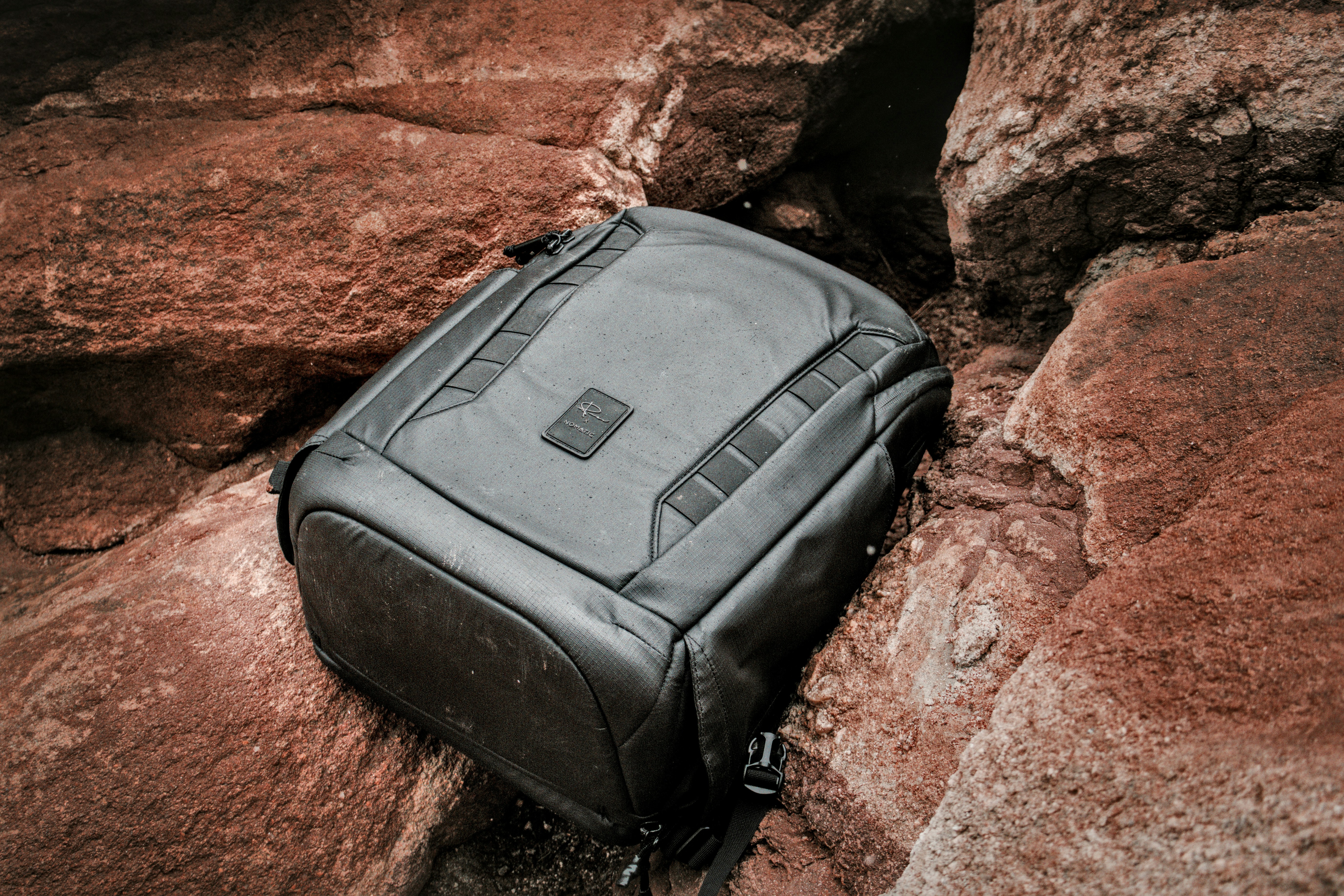
Also Read: 6 Best Camera Bags (Sling, Crossbody, Hiking)
Best Travel DSLR for Beginners
Canon EOS Rebel T7

Also Read: 15 Best Cameras Under $500 (Every Niche)
If you’ve ever wanted to travel with a “real camera,” the Canon EOS Rebel T7 is the gateway DSLR that makes sense. It’s simple enough for a beginner, yet produces the kind of crisp, dynamic photos that still beat most phones and compacts in this price range.
The 24.1-megapixel APS-C sensor is Canon’s proven workhorse — detailed, forgiving, and paired with a lightweight kit lens that covers everyday travel scenes from city streets to mountain overlooks. The optical viewfinder is still a pleasure to use outdoors, especially in bright sun where phone screens wash out.
In use, the T7 feels familiar — it’s not flashy, but it delivers. Autofocus is straightforward, and color science is where Canon shines: warm skin tones, balanced blues, and realistic contrast. Wi-Fi connectivity makes it easy to transfer photos to your phone, which keeps it relevant in the age of social sharing.
The biggest trade-off? Size. It’s bulkier than a compact, and you’ll need to think about carrying an extra lens if you want flexibility. But if your goal is to learn real photography while traveling — not just snap photos — the Rebel T7 gives you the full DSLR experience without draining your budget.
Pros:
- Real DSLR image quality with great color and dynamic range
- Reliable autofocus and intuitive controls
- Optical viewfinder works perfectly in harsh light
- Excellent choice for learning manual photography
Cons:
- Larger than a compact or mirrorless
- Basic video (1080p only, no 4K)
- No touchscreen or articulating display
Best for: Travelers who want professional-looking photos, students studying abroad, or anyone ready to move beyond smartphone photography.
Best Compact for Everyday Trips
Canon PowerShot SX740 HS

Also Read: 6 Best Compact Cameras by Niche (Travel, Budget, Vlogs)
If you prefer something pocketable and easy, the Canon PowerShot SX740 HS is one of the most practical travel companions under $500. It looks simple, but this little camera hides serious range — a 40× optical zoom that can pull a mountain peak or cathedral spire right into your frame.
Canon built the SX740 for people who don’t want to think too much while shooting. You turn it on, frame your shot, and it figures out the rest. The 20.3MP sensor delivers good detail in daylight, and the DIGIC 8 processor keeps things quick and accurate even when zooming way in.
The flip-up screen is handy for travel selfies or vlogs, and you can charge it via USB — perfect when you’re in a hotel or café with limited outlets. It also shoots 4K video, which is rare at this price.
It’s not going to wow you in low light, and there’s no RAW capture for heavy post-processing. But as an all-around travel camera that fits in your jacket pocket, the SX740 HS does everything most travelers need — quietly, reliably, and with that Canon color everyone loves.
Pros:
- Massive 40× optical zoom for distant shots
- Compact, lightweight, and pocketable
- Flip screen and 4K video for vlogging
- USB charging is perfect for travel days
Cons:
- Small sensor struggles in low light
- No RAW shooting or external mic support
- Average stabilization at full zoom
Best for: Casual travelers, city explorers, and anyone who wants serious zoom power without lugging around a DSLR or mirrorless camera.
Best Long-Zoom for Wildlife & Safari
Panasonic Lumix FZ80

If your trips involve safaris, whale-watching, airshows, or just shooting from the back row, the Panasonic FZ80 is the budget long-zoom champ. Its 20–1200mm equivalent lens covers everything: wide landscapes at sunrise, distant wildlife at noon, and the moon after dinner. You don’t swap lenses; you just twist the zoom and get the shot.
The FZ80 also brings handy travel tools you’ll actually use. 4K Photo lets you burst at 30 fps and pull an 8MP still from the clip—great for birds, surfers, or street performers you only get one chance to catch. Panasonic’s stabilization does solid work up through the middle of the range, and the electronic viewfinder is a lifesaver in harsh sunlight. Colors lean natural, and the JPEG engine does a nice job with foliage and sky gradients.
The trade-offs are predictable for a superzoom. In low light, the small sensor needs help—plan on shooting earlier in the evening, or brace the camera and keep ISO modest. At the far end of the zoom, you’ll want steady hands or a railing to lean on. But for the money, nothing else gets you this much reach in a single carry-on-friendly package.
Pros:
- Monster 60× zoom (20–1200mm eq.) with no lens swapping
- 4K Photo burst is brilliant for action and wildlife
- Useful EVF and straightforward controls
- Excellent value for safaris, cruises, airshows, and stadium seats
Cons:
- Low-light performance is limited; keep ISO in check
- Image stabilization strains at extreme telephoto
- Bulkier than a pocket compact
Best for: Travelers who prioritize reach over shallow depth-of-field; wildlife lovers, cruise ship spotters, and parents shooting sports from the stands.
Best for Travel Vlogs & Hybrid Creators
Sony ZV-1 (Renewed)

Also Read: 7 Best Vlogging Cameras by Niche (YouTube, Budget, Etc)
If you plan to film as much as you photograph, the Sony ZV-1 is the creator’s sweet spot under $500—especially renewed. It slides into a jacket pocket, flips its screen to face you, and locks focus on your eye the second you start talking. The 1-inch sensor and fast 24–70mm-equivalent f/1.8–2.8 lens give your footage that clean, “real camera” look phones struggle to match, especially in mixed indoor light.
Sony built the ZV-1 for travel storytelling. A built-in ND filter keeps shutter speeds cinematic under bright sun. The on-camera mics are better than most compacts, and the “Product Showcase” mode shifts focus instantly from your face to whatever you hold up—perfect for food, tickets, or gadgets without hunting. Stills are no afterthought either: the JPEG color is lively, the lens is sharp across the frame, and the bokeh at the wide end looks legitimately premium for a pocket camera.
Battery life is the weak spot; pack a spare or a power bank. The zoom range is also modest compared to a travel superzoom, so think “street, food, interiors, and people” rather than wildlife. But for videos that actually look edited even when they aren’t, and stills you’ll be happy to print later, the ZV-1 earns its place in a carry-on.
Pros:
- Compact body with a bright, fast lens and 1″ sensor
- Reliable eye-detect AF, plus handy Product Showcase mode
- Built-in ND filter and flip screen—made for vlogging
- Strong JPEG color and crisp stills for a pocket camera
Cons:
- Average battery life; plan to recharge daily
- Limited zoom compared with travel superzooms
- Renewed pricing and condition vary—choose reputable sellers
Best for: Travelers who film daily recaps, city walks, cafés, and interiors; creators who want great video without carrying a full rig.
Best for Beaches, Boats & Adventure Travel
OM System Tough TG-7

Also Read: 5 Best Underwater Cameras (Pro, Budget, Diving)
Some trips are hard on gear. Salt spray, sand, sudden downpours—if any of that sounds like your itinerary, throw a Tough TG-7 in the daypack and relax. It’s waterproof, shockproof, and freeze-proof, and unlike most “rugged” cameras, it actually takes good pictures. The lens stays sharp underwater, the colors hold up in weird lighting, and the dedicated underwater modes save you from menu diving when you’re bobbing in a cove.
Macro is a quiet superpower here. The TG-6’s close-focus modes let you fill the frame with shells, coral, or insects without extra lenses, and the results look like you brought a microscope on vacation. For video, 4K clips are clean and steady enough for a quick travel edit, and the size means you’ll actually bring it on the kayak instead of babying it on shore.
Trade-offs? You won’t get creamy background blur or low-light magic—this is a fixed-lens rugged compact. But if your camera needs to survive kids, boats, hikes, and tide pools, the TG-6 is the one that comes home with pictures instead of excuses.
Pros:
- Truly waterproof and tough enough for real abuse
- Excellent macro/close-up modes you’ll use constantly
- Underwater color profiles that actually work
- Pocketable, point-and-shoot simple
Cons:
- Fixed lens; no shallow depth-of-field look
- Small sensor needs good light
Best for: Beach towns, snorkeling days, rainy cities, river trips, families who want a worry-free camera that can live in a wet bag.
Best Lightweight Mirrorless for Photo-Focused Travelers
Canon EOS M200

If you want better image quality than a compact without carrying a brick, the Canon EOS M200 is a smart, no-drama mirrorless body for travel. It’s small, starts up fast, and pairs well with the stabilized 15–45mm kit lens for streets, interiors, and quick portraits. Canon’s color is the hook: skin tones look right, skies and water are rich without going cartoonish, and the JPEGs need little editing before sharing.
The flip-up screen helps with low angles and self-shots, and Dual Pixel autofocus feels confident in everyday light. You can toss a tiny prime—like a 22mm f/2—into a pocket and you’ve got a night-friendly street kit without weighing yourself down.
Limitations? The EF-M lens lineup is small, and 4K video comes with a crop and slower AF. If video is your focus, another body on this list will serve you better. But for travelers who care most about clean, crisp photos with minimal bulk, the M200 checks all the boxes.
Pros:
- Compact body with genuinely good image quality
- Canon color straight out of camera
- Flip-up screen and quick autofocus for daily use
- Great with a small prime for night/cafés/street
Cons:
- Limited native lens ecosystem
- 4K video has caveats (crop, AF)
Best for: Photo-first travelers, city breaks, museum and café shooters who want mirrorless quality without a heavy kit.
Best Pocket Camera for Low-Light City Travel
Sony RX100 III (Renewed)

City trips don’t always happen at noon. The RX100 III earns its spot because it still makes clean, detailed images after dark. The 1-inch sensor keeps noise in check; the bright 24–70mm-equiv f/1.8–2.8 lens lets you shoot restaurants, alleys, and night streets without cranking ISO to mush. In daylight, the pop-up EVF is a lifesaver when the sun nukes the rear screen, and the tilt LCD helps with quick compositions from waist level.
It’s also genuinely pocketable. You can carry it everywhere and never feel like you’re “out without a camera.” Colors are natural, the lens is sharp across the frame, and focus is quick enough for candid travel work. Video tops out at 1080p on this model, but the footage is clean and the stabilization is good enough for walk-and-talk clips.
The battery is small—bring a spare or a power bank—and you won’t get the long zoom of a travel superzoom. But if your itinerary is restaurants, street markets, galleries, and sunsets, the RX100 III gives you a higher keeper rate than almost anything else you can fit in a jeans pocket.
Pros:
- Large 1″ sensor + bright lens = real low-light ability
- Pop-up EVF for harsh daylight, tilt screen for creative angles
- Pocket size means you actually bring it
- Lovely JPEGs that need minimal work
Cons:
- 1080p video only; no 4K on this version
- Modest battery life; carry a spare
Best for: Night markets, neon streets, bistros, museums—any trip where small, discreet, and good-in-low-light beats big and flashy.
Mobile Comparison Table (Quick Scroll)
| Camera | Type | Weight | Lens / Zoom | Video | Why pick it | Typical Price |
|---|---|---|---|---|---|---|
| Canon EOS Rebel T7 | DSLR | ~475 g (body) | 18–55mm kit | 1080p | Real DSLR feel, great color, optical viewfinder | $429–$499 |
| Canon PowerShot SX740 HS | Pocket compact | ~299 g | 24–960mm eq. (40×) | 4K | Huge zoom in a pocketable body | $400–$499 |
| Panasonic Lumix FZ80 | Bridge superzoom | ~616 g | 20–1200mm eq. (60×) | 4K | Wildlife, safaris, stadium reach | $300–$450 |
| Sony ZV-1 (Renewed) | Pocket hybrid | ~294 g | 24–70mm eq. | 4K | Creator-friendly: flip screen, ND, eye AF | $450–$499 |
| OM System Tough TG-6 | Rugged compact | ~253 g | 25–100mm eq. | 4K | Waterproof, shockproof, great macro | $400–$499 |
| Canon EOS M200 | Mirrorless | ~299 g (body) | 15–45mm kit | 1080p/4K (crop) | Clean color, tiny kit, easy to carry | $450–$499 |
| Sony RX100 III (Renewed) | Premium compact | ~290 g | 24–70mm eq. | 1080p | Pocket size with real low-light chops | $380–$480 |
Buying Tips: New vs. Renewed vs. Used (Travel Edition)
New: You’ll pay more, but you get full warranty, sealed packaging, and zero unknowns. If you’re heading out on a once-in-a-lifetime trip and want total peace of mind, new makes sense.
Renewed/Refurbished: The value sweet spot. These are inspected, graded, and typically come with a limited warranty and easy returns. You can land a ZV-1 or RX100 III under $500 this way—cameras that would otherwise sit above budget.
Used: Best bang for buck if you’re comfortable checking condition. Look for low shutter counts (DSLRs), clean glass (no haze/fungus), minimal wear on buttons/dials, and test for sensor spots. Buy from sellers with strong histories and clear return windows.
Memory & Power:
- Bring two fast SD cards (U3 for 4K video). Don’t rely on one large card—two mediums is safer.
- Carry at least one spare battery. For long days, a tiny USB power bank + cable is gold.
- If you’re abroad, pack a small universal plug adapter and a short extension cord.
Carry & Protection:
- Keep the camera accessible. A small cross-body sling beats a backpack for “shoot first” moments.
- A rain cover or simple zip bag saves a lot of stress when weather turns.
- Microfiber cloth + rocket blower = fewer ruined shots from smudges or dust.
Settings That Help on the Road:
- Set the camera clock to local time (saves headache when sorting later).
- Use auto-ISO with a cap; pick a minimum shutter (1/250 for people, 1/500 for motion).
- Turn on highlight warnings (“blinkies”) so you don’t blow out bright skies.
- Back up nightly to your phone, tablet, or a tiny SSD.
FAQs
What’s the most “forgiving” travel camera for a first big trip?
Canon EOS Rebel T7. It’s straightforward, handles bright sun well with the optical viewfinder, and the JPEG color looks good without editing.
I don’t want to carry lenses. Which single camera does it all?
Panasonic Lumix FZ80. You’ll cover everything from wide landscapes to far-off wildlife without swapping anything.
Is a pocket camera really worth it if I already have a good phone?
Yes—if you travel after dark or need zoom. The Sony RX100 III and Canon SX740 HS both beat phones in those two situations.
I’ll be around water a lot. Which camera survives sand, spray, and drops?
OM System Tough TG-6. It’s the one you can toss in a wet bag and stop worrying.
Which pick is best for quick travel videos and stories?
Sony ZV-1. Flip screen, eye-detect autofocus, built-in ND, and mics that don’t sound like a tin can.
I need reach for safari or whales. Superzoom or DSLR?
Superzoom. The FZ80’s 60× range is hard to beat on a budget, and you won’t miss shots swapping lenses.
Can the Rebel T7 handle night scenes?
Yes, with a little care. Keep ISO sensible, brace the camera, or add a small prime lens (like a 50mm f/1.8) for evening streets.
Is 4K video mandatory for travel?
Nice to have, not mandatory. Composition, light, and steady shots matter more. If you do want 4K, SX740 HS, FZ80, TG-6, and ZV-1 cover you.
How do I keep photos safe on a long trip?
Two copies minimum. Don’t erase cards until you’ve backed up to your phone or a portable SSD. Consider cloud when Wi-Fi is good.
What’s the easiest way to look better on Instagram without editing?
Use soft light (shade, window light at cafés), turn on face/eye detection, and avoid digital zoom. Let the lens do the work.
Do I need a tripod?
Not usually. A tiny tabletop tripod or folding grip is enough for night streets, time-lapses, or group shots. Otherwise, lean on a railing or wall.
Can these cameras charge over USB?
Some can. The Canon SX740 HS and Sony ZV-1 are convenient here. If yours can’t, carry a spare battery and a compact wall charger.
Will airport X-rays hurt my camera or cards?
No. Modern X-ray scanners won’t damage digital gear or SD cards. Film is different, but that’s not this list.
What settings should I use for moving subjects?
Shutter Priority with 1/500–1/1000 sec, auto-ISO capped at a noise level you can live with. For the FZ80 at long zoom, err on the faster side.
What’s the best “one-lens” mirrorless setup for travel photos?
Canon EOS M200 with the 22mm f/2 in your pocket. Shoot the kit lens by day, the 22mm after dark—tiny kit, big results.
I’m new to editing. Any quick wins?
Straighten horizons, lift shadows a touch, and pull highlights down to bring back skies. Don’t overdo saturation—travel color looks best when believable.
How do I avoid blurry shots in museums or dim cafés?
Raise ISO a little, use the widest aperture available (lowest f-number), and keep elbows tucked in. A tabletop tripod helps for menus and dishes.
Which strap is most comfortable for walking all day?
A cross-body sling that cinches tight when you’re moving and loosens when you’re shooting. It keeps the camera handy and saves your neck.
What about weather sealing—do I need it?
Nice, not critical. A cheap rain cover or even a zip bag gets you 90% there. The TG-6 is the exception—it’s built for punishment.
What’s the simplest path to better travel photos right now?
Learn to watch light. Shoot during golden hour, turn people toward bright windows, and step into open shade at noon. The camera matters—light matters more.
This post contains affiliate links. If you purchase through these links, I may earn a small commission at no extra cost to you. As an Amazon Associate, I earn from qualifying purchases and stand behind all of my recommendations.



Leave a Reply