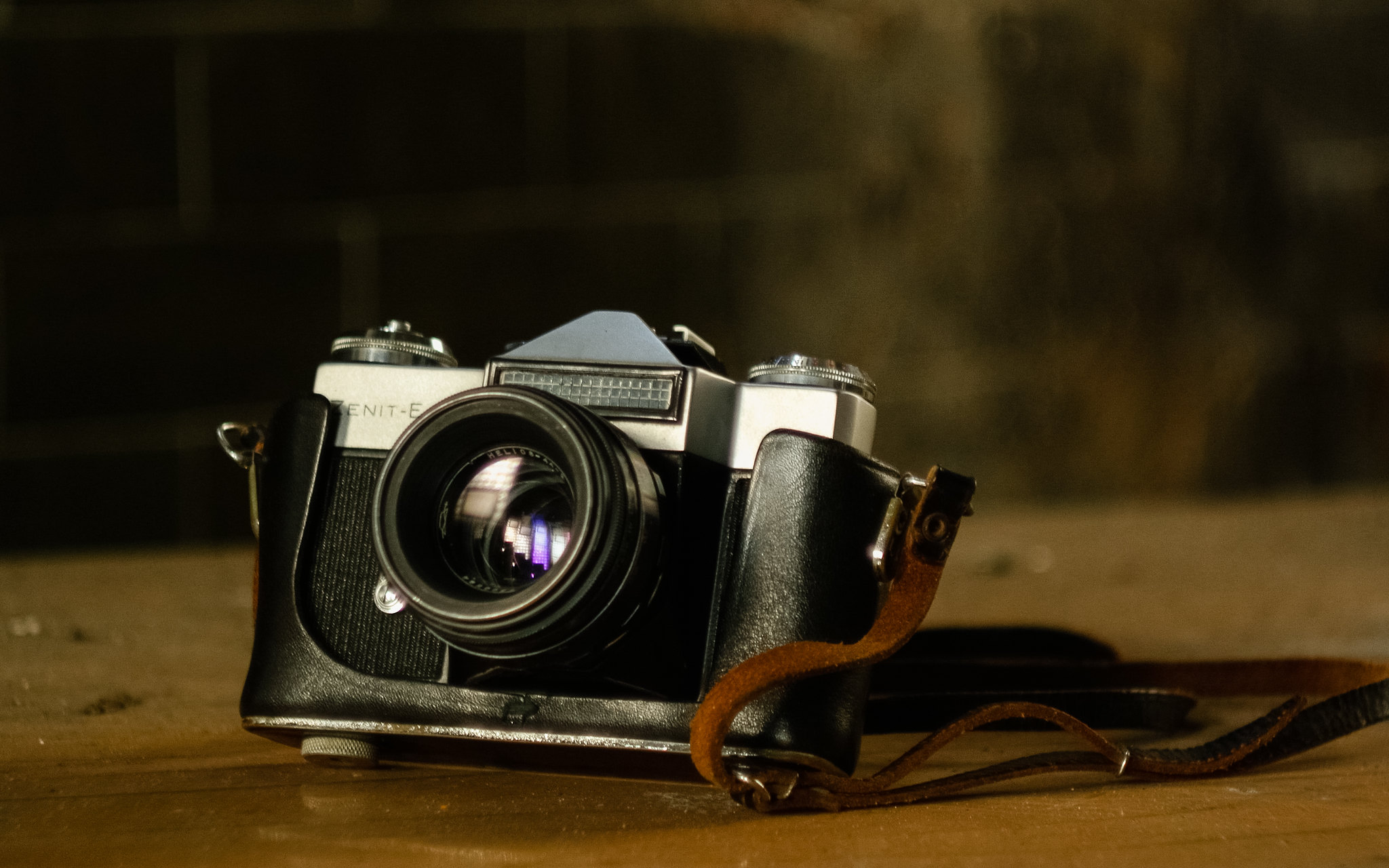
Image by Martin Dvoracek
Best Film Cameras for Beginners
We broke down the best film cameras for beginners by price category. It’s possible you find one of these models for less than the expected price range. That’s especially true if you click our links. We’ve been known to find some great deals!
Also Read: 4 Best Digital Cameras for Photography Beginners
Best 35mm Film Camera Overall
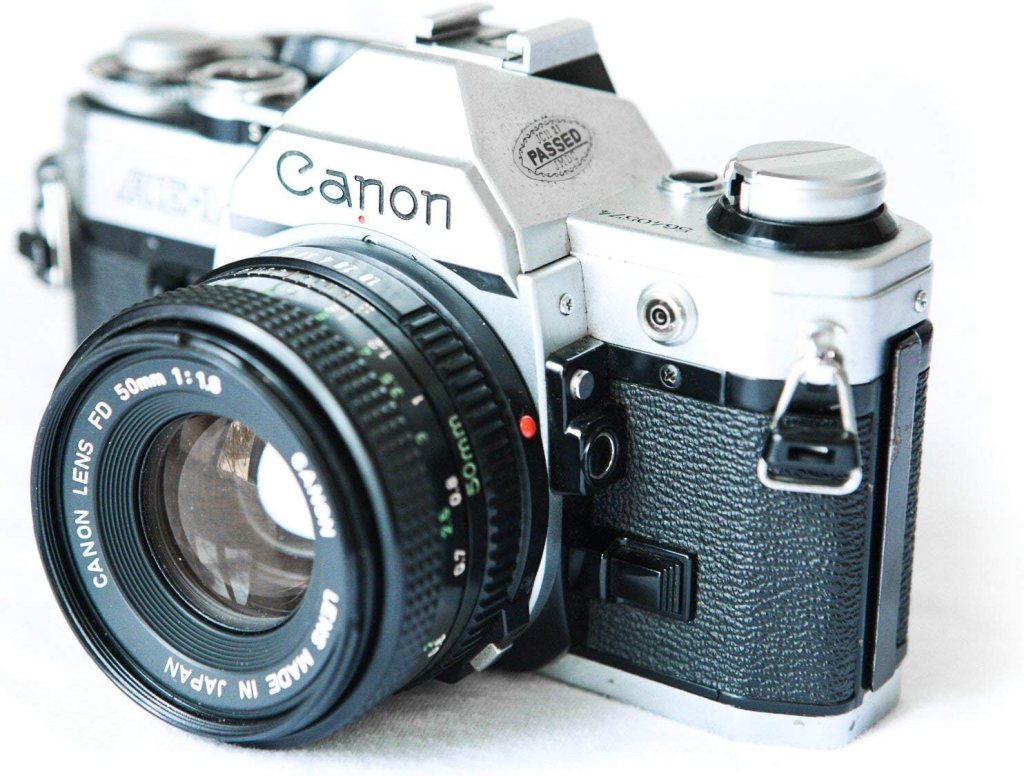
The Canon AE-1 Program is an iconic 35mm film camera loved by beginners for its ease of use and versatility. With its classic design and manual control options, it’s a great choice for those looking to learn the basics of photography.
Listen, make no mistake. This is the most hipster model of film camera you can buy. They are super popular to the degree that you might even consider them a hipster accessory for a travel outfit.
Demand for the AE-1 means prices have gone up over the last decade and more. For that reason, some say that these cameras lack enough value for the price point. Something to know before you buy.
But there’s no doubting: it has that look, both for the camera body and the image aesthetics. The all-black version is especially sexy.
Specifications
| Specification | Details |
| Film Format | 35mm |
| Lens Mount | Canon FD mount |
| Shutter Speeds | 2 to 1/1000 seconds |
| Exposure Control | Aperture-priority AE, manual |
| Viewfinder | Pentaprism viewfinder |
| Weight | 590g (body only) |
Key Features
- Fully automatic exposure mode for ease of use
- Manual control options for learning photography basics
- Compatible with a wide range of Canon FD lenses
Pros and Cons
Pros:
- Easy to learn and operate
- Versatile shooting modes
- Interchangeable lenses for creative flexibility
Cons:
- Some users may find the viewfinder less bright
- Limited autofocus capabilities
Typical Price Range: $250-300
Canon AE-1 Program Sample Photos





Design and Handling
The Canon AE-1 Program features a classic SLR design with a sturdy construction, providing durability and reliability for beginners. Its ergonomic layout and intuitive controls make it easy to handle and operate.
Performance
With its automatic exposure mode and manual control options, the AE-1 Program offers versatility for beginners to explore different shooting techniques. Its compatibility with a wide range of lenses allows for creative experimentation and growth.
Expert Review
When the Canon AE-1 Program hit the scene in ’81, it was kind of a big deal. It took what folks loved about the original A-1 and made it even easier to just pick up a camera and start snapping away.
– Source
Thanks to its program mode, it was like having a photography sidekick, making sure your settings were spot on so you could just enjoy the shoot. Fast forward to today, and this camera is rocking the vintage vibe all over Instagram and street-style blogs.
It’s not just about taking pictures; it’s about making a statement with a piece of classic tech that’s got some serious old-school cool.
The AE-1 Program isn’t just a camera from the past; it’s a piece of the analog comeback story and definitely a crowd favorite for anyone looking to own a slice of photography’s golden days.
Final Verdict
For beginners eager to learn the art of film photography, the Canon AE-1 Program is an excellent starting point. Its combination of automatic and manual control options, coupled with its classic design and compatibility with interchangeable lenses, offers a versatile and rewarding shooting experience.
Best Budget 35mm Film Camera for Beginners
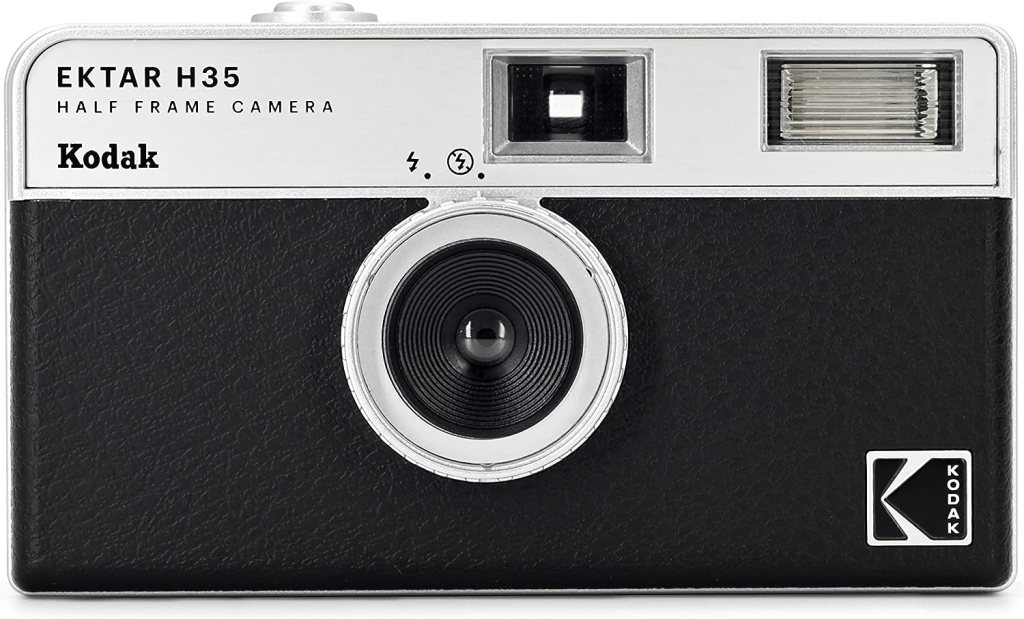
The KODAK EKTAR H35 is an affordable and reliable 35mm film camera, perfect for beginners. Known for its ease of use and vibrant image quality, it provides an excellent introduction to film photography without breaking the bank.
If you’re looking for an inexpensive beginner film camera (say, under $50), you’re taking an unnecessary risk by purchasing something used.
At that price point, you’re likely to end up paying for repairs soon after buying. Or more likely, shelving it as decoration because the repairs are more than what you paid.
That’s why the KODAK EKTAR H35 is fantastic as a budget option. It’s new and delivers excellent value.
Specifications
| Specification | Details |
|---|---|
| Film Format | 35mm |
| Lens Mount | Fixed lens |
| Shutter Speeds | 1/125 seconds |
| Exposure Control | Automatic |
| Viewfinder | Optical |
| Weight | 170g (with batteries) |
Key Features
- Affordable entry point for beginners
- Automatic exposure control for ease of use
- Compact and lightweight design
Pros and Cons
Pros:
- Budget-friendly price
- Half frame creates 2x photos, which is also budget-friendly
- Simple and intuitive operation
- Lightweight and portable
Cons:
- Limited manual control (No focusing)
- Fixed lens limits flexibility (No zooming)
Typical Price Range: $40 – $60
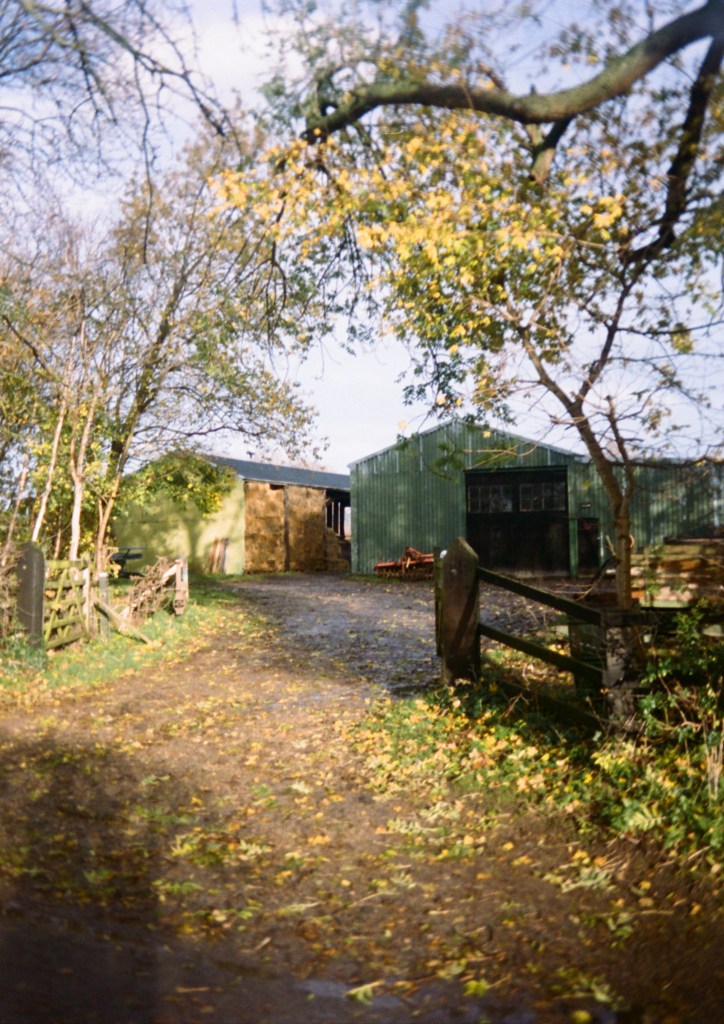
KODAK EKTAR H35 Sample Photos




What Film To Get
Here are five excellent film choices, covering every major use case:
- Kodak Portra 400 – The gold standard for portraits and everyday use; soft tones, wide dynamic range, forgiving exposure.
- Kodak Ultramax 400 – Affordable all-around color film for daylight or indoor shooting without flash.
- Ilford HP5 Plus 400 – Classic black-and-white film with rich contrast and easy home development.
- CineStill 800T – Tungsten-balanced color film for night and indoor scenes with a cinematic look.
- Fujifilm Provia 100F – Professional slide film offering fine detail and true-to-life colors for travel or landscape photography.
Design and Handling
The KODAK EKTAR H35 features a compact and lightweight design, making it easy to carry and handle. Its automatic exposure control and fixed lens simplify the shooting process, ideal for beginners learning the basics of lighting and composition.
Performance
Despite its budget-friendly price, the EKTAR H35 delivers pretty vibrant and sharp images. They have that dreamy, nostalgic quality that people think of when they think of film.
Its automatic exposure settings ensure decently well-balanced photos in various lighting conditions.
That said, its fixed lens and limited manual controls may restrict more advanced experimentation. You could call it a point and shoot camera if you wanted. It basically is.
Expert Review
“You get your bang for the buck with the half-frame – that’s right, you get double the number of images. For a roll of 36, that means a whopping 72 images! It takes up little to no room in my camera bag and is perfect for when I’m out and about and don’t want a big camera around my neck. Plus, this camera has a flash!”
– Sara Johansen, Photography Enthusiast
Final Verdict
For beginners on a budget, the KODAK EKTAR H35 is the perfect film camera. Its affordable price, ease of use, and vibrant image quality provide an excellent foundation for those starting their journey into film photography.
Coolest Vintage Film Camera for Beginners

The MAMIYA M645 is an iconic medium format vintage film camera, celebrated for its robust design and advanced features.
With its user-friendly controls and exceptional image quality, it’s the ideal choice for beginners to medium format photography.
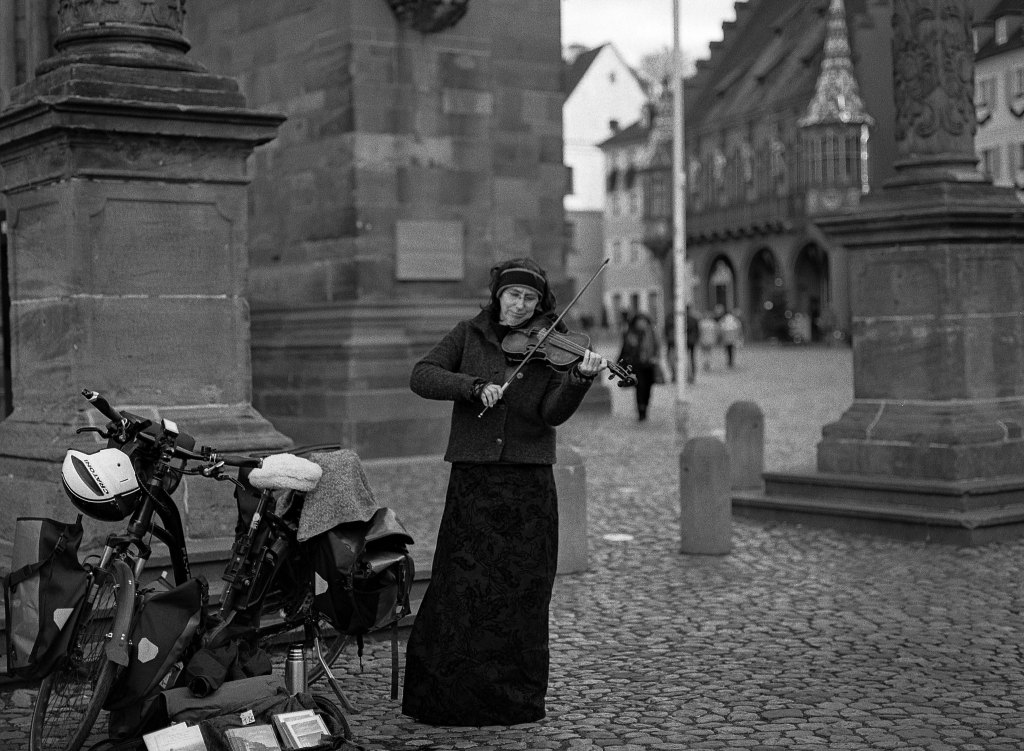
Please check out the sample photos from this model. They are my some of my absolute favorites from this entire article!
Specifications
| Specification | Details |
|---|---|
| Film Format | 120/220 medium format |
| Lens Mount | Mamiya-Sekor C Bayonet |
| Shutter Speeds | 8 to 1/1000 seconds |
| Exposure Control | Manual |
| Viewfinder | Interchangeable prism |
| Weight | 1280g (body only) |
Key Features
- Medium format for superior image quality
- User-friendly controls for ease of use
- Robust build quality
Pros and Cons
Pros:
- Exceptional image quality with medium format
- User-friendly controls perfect for beginners
- Sturdy and reliable build
Cons:
- Heavier and bulkier compared to 35mm cameras
- Higher cost of film and development
Typical Price Range: $300-500
MAMIYA M645 Sample Photos







What Film To Get
Here are five excellent film choices, covering every major use case:
- Kodak Portra 400 – The gold standard for portraits and everyday use; soft tones, wide dynamic range, forgiving exposure.
- Kodak Ultramax 400 – Affordable all-around color film for daylight or indoor shooting without flash.
- Ilford HP5 Plus 400 – Classic black-and-white film with rich contrast and easy home development.
- CineStill 800T – Tungsten-balanced color film for night and indoor scenes with a cinematic look.
- Fujifilm Provia 100F – Professional slide film offering fine detail and true-to-life colors for travel or landscape photography.
Design and Handling
The MAMIYA M645 boasts a solid and ergonomic design, making it easy to handle despite its larger size. Its intuitive control layout ensures a smooth transition for those new to medium format photography.
Plus it just looks insanely cool and vintage in the best way.
Performance
With its manual controls and high-quality lens options, the M645 produces stunning images with remarkable detail and depth. While it may be heavier and bulkier than 35mm cameras, its performance and image quality make it an excellent choice for beginners.
Expert Review
“The M645AF is a slick 6×4.5cm medium format camera with autofocus. The autofocus action sounds and acts like a Nikon from 1988. The price was $3,800, in 2004! Today, they are very inexpensive used. For what people shoot on medium format, the manual-focus 645E is no slouch, either.
– Ken Rockwell, Photography Expert
Final Verdict
For beginners eager to delve into medium format photography, the MAMIYA M645 is an exceptional choice. Its user-friendly controls, robust build, and outstanding image quality provide a rewarding and educational experience, making it the coolest film camera for those new to the genre.
Best Film Camera for $100-200
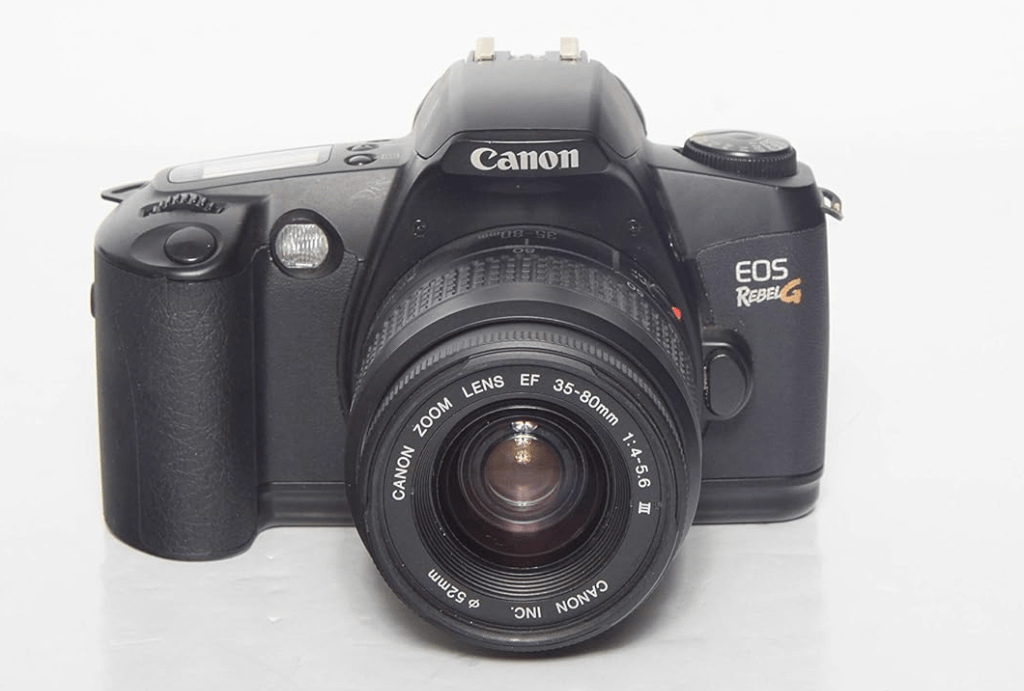
The Canon EOS Rebel G is an excellent entry-level 35mm film camera for beginners looking for a blend of simplicity and versatility. With its autofocus system and automatic exposure modes, it offers ease of use without compromising on performance.
Is it beautiful? Probably only to a few. If you want your camera to be a fashion accessory in addition to functional equipment, you should keep scrolling.
But what the EOS Rebel G lacks for in aesthetics, it makes up for in features. At least at this price point.
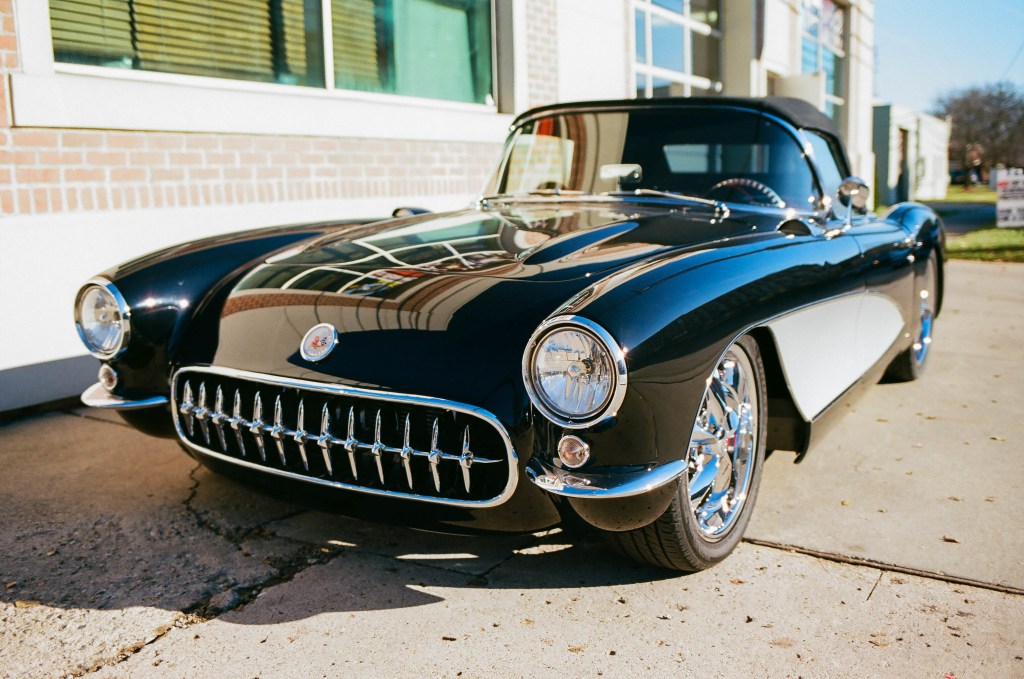
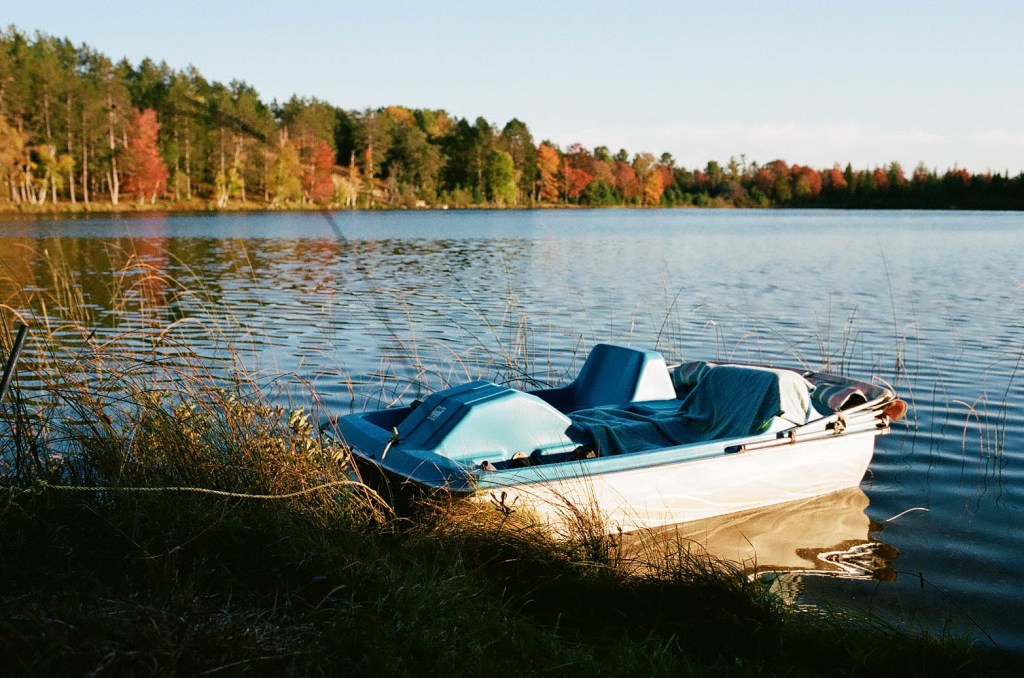
Check out the sample photos. The sharpness of the high-movement sports photo is magnificent for a film camera at around $150ish.
Specifications
| Specification | Details |
| Film Format | 35mm |
| Lens Mount | Canon EF mount |
| Shutter Speeds | 30 to 1/2000 seconds |
| Exposure Control | Program AE, aperture-priority AE, shutter-priority AE, manual |
| Viewfinder | Fixed eye-level pentaprism |
| Weight | 365g (body only) |
Key Features
- Autofocus system for easy focusing
- Multiple exposure modes for versatility
- Lightweight and compact design for portability
Pros and Cons
Pros:
- Easy to use for beginners
- Versatile exposure modes
- Compatible with a wide range of Canon EF lenses
Cons:
- Plastic construction may feel less durable
- Limited manual control options for advanced users
Typical Price Range: $100 – $200
Canon EOS Rebel G Sample Photos




Design and Handling
The Canon EOS Rebel G features a lightweight and ergonomic design, making it comfortable to hold and operate for beginners. Its intuitive controls and straightforward interface ensure ease of use for users of all skill levels.
Performance
With its autofocus system and multiple exposure modes, the Rebel G delivers reliable performance in various shooting situations. While it may lack advanced features found in higher-end models, it offers an excellent balance of simplicity and versatility for beginners.
Expert Review
This lightweight SLR should not be taken lightly. It might be small, but it definitely packs a punch.
– Jennifer Stamps
The Rebel G was a trendy film camera in its day because of its affordability and high-end features. The Canon G can shoot full-manual mode, full-auto mode, and everything in-between including aperture or shutter priority.
This will be a great camera to travel with because of how lightweight it is – it’s under a pound!
Final Verdict
For beginners seeking a versatile and easy-to-use film camera, the Canon EOS Rebel G is an excellent choice. Its autofocus system, multiple exposure modes, and lightweight design make it the perfect tool for capturing memorable moments with ease.
Best Film Camera for $200-$250

The Nikon FM10 is a versatile and affordable 35mm film camera ideal for beginners looking to explore the world of analog photography. With its manual control options and compatibility with a wide range of Nikon lenses, it offers creative flexibility and ease of use.
As with the Rebel G, this is a camera that you buy because you want to take film photography seriously from the beginning. Some hate on its looks. That said, I personally find it to be plenty sleek.
Canon produced the FM10 in the late 90s and beyond, when the photography world was really narrowing in on hyper-realistic color accuracy and finer film grain.
The aesthetic is awesome, but something to keep in mind if you want a more nostalgic or dreamy vibe to your photos.
Specifications
| Specification | Details |
| Film Format | 35mm |
| Lens Mount | Nikon F mount |
| Shutter Speeds | 1 to 1/2000 seconds |
| Exposure Control | Manual |
| Viewfinder | Pentaprism viewfinder |
| Weight | 505g (body only) |
Key Features
- Manual control options for learning photography basics
- Compatibility with a wide range of Nikon F-mount lenses
- Lightweight and compact design for portability
Pros and Cons
Pros:
- Simple and straightforward operation
- Compatibility with a wide range of lenses
- Lightweight and portable design
Cons:
- Limited autofocus capabilities
- Some users may find the viewfinder less bright
Typical Price Range: $200 – $250
Nikon FM10 Sample Photos







Design and Handling
The Nikon FM10 features a classic SLR design with a lightweight and compact body, making it easy to carry around for beginners. Its manual control dials offer tactile feedback for precise adjustments.
Performance
With its manual control options and compatibility with a wide range of lenses, the FM10 offers creative flexibility for beginners to explore different shooting techniques. Its lightweight construction makes it the perfect companion for capturing everyday moments and adventures.
Expert Review
Plasticky the FM10 may be, but it is a surprisingly nice camera to shoot with. It feels good in the hand and has what I would call a ‘photographer’s UI’. Everything you need is there and works the way you expect it.
– Ronald Hogenboom
The meter especially is lovely. It is centre-weighted and the readout consists of three LEDs, a green dot for correct exposure and a red ‘+’ and ‘-‘ for over and underexposure. Its simplicity is an asset, not a limitation.
I would even go as far as to claim that the FM10 feels like an extension of me, a claim very few cameras can boast.
As an object of desire, the FM10 would score pitifully low on any list, maybe ranking just above a pink Holga (yes, I use one of those too). In this area it cannot compete with a quality camera from the 1960s or 70s. As a photographic tool however, it ranks near the top.
Final Verdict
For beginners seeking an affordable and versatile film camera, the Nikon FM10 is an excellent choice. Its manual control options, compatibility with Nikon lenses, and lightweight design make it the perfect tool for learning the art of analog photography. Dive in and start capturing your unique perspective on the world.
Best Film Camera for $200-300
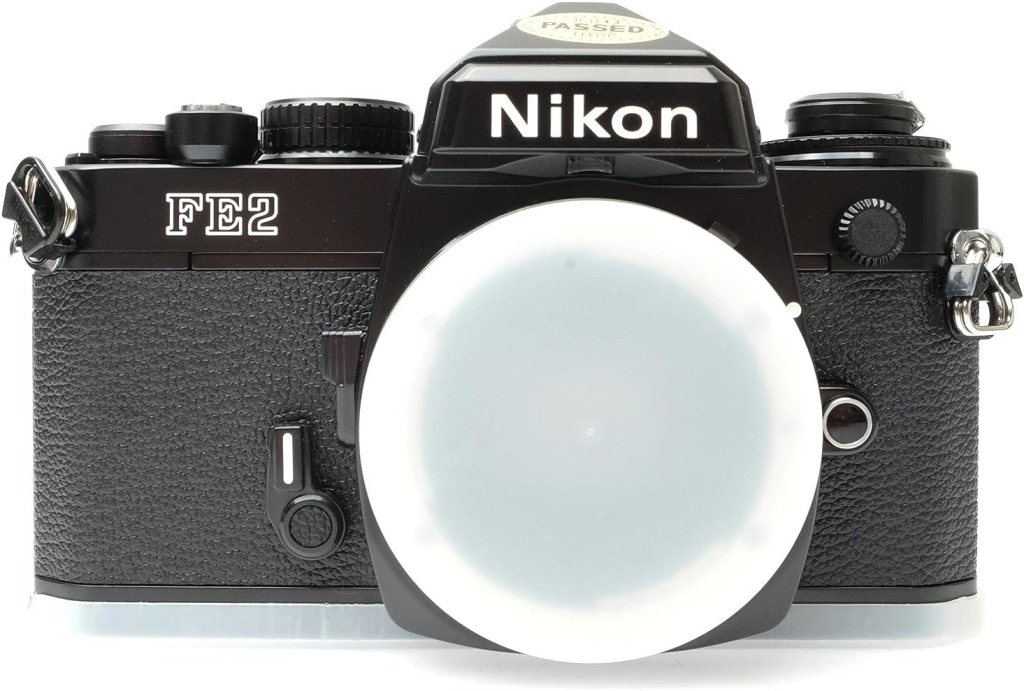
The Nikon FE2 is a classic 35mm film camera renowned for its reliability and versatility. With its robust construction and advanced features, it’s a favorite among beginners and enthusiasts alike.
This is the camera for beginners who want a vintage film camera that looks great on a shoulder strap (no judgment here!), but also produces gorgeous photos.
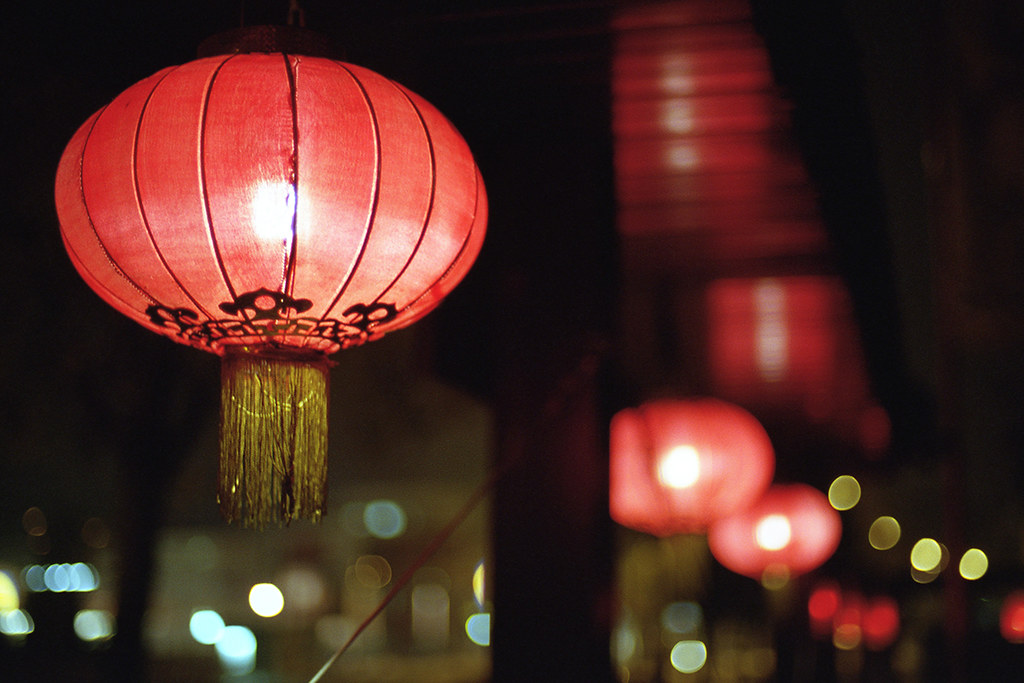
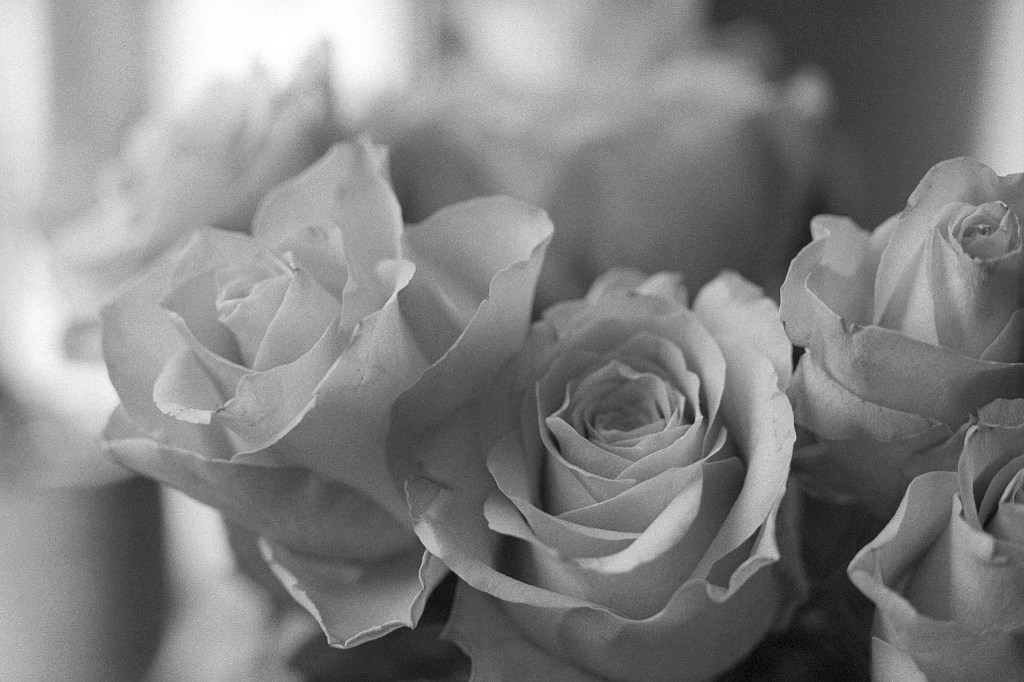
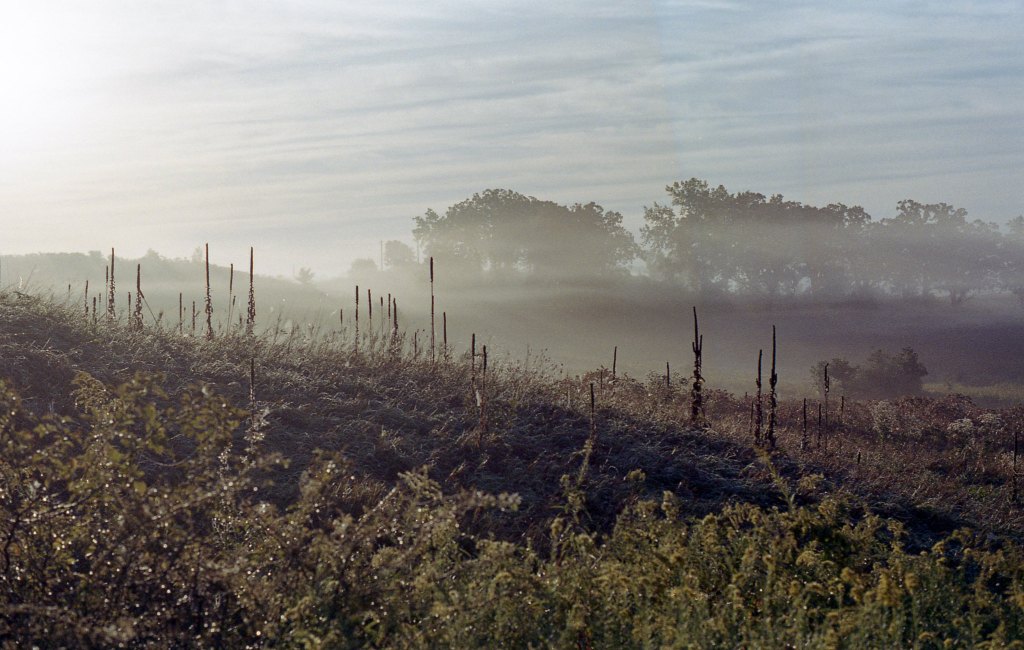
Check out the sample captures below. I think they’re stunning, and on 40-year old equipment to boot. Nikon produced the FE2 between 1983 and 1987.
You might also notice the 80s flavor to FE2 images, especially with the grain texture and color saturation. I love it, feels like flipping through a vintage National Geographic.
Specifications
| Specification | Details |
| Film Format | 35mm |
| Lens Mount | Nikon F mount |
| Shutter Speeds | 8 to 1/4000 seconds |
| Exposure Control | Manual |
| Viewfinder | Eye-level pentaprism |
| Weight | 590g (body only) |
Key Features
- Fully manual control for creative flexibility
- Advanced metering system for accurate exposures
- Robust construction for durability
Pros and Cons
Pros:
- Excellent build quality and reliability
- Precise metering system for accurate exposures
- Compatible with a wide range of Nikon F-mount lenses
Cons:
- Manual control may be overwhelming for beginners
- Limited autofocus capabilities
Typical Price Range: $200 – $300
Nikon FE2 Sample Photos




What Film To Get
Here are five excellent film choices, covering every major use case:
- Kodak Portra 400 – The gold standard for portraits and everyday use; soft tones, wide dynamic range, forgiving exposure.
- Kodak Ultramax 400 – Affordable all-around color film for daylight or indoor shooting without flash.
- Ilford HP5 Plus 400 – Classic black-and-white film with rich contrast and easy home development.
- CineStill 800T – Tungsten-balanced color film for night and indoor scenes with a cinematic look.
- Fujifilm Provia 100F – Professional slide film offering fine detail and true-to-life colors for travel or landscape photography.
Design and Handling
The Nikon FE2 features a robust and ergonomic design, providing durability and stability for beginners. Its manual control dials offer tactile feedback for precise adjustments, allowing users to fully immerse themselves in the creative process.
Performance
With its fully manual control and advanced metering system, the FE2 delivers precise exposures in various lighting conditions. While it may require a learning curve for beginners, its reliability and versatility make it a valuable tool for mastering the art of film photography.
Expert Review
My ideal film camera is exactly this – a compact, 35mm single lens reflex camera with aperture priority semi-automatic shooting mode, plus exposure compensation, a nice viewfinder, and with manual focus and film advance.
– James Tocchio
And since I’ve unintentionally become something of a Nikon collector, it’s helpful (though not necessary) if the camera’s font reads “Nikon.”
If my tastes sound like yours, you may like the camera that I’ve been shooting for the past two months. It’s the Nikon FE2.
Final Verdict
For beginners seeking a reliable and versatile film camera with full manual control, the Nikon FE2 is an excellent choice. Its robust construction, advanced metering system, and compatibility with Nikon F-mount lenses make it the perfect tool for exploring the creative possibilities of analog photography.
Best 35mm Film Camera for $500-$1000
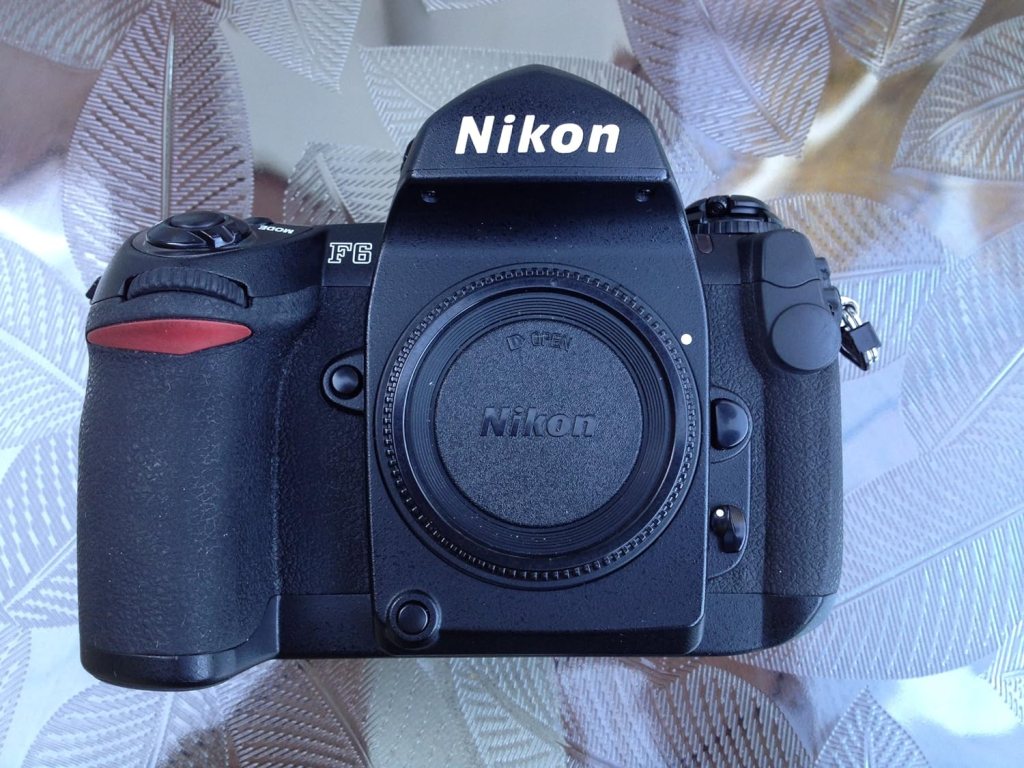
The Nikon F6 stands as a pinnacle of film SLR design, blending traditional photography with modern technology. Ideal for both professionals and serious enthusiasts, the F6 is robust, precise, and capable of handling various photographic challenges.
While production ceased in 2020, mint and near-new units can still be found within this price range, making it a valuable pick for those seeking professional-grade features without venturing into the highest price brackets.
Specifications
| Specification | Details |
|---|---|
| Film Format | 35mm |
| Lens Mount | Nikon F mount |
| Shutter Speeds | 30 sec to 1/8000 sec, Bulb mode |
| Exposure Control | Programmable Auto, Aperture Priority, Shutter Priority, Manual |
| Viewfinder | Fixed eye-level pentaprism |
| Weight | 975g (body only) |
Key Features
- Advanced Metering System: The Nikon F6 features a 3D Color Matrix Metering II system, ensuring excellent exposure control even in complex lighting conditions.
- Durable Construction: With a weather-sealed magnesium body, the F6 is built to withstand rigorous use in varied environmental conditions.
- Customizable Settings: Offers a highly customizable interface with 41 settings to tailor the camera’s operation to the photographer’s style.
Pros and Cons
Pros:
- Highly advanced autofocus system for precise shooting.
- Robust and durable construction suitable for professional use.
- Extensive customization options to fine-tune shooting styles and preferences.
- Many models are mint or like-new condition, meaning you don’t have to worry about expensive repairs.
Cons:
- High initial cost for a film camera, though justified by its features.
- Heavier body might not suit all day-to-day applications or casual users.
Typical Price Range: $500-$1000
Nikon F6 Sample Photos

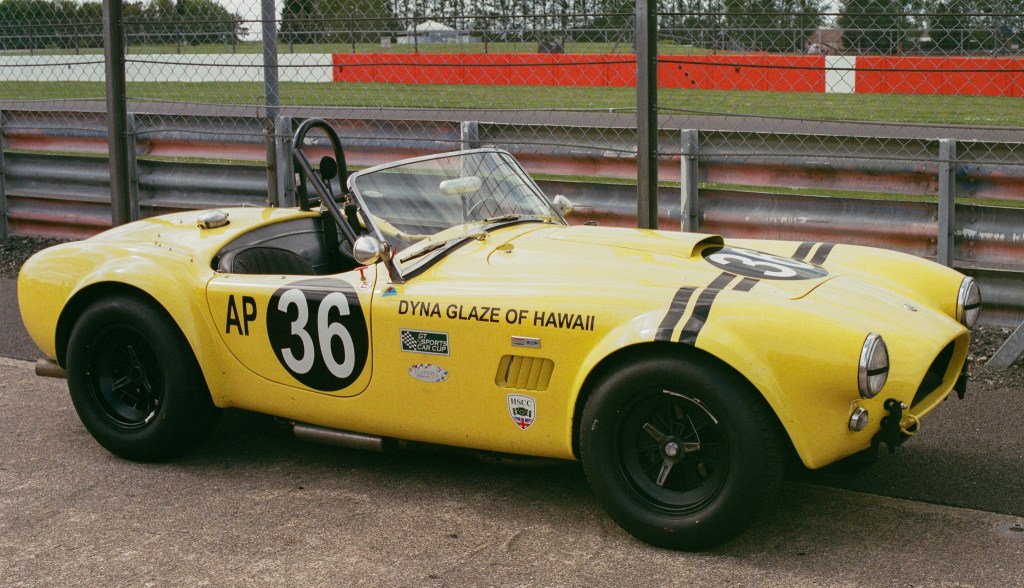
Adam Singer




What Film To Get
Here are five excellent film choices, covering every major use case:
- Kodak Portra 400 – The gold standard for portraits and everyday use; soft tones, wide dynamic range, forgiving exposure.
- Kodak Ultramax 400 – Affordable all-around color film for daylight or indoor shooting without flash.
- Ilford HP5 Plus 400 – Classic black-and-white film with rich contrast and easy home development.
- CineStill 800T – Tungsten-balanced color film for night and indoor scenes with a cinematic look.
- Fujifilm Provia 100F – Professional slide film offering fine detail and true-to-life colors for travel or landscape photography.
Design and Handling
The Nikon F6 features an ergonomic design that facilitates easy handling and operation. Its controls are logically placed for quick access, making it ideal for fast-paced shooting environments.
The substantial grip ensures a stable hold, crucial for capturing sharp images. Personally, I LOVE the way it fits in my hand.
Performance
With its state-of-the-art autofocus system and sophisticated metering, the Nikon F6 excels in delivering consistently high-quality images. Its high shutter speed range allows for capturing fast action shots with clarity and precision, making it a favorite among sports and wildlife photographers.
Expert Review
“Among the last of its kind, the Nikon F6 represents the zenith of film SLR development, combining decades of Nikon’s technological advances into one highly capable device.”
– Camera Expert Reviews
Final Verdict
For photography enthusiasts looking to bridge the gap between traditional film and modern features, the Nikon F6 offers a compelling choice. It’s suited for those who demand high performance and reliability in their film photography practice, providing a blend of manual control with advanced automation features.
Best Film Camera Over $1000
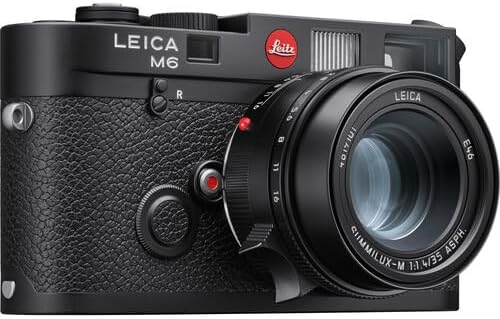
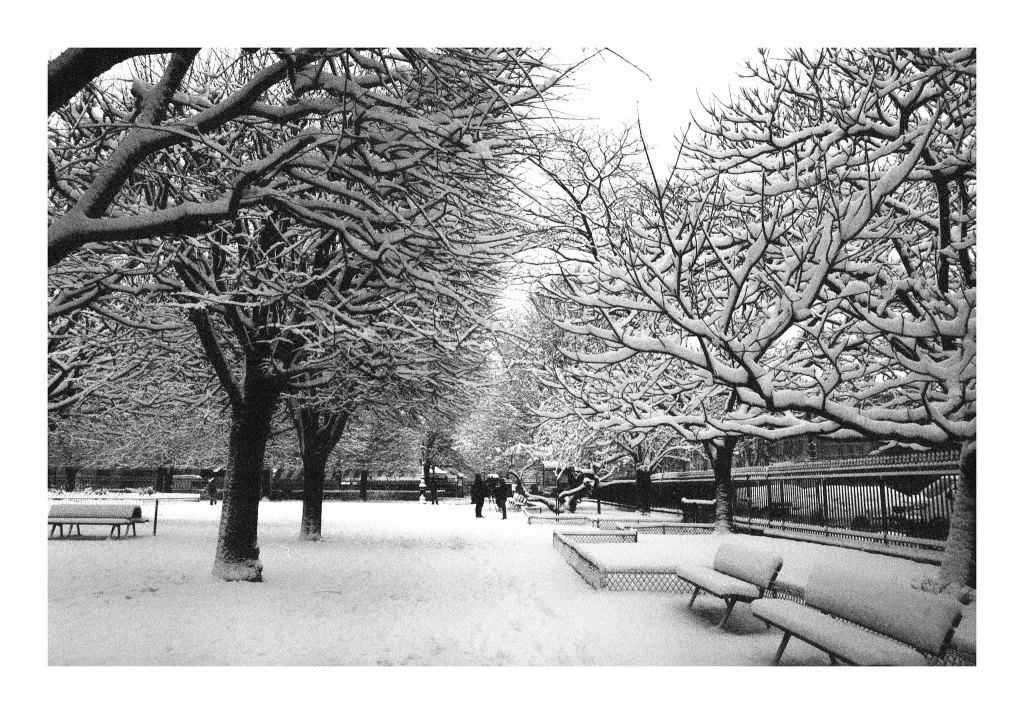
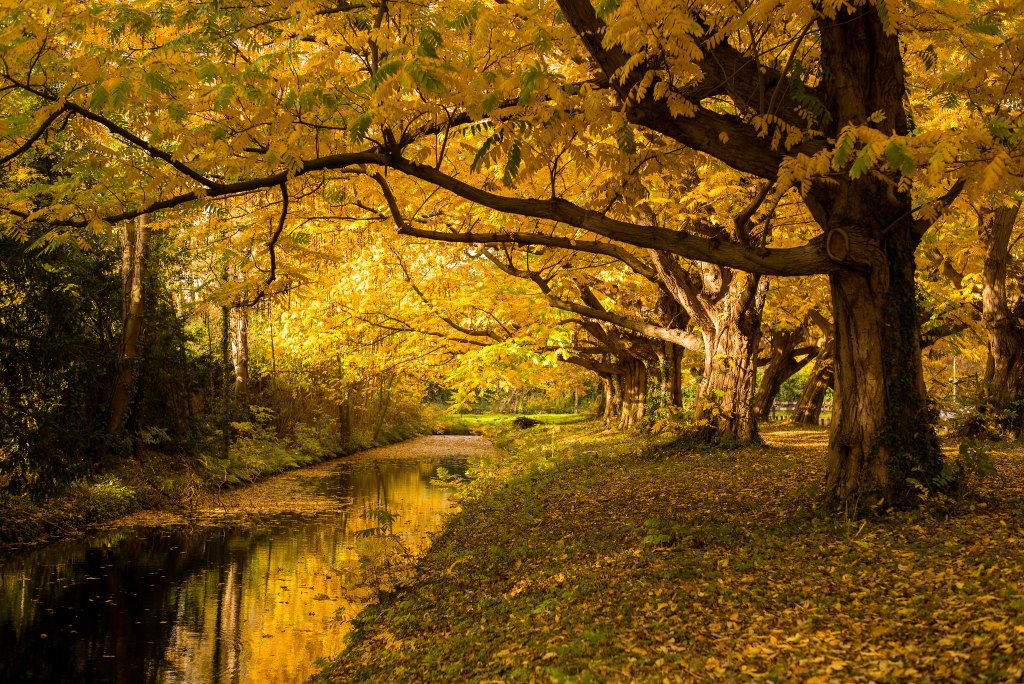
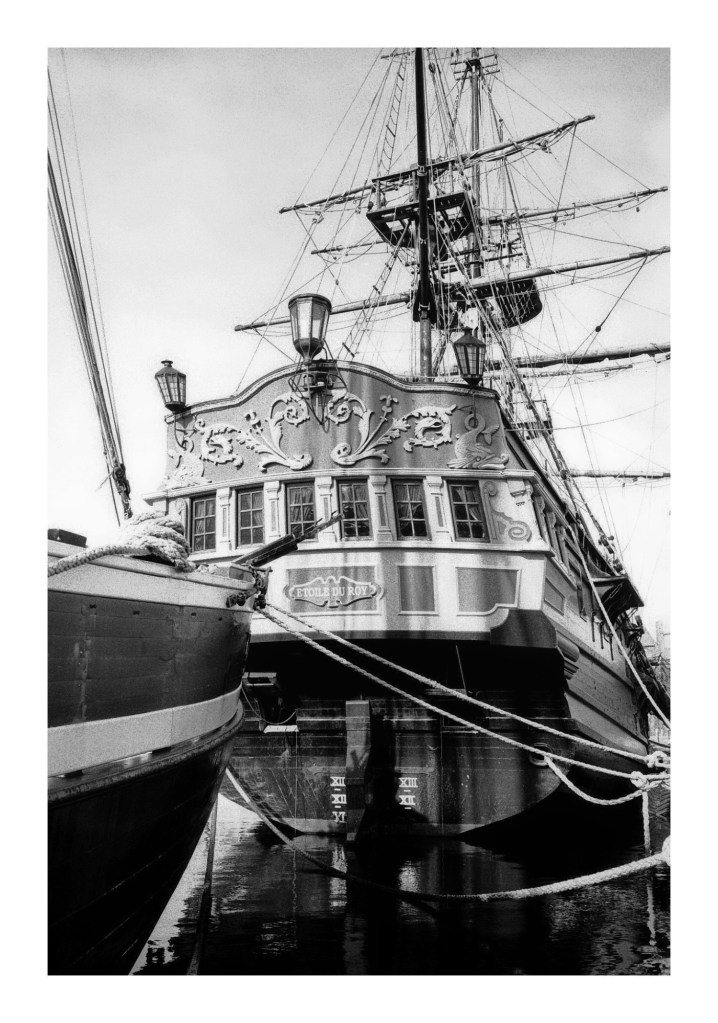
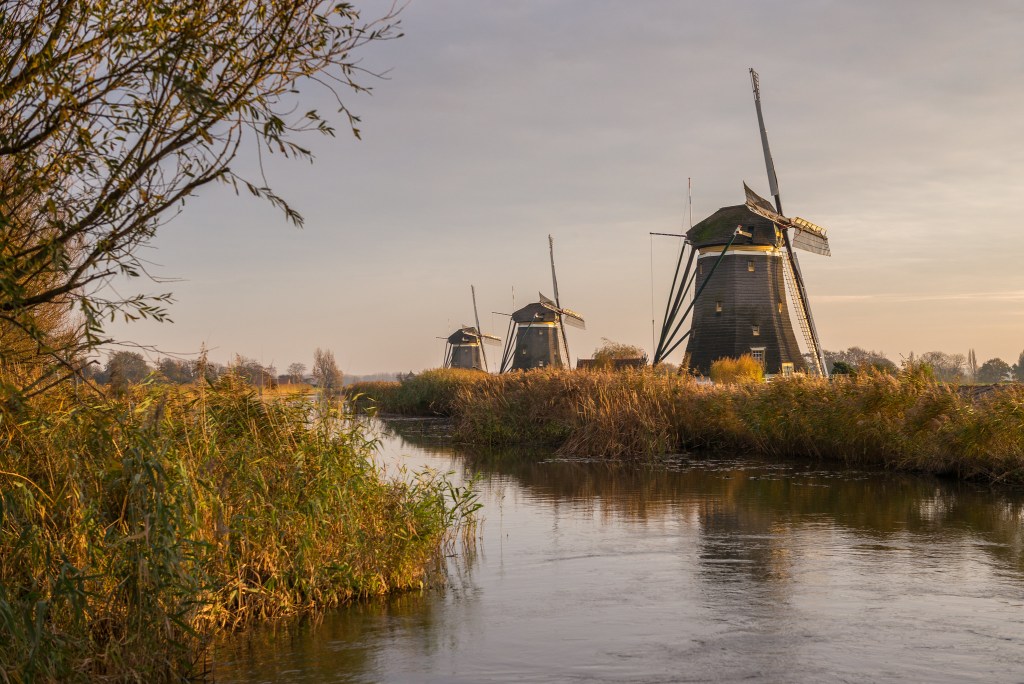
The Leica M6 is a legendary 35mm film camera revered for its precision engineering and timeless design. With its manual control options and exceptional build quality, it’s the epitome of craftsmanship for discerning beginners.
If you want a brand new 35mm film camera, Leica is the only brand offering new models.
Otherwise, your next best bet is the Nikon F6 or FM10 (both above), which were discontinued in 2020. Although I’m sure they hadn’t manufactured either for some years before discontinuing them.
Specifications
| Specification | Details |
| Film Format | 35mm |
| Lens Mount | Leica M mount |
| Shutter Speeds | 1 to 1/1000 seconds |
| Exposure Control | Manual |
| Viewfinder | Optical rangefinder |
| Weight | 585g (body only) |
Key Features
- Fully manual control for creative flexibility
- Bright optical rangefinder for precise focusing
- Superb build quality and craftsmanship
Pros and Cons
Pros:
- Exceptional build quality and craftsmanship
- Precise focusing with optical rangefinder
- Timeless design and enduring appeal
Cons:
- Extremely high price point
- Limited availability due to high demand
Typical Price Range: $1000 and above
Leica M Sample Photos





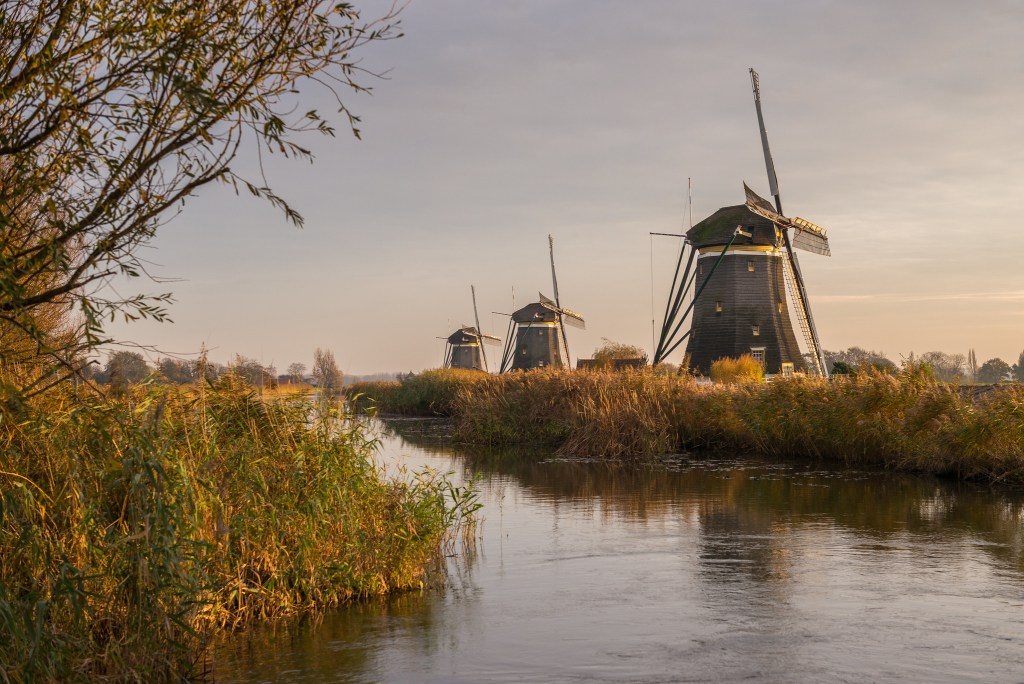


Design and Handling
The Leica M6 features a classic and elegant design with a solid brass body, providing durability and sophistication for beginners. Its manual control dials offer precise adjustments for a personalized shooting experience.
Performance
With its fully manual control and bright optical rangefinder, the M6 delivers exceptional image quality and precision. While its price may be prohibitive for some beginners, its timeless design and craftsmanship make it a cherished companion for purists and collectors alike.
Expert Review
From a photojournalistic point of view, the Leica M6 is the best 35mm film camera ever made.
– Thorsten von Overgaard
Final Verdict
For beginners seeking the ultimate expression of craftsmanship and precision in a film camera, the Leica M6 is an unrivaled choice. Its fully manual control, bright optical rangefinder, and exceptional build quality make it a cherished companion for capturing timeless moments with unmatched elegance and sophistication.
Comparison Table: Best Film Cameras for Beginners
| Category | Camera | Pros | Cons |
|---|---|---|---|
| Best Budget Film Camera | KODAK EKTAR H35 | Compact, easy to use, affordable | Fixed lens, limited manual controls |
| Coolest Film Camera | MAMIYA M645 | High image quality, interchangeable lenses | Bulky, higher cost of maintenance |
| Best Film Camera for $100-200 | Canon EOS Rebel G | Autofocus system, multiple exposure modes | Plastic construction, limited manual control options |
| Best Film Camera for $200-$250 | Nikon FM10 | Fully manual operation, durable construction | No built-in light meter, limited advanced features |
| Best 35mm Film Camera for $250-300 | Canon AE-1 Program | Easy to learn and operate, versatile exposure modes | Plastic construction, limited viewfinder brightness |
| Best Film Camera for $200-300 | Nikon FE2 | Excellent build quality, precise metering system | Manual control may be overwhelming for beginners |
| Best 35mm Film Camera for $500-$1000 | Nikon F6 | Highly advanced autofocus system, durable construction, extensive customization | High initial cost, heavier body, limited availability |
| Best for Film Camera Over $1000 | Leica M6 | Exceptional build quality, bright optical rangefinder | Extremely high price point, limited availability |
This table provides a quick overview of each camera’s features, typical price range, pros, and cons, helping beginners make an informed decision based on their preferences and budget.
20 Things to Know Before Buying Your First Film Camera
Embarking on the journey of buying your first film camera is an exciting step into the world of analog photography. To make an informed decision, there are several essential considerations to keep in mind:
1. Film Format
The film format determines the size of the film negative, affecting image quality and versatility. Common formats include 35mm, medium format (120/220), and large format (4×5 inches or larger). Consider your preferences for image quality, portability, and cost when choosing a format.
2. Manual vs. Automatic
Film cameras come in manual and automatic varieties. Manual cameras require you to set aperture, shutter speed, and focus manually, offering complete control over exposure and creative flexibility. Automatic cameras feature built-in exposure meters and automatic exposure modes, simplifying the shooting process.
3. Lens Compatibility
If you’re considering an interchangeable lens camera, such as an SLR or rangefinder, research the availability and compatibility of lenses for the camera mount. Some camera systems offer a wide range of lenses, providing versatility for different types of photography.
4. Viewfinder Type
The type of viewfinder affects how you compose and focus your shots. Optical viewfinders provide a direct view through the camera’s lens, offering a clear and bright image. Electronic viewfinders (EVFs) display a digital representation of the scene and may offer additional information overlays.
5. Shutter Speeds
Shutter speed determines the length of time the camera’s shutter remains open, controlling the amount of light reaching the film. A wider range of shutter speeds allows for more creative control over motion blur and exposure.
6. Aperture Range
Aperture controls the amount of light entering the camera through the lens, as well as the depth of field in the resulting image. A wider aperture range allows for greater control over exposure and creative effects such as shallow depth of field.
7. Focus System
The focus system determines how the camera achieves sharp focus on the subject. Manual focus cameras require you to adjust the focus ring on the lens manually, offering precise control over focusing distance. Autofocus cameras use sensors to automatically adjust focus, making them quicker and easier to use, especially for fast-moving subjects.
8. Light Metering
The light meter measures the amount of light in the scene and helps determine the correct exposure settings. Cameras may use different metering modes, such as evaluative, center-weighted, or spot metering, to measure light across the frame.
9. Battery Type
Film cameras may require batteries to power the light meter, autofocus system, or other electronic features. Check the type of battery required for the camera and ensure that it is readily available and affordable.
10. Build Quality
The build quality of the camera affects its durability, reliability, and longevity. Look for cameras constructed from high-quality materials, such as metal or durable plastics, that can withstand the rigors of regular use.
11. Ease of Use
Consider the user-friendliness of the camera, including the layout of controls, menus, and settings. Cameras with intuitive controls and straightforward operation are ideal for beginners, allowing you to focus on capturing images rather than wrestling with complicated settings.
12. Weight and Size
The weight and size of the camera affect its portability and comfort during extended shooting sessions. Consider your preferences for portability and handling when choosing a camera.
13. Availability of Accessories
Check the availability of accessories such as straps, cases, lenses, and filters for the camera. Accessories can enhance your shooting experience and provide added functionality and protection for your gear.
14. Film Loading and Rewinding
Familiarize yourself with the process of loading and rewinding film in the camera. Some cameras feature automatic film loading and rewinding mechanisms, while others require manual operation.
15. Maintenance Requirements
Understand any maintenance requirements for the camera, such as cleaning, servicing, and replacing parts. Regular maintenance can help prolong the lifespan of your camera and ensure optimal performance over time.
16. Price Range
Determine your budget range and explore cameras within that price range that offer the features you need. Keep in mind that film cameras vary widely in price, from affordable entry-level models to high-end professional systems.
17. Research Models
Research different camera models and read reviews to learn about their strengths, weaknesses, and suitability for beginners. Look for reputable sources of information, such as photography websites, forums, and online communities, to gather insights and recommendations from experienced photographers.
18. Brand Reputation
Consider the reputation of the camera brand for quality, reliability, and customer support. Established brands with a history of manufacturing high-quality cameras may offer greater peace of mind and assurance of product quality.
19. Return Policy
If buying a used camera or from a third-party seller, inquire about the seller’s return policy and warranty coverage. A flexible return policy allows you to test the camera and ensure that it meets your expectations before committing to the purchase.
20. Image Aesthetics
Film cameras were produced over a range of decades. Of course, film technology changed over time, leading to different aesthetics. Keep in mind the production date of a potential model. Look up sample photos to check the aesthetic.
Understanding Film Availability and Processing Options
As you embark on your journey with the best film camera for beginners, it’s crucial to understand not just your camera but also the types of film it uses and the options available for processing your photos.
This knowledge will enhance your overall experience and enable you to make informed choices about your photography projects.
Types of Film
Different cameras use different types of film, each offering unique characteristics and results:
- 35mm Film: The most common and accessible film format. It’s versatile and used by cameras like the Nikon FM10 and Canon AE-1 Program.
- 120 Film: Used by medium format cameras like the MAMIYA M645, offering higher resolution and detail, ideal for professional quality shots.
- Specialty Films: Some cameras may require specific types of film, like the KODAK EKTAR H35, which might use a distinct film type affecting availability and choice.
Where to Buy Film
Film can be purchased from various sources:
- Online Retailers: Websites offer a wide range of film types and brands.
- Local Camera Stores: These stores not only sell film but also offer valuable advice.
- Second-hand Markets: A good source for discontinued or rare film types.
Processing Your Film
Once you’ve captured your shots, developing your film is the next step:
- Local Labs: Check for local development labs which can offer services from developing film to scanning and printing your photos.
- Mail-In Services: If local options are scarce, numerous mail-in services offer comprehensive film processing and return your negatives along with digital copies.
- DIY Development: For the more adventurous, developing your own film at home can be a rewarding, though challenging, process.
Considerations for Beginners
- Availability and Cost: Some films are more readily available and more cost-effective than others. Beginners might want to start with more common and less expensive film types.
- Experimentation: Trying different types of film and processing methods can help you understand what works best for your style of photography.
- Community Advice: Engaging with the photography community, both online and offline, can provide insights and recommendations on film choices and processing techniques.
Support a Fellow Photographer
Thanks for checking out the best film cameras for beginners!
Just a heads up, some of the links in this article are affiliate links. That means if you click on them and make a purchase, I might earn a small commission at no extra cost to you.
By clicking my links before making a purchase, a little money goes to a fellow photographer. I’m not making loads of money by giving advice, so I’d really appreciate the gesture!




Leave a Reply