Portrait work exposes a camera fast. Bad eye autofocus shows up immediately. So do weak skin tones, awkward handling, and lens systems that look good on paper but get expensive fast once you try to build around them.
That is why this list of the 5 best cameras for portraits leans hard toward bodies that feel dependable in real use, not just impressive in spec charts. Adobe’s own portrait guide still lands on the basics that matter most: sharp focus on the eyes, flattering light, and control over depth and mood.
A lot of camera roundups get too polite. I do not think all “good” cameras are equally worth buying for portraits. Some bodies make the job easier. Some make you fight for consistency. The five below are the ones I would actually point people toward right now.
Quick Picks
- Best overall: Sony a7 IV
- Best for a smart, easy start: Canon EOS R50
- Best full-frame value without extra bulk: Canon EOS R8
- Best for color and hybrid shooting: Fujifilm X-S20
- Best for classic handling and character: Nikon Z f
Related articles
- Best Camera Settings for Portraits (+ Examples)
- 8 Best Portrait Lenses: Bang-for-Your-Buck Winners by Brand
- 4 Best Portrait Lenses for Canon RF (Budget, Pro, Third Party)
Comparison Table: Core Picks
| Camera | Best For | Sensor Format | Why It Stands Out |
|---|---|---|---|
| Sony a7 IV | Best overall portrait work | Full-frame | Strong eye AF, excellent files, deep lens ecosystem |
| Canon EOS R50 | Best for newer portrait shooters | APS-C | Fast subject detection, light body, simple to trust |
| Canon EOS R8 | Best lightweight full-frame step-up | Full-frame | Full-frame look, strong AF, very portable |
| Fujifilm X-S20 | Best for portraits and video | APS-C | Great color, flexible hybrid features, strong tracking |
| Nikon Z f | Best for tactile shooting | Full-frame | Excellent image quality, IBIS, more intentional shooting feel |
Comparison Table: Real-World Feel
| Camera | Autofocus Feel | Portrait Style | Main Tradeoff |
|---|---|---|---|
| Sony a7 IV | Sticky and confident | Studio, lifestyle, paid client work | Costs more once you build the kit |
| Canon EOS R50 | Fast and forgiving | Casual portraits, learning, family sessions | Less room to crop hard |
| Canon EOS R8 | Quick and modern | Full-frame portraits in a light package | Battery life and controls are simpler |
| Fujifilm X-S20 | Smart and versatile | Editorial, lifestyle, hybrid work | Lens choices can get pricey |
| Nikon Z f | Strong, but more about feel too | Character-rich portraits, slower sessions | Not the most stripped-down option |
How I Picked These
Three things matter more than the rest.
First, eye autofocus. Portrait photography is not a genre where “pretty close” counts. If the eye is soft and the lashes are sharp, or the ear is sharp and the eye is not, the frame is gone.
Second, lens runway. A camera body is a starting point, not the whole system. If the body is good but the portrait lens path is awkward, limited, or too expensive too soon, that matters.
Third, the files themselves. Some cameras just make people look right with less effort. Not magic. Just a better starting point.
1. Sony a7 IV
Best Overall for Serious Portrait Work
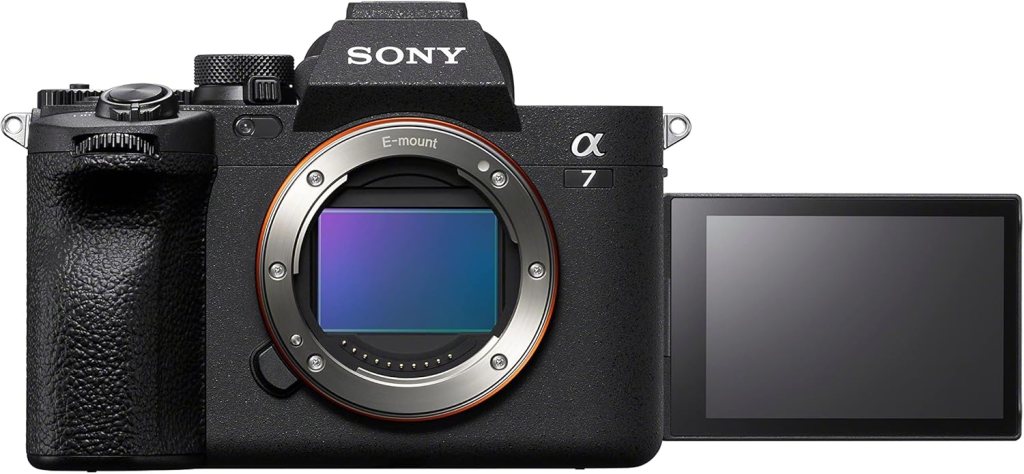
The Sony a7 IV is the safest serious recommendation on this list, and I mean that in the best way.
It has a 33MP full-frame sensor, Sony’s real-time autofocus, and excellent eye detection. More important, it behaves like a mature tool. You pick it up, point it at a person, and it does what you expected. That sounds basic. It is not.
What I like most here is balance. The resolution is high enough to crop without panic, but not so high that every file becomes a storage problem.
Sony’s autofocus remains one of the easiest systems to trust when your subject shifts, turns, laughs, or drifts off your carefully chosen plane of focus. For portraits, that confidence matters more than a lot of flashy extras.
The a7 IV remains widely available, which matters for a recommendation article that is supposed to help someone buy something now, not chase discontinued stock.
Review Summary
This is the best overall pick because it gives you very little to apologize for. The autofocus is excellent. The files are flexible. The lens ecosystem is deep. It is not the most romantic camera here, but it is the one I would trust most if a client were already in the car.
Pros
- Reliable eye autofocus
- Full-frame 33MP sensor gives you crop room
- Huge lens ecosystem for portraits
- Strong hybrid stills and video option
- Mature, proven body
Cons
- Not the smallest setup once you add portrait lenses
- Menus are still Sony menus
- Can cost more than it first appears once you build the system
Best for: photographers who want one camera that can handle headshots, lifestyle sessions, indoor portraits, family work, and paid shoots without feeling like a compromise.
Real Testimonial
The Sony a7 IV is the most complete portrait camera in this group. It gets the hard parts right without drama. Eye autofocus is dependable, the files have enough resolution to crop without getting fragile, and the lens ecosystem is deep enough that you are not boxed into one look. It is not the most charming camera here, but it is the one I would trust most for paid portrait work, client sessions, and shooters who want one body that can keep up as their standards rise.
2. Canon EOS R50
Best for New Portrait Shooters and Light Everyday Use
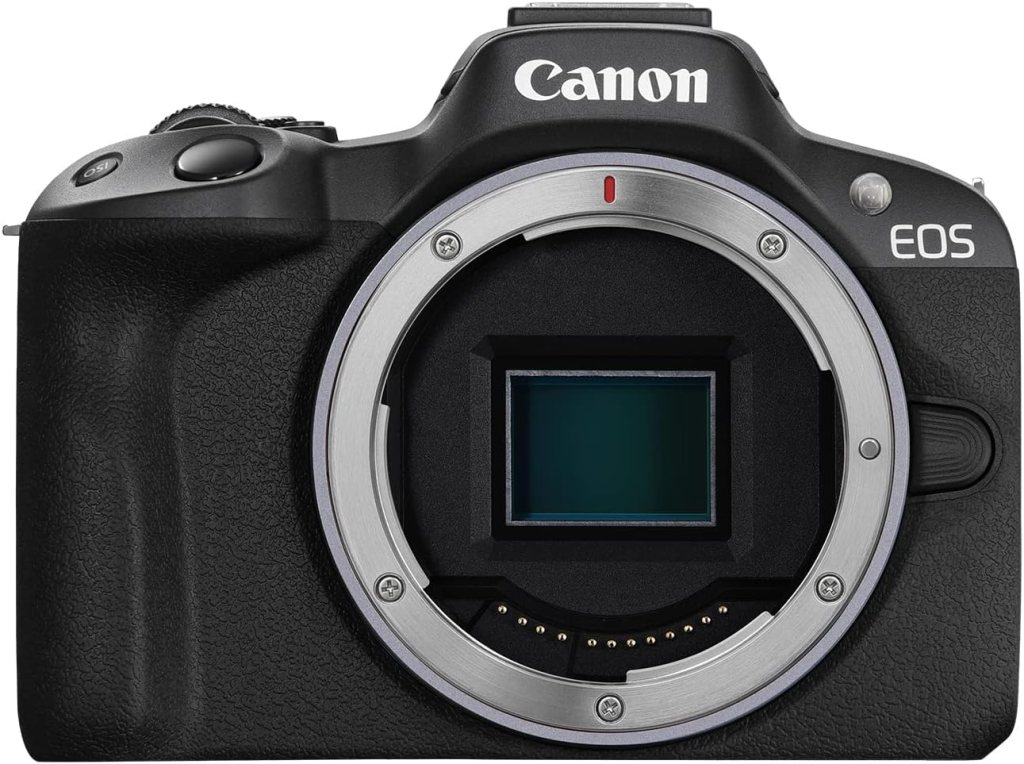
The Canon EOS R50 is the kind of camera people underestimate because it looks approachable. That is exactly part of its appeal.
Canon gives it subject detection for people, including eye detection, in a body that feels light, quick, and easy to carry. It does not ask for a long adjustment period. It gets out of the way.
I like this pick because it makes portrait photography feel less technical at the start. You can focus on framing, expression, and light instead of wondering whether the camera is about to miss. That has real value.
A lot of people buy too much camera too early, then shoot less because the tool feels heavier than the habit they are trying to build. The R50 avoids that trap.
Review Summary
This is the smart second pick because it is light, modern, and surprisingly capable for portraits. It is not here as a “budget” pity recommendation. It is here because it is genuinely easy to use well.
Pros
- Eye detection is very beginner-friendly
- Small body that is easy to bring anywhere
- Canon color tends to be kind to skin
- Simple learning curve
- A good entry into the RF system
Cons
- APS-C gives you less latitude than full-frame if you crop aggressively
- Smaller body can feel cramped with larger lenses
- Not the camera I would choose for heavy commercial work
Best for: anyone getting serious about portraits who wants a camera that feels intuitive on day one and still makes sense once they improve.
Real Testimonial
The Canon EOS R50 is the easiest camera on this list to recommend to someone who wants clean, flattering portraits without a steep learning curve. It is small, quick to understand, and far more capable than its size suggests. For portraits, that matters. You spend less time fighting controls and more time paying attention to expression, framing, and light. It is a smart pick for newer shooters, casual portrait work, and anyone who values a camera they will actually carry.
3. Canon EOS R8
Best Full-Frame Upgrade Without Extra Bulk
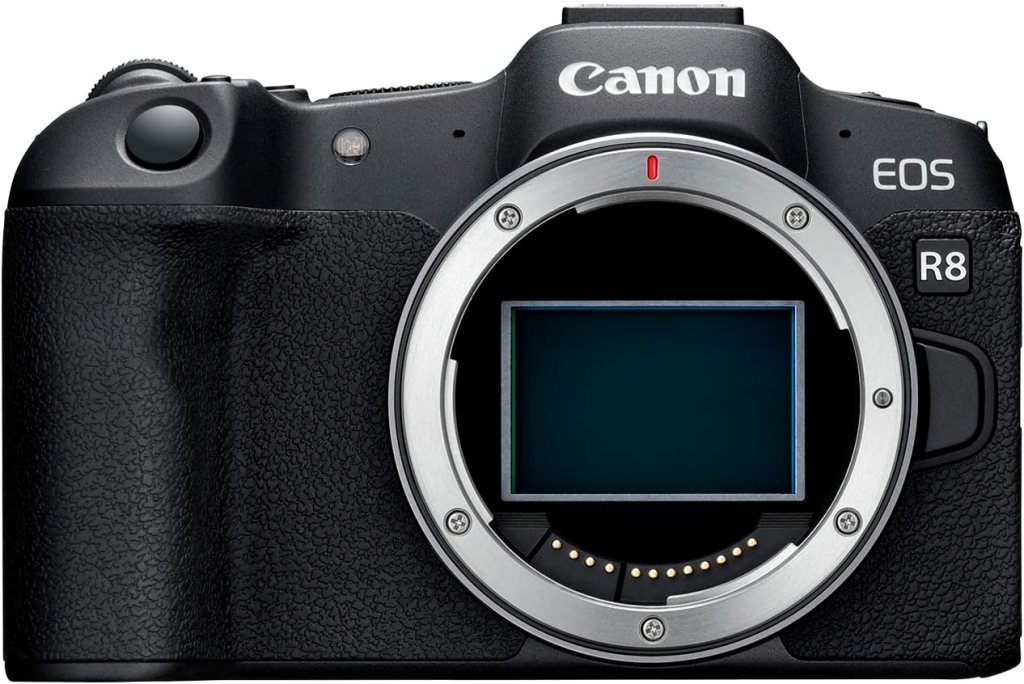
The EOS R8 makes a lot of sense for portrait shooters who want the full-frame look without carrying a brick.
Canon positions it as a lightweight full-frame mirrorless body with subject detection, eye AF, and strong low-light performance, and that description more or less lines up with why it belongs here.
It gives you the cleaner background separation and low-light confidence people usually want from full-frame, but without the heavier body style that often comes with the upgrade.
This is also one of those cameras that hits a sweet spot emotionally. It feels like a real step up. Better files. Better low-light behavior. Better room to grow. But it does not punish you for carrying it all day.
I do think the handling is simpler than what some power users want, and battery life is not its strongest selling point. Still, for portraits, it gets a lot right.
Review Summary
The R8 is a strong pick for someone who wants full-frame portraits and modern autofocus in a body that stays light on the shoulder and simple in the hand.
Pros
- Full-frame sensor in a very light body
- Strong eye and subject detection
- Good low-light performance
- Easy jump for people moving up from entry-level gear
- Pleasant balance of size and output
Cons
- Battery life is not a headline feature
- Less substantial grip and control layout than higher-tier bodies
- Not the most rugged-feeling camera here
Best for: photographers ready to move into full-frame portrait work without turning every session into a gear workout.
Real Testimonial
The Canon EOS R8 makes a strong case for full-frame without turning the whole experience into a heavy, expensive production. It gives you the depth, low-light flexibility, and cleaner files people usually want when they move up from APS-C, but it stays light and easy to live with. That is the appeal. It feels like a real upgrade without the bulk or stiffness that sometimes comes with more “serious” bodies. For portrait shooters who want full-frame quality in a simpler package, it is a very convincing option.
4. Fujifilm X-S20
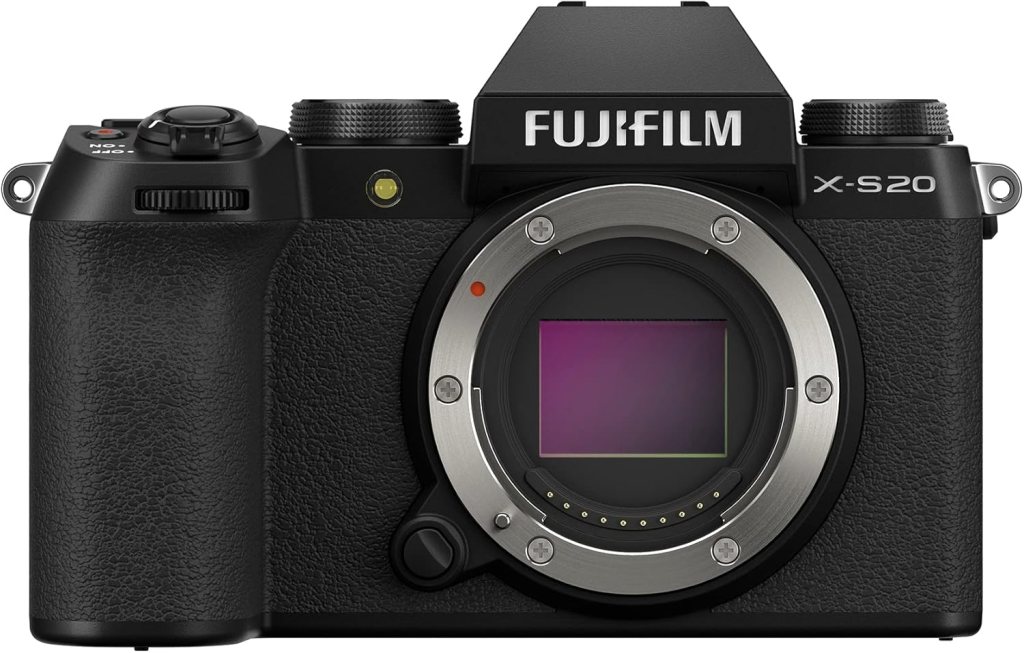
Best for Color and Hybrid Portrait Shooting
The Fujifilm X-S20 is the camera on this list for people who care about color and who bounce between stills and video.
Fujifilm says it offers face and eye tracking plus AI-based subject detection AF, and that matters because older conversations about Fujifilm often circled around autofocus hesitation. The X-S20 feels like a more modern answer.
There is also the Fujifilm factor, which is hard to quantify but easy to recognize. Some people simply enjoy what comes out of these cameras.
The color rendering has a look people connect with. Portrait shooters, especially lifestyle shooters, tend to notice that fast. You still need the right lens and good light, obviously. But starting from files you already like is not nothing.
Review Summary
The X-S20 is for portrait photographers who want a flexible camera with appealing color, modern tracking, and enough video strength to cover more than one kind of job.
Pros
- Strong face and eye tracking
- Fujifilm color has a loyal following for a reason
- Good hybrid stills and video body
- Compact without feeling stripped down
- Nice middle ground between fun and practical
Cons
- APS-C still has limits compared with full-frame for extreme shallow depth
- Native lens choices can get expensive fast
- Not everyone likes Fujifilm ergonomics equally
Best for: portrait shooters who also create video, or who care a lot about color character and a smaller kit.
Real Testimonial
The Fujifilm X-S20 is the pick for people who care about color and do not want their camera to feel sterile. It is a strong hybrid body with modern autofocus, useful video chops, and the kind of files many portrait shooters respond to right away. There is a little more personality here than with the safer choices, and that is part of the value. It is not the obvious default pick for everyone, but for photographers who want portraits to look a little more intentional straight out of the gate, it has real appeal.
5. Nikon Z f

Best for Classic Handling and Natural-Looking Portraits
The Nikon Z f is the most emotional recommendation here, but not a shallow one. Nikon gives it a 24.5MP full-frame sensor, EXPEED 7 processing, subject recognition, 3D tracking, and in-body image stabilization.
So yes, it has the modern tools. But the real appeal is that it feels like a camera you want to use, not just a device you tolerate because it performs well.
That matters more than some reviewers admit. When a camera slows you down in a good way, you often frame better. You wait longer.
You pay attention. For portraits, that can be a real strength. The Z f is not my first pick for everyone. It is my pick for the photographer who wants excellent files, strong autofocus, stabilization, and a body with actual personality.
Review Summary
The Nikon Z f is a very good portrait camera dressed as a camera people might still love ten years from now. It is not just pretty. It is capable.
Pros
- Full-frame sensor with strong image quality
- Modern subject recognition and tracking
- In-body stabilization helps in lower light
- Distinctive shooting experience
- Good fit for slower, more intentional portrait work
Cons
- More style-driven than some buyers need
- Not the simplest option if you want pure efficiency
- Better for people who appreciate tactile controls
Best for: photographers who want portrait performance without giving up the pleasure of using the camera itself.
Real Testimonial
The Nikon Z f is the most taste-driven choice on this list, but it is not here just because it looks good. It is a genuinely strong portrait camera with excellent image quality, modern autofocus, and a shooting experience that feels slower in a good way. Some cameras make you work fast. This one makes you pay attention. For portrait photographers who care about the act of shooting as much as the final file, the Z f has a pull that spec-heavy cameras often miss.
What Actually Matters in a Portrait Camera
Eye autofocus
This is the first filter. Adobe’s portrait guidance still puts a clear emphasis on keeping the eyes sharp, and that is not a beginner tip. It is the center of the frame in most portrait work. A camera that nails the eye lets you think about the human part of the image instead of babysitting focus.
Sensor size versus lens choice
Full-frame helps. It gives you more room in low light and makes shallow depth easier. But a good APS-C body with the right lens can still make excellent portraits. The real mistake is buying a body and then leaving no room for the lens that actually creates the portrait look.
Skin tone and color response
Nobody buys a camera because a spec sheet said “pleasant skin.” Still, once you edit a lot of portraits, you learn which files fight you and which ones start closer to where you want them.
System runway
Portrait photography tends to lead people toward lenses fast. An 85mm. Maybe a 50mm. Maybe a faster portrait prime once paid work starts. That is why lens ecosystem matters almost as much as the body.
Common Buying Mistakes for Portrait Shooters
- Buying resolution instead of autofocus
- Spending everything on the body and settling for the wrong lens
- Assuming full-frame automatically fixes weak portraits
- Ignoring ergonomics and buying a camera you do not enjoy using
- Choosing a camera for sports or wildlife specs when portraits are the real priority
Conclusion
If I had to keep this brutally simple, I would say the Sony a7 IV is the best overall buy here. The Canon EOS R50 is the easiest good recommendation for someone starting out. The Canon EOS R8 is the clean full-frame move.
The Fujifilm X-S20 has the strongest color-driven personality in the middle of the pack. And the Nikon Z f is for people who want the camera to feel like part of the craft, not just a sensor with buttons.
DPReview’s buying guides are still useful as a broad second opinion when you want more category context, but for portrait work specifically, I would still start with the five above.
What is the best camera for portraits overall?
The Sony a7 IV is the best overall pick here because it gives you the fewest weak spots. The autofocus is dependable, the files are flexible, and the lens ecosystem is deep.
Is full-frame really better for portraits?
Often, yes. Full-frame makes shallow depth of field easier and usually handles low light more comfortably. But a good APS-C camera with the right portrait lens can still produce excellent results.
What is the best portrait camera for beginners?
The Canon EOS R50. It is light, fast to learn, and its eye detection makes early portrait sessions much less frustrating.
Which camera has the best autofocus for portraits?
On this list, the Sony a7 IV is the safest autofocus bet overall. Canon’s R50 and R8 are also very strong if you prefer Canon’s handling and color.
Is Sony or Canon better for portrait photography?
Neither wins every time. Sony usually gets the edge for lens variety and autofocus confidence. Canon is often easier for newer shooters to click with right away.
Are Fujifilm cameras good for portraits?
Yes. Especially if you like Fujifilm color and want a smaller hybrid camera. The X-S20 is a good example because it combines face and eye tracking with a flexible body.
Does megapixel count matter for portrait photography?
It matters, but less than people think. Once you are in the 24MP to 33MP range, autofocus, lens quality, and lighting usually make a bigger difference.
What lens should I buy after the camera body?
Usually a fast normal or short telephoto prime. On full-frame, 85mm is a classic portrait focal length. On APS-C, around 50mm often lands in a very flattering place for head-and-shoulders work.
Is a mirrorless camera better than a DSLR for portraits?
For most buyers now, yes. The autofocus tools, eye detection, live preview, and current lens roadmaps all favor mirrorless.
Can APS-C cameras still blur the background well?
Absolutely. You just need the right lens and enough subject-background distance. APS-C is not a dealbreaker for portraits. It just changes your lens choices a bit.
What settings should I use for portrait photography?
That depends on light and movement, but many portraits start around a wide aperture, a shutter speed fast enough to stop subject movement, and the lowest workable ISO.
Do I need image stabilization for portraits?
Not always. It helps more in lower light or slower-paced sessions. For moving subjects, shutter speed still matters more.
Which camera is best for portraits and video?
The Fujifilm X-S20 is a strong hybrid choice, and the Sony a7 IV also handles that dual role very well. Which one fits better depends on whether you care more about color style or full-frame flexibility.
What is the best camera for indoor portraits?
The Sony a7 IV and Canon EOS R8 stand out because full-frame helps indoors, especially once light drops and you want cleaner files.
How much should I spend on a portrait camera?
Enough to leave room for a proper portrait lens. That is the real answer. People overspend on bodies all the time and then wonder why the results feel ordinary.
Affiliate Disclaimer
This article contains affiliate links. We may earn a small commission if you purchase through these links, at no extra cost to you.
Leave a Reply