
Before I share my best real estate photography lens recommendations for every brand and mount type, I want to share a little wisdom.
The biggest mistake I see amateurs making is ripping open to 12mm and calling it a day.
But there’s a much better way.
And it affects which lens you should buy.
Expert Tips About Real Estate Photography Lenses
1. 24-35mm is surprisingly useful
Although 50mm lenses are usually hailed as mimicking the human perspective, our eyes actually vary along a range between 35mm and 50mm.
Usually closer to 50mm, yes, but still on a spectrum.
While projecting spaciousness is sometimes important for real estate photography, sometimes it’s more important to capture highly realistic perspectives.
For example, you may want to incorporate people into a shoot of a co-working space. Or you may want to capture certain property details, like a cool fireplace, with minimal distortion.
Perhaps most commonly, you’ll want the 24-35mm range for environmental or exterior shots.
This is important because real estate photography lens options often make you choose between 12-24mm and 16-35mm.

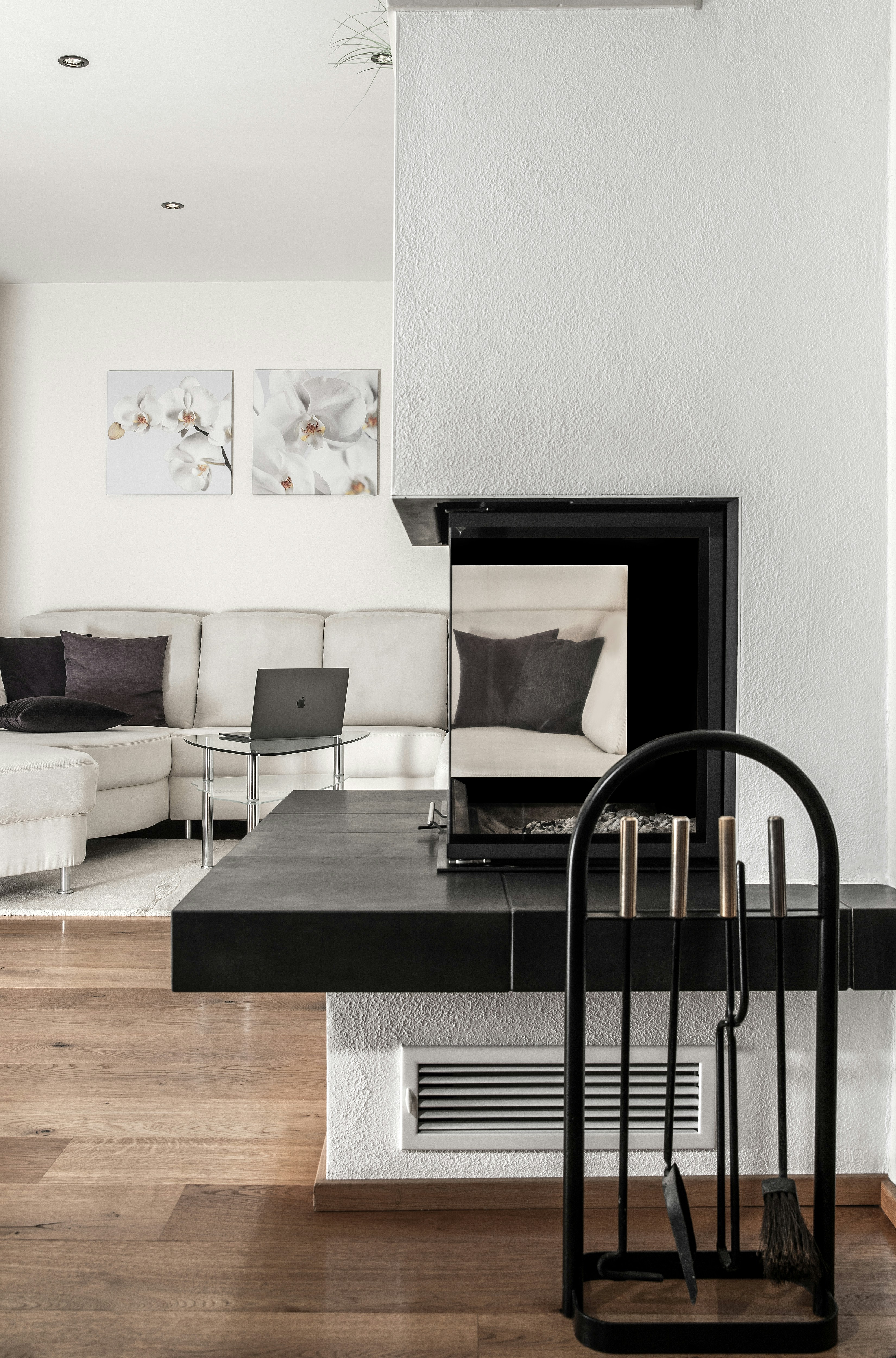
Notice how narrowing down to 35mm encourages excellent composition that can highlight details both indoors and outdoors.
The staging of these homes isn’t especially impressive. But shooting at 35mm makes them feel like they belong in a magazine. That quality will help realtors (and by proxy, you) win more clients and earn more money.
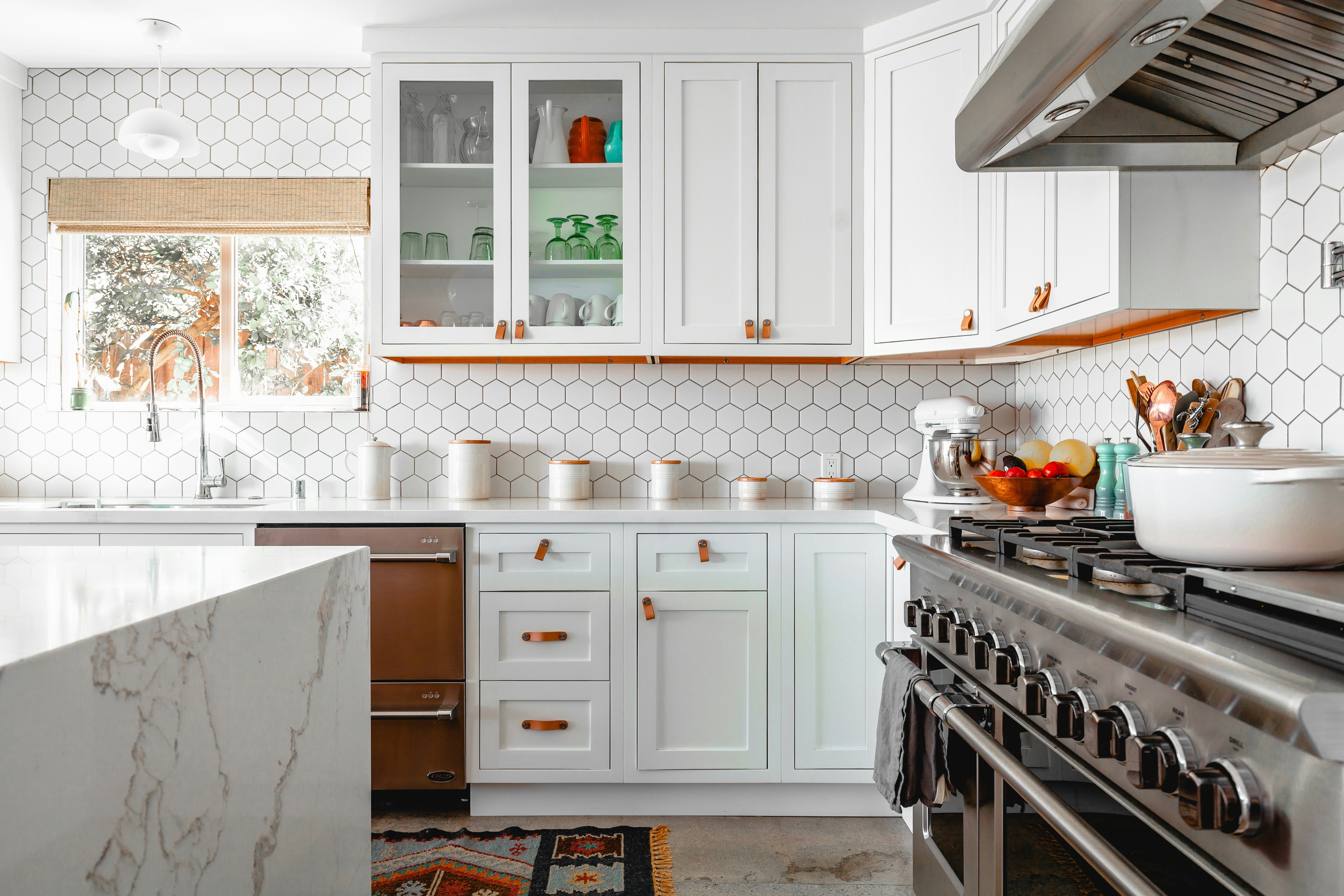
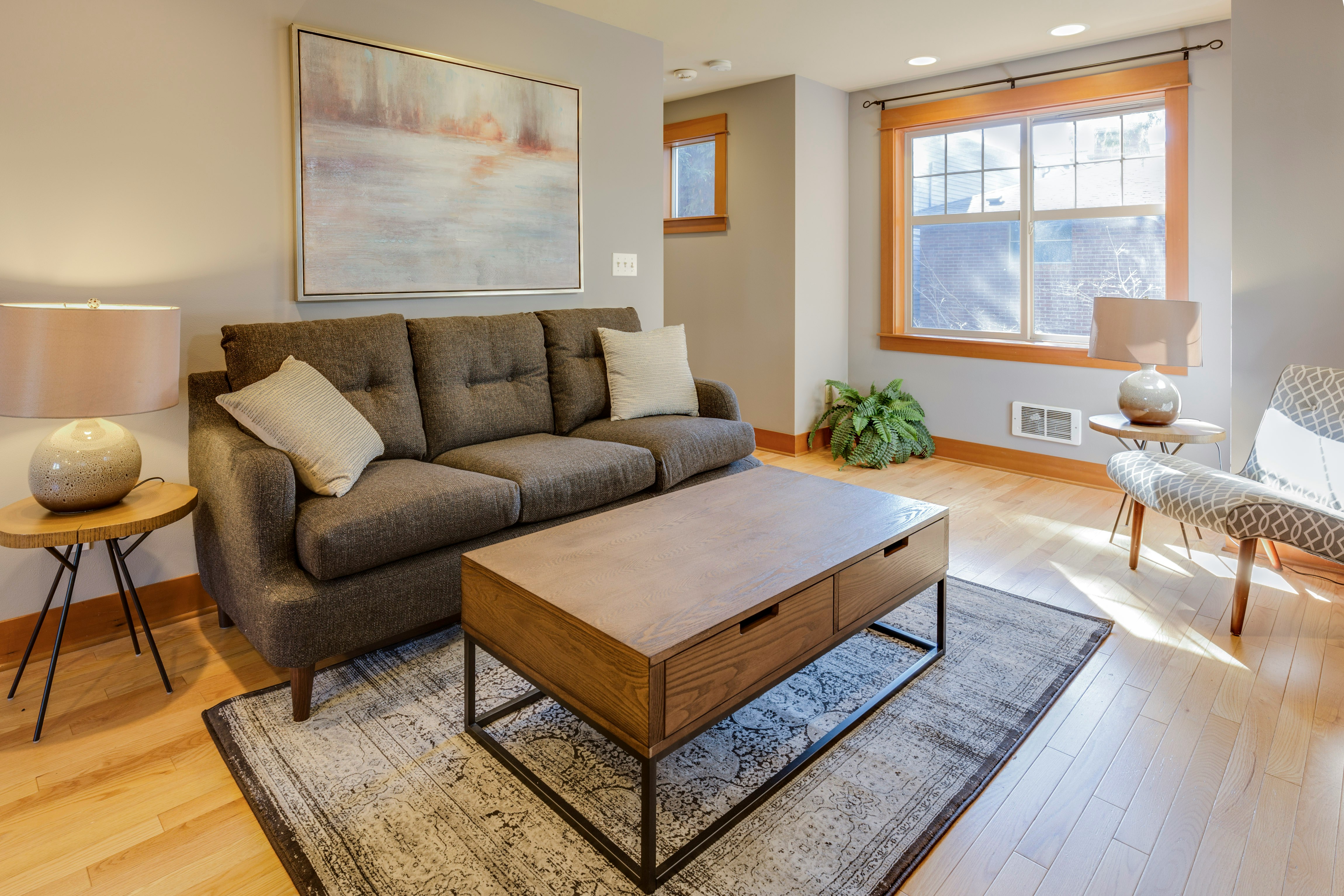
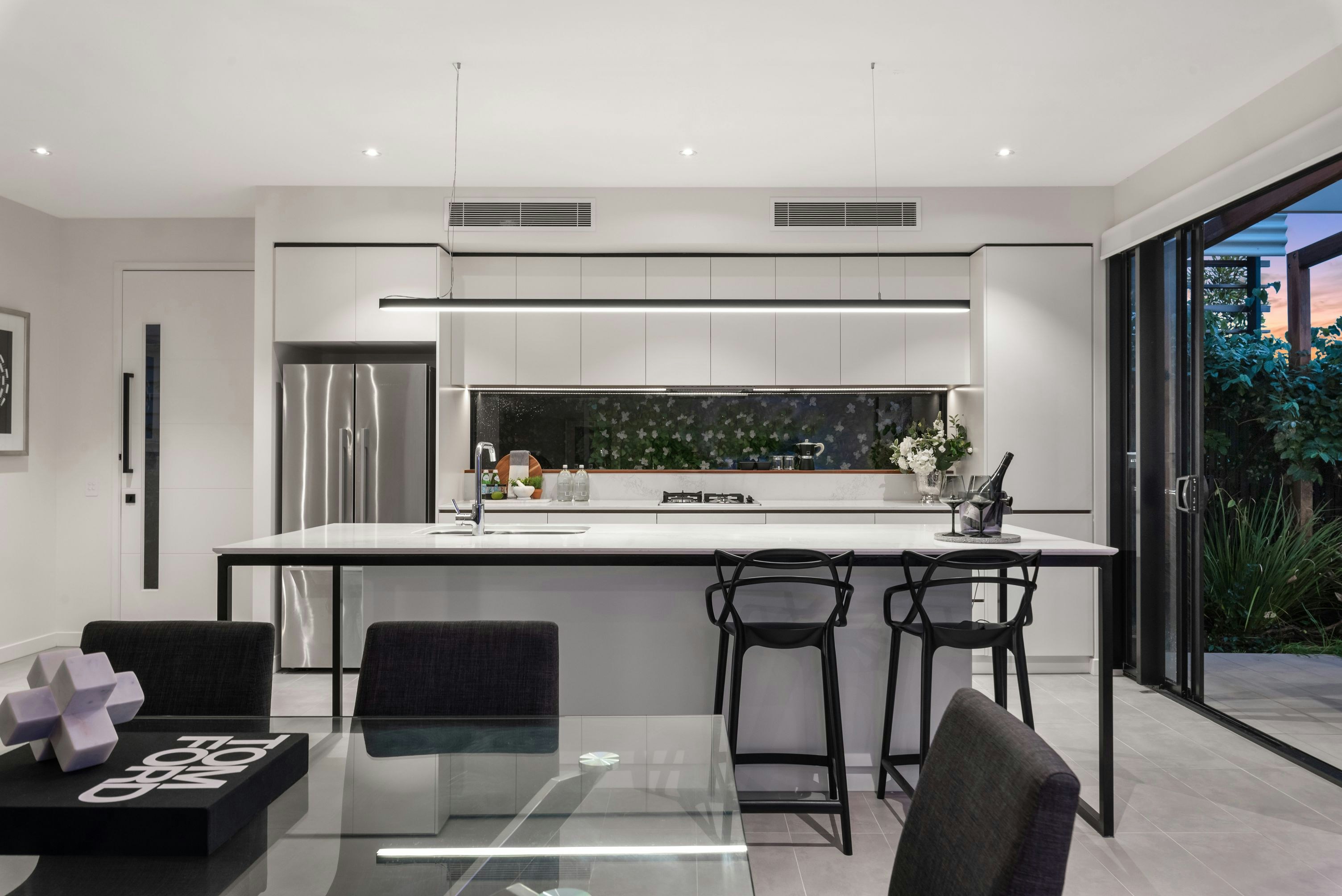
2. 20-24mm is the sweet spot
For the most part, this range is where skilled professionals live. Fortunately, this doesn’t make much of a difference when choosing a lens to buy. All the standard options include this crucial range.
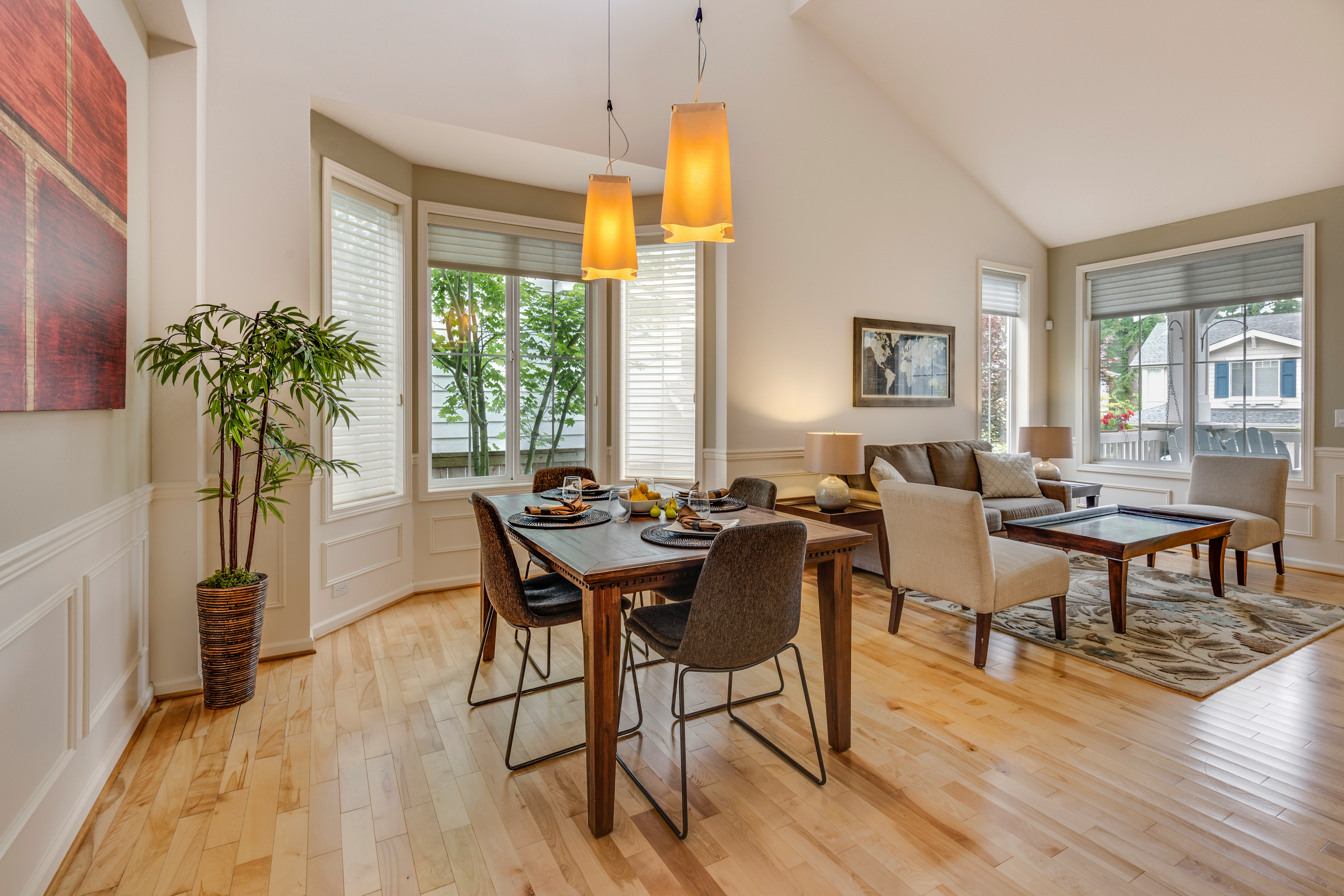
Here are some examples of the 20-24mm range working perfectly in small spaces.

3. 16-20mm can be life-saving
Amateur real estate photographers rightly think that one of the central challenges of RE photography is working in tight spaces and making them look spacious. This is where the 16-20mm range comes in handy.
That said, amateurs also overcorrect a lot. I explain what I mean in the next section.
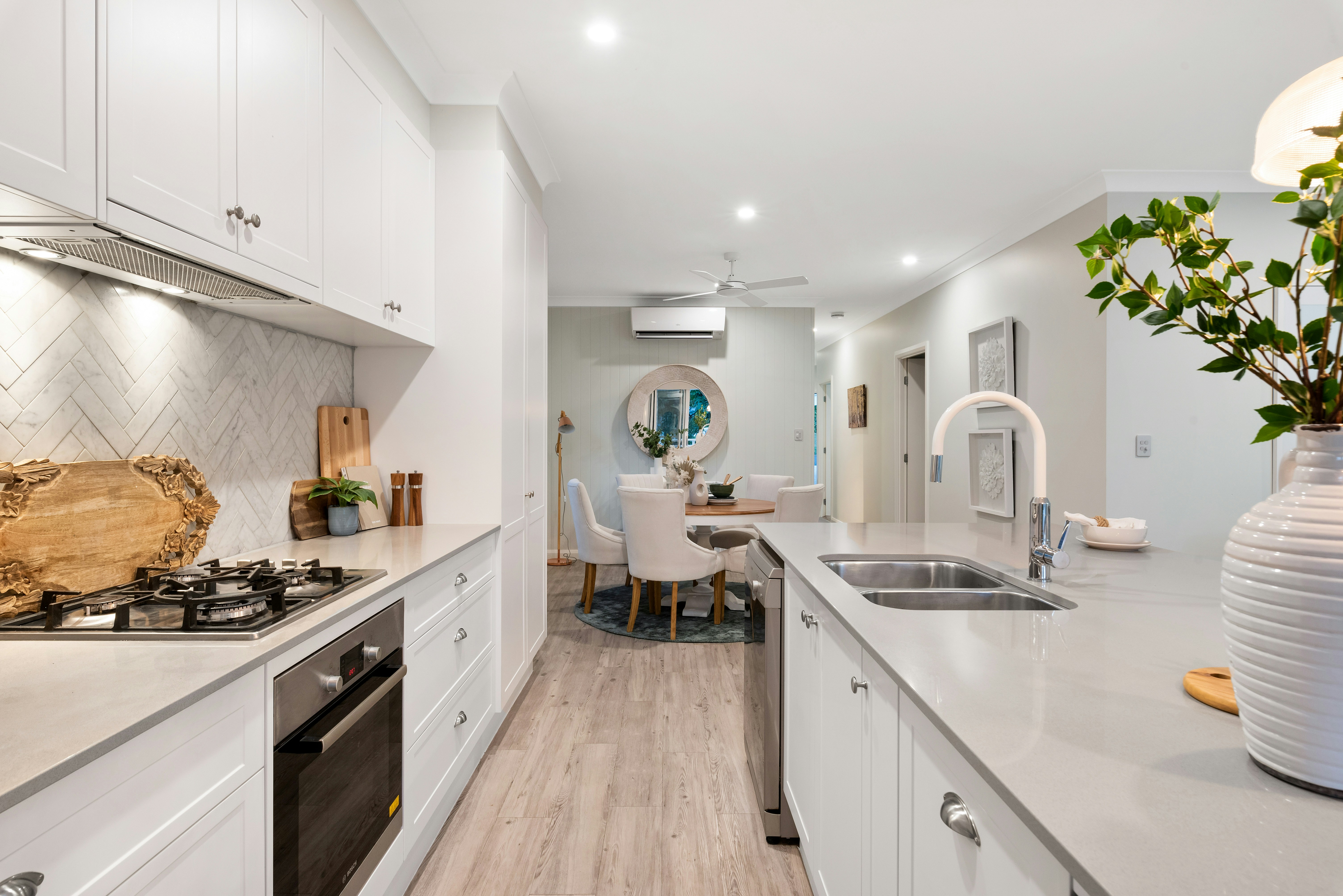
For now, check out these photos taken at 16mm. They project spaciousness without going overboard.


4. 10-16mm can be problematic
Although shooting around 12mm can make spaces appear significantly larger, this approach can backfire.
When potential buyers see a photo of a seemingly spacious living room but find it much smaller in person, it can lead to disappointment and frustration for both the buyer and the realtor.
Highly distorted images can also feel uninviting, even slightly nauseating.
The goal should be to capture as much of the space as possible without distorting its true size, offering a (fairly) realistic representation of the property.
Images at 12mm can also look strangely far away. It’s often a rookie mistake that can result in terrible distortion and/or negative feedback from real estate agents. Take a look.

In the example above, the back of the room feels like it’s pulling away. It’s a bit unsettling. Actually, it’s the same lens pull used in cinema when someone’s world crashes around them.
Even non-photographers can tell there’s something off about this photo.


Now compare these two images with the slider. They are the same floor plan, only the left image (with wood floors) is taken at 12mm and the right image (with white floors) is at 16mm.
Focus on the foreground and background of the left image.
They’re clearly distorted and leaves the viewer with a warped sense of the space. The floor is too long, and the space near the fireplace is unnaturally narrow.
The right image, taken at 16mm, is both more pleasing and realistic. But it still misses the mark. Shooting at 20-24mm would have been better.
That becomes obvious when you see the room from a different perspective.

See, isn’t it crazy how misleading those photos seem now?
My point is to beware the temptation of photographing in the sub 16mm range. It’s often a bad shortcut used by amateur RE photographers. That advice also affects which lens you should buy.
Pro Tip: If you’re having trouble framing a shot at 16mm, you probably need to focus on two walls instead of three.
Lens-Buying Mistakes to Avoid
1. Generally avoid prime lenses.
Most highly successful real estate photographers have graduated to shoot luxury real estate exclusively.
Generally, that presents a slightly different set of requirements than the average suburban home or smaller apartment, which are often the bread and butter of new real estate photographers.
Luxury real estate involves larger rooms with more natural light and fewer eyesores. That means they can get away with shooting with the wonderful Canon TS-E 17mm f/4L Tilt-Shift Lens.
But if we’re being honest, it’s kinda just a flex. And a somewhat impractical one at that.
Zoom lenses that reach at least 16mm will prove crucial for tighter spots and making cramped areas look spacious. Similarly, lenses with a wider aperture will prove useful for spaces with limited natural light.
Since real estate photography is generally a one-lens job, I recommend getting f/2.8 zoom lenses for optimal performance.
But do not lose any sleep over an f/4 lens. A tripod, great natural light, and a 1/4 second shutter go a long way.
2. Don’t obsess over lens sharpness.
Should you buy a sharp real estate photography lens? Absolutely.
But remember that you’re photographing for homebuyers, not art critics. More to the point, your photos are going to end up on sites like Zillow.
I guarantee that big-name property listing websites are more concerned with optimizing the page speed that property listing images load, rather than maximizing resolution and sharpness.
Slight differences in sharpness will get lost in translation to the online digital space. Images will be compressed and have lower resolutions.
In other words, you don’t need to shell out hundreds more for top-of-the-line glass. It’s also another reason wide-angle zoom lenses are the superior choice over prime lenses for real estate photography.
I know some pros who use prime lenses, but even they agree that it’s more a personal preference than the most logical decision.
Best Lenses for Real Estate Photography
Here are the absolute best lens choices for real estate photography. I’ve divided them into two categories, the best-performing lens and the best-value lens. Best value refers to the most bang for your buck, not the cheapest.
I’ve considered both first-party and third-party lenses for every category and mount type. Take confidence in the fact that this was one of the simplest articles for me to write.
For other photography niches, I have a lot of hard decisions requiring hours of testing and research. I care deeply about providing the absolute best information and recommendations 100% of the time, so sometimes I end up pulling my hair out.
But for the best real estate photography lenses below, every recommendation was simply the clear winner. That’s good for both of us. Less stress in my research process, and zero analysis paralysis for you.
Canon RF Mount Lenses
Amazon
- Best Performing: Canon RF 15-35mm f/2.8L IS USM / Refurbished
- Best Value: Canon RF 14-35mm f/4L IS USM / Refurbished
B&H Photo
- Best Performing: Canon RF 15-35mm f/2.8L IS USM
- Best Value: Canon RF 14-35mm f/4L IS USM
Canon EF Mount (DSLR) Lenses
Amazon
- Best Performing: Canon EF 16-35mm f/2.8L III USM / Refurbished
- Best Value: Tamron 17-35mm f/2.8-4 Di OSD
B&H Photo
- Best Performing: Canon EF 16-35mm f/2.8L III USM
- Best Value: Tamron 17-35mm f/2.8-4 Di OSD
Nikon Z Mount Lenses
Amazon
- Best Performing: Nikon Z 17-28mm f/2.8 / Refurbished
- Best Value: Nikon Z 14-30mm f/4 S / Refurbished
B&H Photo
- Best Performing: Nikon Z 17-28mm f/2.8
- Best Value: Nikon Z 14-30mm f/4 S
Nikon F Mount (DSLR) Lenses
Amazon
- Best Performing: Sigma 18-35mm f/1.8 DC HSM Art / Refurbished
- Best Value: Sigma 18-35mm f/1.8 DC HSM Art / Refurbished
B&H Photo
- Best Performing: Sigma 18-35mm f/1.8 DC HSM Art
- Best Value: Sigma 18-35mm f/1.8 DC HSM Art
Sony E Mount (Full-Frame) Lenses
Amazon
- Best Performing: Sony FE 16-35mm f/2.8 GM / Refurbished
- Best Value: Tamron 17-28mm f/2.8 Di III RXD / Refurbished
B&H Photo
- Best Performing: Sony FE 16-35mm f/2.8 GM
- Best Value: Tamron 17-28mm f/2.8 Di III RXD
Fujifilm X Mount Lenses
Amazon
- Best Performing/Best Value: Fujifilm XF 10-24mm f/4 R OIS WR
B&H Photo
Best Performing/Best Value: Fujifilm XF 10-24mm f/4 R OIS WR
Micro Four Thirds (MFT) Lenses
Amazon
- Best Performing: Olympus M.Zuiko Digital ED 7-14mm f/2.8 PRO / Refurbished
- Best Value: Panasonic Lumix G Vario 7-14mm f/4 ASPH
B&H Photo
- Best Performing: Olympus M.Zuiko Digital ED 7-14mm f/2.8 PRO
- Best Value: Panasonic Lumix G Vario 7-14mm f/4 ASPH
Problem-Solving Real Estate Photography Gear
1. Best RE Tripod Heads
In recent years, a variety of tripod heads have emerged, offering numerous options for real estate photography. No single tripod head is perfect, regardless of price or quality.
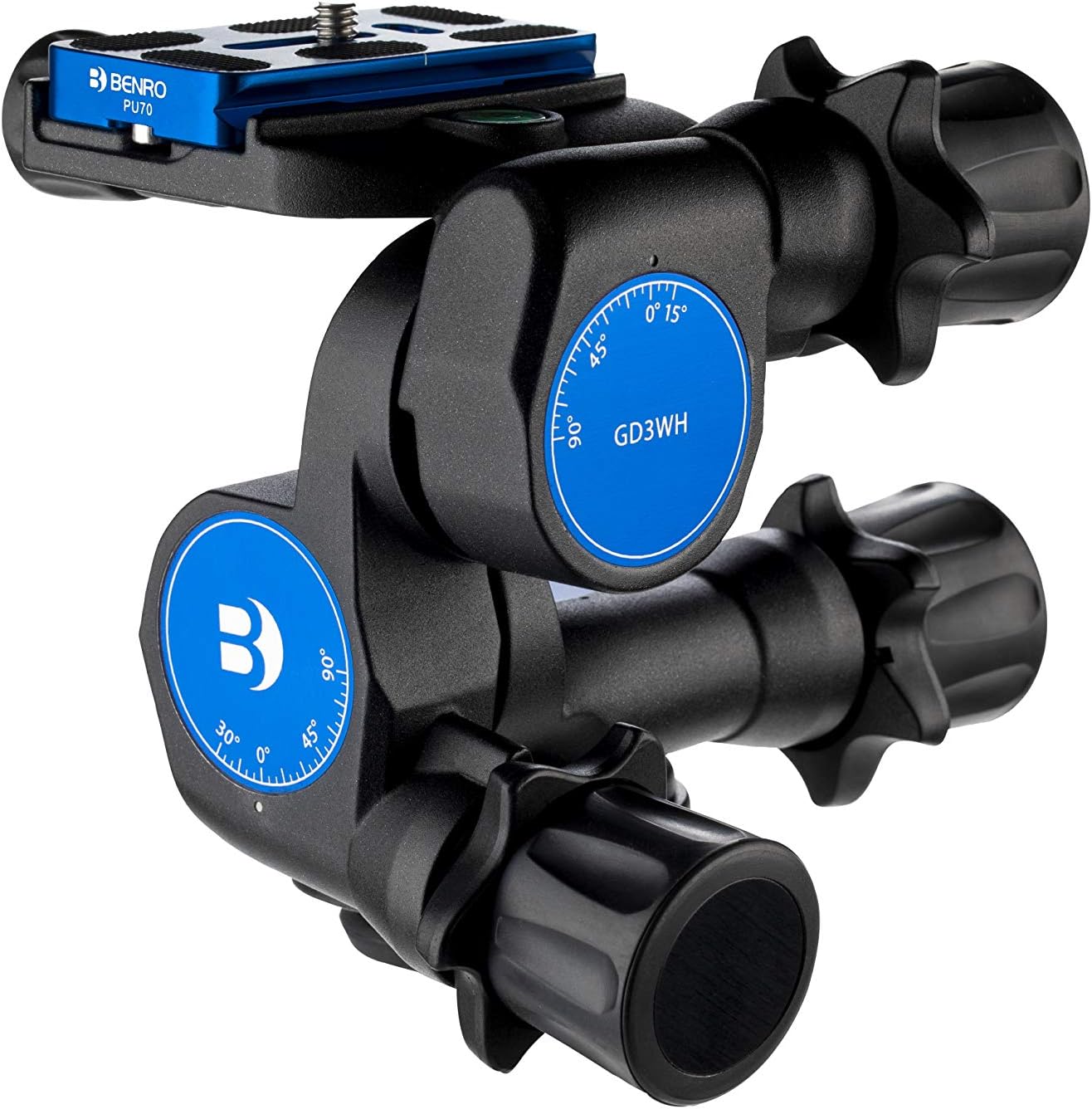
Among the top recommendations are the Benro head, known for its sturdy build and reliable performance, and the K&F Concepts head, which features a robust clamping system.
However, both have their drawbacks, such as the Benro’s less durable clamping mechanism and the K&F’s subpar plate.
To address these issues, you have two options. First, you can get the Benro head and be careful with the clamping mechanism.
Benro 3-Way Geared Tripod Head
Second, you can get the K&F Concepts head and replace the plate with the 3 Legged Thing Quick Release Plate.
Personally, I find this to be the best solution long term. Unfortunately, tripods break down at some point, no matter how premium the price tag.
The combination below has excellent value. You won’t get a much more reliable setup without paying over $1000. And cheap tripods always become expensive in the long run.
K&F Concept 3-Way Geared Tripod Head & 3 Legged Thing Plate

2. Best Tripod Legs
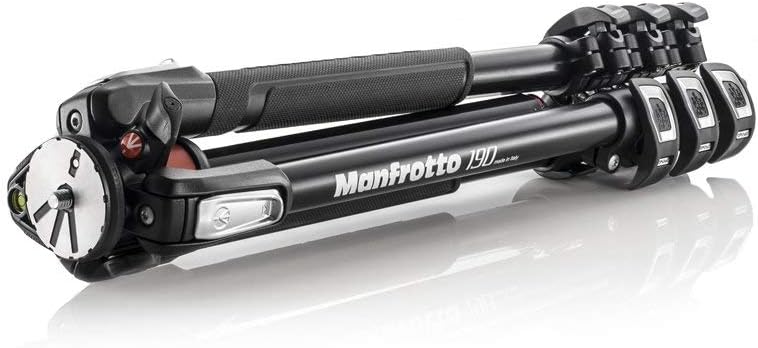
The Manfrotto MT190XPRO4 4 Section Aluminum Tripod Legs are an amazing deal because Amazon has been offering them at 25% off for awhile.
Manfrotto is a universally trusted brand, so you can’t go wrong here.
Detailed Reviews of the Best Real Estate Photography Lenses
Canon RF Mount Lenses
Best Performing Lens: Canon RF 15-35mm f/2.8L IS USM

The Canon RF 15-35mm f/2.8L IS USM is considered one of the best lenses for real estate photography due to its outstanding image quality and versatile wide-angle range. Its fast, constant f/2.8 aperture allows for excellent low-light performance and depth of field control, which is crucial for indoor real estate shoots.
Pros:
- Superior Image Quality: Advanced optics, including aspherical and UD elements, reduce distortions and aberrations.
- Constant f/2.8 Aperture: Provides great low-light performance and shallow depth of field.
- Image Stabilization: Up to five stops of stabilization, helping to keep images sharp in various conditions.
- Robust Build: Weather-sealed construction for durability in different environments.
Cons:
- Expensive: High cost, which may be a consideration for amateur photographers.
- Heavy: Relatively heavy, which can be cumbersome for extended shoots.
Best Value: Canon RF 14-35mm f/4L IS USM

The Canon RF 14-35mm f/4L IS USM is another excellent lens for real estate photography, offering a broader focal range at a more accessible price point. Its f/4 aperture is sufficient for most lighting conditions encountered in real estate.
Pros:
- Wide Focal Range: Covers ultra-wide to wide-angle perspectives.
- Image Stabilization: Includes IS for steady shots, even in lower light.
- Compact and Lightweight: Easier to handle and carry compared to f/2.8 lenses.
- L-Series Quality: High build quality and weather sealing.
Cons:
- Slower Aperture: f/4 aperture is not as fast as f/2.8, limiting low-light performance.
- Distortion at 14mm: Some distortion at the widest focal length.
Canon EF Mount (DSLR) Lenses
Best Performing: Canon EF 16-35mm f/2.8L III USM
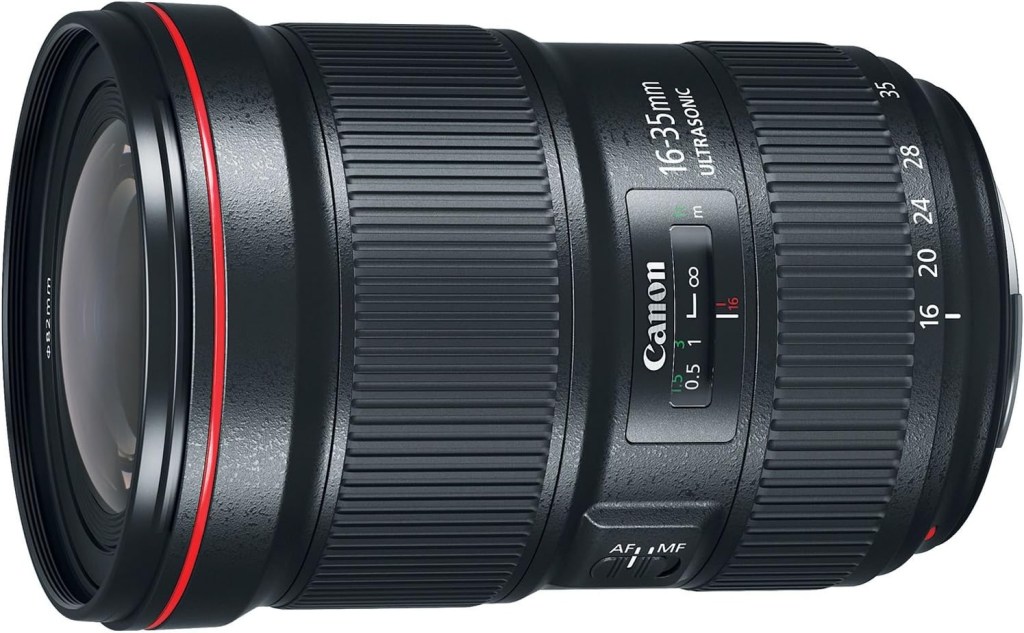
For those using Canon DSLRs, the Canon EF 16-35mm f/2.8L III USM is highly regarded as the best Canon lens for real estate photography due to its sharpness, fast aperture, and professional features.
Pros:
- Excellent Sharpness: Superior optical performance with minimal distortion and aberration.
- Constant f/2.8 Aperture: Great for low-light and creative depth of field.
- Professional Build: Weather-sealed, robust construction suitable for demanding environments.
Cons:
- High Cost: Expensive, reflecting its professional-grade status.
- Weight: Heavier than some other wide-angle lenses, which can affect portability.
Best Value: Tamron 17-35mm f/2.8-4 Di OSD
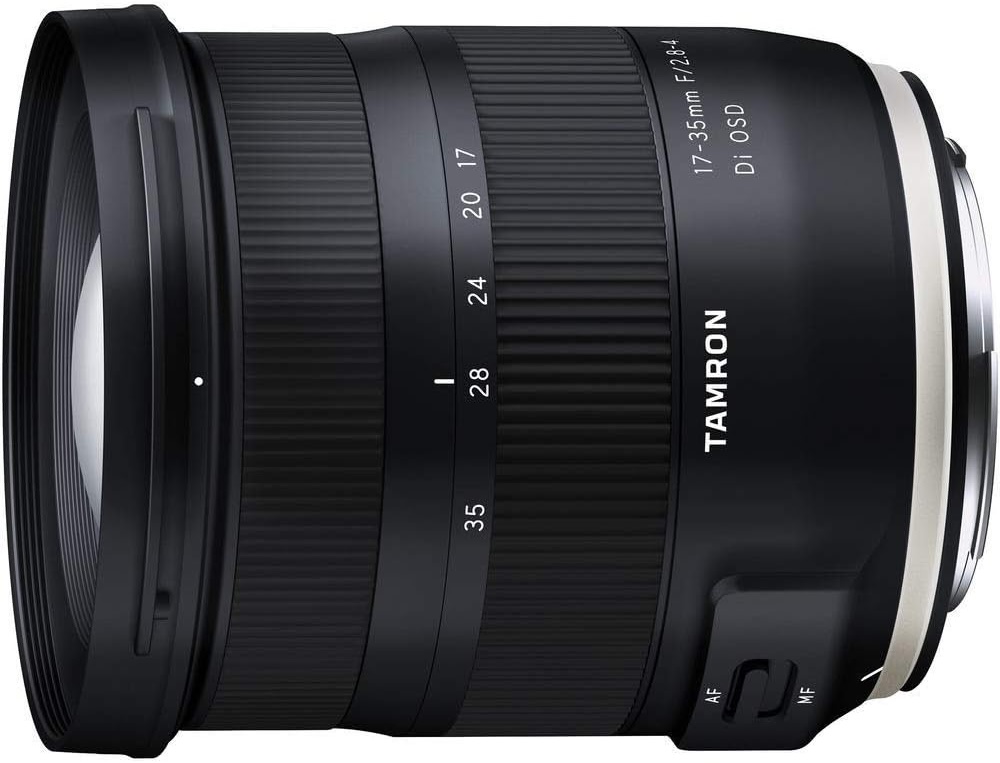
The Tamron 17-35mm f/2.8-4 Di OSD is an excellent value option for Canon EF mount users. It provides a versatile zoom range and good optical performance at a lower price.
Pros:
- Affordable: Lower price point while still delivering good performance.
- Lightweight and Compact: Easier to carry and handle.
- Versatile Aperture: f/2.8 at the wide end and f/4 at the telephoto end, offering flexibility.
Cons:
- Variable Aperture: The aperture narrows to f/4 at 35mm, limiting low-light performance.
- No Image Stabilization: Lack of IS might be a drawback for handheld shooting in low light.
Nikon Z Mount Lenses
Best Performing Lens: Nikon Z 17-28mm f/2.8
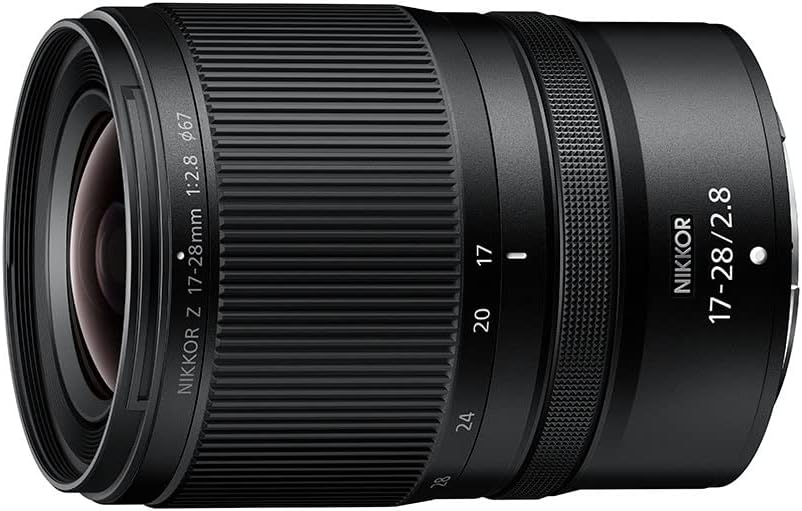
The Nikon Z 17-28mm f/2.8 is considered one of the best lenses for real estate photography on Nikon Z mount cameras. It combines a fast aperture with excellent build quality and optical performance.
Pros:
- Constant f/2.8 Aperture: Excellent for low-light conditions and creative depth of field.
- Lightweight: Relatively lighter compared to other professional zoom lenses.
- Good Optical Quality: Sharp images with minimal distortions.
Cons:
- Limited Zoom Range: Shorter focal length range compared to some other lenses.
- No Image Stabilization: Lack of IS can be a drawback for handheld shooting.
Best Value Lens: Nikon Z 14-30mm f/4 S
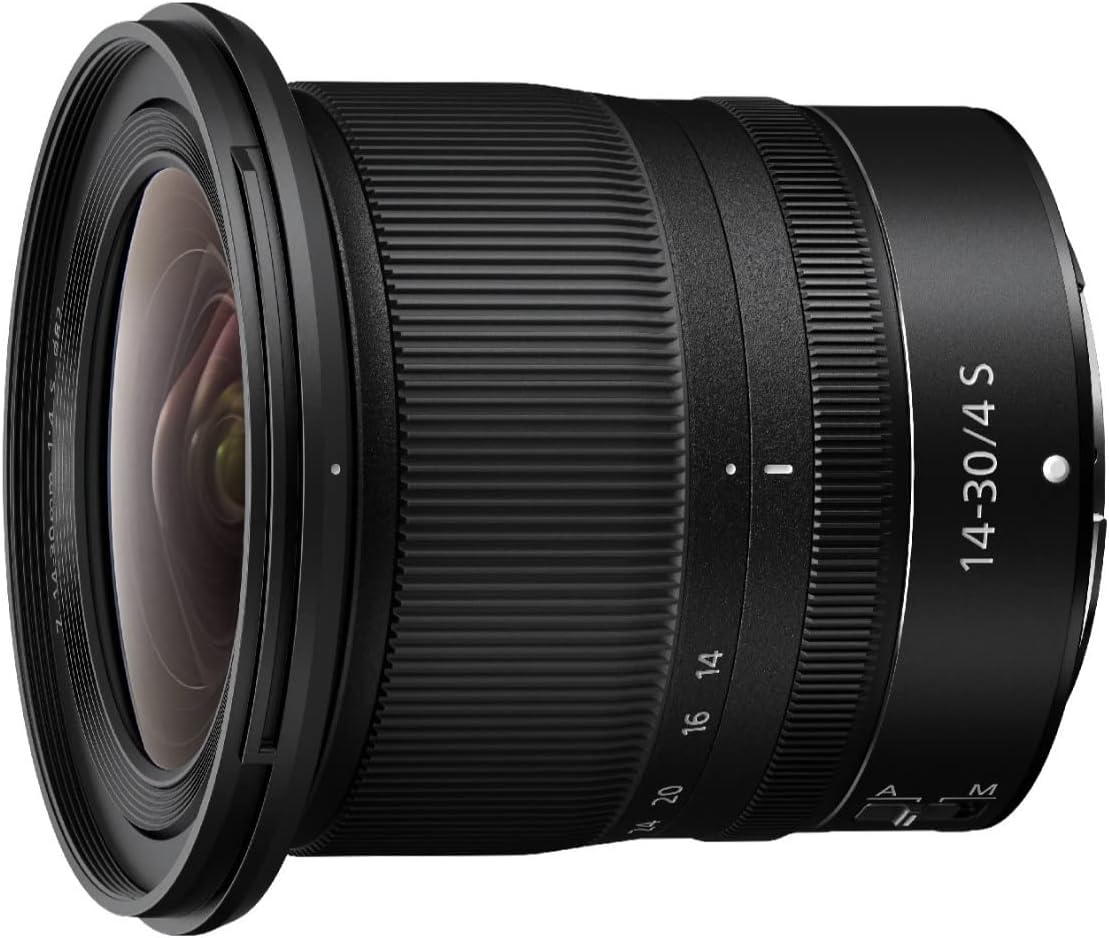
The Nikon Z 14-30mm f/4 S is an excellent value lens for real estate photography, offering a versatile zoom range with good optical performance.
Pros:
- Wide Zoom Range: Covers ultra-wide to standard wide-angle perspectives.
- Compact and Lightweight: Easy to carry and handle.
- Good Build Quality: Weather-sealed for durability.
Cons:
- Slower Aperture: f/4 aperture is not ideal for very low-light situations.
- Distortion at Wide End: Some distortion at 14mm that needs correction.
Nikon F Mount (DSLR) Lenses
Best Performing and Best Value Lens: Sigma 18-35mm f/1.8 DC HSM Art

The Sigma 18-35mm f/1.8 DC HSM Art is a unique zoom lens for Nikon F mount DSLRs, offering an extremely fast aperture and high optical quality, making it one of the best lenses for real estate photography.
Pros:
- Fast f/1.8 Aperture: Unmatched low-light performance and depth of field control.
- Excellent Sharpness: High-quality optics for sharp images.
- Solid Build: Durable construction with a premium feel.
Cons:
- Heavy: Relatively heavy compared to other wide-angle zoom lenses.
- APS-C Format: Designed for APS-C sensors, not full-frame.
Sony E Mount (Full-Frame) Lenses
Best Performing Lens: Sony FE 16-35mm f/2.8 GM

The Sony FE 16-35mm f/2.8 GM is one of the best lenses for real estate photography on Sony full-frame cameras, offering exceptional image quality and professional features.
Pros:
- Superior Sharpness: Part of Sony’s G Master series, known for exceptional image quality.
- Constant f/2.8 Aperture: Great for low-light performance and depth of field control.
- Professional Build: Robust, weather-sealed construction.
Cons:
- Expensive: High cost reflecting its premium quality.
- Heavy: Relatively large and heavy, which can be cumbersome for extended use.
Best Value Lens: Tamron 17-28mm f/2.8 Di III RXD
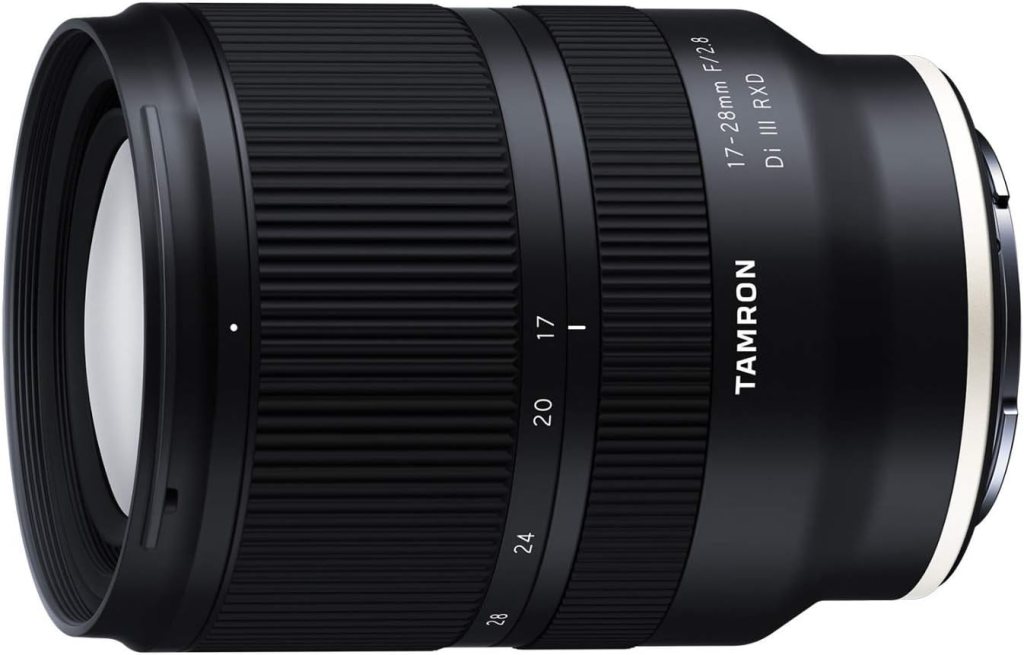
The Tamron 17-28mm f/2.8 Di III RXD is a great value lens for Sony E mount, providing excellent image quality and a fast aperture at a more affordable price.
Pros:
- Affordable: More budget-friendly compared to native Sony G Master lenses.
- Lightweight and Compact: Easy to handle and portable.
- Constant f/2.8 Aperture: Good low-light performance and depth of field control.
Cons:
- Limited Zoom Range: Slightly shorter focal range compared to some competitors.
- No Image Stabilization: Lack of IS might be a drawback for handheld shooting.
Fujifilm X Mount Lenses
Best Performing/Best Value: Fujifilm XF 10-24mm f/4 R OIS WR

The Fujifilm XF 10-24mm f/4 R OIS WR is highly regarded as both the best performing and best value wide-angle zoom lens for Fujifilm X mount cameras.
Pros:
- Wide Focal Range: Covers ultra-wide to wide-angle perspectives.
- Image Stabilization: Includes OIS for steady shots.
- Weather-Resistant: Durable and suitable for various shooting conditions.
- Good Image Quality: Sharp images with minimal distortions.
Cons:
- Slower Aperture: f/4 aperture is not ideal for very low-light situations.
- Distortion at Wide End: Some distortion at the widest focal length.
Micro Four Thirds (MFT) Lenses
Best Performing: Olympus M.Zuiko Digital ED 7-14mm f/2.8 PRO

The Olympus M.Zuiko Digital ED 7-14mm f/2.8 PRO is considered the best lens for real estate photography on Micro Four Thirds cameras, offering a fast aperture and robust build quality.
Pros:
- Fast f/2.8 Aperture: Excellent low-light performance.
- Wide Angle: Covers an ultra-wide focal range ideal for real estate.
- Robust Build: Weather-sealed and durable for various conditions.
Cons:
- Expensive: High cost for a Micro Four Thirds lens.






Leave a Reply