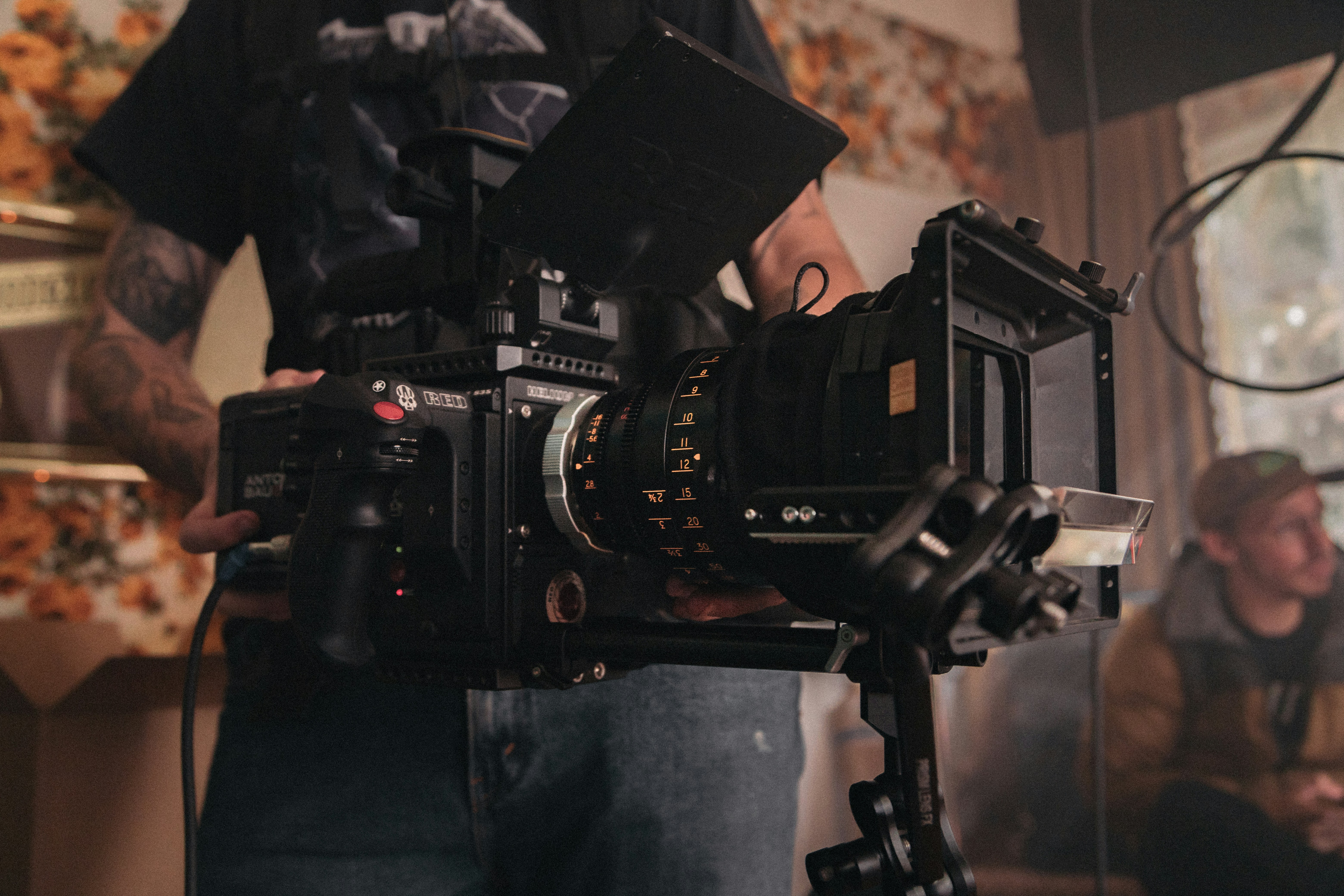
Modern cinema cameras aren’t just about higher resolution — they’re about control, dynamic range, and flexibility in post-production. After years of working with both mirrorless hybrids and true cinema rigs, I’ve come to appreciate just how different these systems really are. A dedicated cinema camera is built for collaboration: more ports, more codecs, and a design that assumes you’ll build it into a rig with monitors, matte boxes, or wireless systems.
With prices dropping across the board, serious video tools once reserved for studio productions are now accessible to independent filmmakers, documentary shooters, and commercial crews.
Whether you’re chasing the crispness of 12K RAW or just need bulletproof 4K with proper XLR audio and ND filters, these five cameras represent the best professional options available right now.
Let’s dive into the models that set the benchmark for image quality, versatility, and professional usability.
1. Sony FX6 — Best Overall Value for Professionals
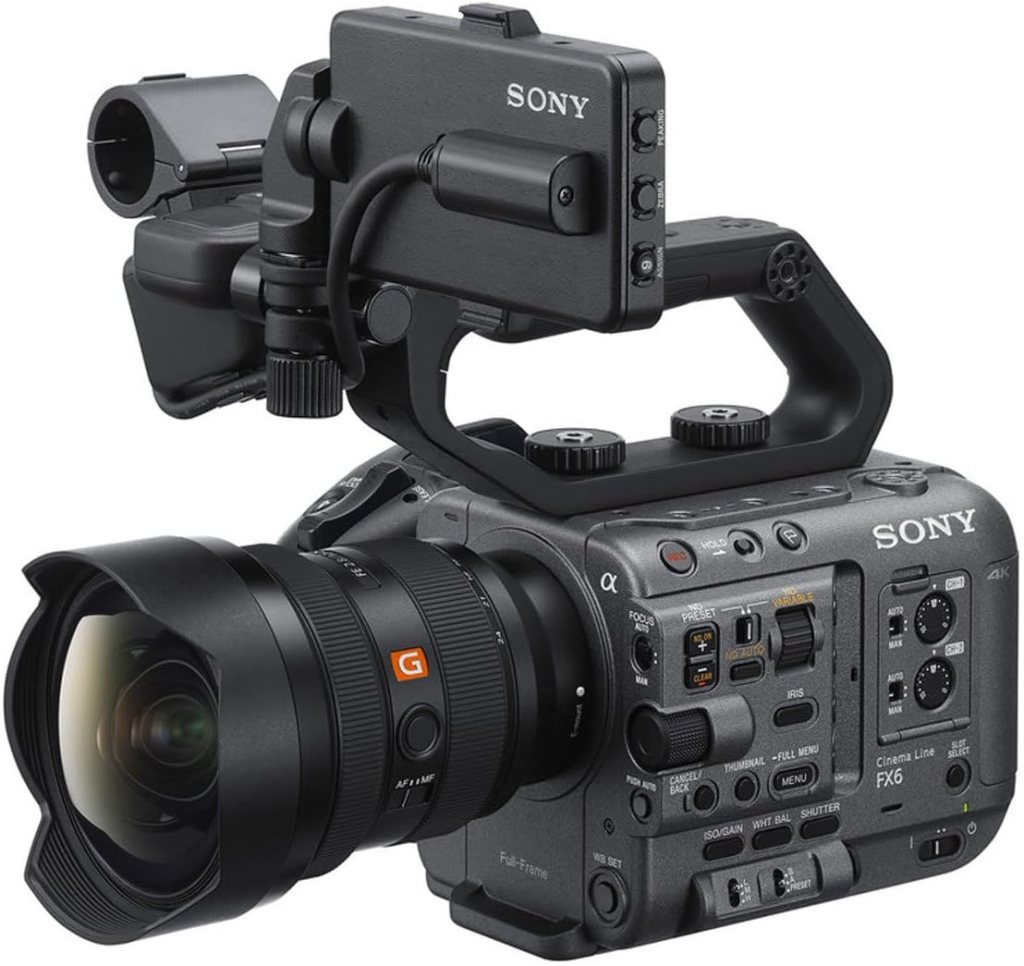
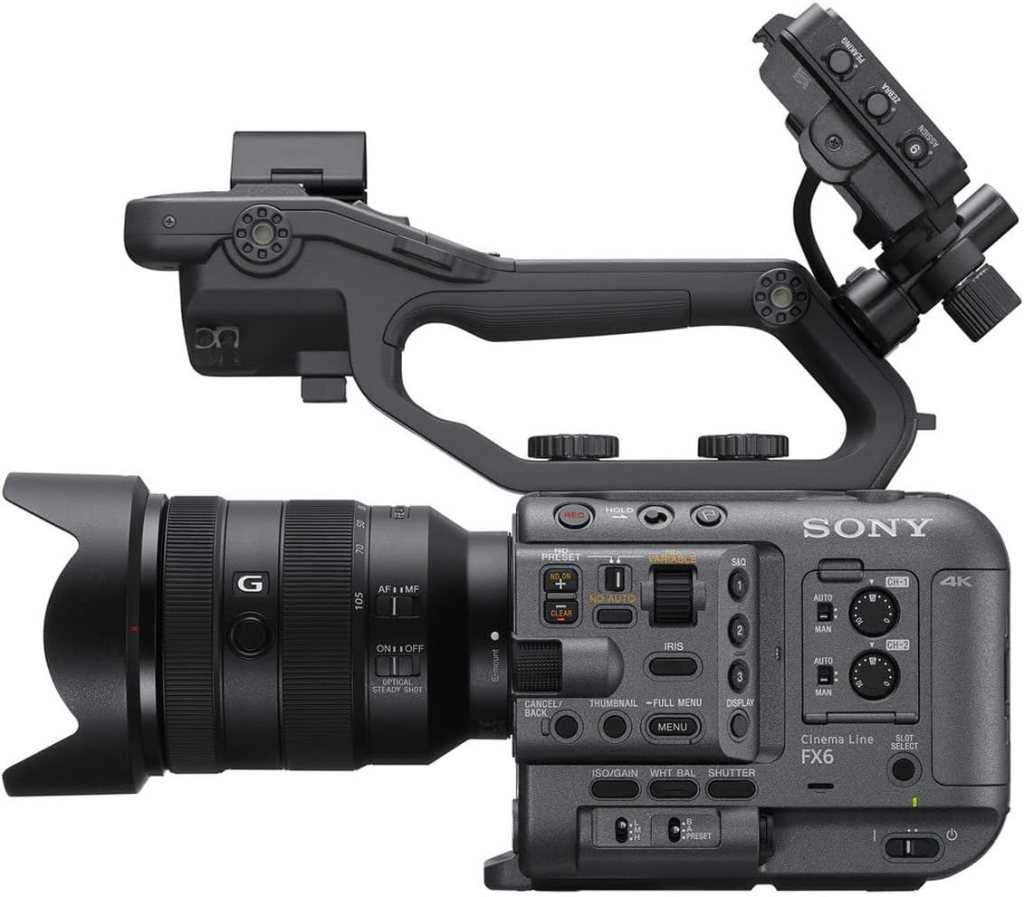
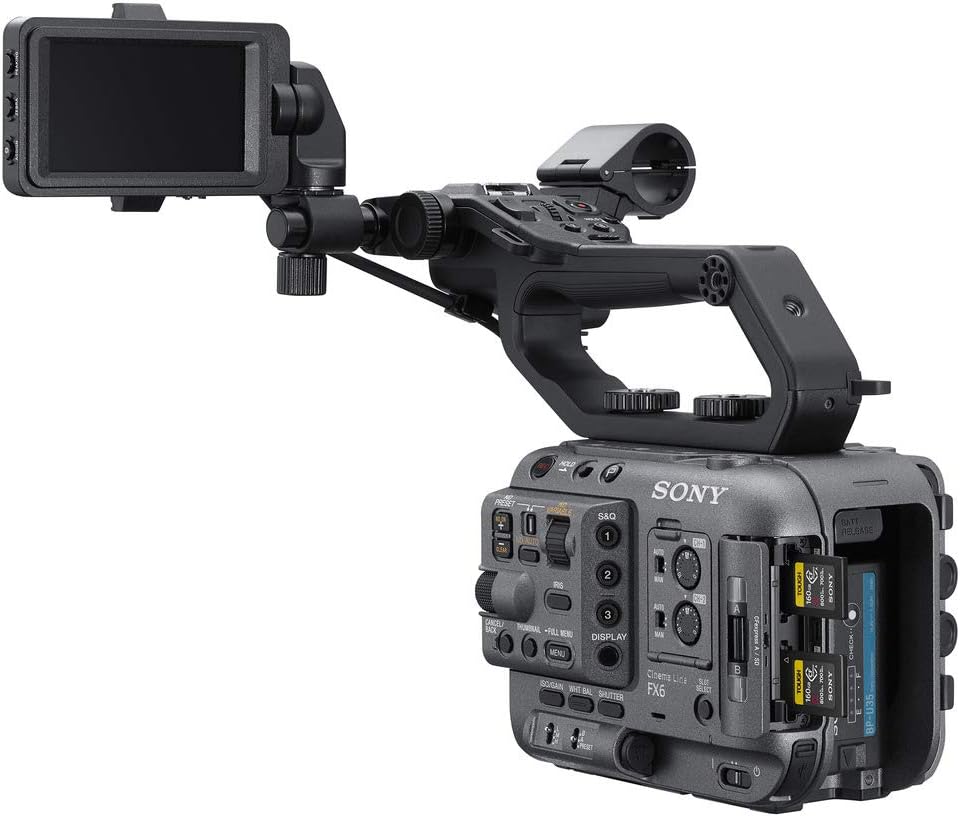


The Sony FX6 may not record in 6K or 8K, but the quality of its 4K imagery makes that almost irrelevant. Using the same sensor as the A7S III but tuned for cinema, it produces outstanding low-light performance, clean high-ISO footage, and a cinematic image that’s easy to grade. It’s light enough for handheld or gimbal work yet robust enough for commercial sets.
Specifications
- Sensor size: Full Frame
- Resolution: 10.2 MP
- Lens mount: Sony E
- Card slots: 2× CFexpress Type A or SD UHS-II
- Max recording resolution: 4K 120 fps / 10-bit 4:2:2
- Display: 3.5-inch LCD touchscreen
- EVF: None
Reasons to Buy
- One of the most affordable full-frame cinema cameras on the market
- Excellent autofocus with subject tracking borrowed from Sony’s Alpha line
- Internal 10-bit recording with S-Cinetone color profile
- Superb low-light capability and built-in ND filters
Reasons to Avoid
− No internal RAW recording (external recorder required)
− No in-body stabilization
− CFexpress Type A cards remain expensive
Buy It If
✅ You want broadcast-ready 4K footage without overspending.
✅ You’re upgrading from a mirrorless camera and want familiar handling with pro-level outputs.
Don’t Buy It If
❌ You need internal RAW capture for post flexibility.
❌ You specifically need 6K / 8K acquisition for reframing or VFX workflows.
Despite the lack of headline-grabbing specs, the FX6 remains a workhorse. Its color science, ergonomic design, and professional connectivity make it a favorite among documentary shooters and small crews. The 15 stops of dynamic range and high-frame-rate recording options ensure cinematic flexibility without the usual bulk. For its price, the FX6 is the sweet spot between mirrorless convenience and true cinema performance.
One of the best cameras I have used
I own this as my owner operator camera as a freelance cinematographer and it’s almost the perfect camera for a lot of jobs. I’ve used a variety of cameras and chose this camera to own as my personal camera and comes out on a large portion of my jobs when we aren’t renting a Arri or Red general. I have even used it on set along side the higher end cameras as a B or C camera and its held its own.
For corporate and documentary work this camera is great due to its small size (when stripped down it could be easily overlooked as it looks like a slightly larger DSLR). The color science is a much improved and pleasing color from older sony cameras, with S-LOG 3 cinegama to give you a lot of room in post or the cinegama color look burnt into the footage for quick turn around project. The internal ND Filters are great not just for ease but I have found using the Auto ND option extremely helpful on doc work where we are moving fast or for transitioning inside to outside while filming a shot.
This camera works great also for narritive for smaller productions due to its size, weight (though I do find the weight could be heavier for handheld work if you don’t add any accessories). All around its a workhorse that can do all types of jobs.
My main issues with the camera are these two things:
1. The top handle is the only option for audio inputs and only accepts XLR (no 3.5mm on the camera at all) which means you are left only with the internal mic if you take the top handle off. Sadly there are currently no accessories to fix this.
2. The camera sadly can not shoot in 4k if you want to adjust the sensor to super 35mm coverage. You can do this in 1080p but not 4k which is a shame if you are trying to use glass that may not cover the full size of the sensor. The FX9 does this but the FX6 is not capable
2. Panasonic Lumix BS1H — Best Modular Box-Style Camera
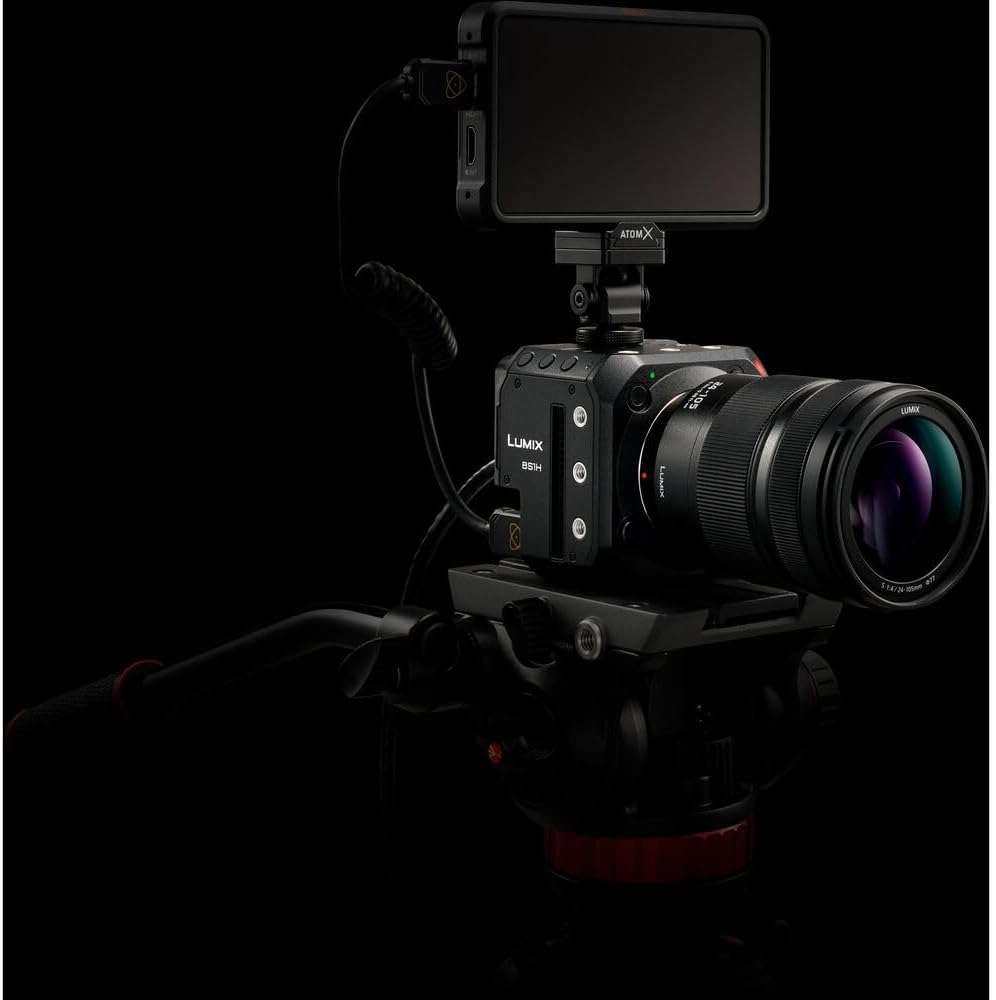
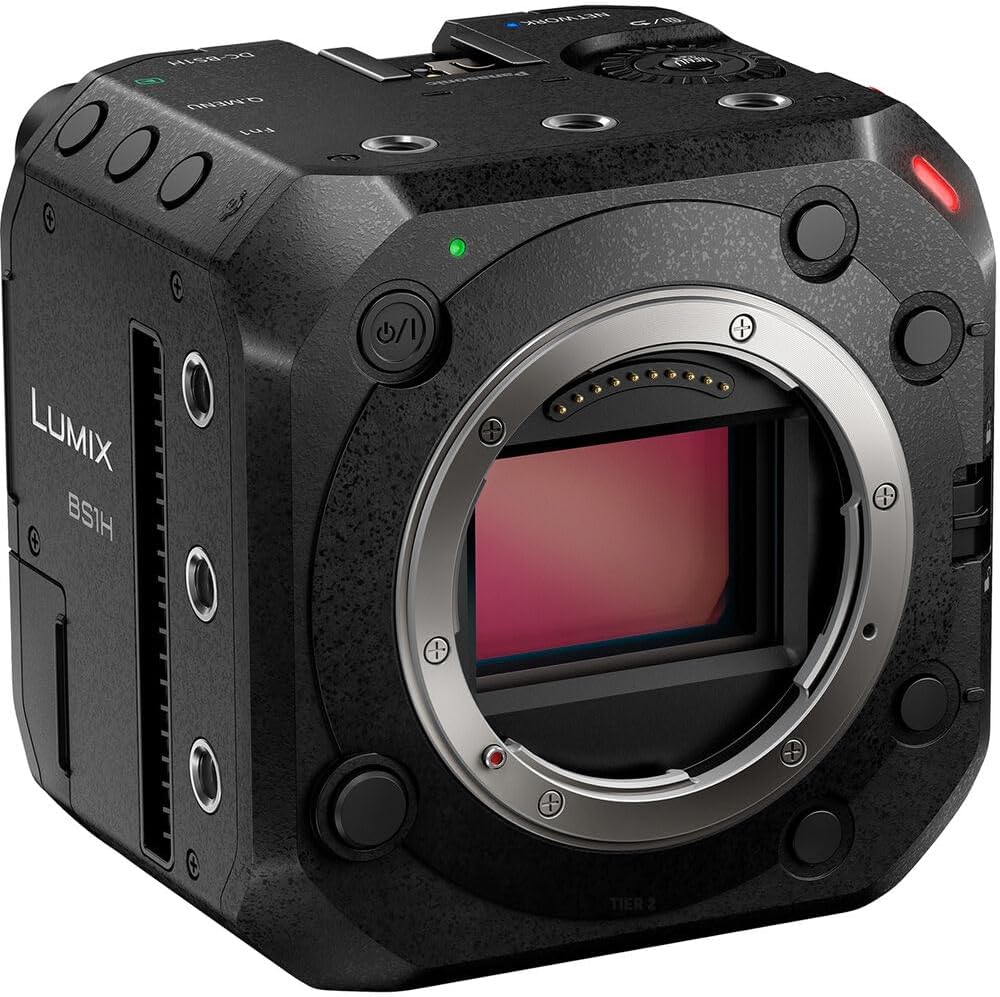
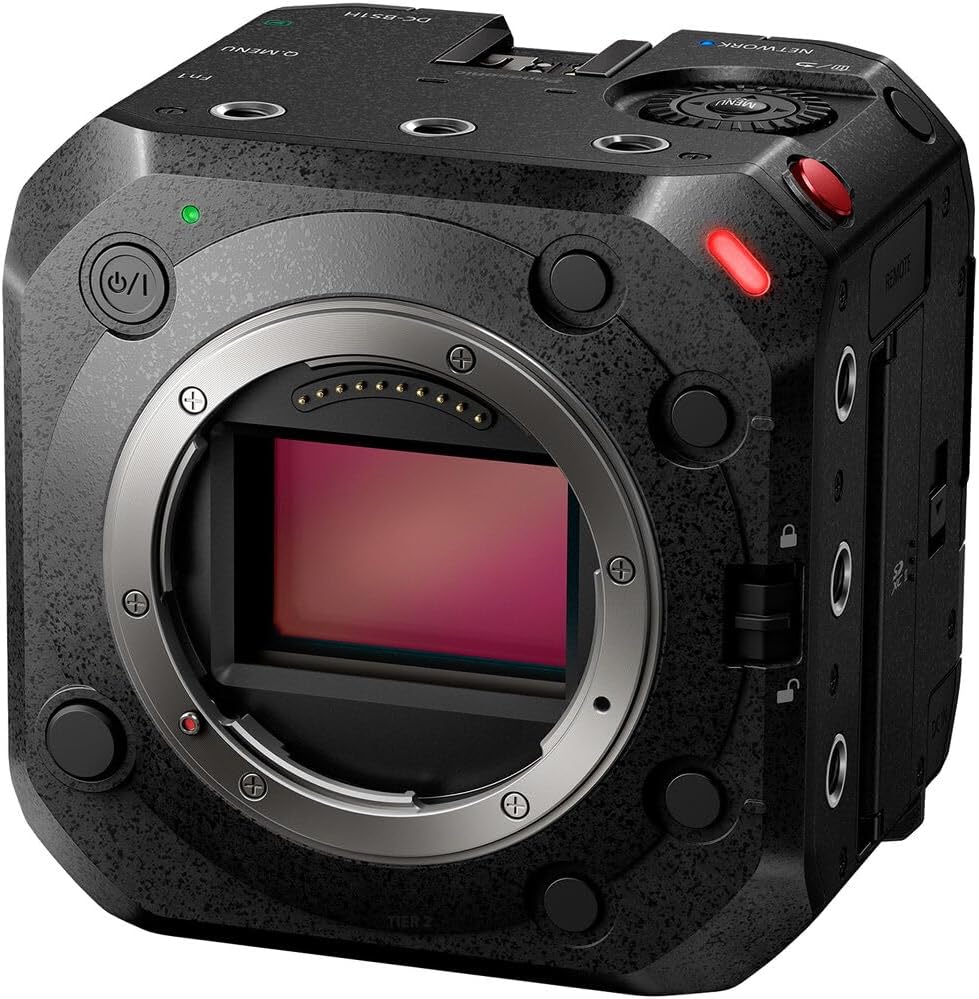
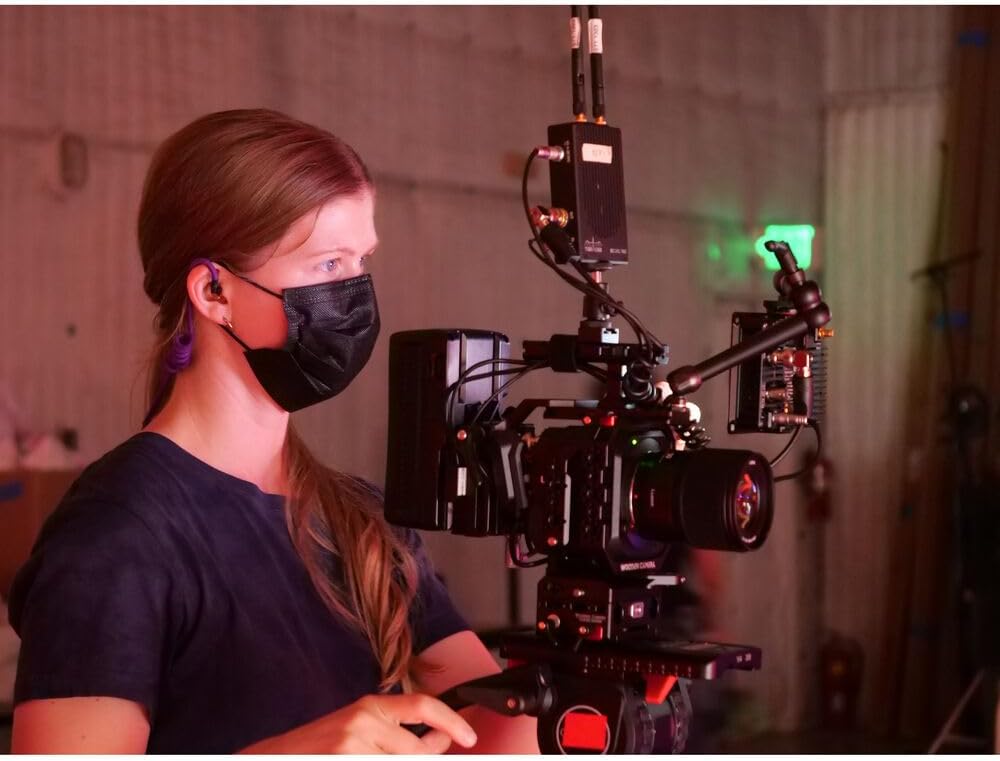
Panasonic’s BS1H is a filmmaker’s Lego set — a compact, square box ready to be built into any configuration. It’s the spiritual twin of the S1H in a body designed purely for video.
Specifications
- Sensor size: Full Frame 35 mm
- Resolution: 24.2 MP
- Lens mount: Leica L
- Card slots: 2× UHS-II SD
- Max recording resolution: 6K 24 p / 4K 60 p 10-bit
- Display: None (external monitor required)
- EVF: None
Reasons to Buy
- Records 6K full-frame footage with 14 stops of dynamic range
- Dual Native ISO for outstanding low-light performance
- Modular design allows complete customization
- Capable of live-streaming over wired LAN
Reasons to Avoid
− No built-in screen or EVF
− Requires external power and monitoring accessories
− 4K 60 p uses a Super 35 crop
Buy It If
✅ You want a flexible system that can adapt from studio to drone to broadcast rig.
✅ You need a compact camera that still delivers full-frame 6K.
Don’t Buy It If
❌ You prefer all-in-one convenience — this camera needs accessories.
❌ You’re not comfortable shooting with external monitors or recorders.
In practice, the BS1H behaves like a mini cinema hub. It can record internally or feed 12-bit RAW externally through HDMI, making it ideal for multicam environments and live production. Its neutral color science is extremely grade-friendly, and its performance in low light rivals far larger cameras. For filmmakers who love building their rigs, it’s an outstanding base.
“If you’re already familiar with the Lumix lineup, this camera’s moniker may seem familiar. Indeed, the BS1H shares many similarities with the Lumix S1H. However, it distinguishes itself in a few key ways — most obviously is its box-like form factor. The Lumix BS1H has the same video performance and capabilities as the S1H. This means it comes equipped with powerful internal recording options such as open gate (3:2) 6K, 24p 4:2:0 10-bit and DCI 4K up to 60fps 4:2:0 10-bit, all without any recording time limit.
Where the BS1H distinguishes itself is in its inputs and outputs. This camera comes loaded with tons of studio and livestreaming connectivity, such as SDI out, timecode in/out, genlock and an ethernet port.”
3. DJI Ronin 4D 6K — Best All-in-One Stabilized System
The DJI Ronin 4D 6K is one of the most innovative cameras ever built — part cinema camera, part gimbal system. It integrates a full-frame sensor, 4-axis stabilization, and a modular design that turns complex rigs into a single self-contained package.
Specifications
- Sensor size: Full Frame CMOS
- Resolution: 6K / 60 p 10-bit ProRes 422 HQ
- Lens mount: DJI DL Mount
- Card slots: 1× CFexpress / 1× DJI Pro SSD
- Stabilization: 4-Axis active gimbal system
- Display: 5.5-inch LCD touchscreen (1920 × 1080)
- EVF: Optional
Reasons to Buy
- Integrated gimbal eliminates need for sliders or steady rigs
- Built-in ND filters and modular design
- Excellent color science and dynamic range
- Great for solo shooters or small crews
Reasons to Avoid
− Learning curve can be steep
− Proprietary media and battery system
− Not ideal for third-party accessory ecosystems
Buy It If
✅ You frequently shoot handheld and want the smoothest footage possible.
✅ You need a ready-to-go cinema package that can shoot anywhere without a rig team.
Don’t Buy It If
❌ You prefer traditional modular cinema systems for flexibility.
❌ You want to reuse existing third-party batteries or media.
Once you adjust to its workflow, the Ronin 4D 6K is a revelation. It can record ProRes HQ footage with rock-solid stabilization that makes even complex tracking shots look effortless. It’s a unique tool that streamlines production for run-and-gun filmmakers and event creators who want cinematic motion without extra gear.
This camera is a cinematographers dream come true
I’ve been using this camera for almost 2 years now and with all the updates and accessories that have been added and my time getting to figure out everything this camera has to offer, all I can say is that this camera is the future of film-making and a cinematographers dream come true.
The camera alone is something to behold. It sports 4-axis stabilization, giving you incredible, ultra smooth results that feel like a lens floating on a cloud, even while running at extreme speeds. You can also track subjects, giving you the freedom to explore angles you never thought possible while the camera pretty much does the rest of the work for you keeping your subject in focus. The only downside is that this camera is pretty hefty and I’m a pretty built guy so you’ll definitely need some solid arm strength for longer shoots. The DJI Flex add-on definitely helps to solve this problem but without it, your arms might get quite sore from a full days shoot.
DJI has their own line up of lens’ which look incredible themselves, but they also allow of a large array of other lens’ so long as you have the proper adapters for it. Not only that, but provided you have the adapters, they too will also benefit from things such as lidar focus and mm zooms, an absolute killer feature. The lidar works incredible and allows for custom setup so that you can adjust auto focus speeds or you can even manually adjust the focus yourself with an extremely versatile focus knob on your right hand grip. The left hand grip sports a joystick for tilting and panning the lens manually.
The touch screen interface is extremely intuitive and user friendly. The only function I had a little bit of trouble finding was the monitor flip for when using the DJI flex add-on. It required a little digging through the menus but aside from that, the interface is great. The buttons also have multiple functions allowing for quick and easy on the fly input commands to change an array of features such as focusing, camera modes, len zooms, etc.
Battery life is also pretty good. I’ve used this camera continuously for a lot of shoots and generally was able to squeeze out about 3-4 hours before needing to load in another battery. The batteries are also usable for DJI’s other products like their drones so if you’re a part of the DJI eco system, the plethora of benefits you gain are truly awesome. They also charge pretty fast as well so if you have at least 3 with a charger nearby, you’ll never need to worry about running out of juice on a shoot.
The on-board mic itself is pretty good. However, if you decide to use the Z-axis stabilization, you do pick up internal camera noises as the camera powers the arm required to keep the camera stable so something to be aware of. You can use adapters to plug in field mics so it can all record seamlessly straight into the unit.
The camera also has incredible add-ons such as the DJI Flex and the 8K Sensor which shoots absolutely jaw dropping footage with the capability for Prores Raw as well purchased as a separate license. There’s also a wireless screen monitor you can purchase separately that allows for wireless input from extreme distances and if you mix it with something like the Hyrda car mount, the shots you can get will truly be unreal.
The list is just endless in terms of how fantastic this camera is and I truly can’t wait to see what else DJI has in store for it in the future because without a doubt, this camera is the future of film-making and a cinematographers dream come true!
4. Canon EOS C70 — Best for Documentary and Solo Filmmaking

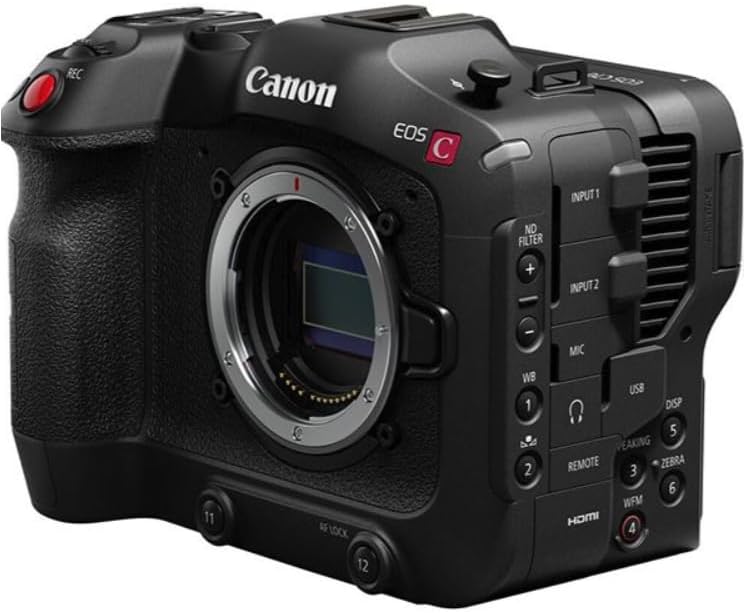

Canon’s EOS C70 bridges the gap between mirrorless convenience and Cinema EOS power. It’s compact yet packed with the same Super 35 sensor and Dual Gain Output technology found in Canon’s flagship C300 Mark III.
Specifications
- Sensor size: Super 35 (26.2 × 13.8 mm)
- Resolution: 4K 120 fps / 2K 180 fps
- Lens mount: Canon RF Mount
- Card slots: 2× SD UHS-II
- Dynamic range: Up to 16 stops
- Display: 3.5-inch LCD touchscreen
- EVF: None
Reasons to Buy
- 4K 120 p with Dual Gain Output for superb dynamic range
- Compact and light enough for handheld shooting
- Excellent autofocus with head detection
- Compatible with RF and EF lenses (using adapter with speed booster capability)
Reasons to Avoid
− No RAW output
− Limited to RF lens mount (no PL lens support)
Buy It If
✅ You’re a documentary filmmaker or solo creator who needs a reliable workhorse.
✅ You value Canon’s color science and straight-out-of-camera look.
Don’t Buy It If
❌ You need true RAW workflow or interchangeable lens mount options.
The C70 is Canon’s most balanced cinema camera to date — small enough for run-and-gun projects yet powerful enough for broadcast production. Its 16 stops of dynamic range and advanced autofocus make it ideal for real-world documentary work where speed and accuracy matter.
Ignore what the other 2 reviews said. They haven’t used it long enough to actually have an opinion on this camera. Anyone on YouTube will tell you it’s an incredible camera or anyone who’s used it for real shoots and in various scenarios.
I’ve shot with just about everything from rental houses (Arri, Red, Canon C300’s, you name it). This was an easy purchase simply because the price and features were right for what I was looking for. $5500 for a Super 35 cinema camera with incredible features in a small size. Waveform, zebras, false color, focus guide, pretty good AF, RAW, 4K in multiple file types, plethora of I/O, you get the picture. I’ve shot around 70 corporate, sports, and interviews with this camera and I’m still in love with it after 18 months.
The color out of this camera is awesome. In fact I shot with a Komodo the other day side by side and I preferred this color profile when I took them both into Resolve. Shot both with RF L glass and this just looked better to me. I mean it’s the same freakin sensor from the C300 MkIII so this camera is no slouch. It’s so good I almost bought a second one instead of a Komodo. I actually went with an R5C as my second cam since I thought so highly of the C70 and how the C70 made the Komodo feel like it wasn’t worth 6 grand since you’re just paying for the Red name value.
Everytime I rent bigger rigs I love going back to my C70 simply due to how much it packs in such a small body. I don’t have to cage it since you don’t need a v-mount or rails. It has built-in ND’s so no matte box, and the BP-A30 and A60 batteries it takes last up to 1.5 hours or 3 hours so no need for external power especially if you have one of each battery. Mini-XLR is a bummer but it’s a compromise I’ll take for not having to lug around a C300 body. Most people record to external recorders anyway.
One of the reviews knocked it for not having an EVF but who the heck shoots video on a camera this size with an EVF. Sure you shoot with an EVF on bigger rigs, but smaller cameras like this? That’s what a monitor is for just due to ergonomics alone. And it doesn’t have optical image stabilization but it does have digital IS which works really well with the IS built into all the RF L glass. But that does make you have to get the RF L glass which is a huge cost.
It just baffles me that for $5500 you can say this is a bad value when it gives 4K RAW, 4K 10-bit 4:2:2 in XF-AVC or MP4. It has built-in ND’s. Incredible battery life. 3 audio sources including 2 mini-XLR and 1 3.5 jack with a headphone jack for monitoring. And the image quality is fantastic. If you say this image quality isn’t good, then you’re saying the sensor in the C300 MkIII is trash too which is just false. Considering the C300 is the staple for documentary filmmaking (ie Free Solo since that’s all that Jimmy Chin shoots on) this camera packs a freakin punch in such a small body for this price range.
Final Thoughts: Choosing the Right Cinema Camera
Each of these cameras caters to a different type of filmmaker. The Sony FX6 is the most versatile and affordable entry point into professional cinema gear. The Panasonic BS1H offers a build-your-own approach for creative technicians. The Blackmagic URSA Mini Pro 12K is an image quality monster for commercial and VFX work. The DJI Ronin 4D 6K reimagines camera movement for the modern solo filmmaker. And the Canon C70 balances mobility with broadcast-grade performance.
Ultimately, the best cinema camera is the one that fits your workflow and lets you tell stories without technical limits. Whether you shoot narrative films, commercials, music videos, or documentaries, each of these tools is capable of delivering a truly cinematic look when used to its potential.
This post contains affiliate links. If you purchase through these links, I may earn a small commission at no extra cost to you. As an Amazon Associate, I earn from qualifying purchases and stand behind all of my recommendations.




Leave a Reply