
Surf is two sports for your camera: inside the wave (soaked) and far from shore (long lenses, heat shimmer). Start with the simplest in-water solution, then pick a beach rig by budget with smart lens picks (brand and third-party) that actually reach the lineup.
Best In-Water Surf Camera
GoPro HERO12 Black

Why first: It’s waterproof out of the box, pocketable, and captures the perspective no telephoto can—inside the pocket, behind the lip, and underwater transitions.
Where it shines
- Mouth-mount barrel POV, duck-dive entries, board-short tether shots
- Slam-proof in shorebreak; no separate housing required
- 5.3K video with excellent stabilization and horizon lock for smooth edits
Quick setup
- Mounts: mouth mount, floaty bite mount, hand grip + coil tether
- Settings: 5.3K/60 or 4K/120 for slow motion; Hypersmooth ON; Wide or HyperView
- Tips: Rinse in fresh water after every session; use anti-fog inserts in cold water
Pros
- Zero-fuss waterproofing and stabilization
- Ultra-wide perspective that sells the moment
- Cheapest way to add “in the barrel” footage to any surf shoot
Cons
- Not a replacement for beach telephotos
- Small sensor limits photo dynamic range
Beach Photography Camera Kits
Here’s my own photography setup for surfing photography, as well as three others at different price points.
What’s In My Bag: The Advanced Kit
Nikon Z7 II + Tamron 150–500mm (Z-Mount)

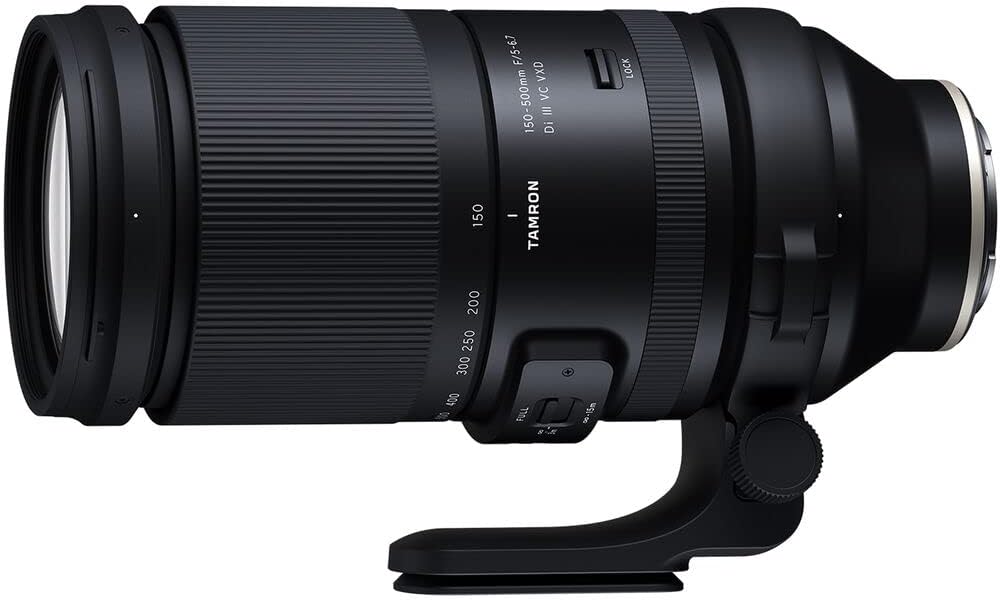
When you’re serious about surf photography but don’t want to spend flagship money, this setup hits the perfect balance of power, reach, and portability.
The Nikon Z7 II paired with the Tamron 150–500mm f/5–6.7 Di III VC has become a favorite among experienced shooters who want full-frame image quality without sacrificing flexibility.
The Z7 II’s 45.7-megapixel sensor delivers remarkable detail—you can crop heavily and still end up with professional-grade files. That’s especially important for surf work, where even the best 500mm lens sometimes needs extra reach.
Tamron’s 150–500mm gives you the versatility to track surfers close to shore or far outside the break, and it’s small enough to carry down the beach without a sherpa.
What Makes This Kit Work
- Full-frame resolution: 45.7MP gives you freedom to crop and reframe without losing clarity.
- Reliable autofocus: Nikon’s tracking locks onto moving subjects even through spray and backlight.
- Vibration control: Tamron’s VC pairs beautifully with Nikon’s IBIS for smoother panning and stable handheld shots.
- Practical size: It’s far lighter than Nikon’s 180–600mm, making it realistic for hours of handheld shooting.
When I shoot with this combo, I typically run 1/2000s at f/6.7, keeping ISO capped around 1600. Nikon’s dynamic range lets you lift shadows in post without introducing much noise, so I’d rather protect highlights when shooting into backlit spray.
In golden hour light, I drop to 1/3200s and –0.7EV to preserve the shape of the lip and foam.
My Go-To Accessories
I keep the setup simple:
- a carbon fiber monopod with a tilt head for windy sessions, a wrist loop strap for mobility
- quick-release Arca plate on the lens foot so I can switch between monopod and handheld in seconds
- a small microfiber and towel to wipe the front element every few minutes
When to Use This Kit
This is the gear I’d take when:
- Shooting from the beach or pier where subjects are 100–200 meters out.
- Working in low-angle morning or evening light when shimmer is manageable.
- Covering local comps or editorial sessions where image quality matters more than portability.
The Z7 II and Tamron pair aren’t immune to limits. That f/6.7 aperture demands good light, and the buffer isn’t deep enough to spray-and-pray like a Canon R3 or Sony A1.
But with disciplined bursts and Nikon’s precise AF-C, you’ll get tack-sharp keepers with stunning tonality. And because the entire rig weighs under 5 pounds, you can roam the beach for hours without feeling like you’re hauling a bazooka.
Ideal Settings Cheat Sheet
- Action in bright sun: 1/2000s, f/6.7, Auto ISO 100–1600, 3D-Tracking AF-C
- Backlit or hazy light: 1/3200s, f/6.7, Auto ISO 100–3200, –0.3 to –0.7EV
- Slow-shutter pans: 1/100s, f/8, VC on, AF-C small zone
For post, I shoot RAW with a neutral profile, add +20 shadows, –30 highlights, and +10 texture to enhance spray detail. You can go from a crisp telephoto look to cinematic surf portraits without changing lenses.
In short, the Nikon Z7 II + Tamron 150–500mm gives you full-frame sharpness, incredible color, and the flexibility to shoot anything from lineup overviews to close-in maneuvers—all while keeping the kit light enough to move with the tide.
Budget Surf Photography Kit
Canon EOS R10 + RF 100–400mm
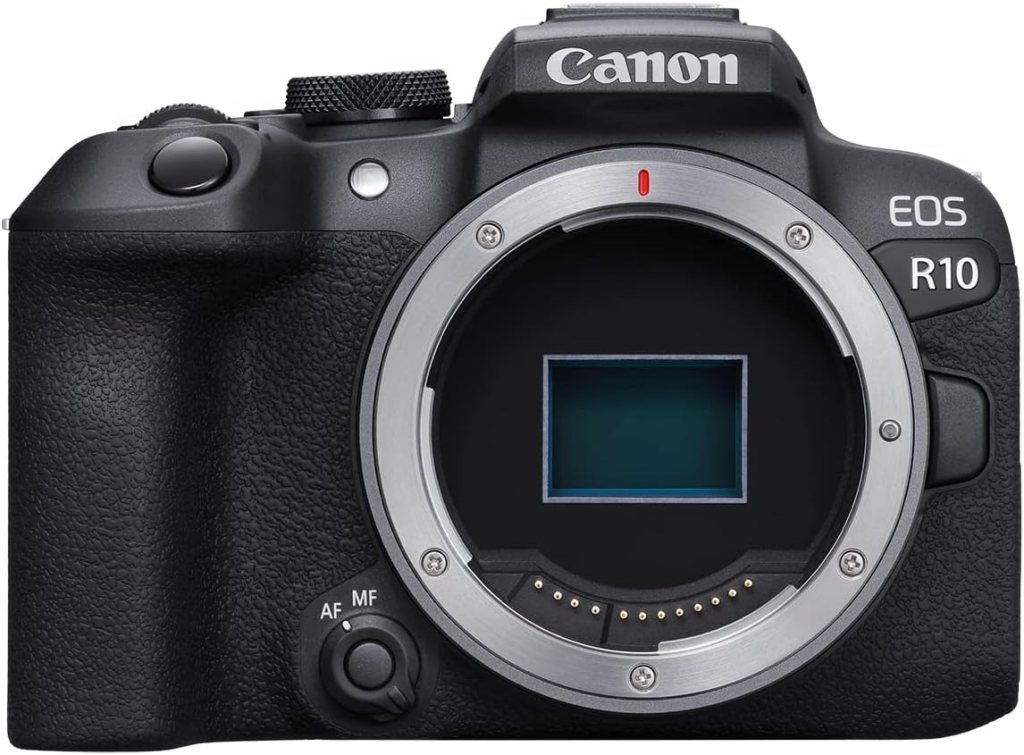
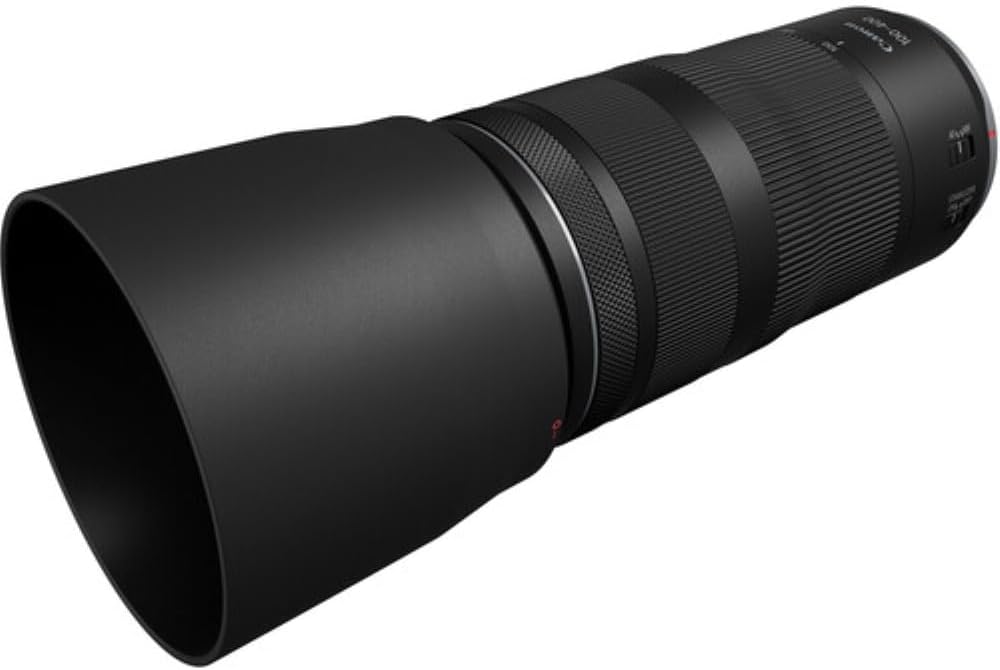
What you’re getting
- Body: Canon EOS R10 (APS-C, fast AF for the price, light)
- Primary lens: RF 100–400mm f/5.6–8 IS USM (160–640mm equivalent FOV on APS-C)
- Stretch lens (optional): RF-S 55–210mm as a lightweight backup
Why this tier works
- Long reach on a budget: 640mm eq. at the long end gets you decent coverage from sandbars and short piers.
- Beginner-friendly AF: Canon’s subject detection + Eye AF is simple to run.
- Carry-all-day weight: Great for long beach walks and scouting multiple peaks.
Recommended settings
- Action sun: 1/2000s, f/7.1–f/8, Auto ISO to 1600, Servo AF, Large Zone AF
- Backlit: 1/3200s, f/8, Auto ISO to 3200, –0.3 to –0.7 EV
- Video: 4K/60p, 1/120s, Standard profile, Auto WB
Pros
- Long effective reach at low cost
- Reliable AF for moving subjects
- Light enough to handhold for hours
Cons
- f/8 at the long end demands good light
- Smaller buffer than mid/high-end bodies
- Fewer native long third-party AF telephotos in RF (budget grows slowly)
Who it’s for
New surf shooters who want maximum reach per dollar and a painless AF experience without jumping to pro glass.
Enthusiast Full-Frame Beach Kit
Sony a7 IV + FE 200–600mm G OSS

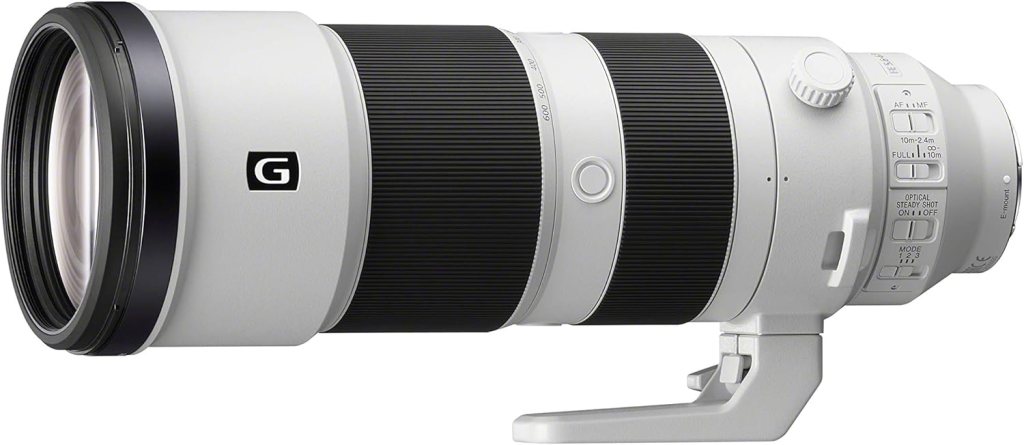

What you’re getting
- Body: Sony a7 IV (33MP full-frame, excellent AF tracking, deep ecosystem)
- Lens: FE 200–600mm f/5.6–6.3 G OSS (internal zoom, strong OSS)
- Teleconverter: 1.4× for calm, very distant points (accept light loss)
Why this tier works
- Serious reach with flexibility: 600mm native, with internal zoom (no “trombone” pumping sand/salt).
- AF that just sticks: Sony Real-Time Tracking handles spray, backlight, and erratic lines well.
- Files with headroom: 33MP balances buffer depth and crop latitude.
Recommended settings
- Action sun: 1/2500s, f/6.3–f/7.1, Auto ISO 100–1600, AF-C, Tracking: Expand Spot
- Backlit edges: 1/3200s, f/7.1, Auto ISO 100–3200, –0.7 EV, Creative Look: Neutral/Flat
- Video: 4K/60p (Super 35 crop for extra reach), 1/120s, AF-C + Tracking Off if pulsing
Pros
- 600mm native reach covers most beach/jetty spots
- Excellent AF and subject tracking in messy spray
- Internal zoom keeps balance consistent on monopod
Cons
- Big lens; fatigue without monopod in wind
- Heat shimmer, not lens sharpness, will limit detail at midday
- Teleconverter reduces light and AF margin
Who it’s for
Intermediate to advanced shooters who want serious reach, dependable AF, and crop-friendly files without paying pro-flagship prices.
Professional Surfing Photography Kit
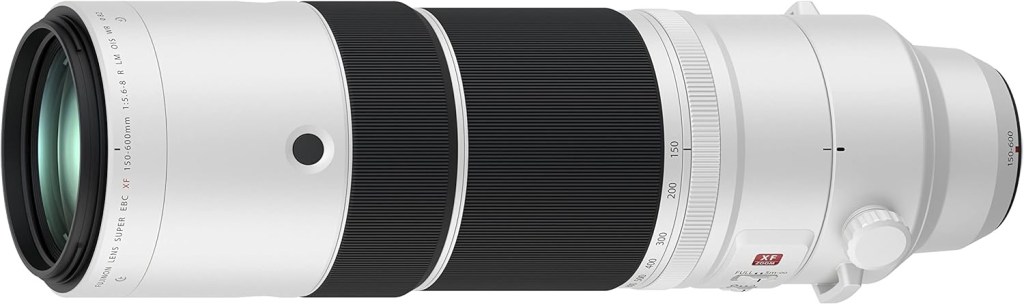
Fujifilm X-H2S + XF 150–600mm

What you’re getting
- Body: Fujifilm X-H2S (stacked APS-C sensor, high FPS, sticky AF)
- Lens: XF 150–600mm f/5.6–8 R LM OIS WR (225–900mm equivalent FOV)
- Extras: Fast CFexpress Type B cards for long bursts
Why this tier works
- Wild reach, fast readout: Up to 900mm equivalent for distant reefs, outer bars, and point breaks—plus stacked sensor for fast, low-rolling-shutter action.
- Sport-tuned AF: Latest Fuji algorithms track surfers reliably, even through mist.
- Durability: Weather sealing on body and lens; ideal for salt spray and wind.
Recommended settings
- Action sun: 1/2500s, f/7.1–f/8, Auto ISO 160–1600, AF-C, Subject Detection: Animals Off, Zone AF (medium)
- Hazy distance: 1/2000s, f/8, Auto ISO 160–3200, Clarity –2 in-camera to tame shimmer, plan to add Texture +10 in post
- Video: 4K/120p for lip hits, Eterna profile, 1/240s, OIS + IBIS on
Pros
- 900mm equivalent reach without TCs
- Stacked sensor = responsive AF and cleaner motion
- Strong weather sealing and OIS for shoreline winds
Cons
- f/8 at 600mm requires bright conditions or higher ISO
- Longer focal lengths magnify shimmer and atmospheric haze
- Mastering Fuji AF menus takes a bit of setup time
Who it’s for
Action specialists who need max reach and speed for distant peaks and who frequently shoot in windy, salty conditions.
Quick Lens Distance Cheat Sheet
- Boardshorts + water housing (shorebreak/inside): GoPro HERO12 Black (POV), or housed 16–35mm on full-frame if graduating later
- Beach close sandbar (50–100 m): 300–400mm FF or 200–300mm APS-C equivalent
- Typical beach/jetty (100–200 m): 400–600mm FF or 300–400mm APS-C equivalent
- Distant point/outer bar (200 m+): 600mm+ FF or 500–900mm APS-C equivalent
Accessories That Help Regardless of Tier
- Carbon monopod + tilt head: Reduces fatigue; keeps horizons level
- Microfiber + fresh water spray: Wipe salt mist often for micro-contrast
- Lens foot/Arca plate: Fast transitions handheld ↔ monopod
- Peak heat plan: Shoot early/late or gain elevation to beat shimmer
If you want, I can map these tiers to specific budget brackets in dollars and add Amazon-available accessory picks (monopod, plates, rain covers, mounts) to round out each kit.
FAQs
What makes the Nikon Z7 II good for surf photography?
Its 45.7MP full-frame sensor provides immense cropping flexibility while maintaining image quality, perfect for distant surf lineups. The camera’s autofocus tracking is strong enough to follow surfers through spray and backlight, and its weather-sealed body stands up to beach conditions.
Is the Tamron 150–500mm a sharp lens?
Yes. The Tamron 150–500mm delivers excellent sharpness through most of its range, especially between 200–450mm. It softens slightly at 500mm but remains very usable. Paired with Nikon’s IBIS, you can shoot handheld with impressive stability.
Can you handhold this combo for long sessions?
You can, but it depends on wind and waves. The Tamron 150–500 is one of the lightest full-frame telephoto zooms in its class, so handheld sessions are manageable for 20–30 minutes. A carbon monopod extends your comfort to all-day coverage.
Does the Z7 II overheat in warm coastal weather?
Not typically. Even under direct sun for 1–2 hours of continuous still shooting, the Z7 II stays cool. For long-form 4K video, avoid extended 60p recording in direct heat—shade or a small fan helps.
What autofocus mode is best for moving surfers?
Use AF-C (continuous) with 3D Tracking or Wide-area (S). These modes allow the Z7 II to keep a moving surfer in focus even when waves or foam obscure them for a moment.
Is 500mm enough reach for surf photography?
In most cases, yes. From the sand or a low pier, 500mm covers typical 100–200m surf breaks. For outer reefs or points, you may need a longer lens like a 600mm or a crop-mode setup.
How do you deal with salt spray on the lens?
Carry a soft microfiber towel and clean water spray bottle. Rinse and wipe regularly—salt crystals left on the glass can cause micro-abrasions and flare in backlight.
What’s the best time of day to shoot surf?
Early morning and late afternoon offer softer light and less heat shimmer. Midday sun often flattens texture and creates mirage effects that reduce clarity at distance.
What shutter speed should I use for sharp surf action?
For freezing spray and maneuvers, start at 1/2000s or faster. For creative motion, go slower—around 1/80–1/160s with stabilization on for smooth pans.
How does this kit perform in overcast or low light?
At f/6.7, you’ll need to raise ISO (often 1600–3200). The Z7 II handles this gracefully, though you’ll see minor noise in deep shadows. Noise reduction in post works well for surf subjects.
Should I shoot RAW or JPEG for surf photos?
Always RAW. Surf scenes often include extreme contrast—bright foam, dark water, and backlit mist. RAW files let you recover details and fine-tune color temperature easily.
What picture control or profile should I use?
Shoot in Neutral or Flat to protect highlights. In editing, boost contrast and texture slightly to restore the dynamic pop of spray and water.
Can this setup capture video too?
Absolutely. The Z7 II records crisp 4K up to 60p. Paired with the Tamron’s stabilization, it’s great for tracking long rides or filming short clips for reels.
What’s the best support system for beach shooting?
A carbon monopod with a tilting head is ideal. It offers quick vertical adjustment as waves shift but remains portable and stable on sand.
Do filters help or hurt surf photography?
Generally avoid UV or clear filters near salt spray—each extra layer increases flare and cleaning difficulty. Use a lens hood instead to block side glare and shield droplets.
How do you avoid heat shimmer ruining long shots?
Shoot during cooler hours, get higher (on dunes or piers), and keep shutter speeds high. Shimmer is optical, not mechanical—no lens solves it completely.
Can I use this combo for wildlife or sports too?
Definitely. The Z7 II’s resolution and Tamron’s zoom range make it excellent for birds, field sports, or motorsports. Surf shooting skills translate directly to fast-action tracking.
Is this setup weather-sealed?
Yes—both the Z7 II body and Tamron lens feature solid weather resistance, though they aren’t waterproof. Always dry and clean thoroughly after salt exposure.
How long does the battery last when shooting surf sessions?
Expect around 300–400 RAW frames per EN-EL15c battery when using continuous AF. Bring two spares for a full morning shoot.
How do you compose surf shots effectively at long focal lengths?
Track the surfer early, frame with extra margin for spray, and anticipate turns or aerials. Wide-area AF helps maintain focus even as you recompose quickly.
Is the Nikon Z7 II worth upgrading to from the Z6 II?
If you need more resolution and often crop distant subjects, yes. If you primarily shoot video or shorter focal lengths, the Z6 II may still suffice.
What are the main post-processing adjustments for surf photos?
Increase texture, clarity, and dehaze modestly (+5–15 each). Lower highlights and raise shadows to balance sunlit foam against darker water.
Do you recommend image stabilization on or off for fast action?
Keep VC/IBIS on for handheld or slower pans. For very fast shutter speeds (1/2000s+), turn it off to prevent slight compensation lag.
Can I achieve pro-quality results with this setup?
Absolutely. With sharp focus, clean light, and proper timing, this combo rivals far pricier pro rigs—especially when paired with disciplined technique and careful post.
This post contains affiliate links. If you purchase through these links, I may earn a small commission at no extra cost to you. As an Amazon Associate, I earn from qualifying purchases and stand behind all of my recommendations.


Leave a Reply