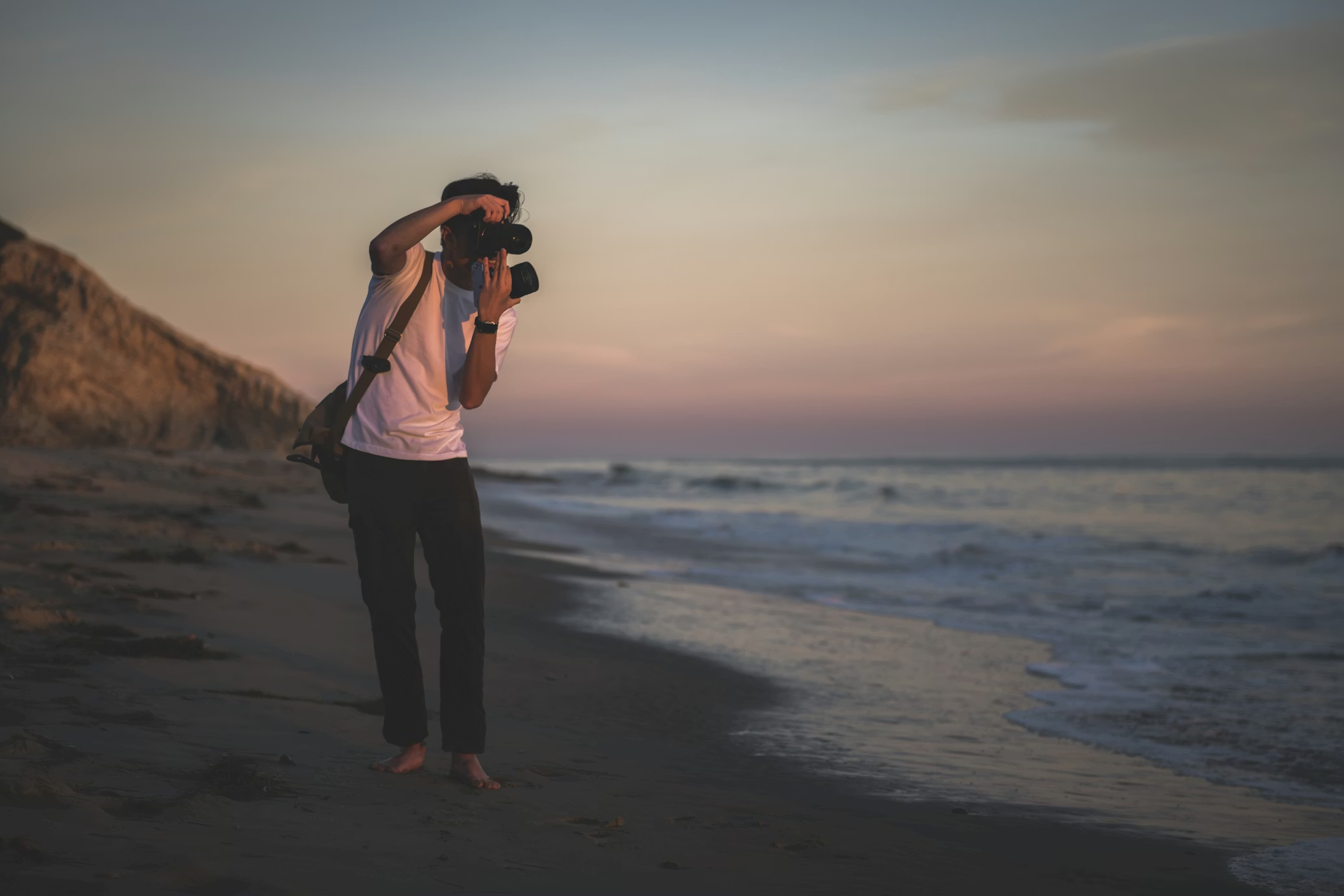
A vacation camera has one job. Make you want to bring it.
That sounds obvious, but it kills a lot of otherwise good gear. A camera can have great image quality, lovely specs, and a fan club online, then spend the whole trip in a hotel drawer because it is too big, too annoying, or too precious.
The best cameras for vacation are the ones that fit the trip, fit your bag, and still give you something your phone does not. Also, if you are flying, the usual battery rule still matters: spare lithium batteries belong in carry-on baggage, not checked luggage.
This list is built around real vacation use, not spec-sheet theater. One camera here is the best overall. One is the easy everyday pick. One is made for water and rough handling. One is stronger for travel video. One gives you long zoom without dragging around lenses. That is enough. You do not need ten options.
Related articles
- 6 Best Travel Cameras Under $500 (Every Niche)
- 6 Best Compact Cameras by Niche (Travel, Budget, Vlogs)
Quick Take: The Best Cameras for Vacation at a Glance
| Camera | Best for | Why it stands out |
|---|---|---|
| Canon EOS R50 | Best overall | Big jump in image quality, strong autofocus, still easy to travel with |
| Kodak PIXPRO FZ55 | Best for easy everyday carry | Simple, slim, and fast to use without a learning curve |
| OM System Tough TG-7 | Best for beach and pool trips | Built for water, drops, cold weather, and close-up travel details |
| Sony ZV-1 II | Best for travel video and city trips | Wide lens, 1-inch sensor, compact body, good for handheld clips |
| Panasonic Lumix ZS99 | Best for sightseeing zoom | 30x zoom in a pocketable travel camera |
1. Canon EOS R50
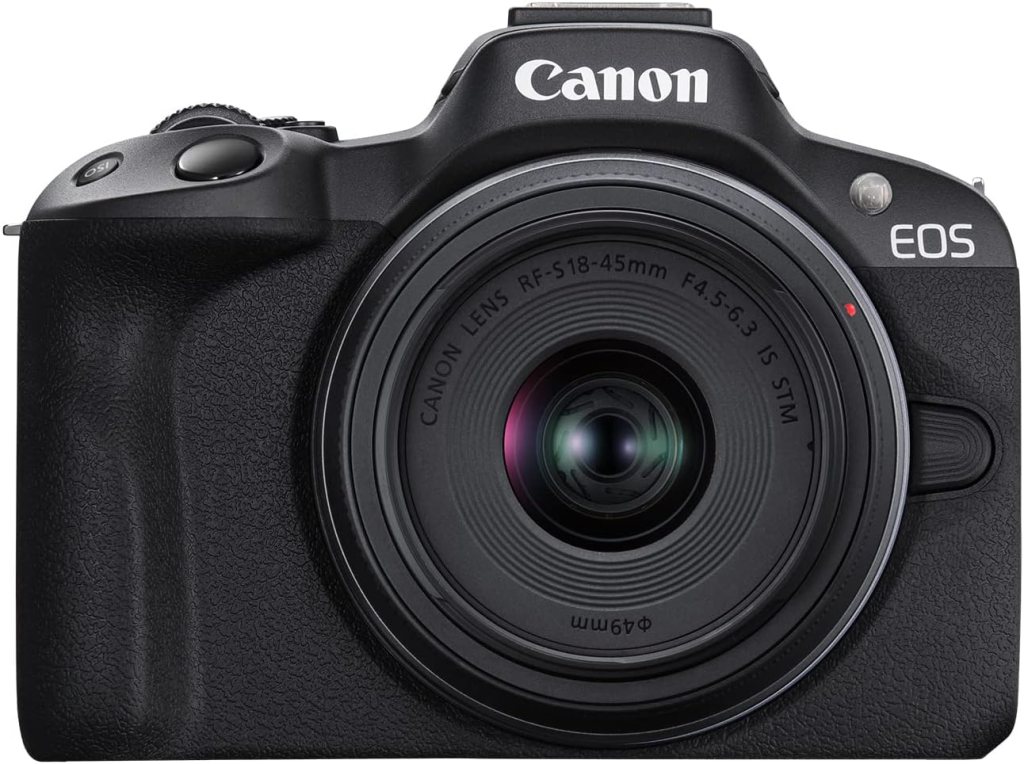
Best Overall
The Canon EOS R50 is the best overall pick because it lands in the sweet spot. It has a 24.2MP APS-C sensor, Canon’s Dual Pixel CMOS AF II, and uncropped 4K up to 30 fps oversampled from 6K.
In plain English, it gives you cleaner files, better subject tracking, and more room to grow than the compact options here, without turning your vacation into a gear-management project.
This is the camera I would hand to someone who cares about travel photos enough to notice the difference. Street scenes look better. Indoor restaurant shots hold up better. Portraits of your family stop looking flat.
It also helps that Canon’s menus make sense. That matters on day three of a trip when you are tired and sunburned and not in the mood to decode camera jargon.
Pros
- Excellent image quality for travel photos
- Reliable autofocus for people and moving subjects
- Strong 4K video for one-camera trips
- Good long-term value if you may add lenses later
Cons
- Larger than the compact cameras here
- Not the best fit for beach abuse or poolside chaos
- Lens system can get expensive if you go deep
Review summary: The R50 is the camera for travelers who want one smart purchase instead of a stopgap. It is not the tiniest option. It is the one that keeps paying you back.
Real Testimonial
The Canon EOS R50 is the strongest all-around pick in this lineup because it gives travelers a real jump in image quality without becoming a burden. It is small enough to bring on a trip, but capable enough to handle family photos, street scenes, food shots, and video without feeling like a compromise. Autofocus is one of its biggest strengths. It locks onto people quickly, which matters when you are trying to shoot real vacation moments instead of staged ones.
2. Kodak PIXPRO FZ55
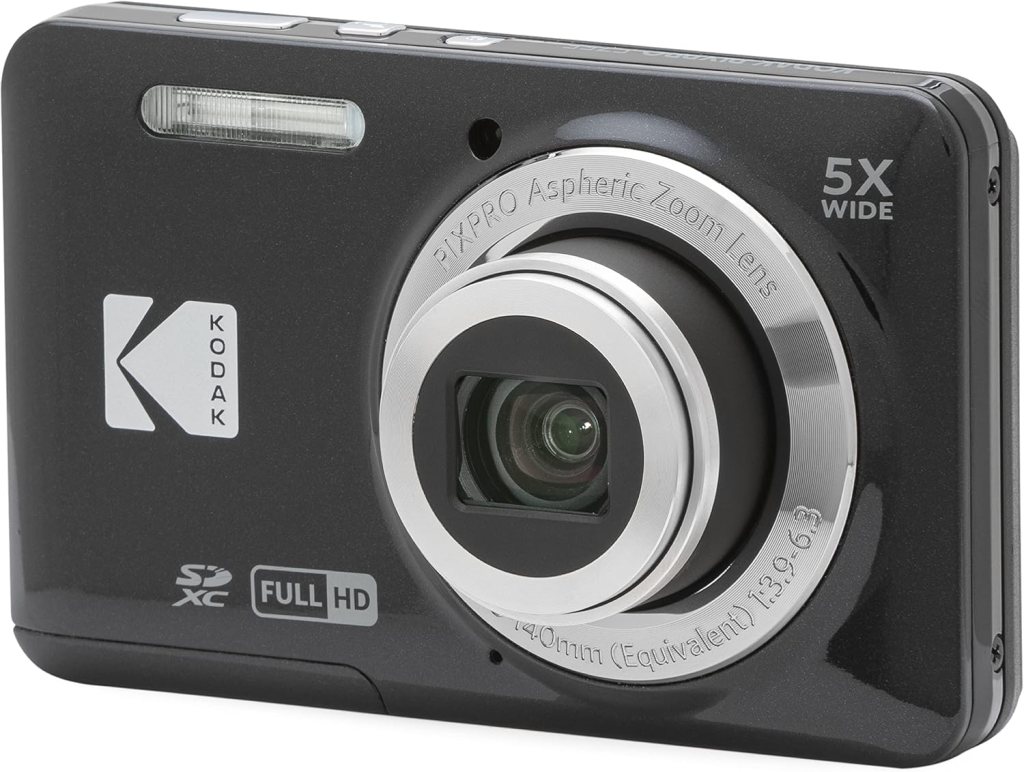
Best for Easy Everyday Carry
The Kodak PIXPRO FZ55 earns the second spot because it keeps things moving. It has a slim body, a 28mm wide-angle lens, 5x optical zoom, a rechargeable battery, and straightforward point-and-shoot handling.
That combination is more useful on vacation than a bunch of half-baked “pro” features you will never touch.
I like this kind of camera for people who want a real camera feel without the whole ritual. Pull it out. Frame the shot. Move on. It is good for daytime wandering, casual dinners, boardwalks, airport windows, hotel balconies, and all the small stuff that ends up mattering when you look back through trip photos later.
Pros
- Light and easy to pack
- Simple controls
- Useful everyday zoom range
- Less intimidating than an interchangeable-lens camera
Cons
- Not a low-light monster
- More limited than the stronger cameras here
- Best for casual shooting, not ambitious editing
Review summary: The FZ55 is the no-drama pick. It does not try to impress camera nerds. It tries to make itself useful, which is smarter.
Real Testimonial
The Kodak PIXPRO FZ55 works because it keeps things simple. It is not trying to be a creator camera, a pro body, or a statement piece. It is a light, straightforward vacation camera that you can slip into a bag and use without overthinking anything. That alone gives it real value. A lot of people do not need a complicated camera. They need one they will actually carry and use.
3. OM System Tough TG-7
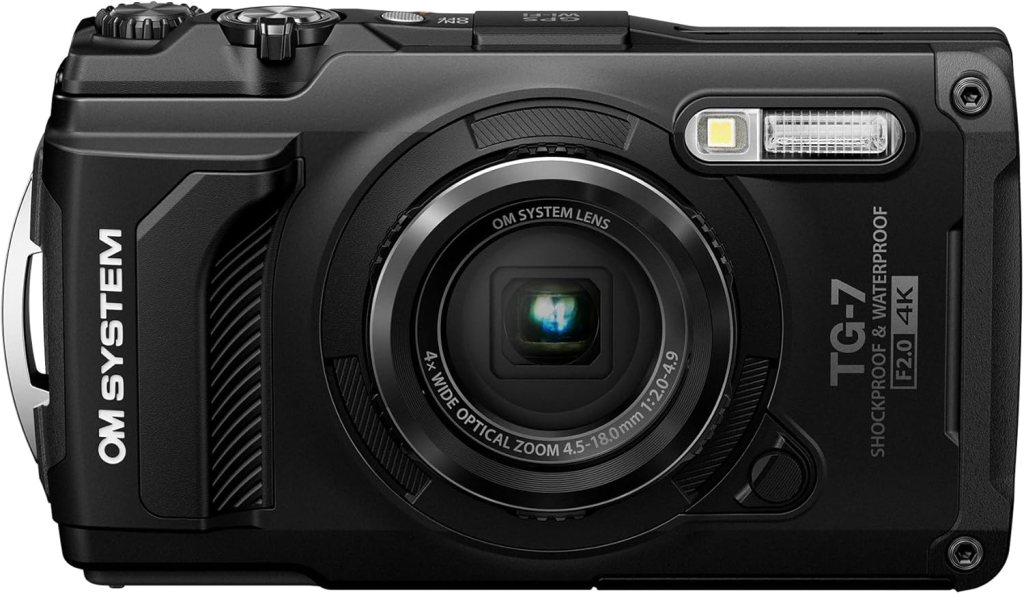
Best for Beach, Pool, and Snorkeling
The OM System Tough TG-7 is the vacation camera for people who do not want to babysit their gear. It is waterproof to 15 meters, shockproof to 2.1 meters, freeze-proof to -10°C, and crushproof to 100 kilograms.
It also has a bright F2.0 lens at the wide end and standout macro features that make shells, food, textures, insects, and random little travel details more fun than they should be.
Most “beach camera” advice online is a little delusional. Yes, you can bring a nicer camera near water. You can also get sunscreen on it, sand in the wrong place, and one bad slip on a dock. The TG-7 exists for reality.
This is the camera I would pack for resort travel, snorkeling stops, rainy hikes, or any trip where conditions are part of the story.
Pros
- Built for water, dust, drops, and cold weather
- Better close-up shooting than most rugged cameras
- Easy to justify on trips where a normal camera feels risky
- Compact enough to bring everywhere
Cons
- Smaller sensor than the R50 and ZV-1 II
- Not the strongest choice for pure low-light image quality
- Rugged design matters most on certain kinds of trips
Review summary: The TG-7 is not the most glamorous camera here. It may be the most vacation-proof. That counts for a lot.
Real Testimonial
The OM System Tough TG-7 is the most purpose-built camera on this list, and that is exactly why it earns a spot. This is the camera for beach trips, pool days, boat rides, rainy hikes, and rougher travel where a normal camera starts to feel like a bad idea. It is the kind of product that makes more sense the moment conditions stop being perfect. You do not have to baby it, and that changes how freely you shoot.
4. Sony ZV-1 II
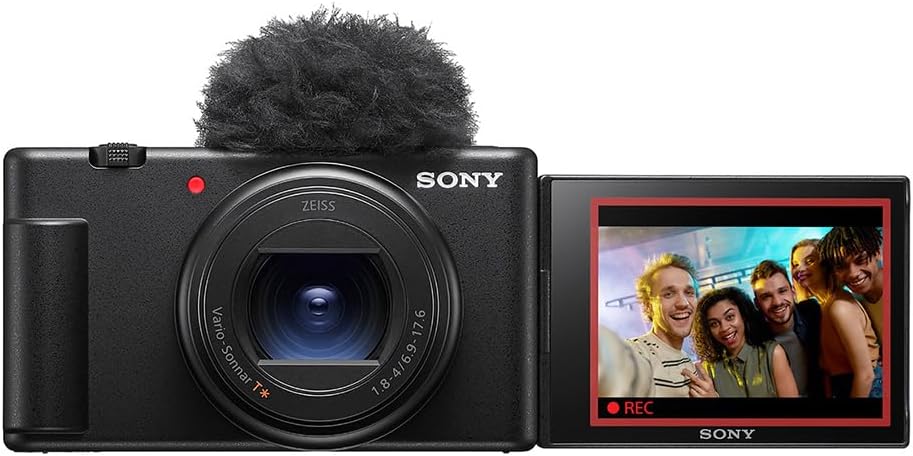
Best for Travel Video and Street Scenes
The Sony ZV-1 II is the pick for people who travel with clips in mind. It uses a 1.0-type sensor, weighs about 292 grams, and gives you an 18-50mm equivalent lens that is wide enough for handheld travel video without constantly fighting your framing.
That lens change from the older ZV-1 matters more than people think. Wide is useful on the road.
It also works well for stills if your taste leans toward café tables, street corners, signs, markets, architecture, and short moments rather than distant wildlife or long-zoom sightseeing. This is not the camera for everything. It is the camera for a certain style of trip. If that style is yours, it makes a lot of sense.
Pros
- Great lens range for handheld travel video
- Better image quality than basic small-sensor compacts
- Compact and easy to carry all day
- Good fit for social clips and casual vlogging
Cons
- Limited zoom compared with the Panasonic
- Not as rugged as the TG-7
- Less flexible than an interchangeable-lens camera
Review summary: The ZV-1 II feels modern in a good way. Fast, compact, wide enough, and built for the kind of travel memories people actually share now.
Real Testimonial
The Sony ZV-1 II is the cleanest fit for travelers who think in clips as much as still photos. It feels designed for the way people document trips now. Quick handheld videos, café scenes, walking shots, hotel room clips, markets, city nights, and the kind of in-between travel footage that would feel awkward with a larger camera. The wide lens is a big part of why it works so well. It makes everyday travel shooting easier.
5. Panasonic Lumix ZS99
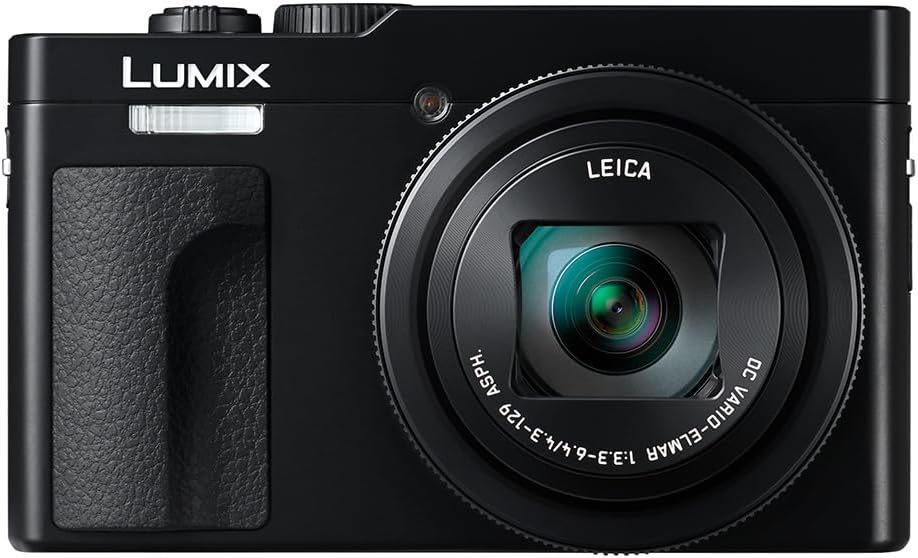
Best for Sightseeing Zoom
The Panasonic Lumix ZS99 is the camera for travelers who actually use zoom. It has a 20.3MP sensor, a 24-720mm equivalent lens, 30x optical zoom, 4K photo/video, and a tiltable rear screen in a pocket-sized body. That is a very specific package, and it works.
A lot of travel advice quietly assumes you are walking through a photogenic neighborhood with time to compose. Real trips are messier. You are on a boat. Across a plaza. Up in a balcony seat. Looking at wildlife on the edge of the frame.
Trying to catch a building detail without crossing six lanes of traffic. Long zoom still matters, even if it is unfashionable in some camera circles.
Pros
- Huge zoom range for landmarks, wildlife, and tours
- Still compact enough for travel
- Handy for people who do not want to change lenses
- Strong fit for sightseeing-heavy itineraries
Cons
- Smaller sensor means less room in bad light
- Not as pocket-simple as the Kodak
- Not as strong for subject isolation as the Canon
Review summary: If your vacations involve distance, the ZS99 earns its keep quickly. Some cameras are about image purity. This one is about getting the shot at all.
Real Testimonial
The Panasonic Lumix ZS99 is the sightseeing specialist. Its strength is simple: reach. On a real trip, that matters more than camera people sometimes admit. You are not always close to the subject. You are looking at buildings from across a square, details from a boat, performers from a distance, wildlife from a trail, or landmarks from wherever the crowd lets you stand. A strong travel zoom solves those problems fast.
Comparison Table: Which One Fits Your Kind of Trip
| Trip type | Best pick | Why |
|---|---|---|
| Family vacation | Canon EOS R50 | Best mix of photo quality, autofocus, and flexibility |
| Easy carry travel | Kodak PIXPRO FZ55 | Light, simple, and fast to use |
| Beach vacation | OM System Tough TG-7 | Built for water, sand, and rough handling |
| Cruise | OM System Tough TG-7 or Panasonic ZS99 | TG-7 for deck and water use, ZS99 for port-day zoom |
| City break | Sony ZV-1 II | Compact, wide, and good for video plus stills |
| Sightseeing-heavy trip | Panasonic ZS99 | Long zoom beats cropping later |
| Couples trip with better photos in mind | Canon EOS R50 | Strongest all-around image quality |
| Travel content creation | Sony ZV-1 II | Best fit for quick clips and handheld travel video |
How to Choose the Best Camera for Vacation
Size matters more than most review sites admit. A slightly worse camera that lives in your bag beats a better one that stays in your room. That is why compact cameras still have a real place, even now.
Sensor size still matters too. An APS-C camera like the R50 gives you a larger sensor than the compact models here, and that usually means better image quality and more control over depth of field. The tradeoff is bulk, and on vacation bulk is never theoretical. It is on your shoulder for eight hours.
Zoom is useful, but not free. Big zoom ranges make travel easier, especially for sightseeing, but lenses with more modest ranges often deliver better optical quality. That is why the ZS99 and the ZV-1 II solve very different problems. Neither is wrong. They just serve different travelers. Photography Life’s lens guide explains that tradeoff well.
My Honest Buying Advice
Most people should do one of two things.
Buy the Canon EOS R50 if you care enough about your photos to want a real step up and you do not mind carrying a real camera.
Buy the Kodak PIXPRO FZ55 if you mainly want a dedicated vacation camera that is easy, light, and pleasant to use.
The other three are specialty picks. Good specialty picks. But still specialty picks. The TG-7 is for rough conditions. The ZV-1 II is for a certain video-forward style of travel. The ZS99 is for people who know they need reach. If that is not you, do not force it.
FAQ
What is the best camera for vacation overall?
The Canon EOS R50 is the best overall camera for vacation because it balances image quality, autofocus, 4K video, and portability better than the rest of this list. It is the safest recommendation for travelers who want one camera that can do almost everything well.
Is a compact camera better than a phone for travel?
Sometimes, yes. A compact camera usually gives you optical zoom, better handling, and a different shooting experience than a phone. The difference is biggest when you want reach, dedicated controls, or a camera you can use all day without chewing through your phone battery.
What camera is best for a beach vacation?
The OM System Tough TG-7 is the strongest beach-vacation pick here because it is waterproof, shockproof, freeze-proof, and crushproof. That makes it far more relaxed to use around water and sand than a standard camera body.
What camera is best for sightseeing and landmarks?
The Panasonic Lumix ZS99 is the best sightseeing pick because its 24-720mm equivalent lens covers wide scenes and distant details without lens changes. That range is extremely practical for travel days built around tours, architecture, or observation decks.
What camera is best for family vacations?
The Canon EOS R50 is the best family-vacation option because good autofocus and APS-C image quality matter when you are photographing people in mixed light, motion, and quick moments. It is the most complete stills camera in this group.
Should I bring a mirrorless camera on vacation?
Yes, if you genuinely care about better photos and will actually carry it. No, if you already know you hate carrying gear. A mirrorless camera helps only when it stays with you.
Do I need interchangeable lenses for travel?
Not usually. Many travelers are better served by a fixed-lens compact or travel zoom because it keeps the kit lighter and simpler. Interchangeable lenses make sense when image quality or creative flexibility matters enough to justify the extra bulk.
What is the best lightweight camera for vacation?
The Kodak PIXPRO FZ55 is the best lightweight vacation camera in this lineup for simple travel use, while the Sony ZV-1 II is the better lightweight pick if video matters a lot.
What is the best vacation camera for video?
The Sony ZV-1 II is the best vacation camera for video here because of its 1-inch sensor, wide 18-50mm equivalent lens, and travel-friendly body. It is especially useful for handheld clips in tighter spaces.
What camera should I buy for trips if I do not want to edit photos?
The Kodak PIXPRO FZ55 is the easiest answer if you want straightforward results and a low-friction shooting experience. The Canon EOS R50 also works well if you want better files straight out of camera and room to grow later.
Are rugged cameras still worth buying?
Yes, when the trip actually calls for one. A rugged camera makes obvious sense for beach vacations, water activities, rainy hikes, boat days, and travel where gear abuse is not hypothetical.
What is the best camera for cruise vacations?
The best cruise camera depends on how you travel. The TG-7 is better if pool decks, excursions, and weather are part of the appeal. The ZS99 is better if you want to zoom in on shorelines, architecture, and distant details from the ship.
Can I use one vacation camera for both photos and video?
Yes. The Canon EOS R50 is the most balanced one-camera solution on this list, and the Sony ZV-1 II is the stronger choice if your trip leans more toward video than stills.
Final Verdict
The best cameras for vacation are not the ones with the longest review videos or the loudest fan base. They are the ones that match the trip you are actually taking.
The Canon EOS R50 is the best overall choice because it gives you the biggest real upgrade without crossing into overkill. The Kodak PIXPRO FZ55 is the smartest simple pick. The OM System Tough TG-7 is the one I would trust near water. The Sony ZV-1 II makes the most sense for travel video.
The Panasonic Lumix ZS99 is the zoom specialist. If you are stuck between two types of camera, pick the one you will carry longer, not the one that sounds more impressive in a forum argument. Photography Life’s broader photography learning hub is a good place to sharpen that instinct before you buy.
Affiliate Disclaimer
This article contains affiliate links. We may earn a small commission if you purchase through these links, at no extra cost to you.



Leave a Reply