
Jewelry photography is unforgiving. Metal picks up everything. Stones lie when your light is wrong. Tiny focus misses look huge once the image hits a product page. Shopify’s jewelry photography guide gets one thing exactly right: lighting and setup matter as much as the camera, sometimes more.
Still, the camera matters. A lot. The best camera for jewelry photography gives you crisp detail, stable color, clean manual control, and access to real macro lenses. That last part is where a lot of “good deals” fall apart.
I kept this list to current models that are sold new and have a believable path to serious close-up work. Not hype picks. Not travel-camera filler. Cameras I’d actually consider for rings, watches, chains, gemstones, and clean ecommerce product photos.
Current new listings are visible for the Sony a6700, Canon EOS R50, Nikon Z50 II, Fujifilm X-S20, and OM SYSTEM OM-5 Mark II on Amazon, while the brands’ official product pages confirm the core specs and lens mounts.
Quick Answer
If you want the short version, here it is.
- Best overall: Sony a6700
- Best easier-entry pick: Canon EOS R50
- Best for handling and straightforward stills: Nikon Z50 II
- Best for color character and fast small-brand workflow: Fujifilm X-S20
- Best for focus stacking and tiny-subject depth: OM SYSTEM OM-5 Mark II
Related articles
- 5 Best Lenses for Food Photography (Every Budget and Brand)
- 5 Best Lens for Insect Photography
- My Sony A6000 Review (Tested w/ Sample Photos)
How I Picked These
For jewelry, I care about a few things more than I care about burst speed or trendy creator features.
First, detail. Small products punish soft files.
Second, lenses. A camera body without a good macro path is half a system.
Third, control. Jewelry shoots usually happen on a tripod with deliberate light, not in chaos. That means I want a camera that feels calm when I slow down.
Fourth, depth of field options. Close-up work gets shallow fast. Canon’s macro photography guidance notes how thin depth of field becomes at close range, and Nikon’s focus-shift guide explains why stacking matters when one frame cannot keep the whole subject sharp.
Comparison Table 1
| Camera | Best for | Sensor | Resolution |
|---|---|---|---|
| Sony a6700 | Best overall | APS-C | 26MP |
| Canon EOS R50 | Best easier-entry pick | APS-C | 24.2MP |
| Nikon Z50 II | Best handling | APS-C | 20.9MP |
| Fujifilm X-S20 | Best color workflow | APS-C | 26.1MP |
| OM SYSTEM OM-5 Mark II | Best focus stacking | Four Thirds | 20MP |
Specs confirmed on official brand pages.
Comparison Table 2
| Camera | Strong point | Main tradeoff | Best fit |
|---|---|---|---|
| Sony a6700 | Mature E-mount lens system | Higher cost than the R50 | Serious product shooters |
| Canon EOS R50 | Easy to use, clean files | Less room to grow than Sony | Newer sellers and small shops |
| Nikon Z50 II | Comfortable body, simple operation | Lower resolution than Sony and Fuji | Tabletop shooters who value ergonomics |
| Fujifilm X-S20 | Great color profiles | Fuji lens decisions can get expensive fast | Brands that want nice JPEGs too |
| OM SYSTEM OM-5 Mark II | Built-in focus stacking | Smaller sensor | Close-up specialists |
1. Sony a6700
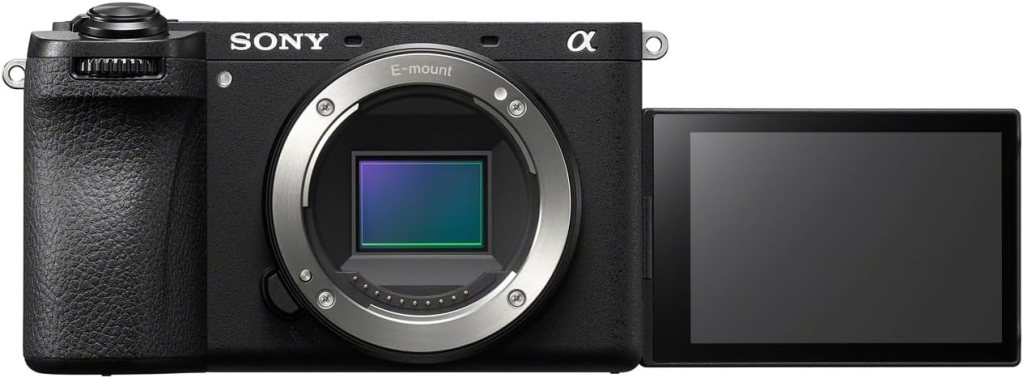
Best Overall for Jewelry Photography
This is the one I’d buy first if the goal is serious jewelry work and you do not want to outgrow the body too quickly.
The Sony a6700 uses a 26MP APS-C sensor, E-mount, and Sony’s current-generation autofocus platform. The official Sony spec page confirms the 26MP APS-C sensor, while Amazon shows current new availability.
What makes it win here is not romance. It is system depth.
Sony’s E-mount ecosystem gives you real options for macro work, native and third-party. That matters more than people admit. Jewelry photography is rarely about body-only image quality. It is about whether you can pair the camera with a lens that draws tiny detail cleanly and lets you work at sane distances.
The a6700 also feels like a camera that can grow with you. You can use it for clean white-background ecommerce shots, styled brand imagery, and short-form video without switching platforms later.
Review summary: Sharp, flexible, and backed by the best practical lens ecosystem on this list. Not the most charming pick. The most useful one.
Pros
- 26MP APS-C sensor with strong detail
- Deep lens ecosystem for macro and product work
- Strong autofocus and modern handling
- Good bridge between stills and video
Cons
- Costs more than the easier-entry options
- The body matters less if the lens budget is too tight
- Not as specialized for in-camera stacking as OM SYSTEM
Real Testimonial
The Sony a6700 is the strongest all-around pick for jewelry photography because it gives you sharp APS-C files, serious room to grow, and a lens ecosystem that makes macro work much easier to build around. It is not the most casual camera in the group, but it is the one that feels least likely to box you in once your setup gets more demanding. Amazon’s listing highlights its 26.0MP APS-C sensor and RAW support, which fits the kind of detail-first workflow jewelry shooters usually need.
2. Canon EOS R50
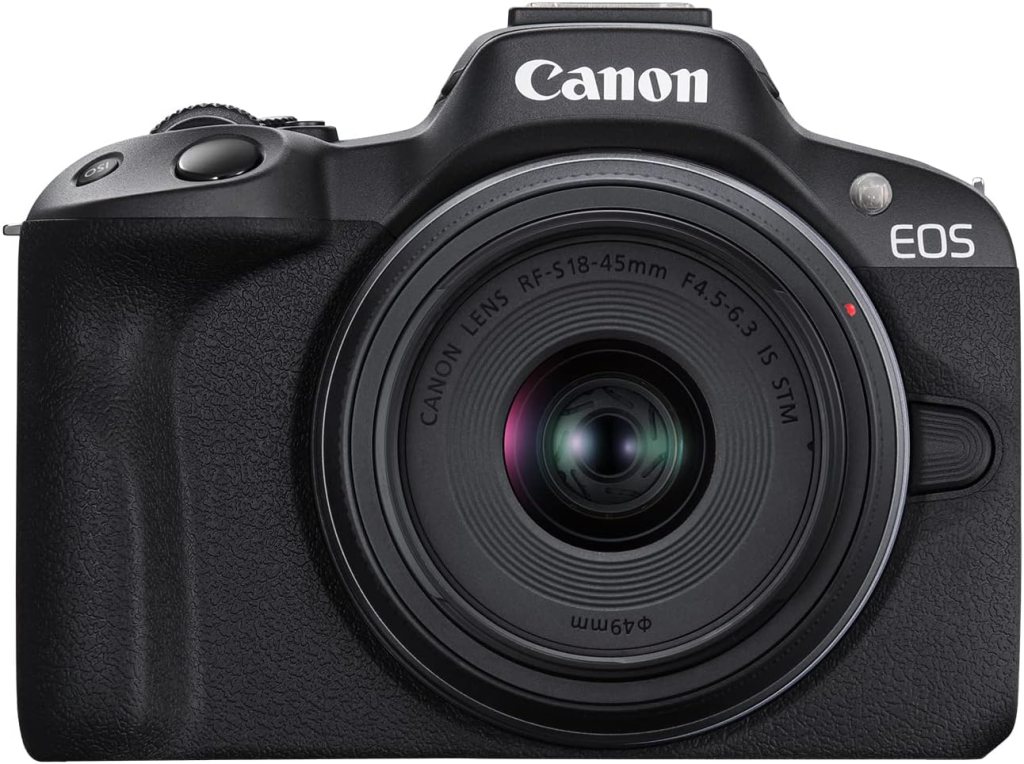
Best for Getting Clean Product Shots Without a Complicated Setup
The EOS R50 is the pick I’d hand to someone building a small product studio without wanting to turn this into a gear hobby.
Canon lists a 24.2MP APS-C sensor, RF mount compatibility, and a close-up demo mode, and Amazon shows current new R50 kits and body options available.
What I like here is simple: the R50 gets out of the way.
It is small, approachable, and good enough to make product photos that look expensive once the lighting and lens choice are right. For jewelry, that is often the real battle. Not camera menus. Not endless features. Just getting sharp, clean files with sane color and not hating the process.
The reason it lands second instead of first is long-term system flexibility. Canon can absolutely do the job, but Sony still feels broader and safer if you know you’re building toward more demanding macro work.
Review summary: Easy to like. Easy to use. Easy to recommend to sellers who want clean product images without buying into a more intimidating system.
Pros
- 24.2MP APS-C sensor
- Friendly size and interface
- Good image quality for product and catalog work
- Strong value for stills-first jewelry setups
Cons
- Less room to roam than Sony’s lens ecosystem
- Not the strongest specialist choice if macro becomes your whole business
- More of a practical starter system than a deep-end one
Real Testimonial
The Canon EOS R50 is the easiest camera here to recommend to someone who wants clean product photos without getting dragged into a complicated system right away. It feels approachable, the files are strong enough for serious ecommerce work, and it does a good job of keeping the process simple. It is not the most expandable choice on the list, but it is a very sensible one. Canon’s Amazon listing identifies it as a 24.2-megapixel APS-C mirrorless camera.
3. Nikon Z50 II
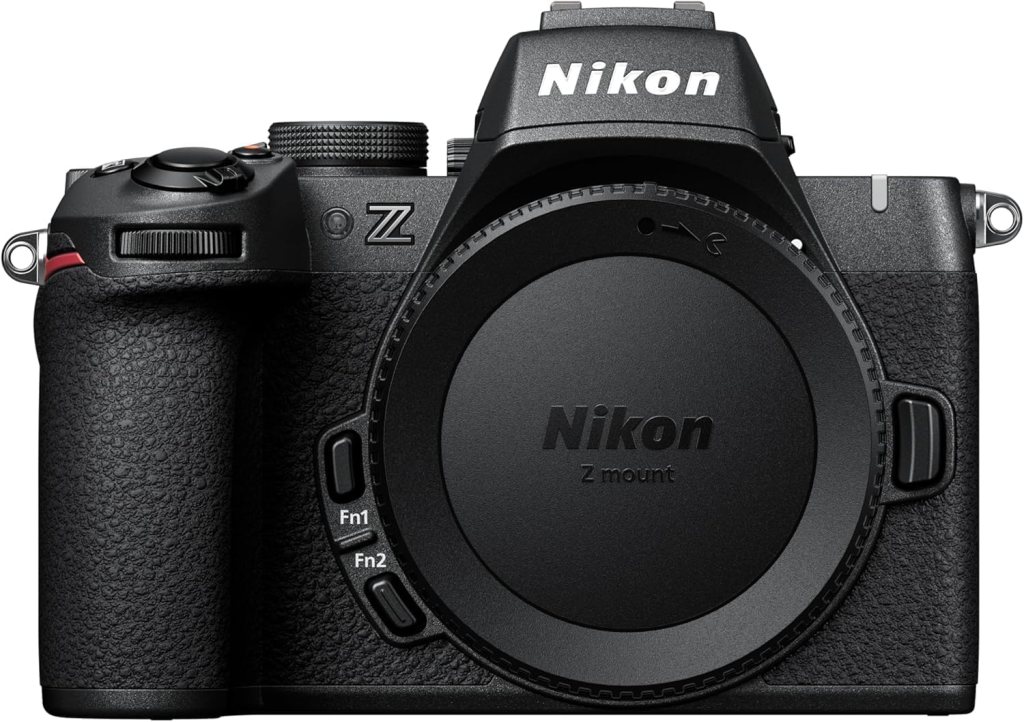
Best for Comfortable Handling and Crisp Still Images
Nikon’s Z50 II feels like a camera for people who want a proper camera. That sounds vague, but you know it when you hold one.
Nikon’s official product page and Amazon listings show the Z50 II as a current APS-C mirrorless model with a 20.9MP sensor and new-product availability.
On paper, the 20.9MP resolution is a little less exciting than the 26MP bodies above it. In real jewelry photography, that is not fatal. Good light, a stable tripod, and a sharp lens still beat sloppy technique with more megapixels.
The Z50 II earns its place because it looks like a sensible workstation camera. Comfortable grip. Straightforward design. Less performative energy. For long tabletop sessions, that matters.
I would not rank it above the Sony or Canon for most buyers, but I would absolutely trust it for product work.
Review summary: A grounded, sensible camera that favors comfort and clean stills over hype. Resolution is modest, but the camera makes good sense.
Pros
- Comfortable body and straightforward controls
- APS-C sensor with good still-image quality
- Easy transition for people who prefer a more traditional camera feel
- Strong option for tripod-based work
Cons
- Lower resolution than Sony a6700 and Fujifilm X-S20
- Not the most exciting lens story here
- Harder to call the best value or the best specialist pick
Real Testimonial
The Nikon Z50 II looks like a good fit for people who want a camera that feels solid, straightforward, and built for actual shooting instead of spec-sheet bragging. For jewelry work, that matters more than people think. A comfortable body and steady tripod workflow can be worth a lot. It does not lead this list on resolution, but it still makes sense for crisp tabletop stills. Amazon’s listing presents it as a compact mirrorless stills and video camera.
4. Fujifilm X-S20
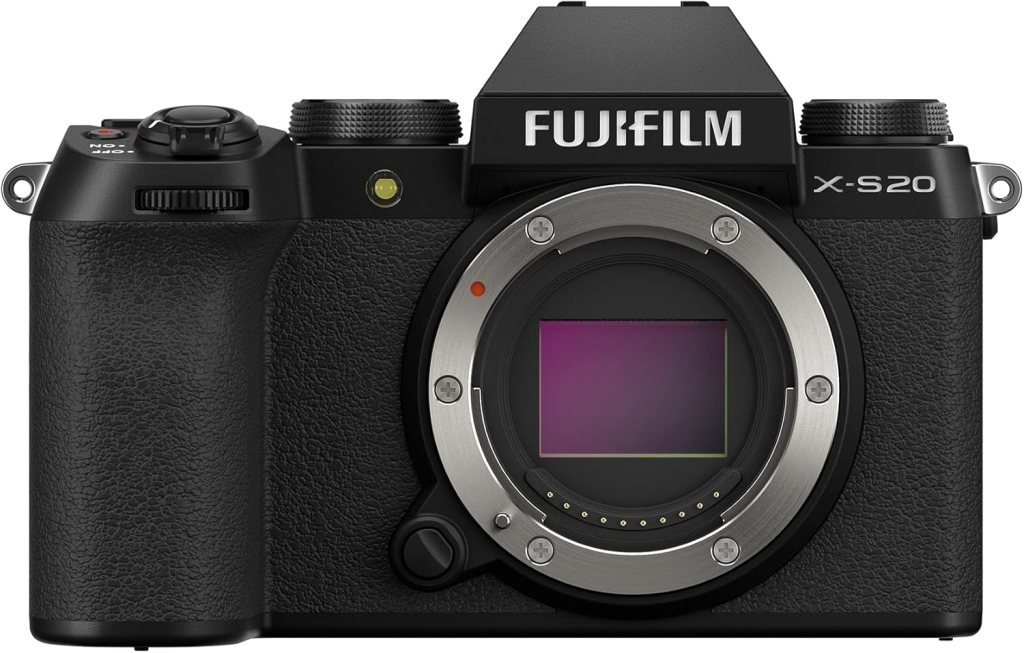
Best for Color Profiles and Fast Small-Business Workflow
The Fujifilm X-S20 has a 26.1MP APS-C X-Trans sensor and X-Processor 5, according to Fujifilm’s official product pages, and current new listings are visible on Amazon.
This is the camera for people who care about how files feel straight out of camera.
That matters more than internet gear forums want to admit. If you run a small jewelry brand and you are juggling product pages, socials, short videos, and batch edits, a camera with a pleasing default look saves time. Fuji has built a following on exactly that.
I still rank it fourth because jewelry photography is a brutal niche. Pretty color is nice. Precision is better. Fuji can do both, but I trust Sony’s system depth and OM SYSTEM’s close-up tricks more for this specific job.
Review summary: Attractive files, fast workflow, and a camera people tend to enjoy using. A strong lifestyle-brand pick, even if it is not my first specialist choice.
Pros
- 26.1MP APS-C sensor
- Excellent color reputation
- Pleasant workflow for mixed stills and brand content
- Compact without feeling flimsy
Cons
- Lens planning matters a lot
- Not as clear-cut a macro-system buy as Sony
- Better for hybrid brand use than pure technical product work
Real Testimonial
The Fujifilm X-S20 is the camera I would look at if the job includes both jewelry photography and brand content. Fuji tends to give files a more distinctive look, and that can save time when you are producing product shots, socials, and short video in the same week. It is a strong hybrid choice, though I still trust Sony more for a purely practical macro system. Amazon lists it as the X-S20 mirrorless camera body, and it sits in the part of the market where image quality and usability both matter.
5. OM SYSTEM OM-5 Mark II
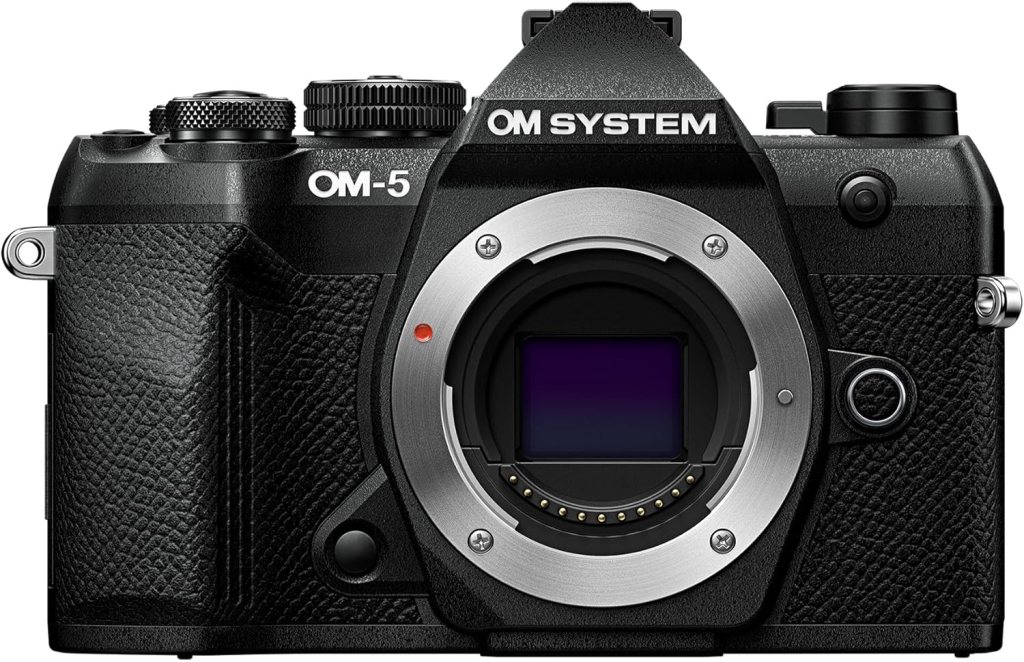
Best for Focus Stacking and Small-Object Depth of Field
This is the specialist pick. Maybe the smartest one for some buyers.
OM SYSTEM says the OM-5 Mark II includes in-camera focus stacking, which merges different focus points into a single image with greater depth of field. The official OM SYSTEM page also confirms that feature on the current model, and Amazon shows new OM-5 Mark II listings.
For jewelry, that is not a gimmick.
Tiny subjects create depth-of-field problems fast. Rings, prongs, watch hands, gemstone facets, chain texture. You can stop down to f/16 and hope for the best, but focus stacking is often the cleaner answer. Nikon’s focus-shift explainer makes the same point from another angle: stacking extends usable depth in close-up work when one frame is not enough.
The smaller Four Thirds sensor also helps a bit here. You get more apparent depth at the same framing than you would from a larger format. Not magic. Just physics.
What keeps it in fifth is simple. The 20MP sensor is fine, but this system is more niche. For a general buyer, I would still lean Sony. For somebody shooting very small objects all week, the OM-5 Mark II gets interesting fast.
Review summary: The most specialized camera in the list. Not the broadest recommendation. One of the smartest if depth of field is your daily headache.
Pros
- In-camera focus stacking
- Helpful depth-of-field behavior for close-up work
- Compact system
- Strong fit for detail-heavy tabletop shooting
Cons
- 20MP sensor is less forgiving for heavy cropping
- More niche system overall
- Less obvious choice for people who also want a broad mainstream ecosystem
Real Testimonial
The OM SYSTEM OM-5 Mark II is the most specialized pick in the group, which is exactly why it belongs here. For jewelry photography, depth of field becomes a problem fast, and this camera is interesting because it is built around a smaller format that can be helpful in close-up work. It is not the broadest recommendation, but it is a smart one for people shooting tiny, detail-heavy subjects all the time. Amazon lists it as the OM-5 Mark II body.
What Matters More Than the Camera Body
A camera body can only do so much.
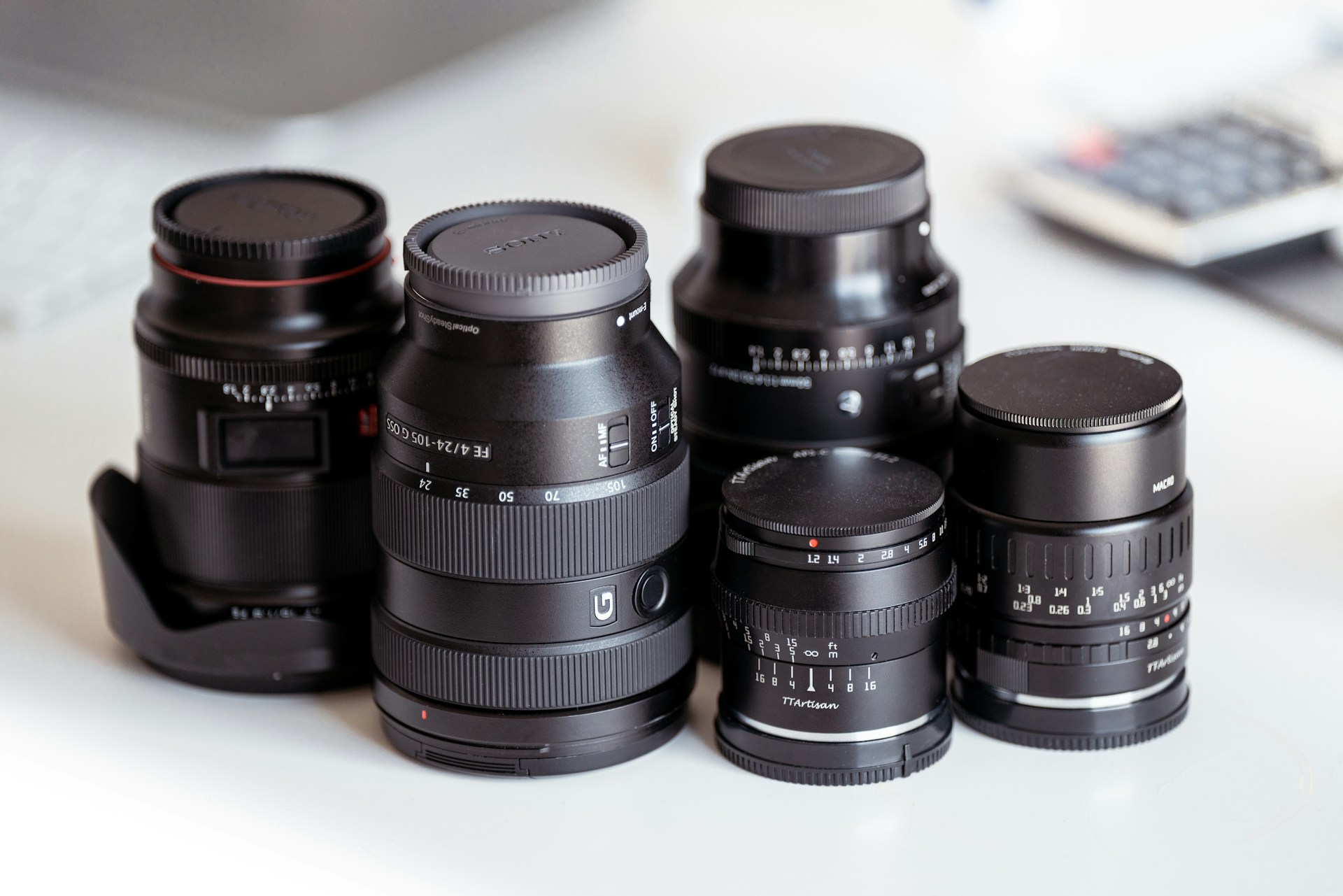
For jewelry photography, the lens is usually the real story. A proper macro lens changes everything. You see edge detail better. You work more deliberately. Small flaws stop hiding.
Lighting is just as important. Reflective products need soft, controlled light. Direct harsh light makes metal look angry and diamonds look flat.
Shopify’s reflective product guidance recommends side lighting, backlighting, or carefully controlled overhead setups for reflective surfaces, which is exactly the right direction for metal and stones.
Tripod stability matters too. So does keeping the front of the lens parallel to the subject when possible. Canon’s macro guidance and Nikon’s close-up tips both point to depth of field being razor thin at close distances, which is why jewelry shooters so often end up using small apertures and, eventually, focus stacking.
This is why I would rather shoot jewelry with a “less exciting” camera and a proper macro setup than with a trendy body and the wrong lens.
Best Camera by Use Case
If you want the cleanest all-around answer, buy the Sony a6700.
If you want something easier to step into without feeling boxed into a toy, buy the Canon EOS R50.
If you want a camera that feels steady and sensible for long tabletop sessions, buy the Nikon Z50 II.
If your brand work and product work blur together and you like attractive color straight out of camera, buy the Fujifilm X-S20.
If you already know depth of field is your enemy and you want the body to help solve it, buy the OM SYSTEM OM-5 Mark II.
FAQ
What is the best camera for jewelry photography?
The Sony a6700 is the best overall pick in this list because it balances detail, control, and lens ecosystem better than the others. For most people, that matters more than any one flashy feature.
Do I need a full-frame camera for jewelry photography?
No. APS-C is more than good enough. Jewelry shoots usually depend more on lens quality, lighting, tripod stability, and focus technique than on sensor size.
Is APS-C good enough for jewelry photography?
Yes. Very good, actually. The Sony a6700, Canon EOS R50, Nikon Z50 II, and Fujifilm X-S20 all use APS-C sensors and can produce strong jewelry images with the right lens and light.
Is Micro Four Thirds good for jewelry photography?
Yes, especially if you care about depth of field and focus stacking. That is where the OM-5 Mark II becomes more than a quirky alternative.
What lens is best for jewelry photography?
Usually a true macro lens. That gives you close focusing, strong sharpness, and better control over small subjects.
Do I need a macro lens for jewelry photography?
Need is a strong word. But it helps a lot. If you want rings, prongs, stone cuts, and texture to look crisp, a macro lens is usually the right move.
How many megapixels do I need for jewelry photos?
Around 20MP to 26MP is already enough for most ecommerce and catalog use. More can help with cropping, but it does not fix bad focus or bad light.
What camera settings work best for jewelry photography?
Usually low ISO, tripod use, a moderate aperture like f/8 to f/11 as a starting point, and manual focus. If the object has real depth, stacking often works better than pushing the aperture too far.
How do I photograph reflective jewelry without glare?
Use larger, softer light and control what the metal reflects. White cards, diffusion, and side lighting help. Hard direct light usually makes jewelry look worse, not better.
How do I get diamonds and gemstones to look sharp?
Careful focus, stable support, and controlled light. Gemstones also need thoughtful angles. A sharp camera body helps, but sloppy reflections will still kill the shot.
Can I use a beginner mirrorless camera for jewelry photography?
Yes. The Canon EOS R50 is proof of that. Entry-level does not mean incapable. It just means you have to be smarter about the rest of the setup.
What is better for jewelry photos: natural light or studio light?
Studio light gives more control. Natural light can work, but it changes too much and reflective products punish inconsistency.
Should I use autofocus or manual focus for jewelry photography?
Manual focus is often better once the camera is locked down on a tripod. Small products do not move. Precision matters more than speed.
What background works best for jewelry photography?
Plain white for ecommerce. Neutral or darker controlled surfaces for brand imagery. The right answer depends on where the photo will live.
Do I need focus stacking for rings and earrings?
Not always. But often enough that it is worth learning. Small subjects with depth can look half-soft in one frame even at narrower apertures.
Which camera on this list is best for ecommerce product photos?
The Sony a6700 is the strongest all-around answer. The Canon EOS R50 is the easiest simpler answer.
Which camera is best for jewelry photography and video?
The Sony a6700 or Fujifilm X-S20. Both make sense if your product photography also spills into reels, demos, or behind-the-scenes video.
Can I shoot jewelry photos with a kit lens?
You can start there, but you will hit limits quickly. Jewelry is small. Kit lenses are usually not built for serious close-up detail work.
What accessories matter most besides the camera?
A macro lens, tripod, diffused light, reflectors, and a clean surface. Editing software matters too, but it should not be rescuing bad files every time.
Is editing more important than the camera body?
Sometimes, yes. Especially for dust cleanup, white balance, contrast, and minor reflections. But editing cannot invent sharpness that was never there.
Final Verdict
My favorite pick here is still the Sony a6700. Not because it is trendy. Because it gives you the fewest dead ends. It is the camera most likely to keep making sense after your setup gets more serious.
The Canon EOS R50 is the easier recommendation for newer sellers. The OM-5 Mark II is the clever outsider if you know what focus stacking can do for jewelry. Nikon and Fuji both earn their place, but for different temperaments.
And that is really the point. Jewelry photography is not forgiving, but it is predictable. Once you understand how shallow close-up depth of field gets, and why stacking often beats brute-force stopping down, the gear choices become much clearer.
Nikon’s focus-shift guide explains that part well.
Affiliate Disclaimer
This article contains affiliate links. We may earn a small commission if you purchase through these links, at no extra cost to you.



Leave a Reply