
If you’ve spent any time shopping for the best budget trail cameras, you’ve already seen the problem. Every camera claims absurd megapixels. Every listing promises invisible night vision. Half of them look interchangeable. In the field, they are not.
Trigger speed, battery life, setup, and how the camera behaves at night matter a lot more than a bloated spec sheet. For a useful authority link in the intro, I’d point readers to National Deer Association guidance on trail-camera placement and seasonal strategy.
The picks below lean toward cameras that do one thing well instead of trying to look impressive in a thumbnail. A couple are better for wildlife watching. One is the safest all-around buy. One makes more sense for someone buying their first trail cam and just wanting the thing to work.
What actually matters in a budget trail camera
A budget trail camera does not need to be fancy. It needs to catch motion cleanly, stay alive in bad weather, and not make you dread checking the card.
The short list is simple:
- Trigger speed
- Detection reliability
- Night image quality
- Battery efficiency
- Menu system and setup
- Housing durability
- Real usefulness, not fake 64MP marketing theater
I care more about a dependable 1080p or 1296p camera with a fast trigger than a bargain-bin model screaming about 4K while missing the animal entirely.
Related articles
Quick comparison table
| Product | Best for | Trigger speed | Video | Night vision |
|---|---|---|---|---|
| Browning Strike Force Pro X 1080 | Best overall | <0.25 sec | 1080p | IR, long-range flash |
| GardePro A3S | Best value pick | 0.1 sec | 1296p | 940nm no-glow |
| Bushnell Prime Low Glow 24MP | Best for simple setup | 0.3 sec | 1080p | Low-glow IR |
| Vikeri 4K 48MP | Best for backyard wildlife | 0.05 sec claimed | 4K | No-glow IR |
| WOSPORTS G600 | Best for multi-camera setups | 0.2 sec | 4K | Low-glow IR |
These headline specs come from the manufacturers or current product listings, while third-party testing gives a better read on how some of them actually behave in the field.
| Product | Power | Storage | Screen/app | Why it made the list |
|---|---|---|---|---|
| Browning Strike Force Pro X 1080 | 6 AA | Up to 512GB SD | 1.5″ color screen | Fast, mature, dependable design |
| GardePro A3S | 8 AA or 12V | Up to 512GB SD | Built-in screen | Strong night performance for the class |
| Bushnell Prime Low Glow 24MP | AA battery tray | SD card | Straightforward onboard controls | Easy to live with |
| Vikeri 4K 48MP | AA batteries | SD card | Built-in screen | Accessible and feature-rich |
| WOSPORTS G600 | SD card included on some listings | SD card | 2″ LCD | Handy if you want multiple units |
Those details are drawn from brand pages and current listings.
1) Browning Strike Force Pro X 1080
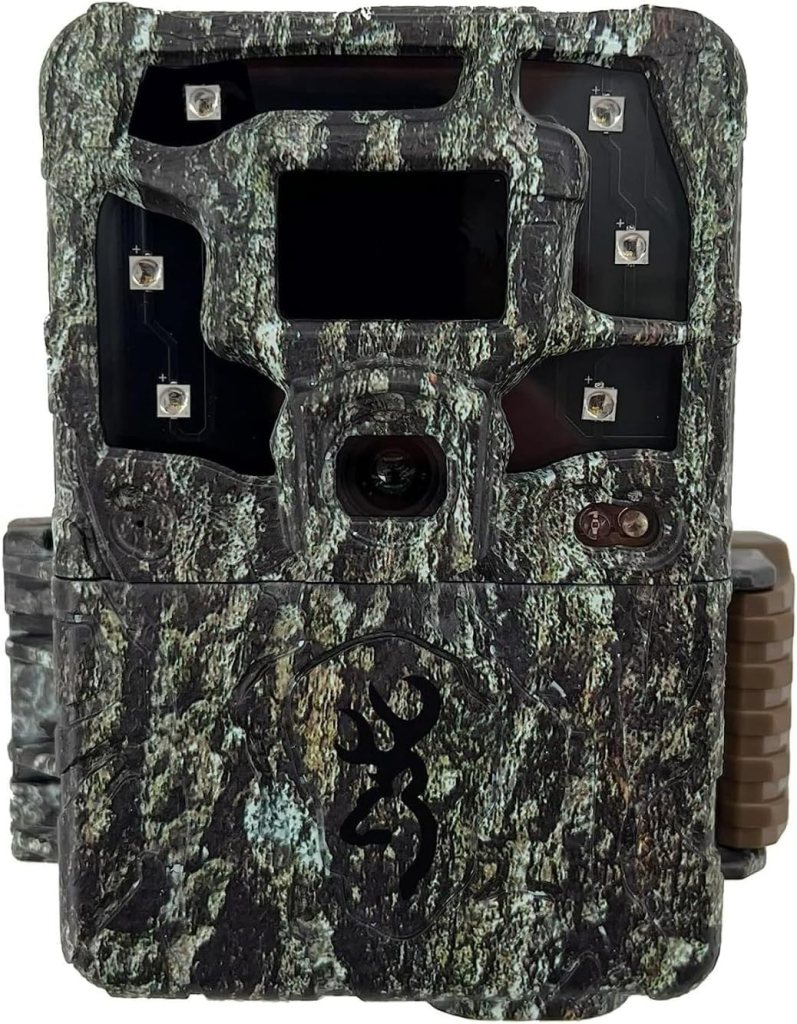
Best Overall
This is the one I’d buy first if I wanted one budget-minded trail camera that still feels like a serious piece of gear.
Browning got the important stuff right here. The Strike Force Pro X 1080 has a color screen, a listed sub-quarter-second trigger, 1080p video with sound, and strong battery-life claims.
More important, third-party testing from Trailcampro described its speed and detection performance in unusually confident terms, and NHBS also came away impressed by its day and night footage.
It is not the flashiest camera in this group. Good. That is part of the appeal. Browning’s better trail cams tend to feel like they were built by people who know a trail camera spends its life strapped to a tree, getting rained on, ignored, and blamed for everything.
Review summary: Fast, reliable, and easy to trust. If you want one camera that does the most things right, start here.
Pros
- Very fast trigger speed
- Internal color screen is genuinely useful
- Strong detection and solid night performance
- Better physical design than most low-cost rivals
Cons
- Usually not the lowest-priced option
- 1080p video is practical, not glamorous
Best for: deer scouting, mixed wildlife use, buyers who care more about reliability than novelty
Real Testimonial
The Strike Force Pro X 1080 is the most complete camera in this group. It is fast, durable, and refreshingly practical. Third-party testing from Trailcampro praised its detection circuit and battery life, which lines up with Browning’s own positioning around quick response and reliable field use. This is the camera for buyers who want fewer surprises and better odds of getting the shot.
2) GardePro A3S
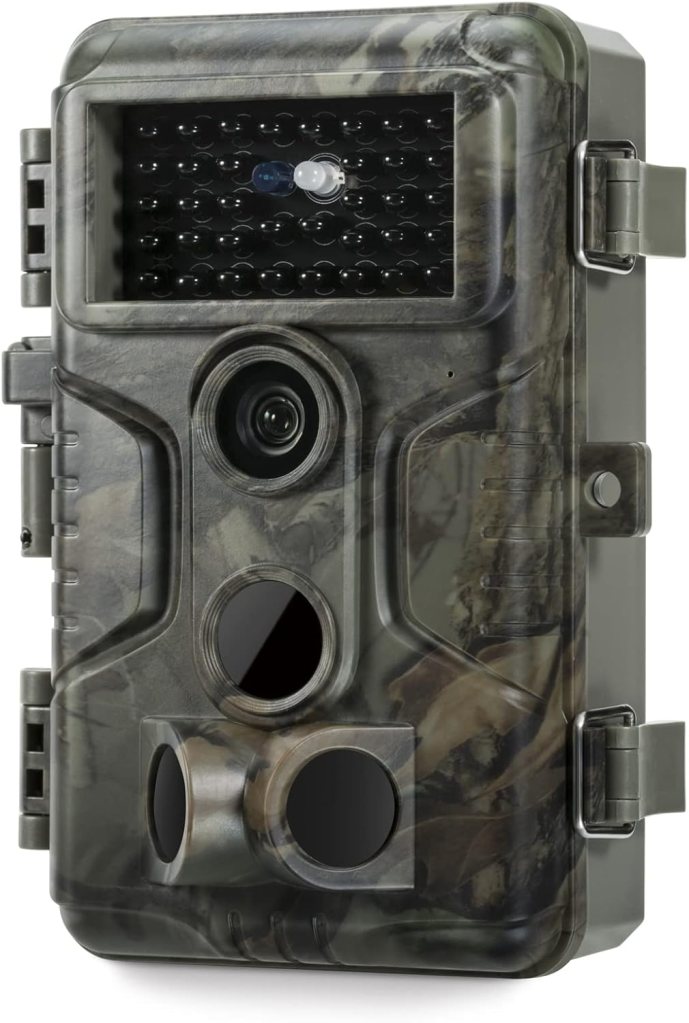
Best Value Pick
This is the model I’d put in the second slot every time because it makes the strongest case for itself without leaning on nonsense.
The A3S uses a Sony Starvis sensor, records 1296p video, and claims a 0.1-second trigger plus 940nm no-glow infrared. On paper, that already looks good. In actual reviews, it has gotten praise for setup, low-light work, and overall value.
Expert Reviews specifically called out the invisible 940nm flash and straightforward setup, while TechGearLab has previously singled it out as a favorite budget option.
This is the camera I’d point a first-time buyer toward if they want clean features, decent night behavior, and a little more confidence than the random alphabet-soup brands offer.
Review summary: The A3S punches above its tier because it focuses on the right things, especially night visibility and ease of use.
Pros
- Sony Starvis sensor is a real selling point
- No-glow night vision
- Very fast rated trigger speed
- Good starter-friendly controls
Cons
- Brand recognition is lower than Browning or Bushnell
- Spec sheet is more ambitious than what real field use always delivers
Best for: beginners, backyard wildlife, buyers who want strong night performance without overspending
Real Testimonial
The GardePro A3S stands out because it gets the basics right and adds a better sensor than you usually see in this part of the market. Its Sony Starvis sensor, no-glow infrared, and fast trigger make it a strong pick for buyers who care about night performance and simple setup. It does not have the same long-track-record feel as Browning or Bushnell, but it makes a convincing case as the smartest value-first option.
3) Bushnell Prime Low Glow 24MP
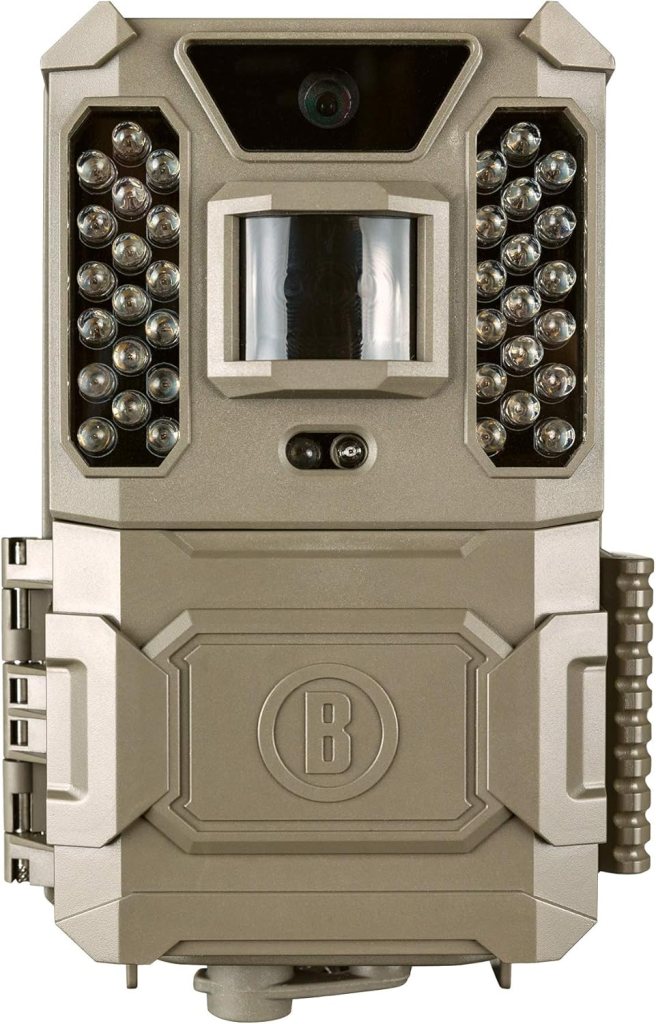
Best for Straightforward Setup
Bushnell knows how to make gear for people who do not want to read a manual twice.
The Prime Low Glow 24MP is not exciting. I mean that as praise. Bushnell lists a 0.3-second trigger, 1-second recovery rate, 1080p video with audio, and an 80-foot flash range. Trailcampro’s testing found picture detection pretty good, video detection a little slower, and the overall package solid if unspectacular. That sounds about right.
Some cameras try to win you over with a crazy number. Bushnell wins by being understandable. If you want to mount a camera, set it, and come back later without drama, this one belongs on the shortlist.
Review summary: Not the most exciting pick, but one of the easiest to recommend to someone who values simplicity and brand familiarity.
Pros
- Easy menu system
- Good trigger speed
- Established brand with a straightforward design
- 1080p video with audio
Cons
- Night field of view is not especially wide
- Less personality than the Browning or GardePro
Best for: first-time buyers, simple property monitoring, people who hate fiddly menus
Real Testimonial
The Bushnell Prime Low Glow 24MP is the steady, no-drama pick. Trailcampro found that picture detection was pretty good and setup was easy, even if the overall performance was more solid than exciting. That is exactly why it belongs on a list like this. It is a straightforward camera from a known brand, and it makes the most sense for people who want something dependable and easy to figure out.
4) Vikeri 4K 48MP
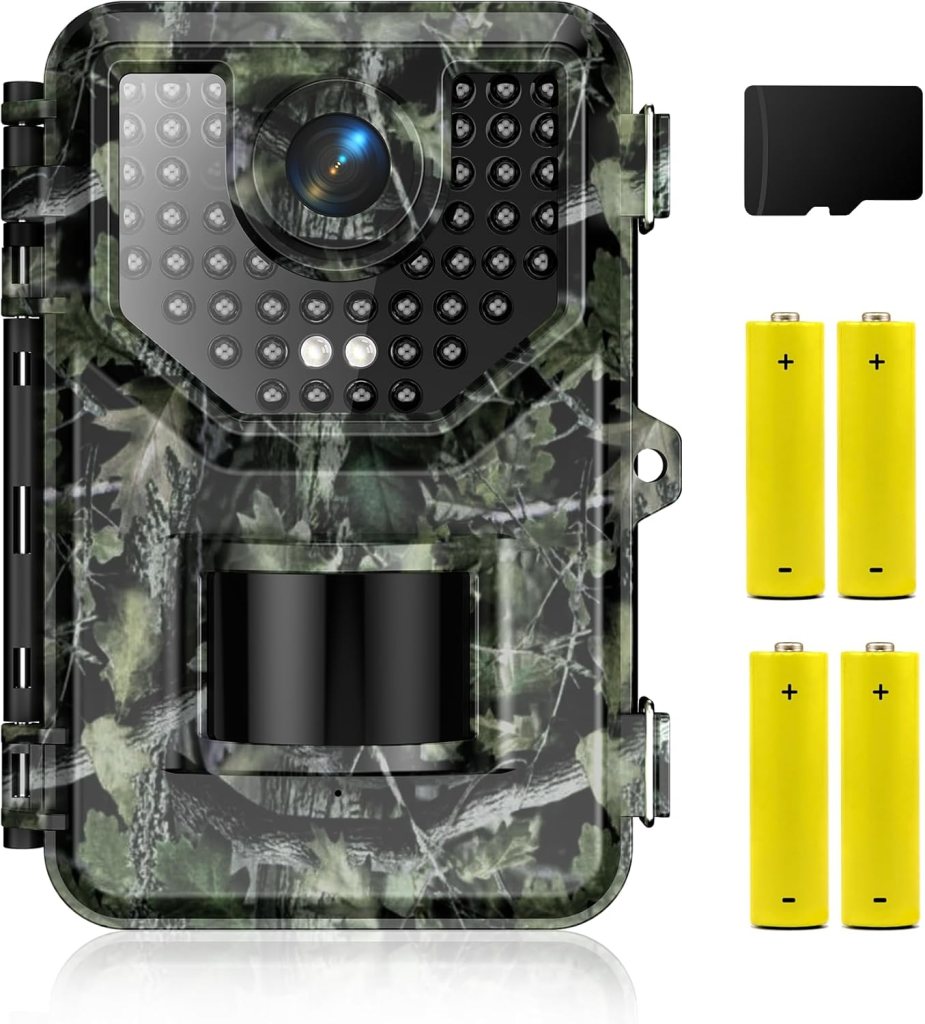
Best for Backyard Wildlife Watching
I would not put this above the Browning or the GardePro. I would absolutely consider it for casual use.
Vikeri’s current Amazon-facing model lineup highlights 4K video, a 48MP still-image claim, a very fast rated trigger, and no-glow night vision. Independent coverage is mixed in the way budget trail camera coverage often is. Better With Birds called it an excellent budget-friendly choice for wildlife photography and surveillance, while TechGearLab liked the image quality but criticized night motion handling and reported moisture getting into the housing during field testing of the Vikeri game camera they reviewed.
That split feels honest. This is a feature-heavy pick that makes sense for backyard trails, feeders, and general wildlife curiosity. I would be less eager to trust it as my one camera in rough, long-term field conditions.
Review summary: Good feature set, accessible price tier, and plenty usable for casual wildlife work, but not my first choice for hard field use.
Pros
- Strong paper specs
- Wide-angle view
- Easy to find and easy to set up
- Good fit for casual wildlife watching
Cons
- Mixed reports on long-term durability
- Night motion performance is not class-leading
Best for: backyard wildlife, feeders, casual monitoring, buyers who want features first
Real Testimonial
The Vikeri is a feature-heavy camera that looks strong on paper and works best for casual wildlife watching, feeder setups, and backyard use. TechGearLab liked its photo and video quality, but also reported weaker night motion handling and moisture problems during long-term field testing. That makes it a reasonable choice for lighter-duty use, but not the one I would trust most in rough or demanding conditions.
5) WOSPORTS G600
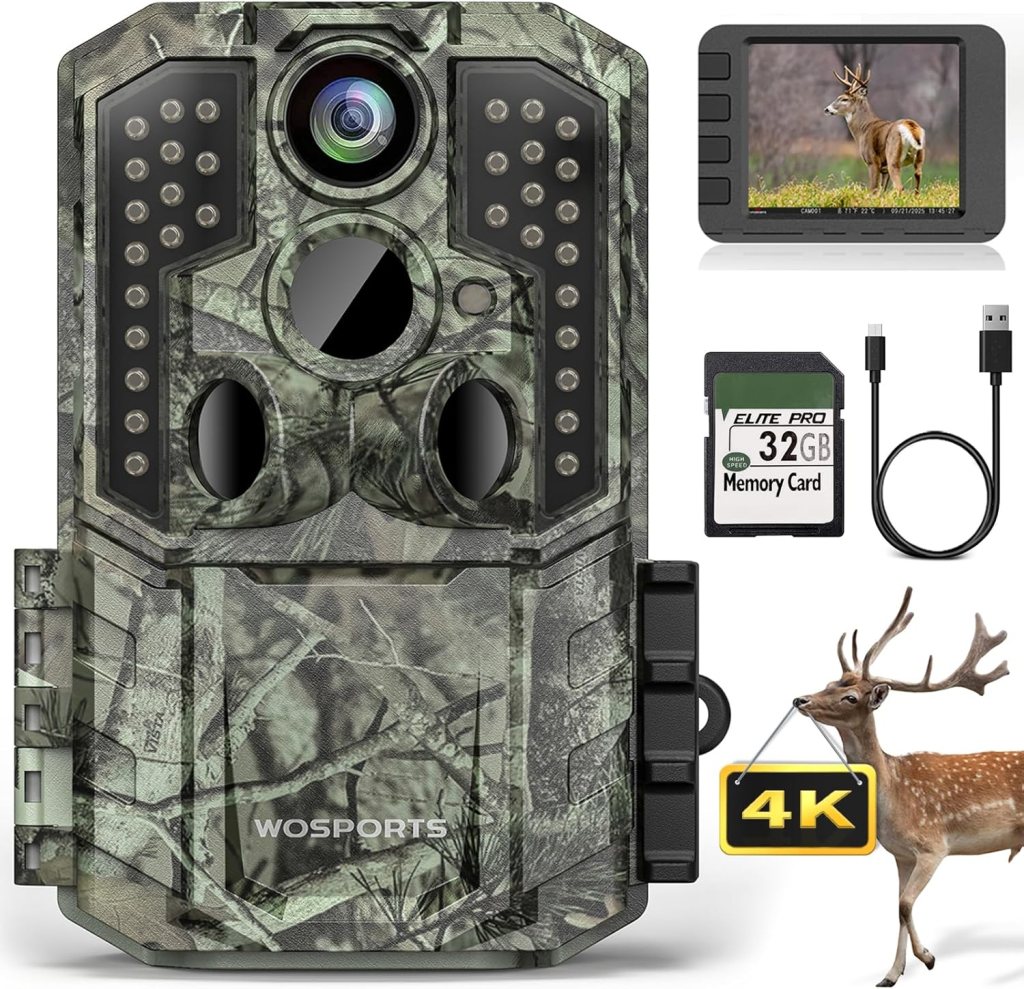
Best for Running Multiple Cameras
This is the practical pick for people who want coverage in more than one spot and do not need perfection from every unit.
WOSPORTS positions the G600 as a budget-friendly trail camera with 4K video, 48MP stills, 0.2-second trigger speed, and IP66 weather resistance. Independent review coverage is thinner than I’d like, but Trailcam.org scored the G600 as respectable rather than exceptional, and older field impressions of WOSPORTS cameras generally land in the same zone: decent low-end entry points, not miracle workers.
That is enough for this list. Not because it is brilliant, but because some readers need a camera they can deploy in pairs or trios without second-guessing every dollar.
Review summary: A sensible choice if your priority is broader coverage and acceptable results rather than the single best image quality in the group.
Pros
- Feature set looks generous for the class
- Good fit for spreading cameras across a property
- Built for simple wildlife and monitoring use
- Easy entry point for new users
Cons
- Independent testing is lighter
- Image quality and refinement trail the top picks
Best for: larger properties, multi-camera setups, casual scouting
Real Testimonial
The WOSPORTS G600 earns its place as a practical pick for people who want to run more than one camera without overthinking it. Trailcam.org’s scoring put it in the respectable middle ground, with decent battery life and acceptable daytime image quality, while WOSPORTS highlights its fast trigger speed, 4K video, and weather resistance. It is not the most refined camera here, but it makes sense for broad property coverage and basic scouting.
Which one should you buy?
If you want the safest answer, buy the Browning Strike Force Pro X 1080.
If you want the smartest balance of performance and price, buy the GardePro A3S.
If you want something simple and familiar, buy the Bushnell Prime Low Glow 24MP.
If the camera is mostly for backyard wildlife and curiosity, the Vikeri 4K 48MP is a reasonable fit.
If you want to cover multiple spots without obsessing over each unit, the WOSPORTS G600 makes sense.
That is the honest version. Not every product category needs fake suspense.
FAQ
What is the best budget trail camera overall?
The Browning Strike Force Pro X 1080 is the best overall pick here because it combines fast response, strong field credibility, practical controls, and a design that feels more mature than most budget rivals.
What is the best trail camera for beginners?
The GardePro A3S and Bushnell Prime Low Glow 24MP are the easiest beginner recommendations in this group. The GardePro brings stronger night-focused features, while the Bushnell is simpler and more conservative.
Are budget trail cameras good enough for deer scouting?
Yes, if your expectations are realistic. A good budget trail camera can absolutely help with deer movement, travel routes, feeding patterns, and general inventory. Placement still matters a lot, which is why guidance from groups like the National Deer Association remains useful even if your camera is excellent.
What is a good trigger speed for a trail camera?
For a budget model, around 0.3 seconds is already solid. Anything faster can be helpful on active trails, but only if the detection circuit and recovery rate are also good. A fast claimed number on its own does not guarantee clean captures.
Is 4K on a trail camera real?
Sometimes. Sometimes it is marketing. Trail cameras often lean hard on headline resolution numbers, and real-world video quality depends just as much on sensor quality, motion handling, compression, and night performance. That is one reason the 1080p Browning still belongs near the top.
Do I need no-glow or low-glow infrared?
Use no-glow if discretion matters most. Use low-glow if you want a bit more night illumination and can tolerate a faint visible red glow. The GardePro A3S is positioned around no-glow performance, while the Bushnell Prime is a low-glow model.
How far can a budget trail camera detect motion?
It varies a lot. The Bushnell Prime Low Glow is listed with an 80-foot flash range, while the Browning Strike Force Pro X 1080 is listed with a 100-foot detection range and 120-foot flash range. Real field conditions rarely match the cleanest marketing scenario, though.
What SD card should I use in a trail camera?
Use a standard SD card that matches the manufacturer’s supported capacity and speed guidance. The Browning and GardePro product information both note support up to 512GB on current materials.
How long do batteries last in a trail camera?
That depends on temperature, video use, trigger frequency, and battery chemistry. Brands often make big battery-life claims, but field use changes the story fast. If you shoot lots of video or place cameras on busy trails, expect shorter life.
Browning explicitly emphasizes battery life on the Strike Force Pro X 1080.
Can I use a trail camera for property monitoring?
Yes. Many people use trail cameras for gates, sheds, drive approaches, and off-grid property checks. They are not perfect replacements for full security systems, but they are useful when power and Wi-Fi are not available.
Penn State Extension also notes that trail cameras can support monitoring wildlife presence and land-use observations.
Why do trail cameras miss animals?
Usually placement, angle, or sensitivity settings. Cameras can also miss fast movement if the subject crosses the frame at an awkward angle or too close to the lens. A mediocre detection circuit makes that worse.
How high should I mount a trail camera?
Waist height is a common baseline for general game-trail use. American Hunter recommends roughly waist-high placement and paying attention to angle so the camera aligns with deer height rather than pointing too high.
Are cellular trail cameras worth it?
They can be, but only if you actually need remote access. If you do not, a non-cellular model is usually simpler and less expensive to own. For internal linking later, your site already has a relevant article on the best cellular trail cameras.
Final thoughts
The best budget trail cameras are not the ones with the most inflated numbers. They are the ones that keep showing up with usable footage, decent battery life, and fewer stupid surprises.
That is why the Browning stays at the top for me, and why the GardePro A3S is the pick I’d nudge most people toward if they want strong value without buying junk.
For a useful authority link in the conclusion, Penn State Extension has a straightforward piece on using trail cameras for wildlife observation and land awareness.
Affiliate Disclaimer
This article contains affiliate links. We may earn a small commission if you purchase through these links, at no extra cost to you.




Leave a Reply