
A lot of “best camera” lists fall apart the second you try to shoot an actual music video with them. The lighting is weird. The movement is fast. Someone wants slow motion. Someone else wants handheld close-ups in a dark room. Suddenly the camera that looked great on paper feels flimsy, slow, or annoying.
That is why the best cameras for music videos are not just the ones with sharp 4K. They are the ones that hold up when you need decent autofocus, usable low-light footage, flexible lenses, and files that do not punish you in the edit.
Adobe’s own music-video guidance still gets the basics right: planning, shot variety, and workable footage matter more than spec-sheet theater.
My picks lean practical. I would rather have a camera that gets the shot than one that sounds impressive in a forum thread.
Quick picks
Best overall: Sony ZV-E10 II
Best value pick: Panasonic Lumix G7
Best for fast solo shoots: Canon EOS R50
Best compact option: Sony ZV-1F
Best for cinematic grading: Blackmagic Pocket Cinema Camera 4K
Related articles
- 7 Best Vlogging Cameras by Niche (YouTube, Budget, Etc)
- 5 Best Cameras for Podcasting (Every Budget)
Comparison Table: Core Picks
| Camera | Best for | Sensor | Max video | Lens setup | Flip screen |
|---|---|---|---|---|---|
| Sony ZV-E10 II | Best overall | APS-C | 4K up to 60p | Interchangeable E-mount | Yes |
| Panasonic Lumix G7 | Best value pick | Micro Four Thirds | 4K up to 30p | Interchangeable MFT | Yes |
| Canon EOS R50 | Fast solo shoots | APS-C | 4K up to 30p, FHD up to 120p | Interchangeable RF mount | Yes |
| Sony ZV-1F | Compact run-and-gun | 1-inch class | 4K | Fixed 20mm equivalent lens | Yes |
| Blackmagic Pocket Cinema Camera 4K | Cinematic color and grading | 4/3 | DCI 4K up to 60 fps | Interchangeable MFT | Large touchscreen |
These are five very different tools. That is the point. A music video shooter does not always need the same thing. Sometimes you need speed. Sometimes you need color depth. Sometimes you just need a camera that won’t fight you.
Comparison Table: Real-World Use
| Camera | Autofocus confidence | Low-light use | Slow motion value | Best use case |
|---|---|---|---|---|
| Sony ZV-E10 II | Strong | Very good for the class | Good | Most people, most shoots |
| Panasonic Lumix G7 | Fair | Fine with good lighting | Limited by older system | Versatile entry into serious video |
| Canon EOS R50 | Strong | Good | Useful FHD 120p | One-person crews |
| Sony ZV-1F | Decent | Okay, but not magic | Limited | Simple handheld shoots |
| Blackmagic Pocket Cinema Camera 4K | Manual-focus friendly, not AF-led | Strong with the right setup | Strong | Controlled sets and grading-heavy work |
1. Sony ZV-E10 II
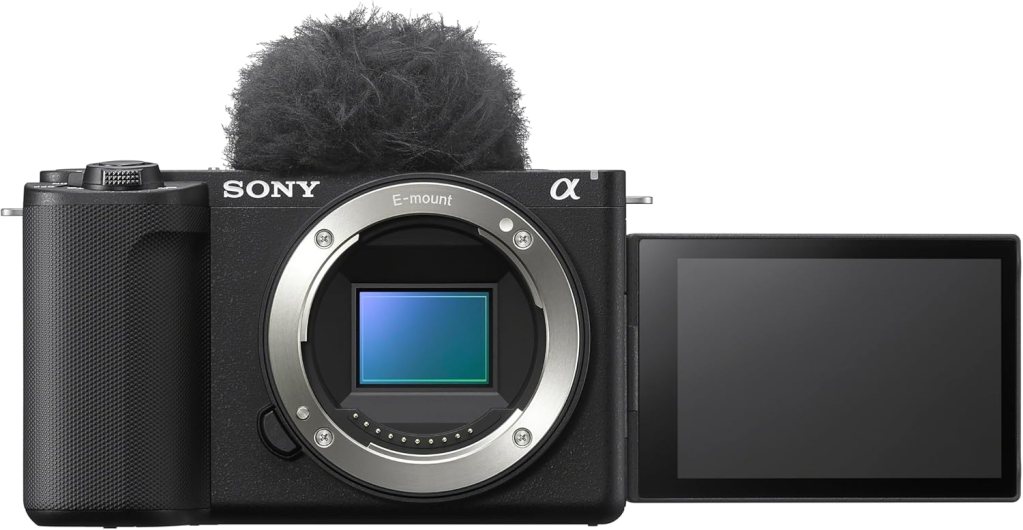
Best overall
The Sony ZV-E10 II is the one I would hand to the most people first. Not because it is perfect. It is not. But it hits the right middle ground between image quality, autofocus, lens flexibility, and speed.
Sony gives it a 26MP APS-C sensor, E-mount lens support, and 4K recording up to 60p. That is a real step up from the kind of entry-level video cameras that feel boxed in after six months.
For music videos, that matters. You can shoot performance footage with a fast prime, throw on a wider lens for movement-heavy setups, and still trust the autofocus enough to work quickly. It is a creator-first body, yes, but in a good way. It gets out of the way.
Review summary: This is the best overall choice because it feels current, capable, and hard to outgrow too quickly. It is the safest recommendation here, but not a boring one.
Pros
- Strong autofocus
- APS-C sensor gives you more room in lower light
- Interchangeable lenses matter a lot for music video style
- 4K up to 60p is useful, not just decorative
- Compact enough for gimbals and handheld rigs
Cons
- You still need to choose lenses well
- Not as grading-friendly as a cinema-first body
- Built for creators, so some shooters will still want more physical controls
Real Testimonial
The Sony ZV-E10 II is the best overall pick here because it gives you the mix most music video shooters actually need: a 26MP APS-C sensor, interchangeable lenses, and a body that stays light enough for handheld work, gimbals, and quick location changes. It feels less like a compromise camera and more like a smart long-term buy for people who want strong video quality without stepping into a full cinema workflow.
2. Panasonic Lumix G7
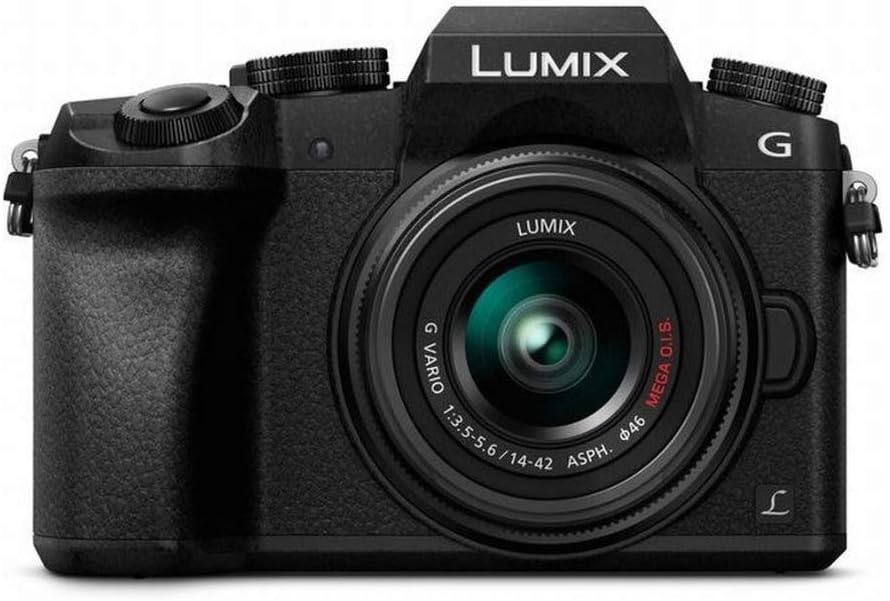
Best value pick
The Panasonic Lumix G7 is old. It is also still one of the better cheap ways into actual video work. That says a lot. Panasonic’s G7 gives you 4K recording, a fully articulating screen, manual controls, and access to the Micro Four Thirds lens ecosystem at a price tier that is much less painful than newer mirrorless bodies.
Panasonic also highlights broad lens compatibility in the system, which is one reason this camera has stuck around so long.
I would not call it glamorous. I would call it useful. If your budget is tight but you still want interchangeable lenses and a camera that feels like a camera, not a toy, the G7 makes sense.
Review summary: The cheapest option here that still gives you a legit path into stylized video work. It asks for better lighting and a little patience, but it can absolutely make good-looking music videos.
Pros
- Affordable entry point
- 4K recording
- Articulating screen
- Tons of Micro Four Thirds lens options
- Manual control feels real, not buried
Cons
- Autofocus is not its strongest selling point
- Older sensor shows its age in rough light
- Less headroom than newer bodies
Real Testimonial
The Lumix G7 still deserves a spot on this list because it offers real manual control, 4K video, a fully articulating screen, and access to a deep Micro Four Thirds lens system in a body that feels made for learning video properly. It is a smart pick for shooters who want flexibility, strong handling, and room to experiment with different looks instead of getting locked into a simpler fixed-lens setup.
3. Canon EOS R50

Best for fast solo shoots
The EOS R50 is for people who want less friction. Canon gives it a 24.2MP APS-C sensor, Dual Pixel CMOS AF II, 4K video oversampled from 6K up to 30p, and Full HD up to 120p. That is a smart combination for solo shooters who need clean 4K and easy slow motion without getting buried in menus.
This is the camera on this list that I would trust for artists shooting themselves, small crews moving fast, and people who do not want to wrestle with focus. It is not the most cinematic camera here in the grading sense. It is one of the easiest to live with.
Review summary: The R50 is a good answer for people who care more about hitting the shot than flexing obscure codecs. Fast autofocus and simple operation go a long way in music video work.
Pros
- Excellent autofocus
- Oversampled 4K looks clean
- Full HD 120p gives you useful slow motion
- Lightweight body
- Friendly for solo creators and small teams
Cons
- Less of a cinema tool than the Blackmagic
- Native RF-S lens ecosystem is still narrower than some rivals
- 4K tops out lower than the Sony ZV-E10 II
Real Testimonial
The Canon EOS R50 is the easy recommendation for solo shooters who want clean footage, fast autofocus, and less friction on set. The 24.2MP APS-C sensor, oversampled 4K 30p, and Dual Pixel CMOS AF II make it a very practical camera for performance clips, quick setups, and creators who do not want to waste takes fighting focus.
4. Sony ZV-1F

Best compact option
The Sony ZV-1F is the stripped-down, simple option. Fixed 20mm equivalent lens. Pocketable body. Flip screen. 4K. It is clearly made for creators, and that can sound like a backhanded compliment, but for some music videos this is exactly the right amount of camera. Especially if you are shooting quick handheld performance clips, behind-the-scenes content, or minimalist visuals where speed matters more than lens swapping. Sony positions the ultra-wide lens as a core part of the camera, and that lens choice does make it easier to work in tight spaces.
What it is not is endlessly flexible. You are buying into its limits on purpose.
Review summary: Best for compact run-and-gun shooting. Not the best image-control tool here, but maybe the easiest camera on the list to actually carry and use.
Pros
- Tiny and easy to carry
- Wide built-in lens works in cramped sets
- Flip screen is genuinely useful
- Fast setup
- Good fit for simple handheld concepts
Cons
- Fixed lens means less creative flexibility
- Less room to grow
- Not my first choice for ambitious low-light work
Real Testimonial
The Sony ZV-1F works best as a compact, stripped-down option for people who want to move fast and keep things simple. Its ultra-wide 20mm lens, 1-inch sensor, F2 lens, and autofocus tracking make it useful for tight spaces, selfie-style framing, and fast handheld shots, but the fixed lens also limits how far you can push your look.
5. Blackmagic Pocket Cinema Camera 4K
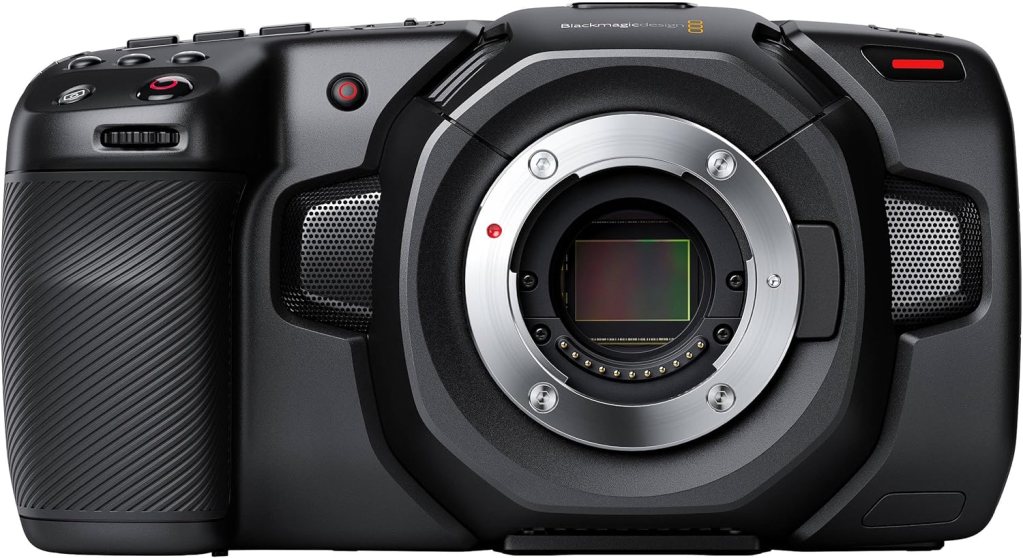
Best for cinematic grading
If you care about color, grading, and that denser cinema feel, the Blackmagic Pocket Cinema Camera 4K still has a case. Blackmagic specs include a 4/3 sensor, DCI 4K recording, 13 stops of dynamic range, Dual Native ISO up to 25,600, MFT lens mount, and options for recording to SD/UHS-II, CFast 2.0, or external SSD via USB-C. That is a serious feature set for a camera in this lane.
But let’s be honest about it. This is not the easy button. It is better when you have a plan, a rig, controlled lighting choices, maybe manual focus, and some tolerance for post-production. In the right hands, though, it gives the richest image here.
Review summary: Best for shooters who want to shape the image later and do not mind earning it. The most “music video director” camera on this list.
Pros
- Strong grading latitude for the class
- DCI 4K and robust recording options
- Dual Native ISO helps in difficult light
- Great match for adapted and MFT lenses
- Feels built for image-making, not just content
Cons
- Less beginner-friendly
- Autofocus is not the reason to buy it
- Wants accessories and a more deliberate workflow
Real Testimonial
The Blackmagic Pocket Cinema Camera 4K is the most image-driven camera in this group. With a 4/3 sensor, 13 stops of dynamic range, dual gain ISO up to 25,600, and multiple recording options including external SSD capture, it is the strongest choice for shooters who care about grading, controlled lighting, and building a more cinematic final image. It asks more from you, but it also gives more back.
What actually matters in a camera for music videos
Autofocus matters more than people like to admit. If the artist is moving toward camera, if you are on a gimbal, or if the shot is loose and quick, reliable subject tracking can save a take. That is why the Sony ZV-E10 II and Canon EOS R50 rank so well here.
Canon’s Dual Pixel CMOS AF II and Sony’s creator-oriented autofocus systems are not marketing fluff in this context.
Low light matters too, but not in the fake macho way people talk about it. A music video set with practical lights, colored LEDs, or dark corners gets ugly fast if your camera falls apart the second ISO climbs. Bigger sensors help.
Fast lenses help more. Nikon’s low-light guidance makes the old truth plain enough: wide apertures still do a lot of the heavy lifting when light is scarce.
And then there is frame rate. A camera does not need absurd numbers, but it does need useful options. RED’s documentation makes the simple distinction clear: recording frame rate and playback time base are not the same thing.
In plain English, that means higher capture frame rates give you cleaner slow motion options if your edit is built around them. For music videos, that is not a side feature. That is half the look sometimes.
Which one I’d buy
If I wanted one answer for most readers, I’d buy the Sony ZV-E10 II.
If I had the least money and still wanted something real, I’d buy the Panasonic Lumix G7.
If I shot alone and cared about autofocus more than anything else, I’d buy the Canon EOS R50.
If I wanted a camera that fits in a small bag and doesn’t slow me down, I’d buy the Sony ZV-1F.
If I wanted the richest image and planned to grade hard, I’d buy the Blackmagic Pocket Cinema Camera 4K.
FAQ
What is the best camera for shooting music videos?
For most people, the Sony ZV-E10 II is the best balance of video quality, autofocus, lens flexibility, and portability. It is not the most specialized camera here, but it is the easiest one to recommend broadly.
Do you need 4K for a music video?
No. But it helps. 4K gives you more detail, more cropping room, and cleaner delivery options. Every camera in this list offers 4K recording, though not all in the same way or with the same flexibility.
Is a mirrorless camera better than a DSLR for music videos?
Usually, yes. Mirrorless bodies now tend to offer better video autofocus, better screens for monitoring, and stronger creator-oriented features. Four of the five picks here are mirrorless interchangeable-lens bodies.
What lens is best for music videos?
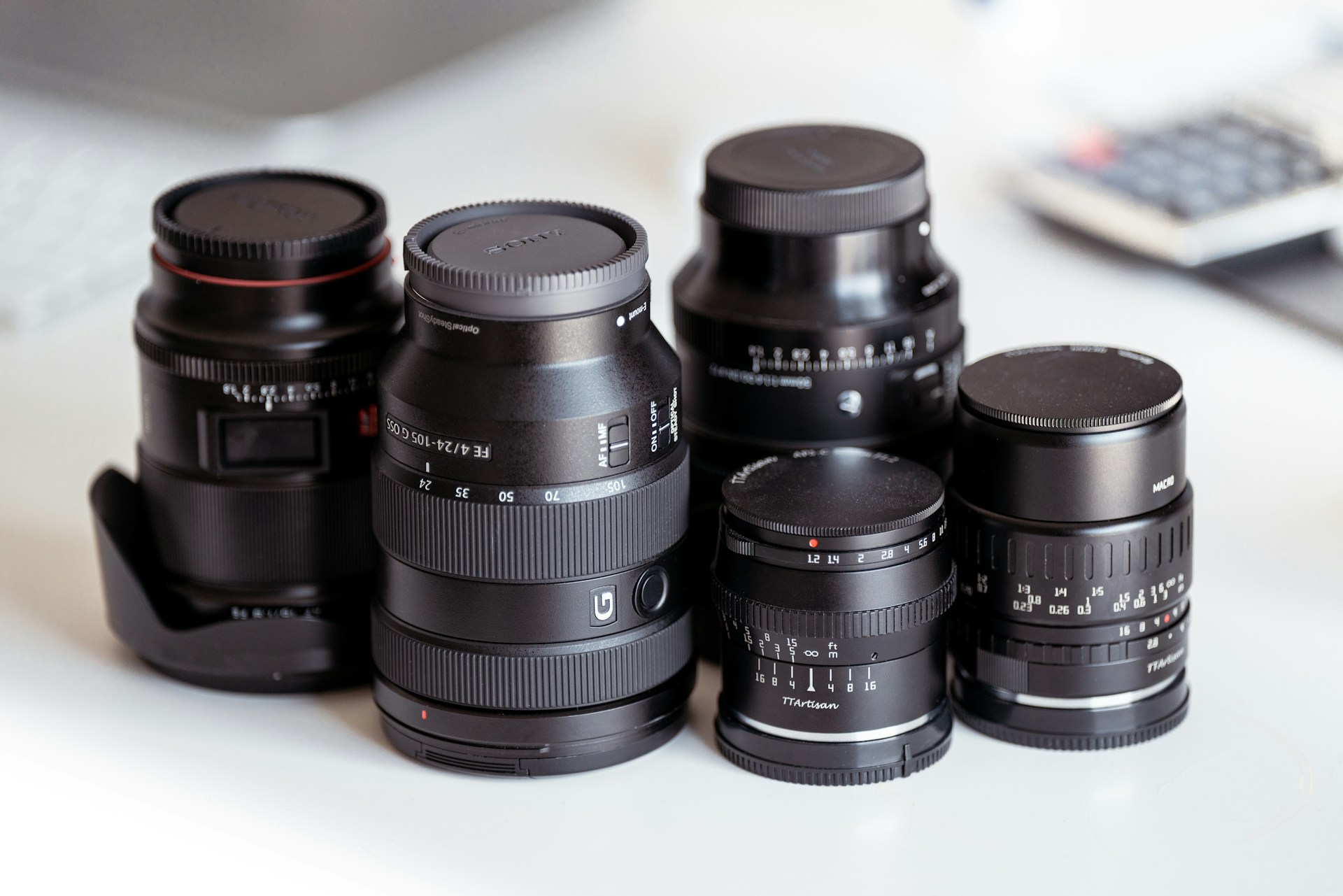
There is no single best lens. A fast wide or standard prime is often the smartest first buy because it helps in low light and gives you more control over mood. Your camera body matters, but lenses shape the look more than most people want to admit. Nikon’s low-light advice around faster apertures backs that up.
Are cheap cameras good enough for music videos?
Yes, if you light well and work within their limits. The Panasonic Lumix G7 is proof of that. It is older, but it still offers 4K and interchangeable lenses at a much easier price point.
Which camera is best for low-light music videos?
The Sony ZV-E10 II is the safer all-around answer because of its APS-C sensor and lens flexibility. The Blackmagic Pocket Cinema Camera 4K can also be strong in the right setup, especially if you know how to expose and grade.
Is the Blackmagic Pocket Cinema Camera 4K too hard for beginners?
Not too hard. Just less forgiving. It rewards a slower, more intentional workflow and makes more sense if you are comfortable with manual control and post-production.
Can you shoot a professional music video with a compact camera?
Yes. The Sony ZV-1F can work for simple concepts, tight locations, and quick handheld production. You just give up lens flexibility and some creative headroom.
What frame rate should you use for a music video?
24 fps is still the common baseline for a cinematic look, while higher frame rates become useful when you want clean slow motion. RED’s frame-rate docs are dry reading, but they describe the core idea correctly.
Do you need log video for music videos?
No. It helps most when you know how to color grade and want more control in post. If you just need clean footage fast, autofocus, exposure, and lighting choices matter first.
What camera is best for one-person music video shoots?
The Canon EOS R50 is the best fit for solo shooting if your priority is dependable autofocus and easy handling. The Sony ZV-E10 II is a close second if you want more room to grow.
Should you buy the body first or the lens first?
If your budget is tight, I’d rather see you buy a decent body and one useful lens than stretch for a pricier camera and get stuck with a slow kit zoom forever. A fast lens changes more than people think.
Conclusion
The truth is, the best cameras for music videos are not the five cameras with the loudest fan base. They are the ones that match the way music videos actually get made. Fast. Messy. Half-planned. Sometimes brilliant.
If you want the safest best overall pick, take the Sony ZV-E10 II. If you want cheap and capable, the Lumix G7 still deserves respect. If you want autofocus to carry some of the load, the R50 is a smart buy.
If you want the richest image and don’t mind more work, Blackmagic is still the most interesting camera here. B&H’s long-running advice on shutter and motion still holds up too: the look of video comes from how you capture movement, not just how sharp your files are.
Affiliate Disclaimer
This article contains affiliate links. We may earn a small commission if you purchase through these links, at no extra cost to you.



Leave a Reply