
Concert photography punishes bad gear choices fast. The light is ugly, the subjects move without warning, and autofocus either locks or it lies to you.
That is why the list for the best cameras for concert photography is not built around hype, megapixels, or whatever body looked exciting in a launch video.
It is built around cameras that can actually survive dark venues, shifting stage color, and performers who refuse to stay still. If you want a solid grounding in the craft itself, Adobe’s concert photography guide is a useful place to start.
Quick picks
- Sony a7 III – Best overall
- Sony a6400 – Best for strong performance on a smaller budget
- Canon EOS R8 – Best for autofocus and full-frame speed
- Fujifilm X-S20 – Best for hybrid shooters
- Nikon Z5 – Best for full-frame stability and handling
Related articles
- 5 Best Mirrorless Cameras for Beginners
- 5 Best Cameras Under $1000 (Every Photography Niche)
- 5 Best Cameras for Portraits (Sony, Nikon Canon)
What matters most in a concert camera
Low-light image quality matters. Obviously. But people overrate pure sensor talk and underrate autofocus consistency. A camera that gives you slightly noisier files but actually nails focus on a singer turning into the spotlight is worth more than a technically prettier camera that misses half the frame.
Burst speed matters too, but only to a point. You do not need machine-gun frame rates for every show. You need a camera that can give you a short burst when the guitarist jumps, the drummer throws a stick, or the singer hits that split-second expression that makes the whole set feel alive.
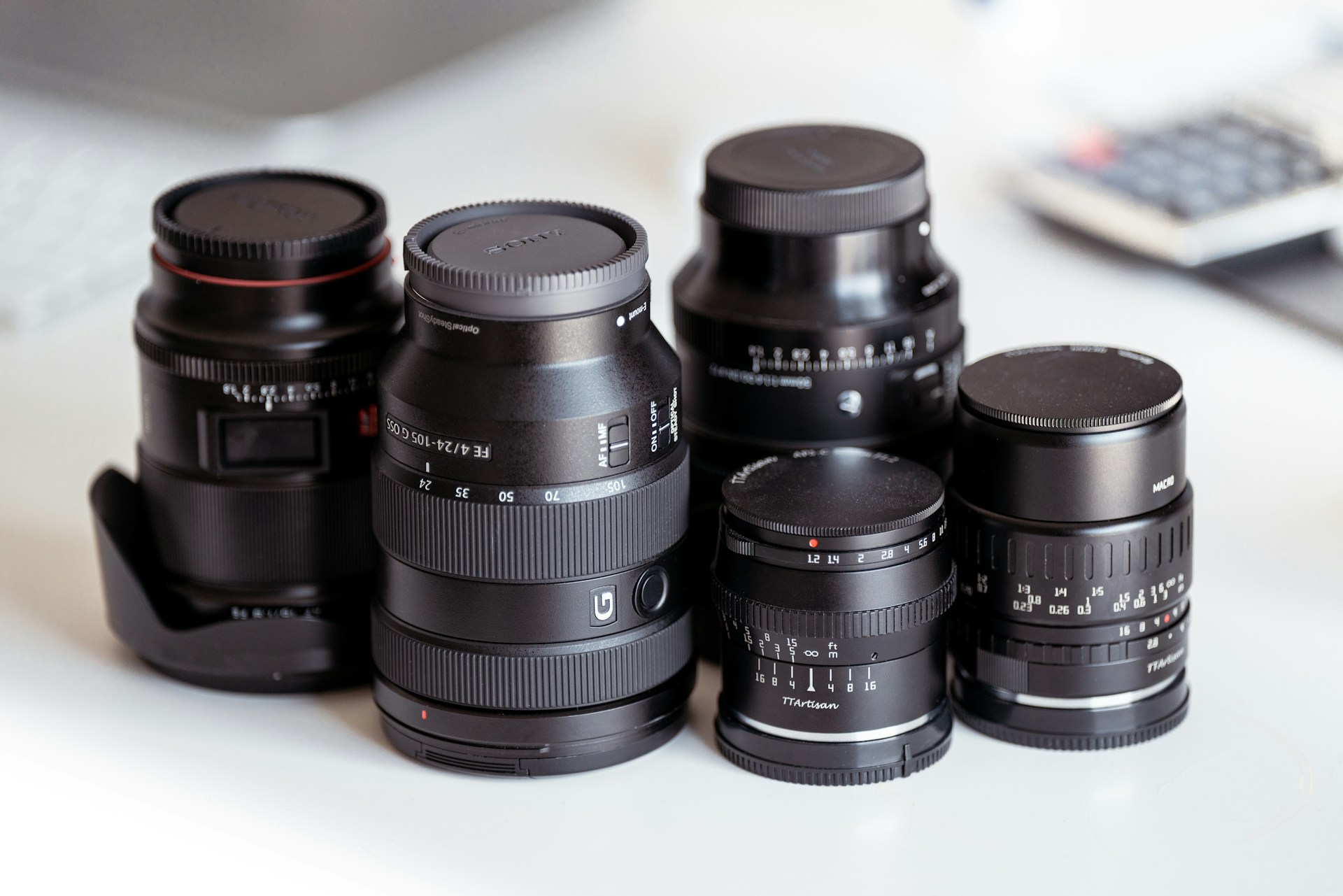
Then there is lens support. This is the part people skip because bodies are more fun to compare. Bad move. Concert photography gets easier when your system gives you access to fast primes and practical zooms. A good body with weak lens options is a short-term win and a long-term annoyance.
Quick comparison table 1
| Camera | Sensor | Burst Rate | Stabilization | Why It Stands Out |
|---|---|---|---|---|
| Sony a7 III | Full-frame 24.2MP | Up to 10 fps | 5-axis IBIS | Balanced low-light, AF, battery, lens system |
| Sony a6400 | APS-C 24.2MP | Up to 11 fps | No IBIS | Small, quick, sticky tracking AF |
| Canon EOS R8 | Full-frame 24.2MP | Up to 40 fps electronic | No IBIS | Excellent AF, light body, strong full-frame files |
| Fujifilm X-S20 | APS-C 26.1MP | Up to 8 fps mechanical, higher electronic | IBIS | Great hybrid body, strong color, improved AF |
| Nikon Z5 | Full-frame 24.3MP | Up to 4.5 fps | IBIS | Stable handling, good image quality, dual card slots |
Specs above are based on current manufacturer materials and product manuals.
Sony lists the a7 III at up to 10 fps with AF/AE tracking, Sony lists the a6400 at up to 11 fps with real-time tracking, Canon lists the EOS R8 with a 24.2MP full-frame sensor and high-speed continuous shooting, Fujifilm lists the X-S20 as a 26.1MP APS-C body with updated AF and IBIS, and Nikon lists the Z5 as a 24.3MP full-frame body with a 273-point AF system and in-body stabilization.
Quick comparison table 2
| Camera | Weight feel | Lens ecosystem | Main drawback | Best fit |
|---|---|---|---|---|
| Sony a7 III | Solid, not tiny | Deep and mature | Older menu system and older screen experience | Most people who want one dependable answer |
| Sony a6400 | Compact and easy to carry | Very strong APS-C and full-frame E-mount options | No IBIS, cramped ergonomics for some hands | Newer shooters, travel, tight venues |
| Canon EOS R8 | Very light | Growing RF system, but lenses can get pricey | No IBIS, battery life is merely fine | AF-first shooters |
| Fujifilm X-S20 | Comfortable and modern | Good X-mount options | Not the best pure action monster here | Photo and video shooters |
| Nikon Z5 | Steady, reassuring grip | Good system, but not the fastest body on this list | 4.5 fps is modest | Deliberate shooters who value stability |
1) Sony a7 III

Best Overall for Concert Photography
The Sony a7 III is still the safest pick here. Not the newest. Not the sexiest. Just the one I would trust most if someone handed me a photo pass and told me I got one body for the night.
It has the mix you want for concerts: full-frame files that hold together in rough light, autofocus that still feels reliable, 10 fps when you need it, and in-body stabilization that helps when the room is dark and the set is chaos.
Sony’s E-mount lens system also does a lot of heavy lifting here. You are not buying into a dead end. You can build around this body for years. Sony’s official materials list a 24.2MP full-frame BSI sensor, 693 phase-detection AF points, and 10 fps shooting with AF/AE tracking.
The reason it wins is not that it leads every single spec line. It doesn’t. The reason it wins is that it has very few weak spots for this job. That matters more.
Pros
- Excellent balance of autofocus, low-light quality, and battery life
- Full-frame sensor handles ugly stage lighting well
- Huge lens ecosystem for concert work
- IBIS helps in dim venues
Cons
- Older menus
- Screen and EVF feel less modern than newer bodies
Review summary: The a7 III is the camera here with the fewest excuses attached to it. It just makes sense. If you want one body that can cover clubs, theaters, and midsize venues without drama, this is the one.
Real Testimonial
The Sony a7 III is still the easiest camera on this list to recommend for concert photography. It gets the big things right: dependable autofocus, strong low-light files, useful burst speed, and battery life that does not annoy you halfway through a set. It is not the newest body here, and you can feel that in the menus and screen, but the core performance still holds up. For most people, this is the one that makes the fewest mistakes.
2) Sony a6400

Best for Strong Performance on a Smaller Budget
The Sony a6400 is the pick for strong value without making the article feel like a pity party. It is small, fast, proven, and more capable than people expect once the lights go down.
No, it is not full-frame. Yes, that matters. But the a6400 earns its place because its autofocus is still genuinely useful, its 11 fps burst is fast enough for live work, and Sony’s APS-C lens options give you room to build a sharp kit without making every next purchase painful.
Sony highlights real-time tracking, real-time Eye AF, a 24.2MP APS-C sensor, and up to 11 fps continuous shooting.
What I like most about this camera is that it gets out of the way. In a small venue, that counts for a lot. It is easy to carry, easy to move with, and fast enough to catch fleeting expressions before the light changes again.
Pros
- Fast autofocus and tracking
- Compact body for crowded pits and clubs
- Strong E-mount upgrade path
- Good burst speed
Cons
- No IBIS
- APS-C sensor gives you less low-light flexibility than full-frame
- Grip can feel cramped
Review summary: The a6400 is not glamorous, but it is real. If you want an agile concert camera that still feels serious, this is the smartest smaller-budget choice on the list.
Real Testimonial
The Sony a6400 earns its place because it is quick, compact, and more capable in dark venues than people expect. Autofocus is still one of its biggest strengths, and the body is easy to carry through crowded pits or small clubs. You do give up some low-light flexibility compared to full-frame options, and the lack of in-body stabilization is real, but the overall performance is hard to argue with. This is a practical camera that keeps proving itself.
3) Canon EOS R8

Best for Autofocus in Fast-Changing Stage Light
The EOS R8 feels like Canon finally remembered that some people want speed and intelligence without dragging a brick around all night.
This body is light, very fast on the autofocus side, and built around a 24.2MP full-frame sensor that makes sense for live music work.
Canon’s published specs point to Dual Pixel CMOS AF II, full-width AF coverage, low-light AF sensitivity down to EV -6.5 in stills, and very fast electronic burst shooting.
The main catch is simple. No IBIS. That will bother some people more than others. If you already shoot with solid shutter discipline or lean on stabilized lenses, maybe not a dealbreaker. If you like every ounce of stability you can get, you will notice the omission.
Still, for autofocus performance alone, the R8 is hard to ignore. It feels modern in a way some older favorites do not.
Pros
- Excellent autofocus system
- Full-frame image quality
- Very light body
- Strong subject detection and tracking
Cons
- No IBIS
- Battery life is not the body’s strongest trait
- RF lenses can get expensive fast
Review summary: The EOS R8 is for people who care about hit rate. It is quick, sharp-minded, and better than its size suggests. If autofocus is the deciding factor, this one makes a strong argument.
Real Testimonial
The Canon EOS R8 feels sharp, modern, and very focused on getting you a high hit rate. Its autofocus is a real selling point, especially when performers move fast and stage lighting turns messy. The full-frame sensor gives it real low-light credibility, and the body stays light enough to carry all night. The missing IBIS holds it back from being the best all-around pick, but if autofocus is your priority, the R8 is one of the strongest choices here.
4) Fujifilm X-S20
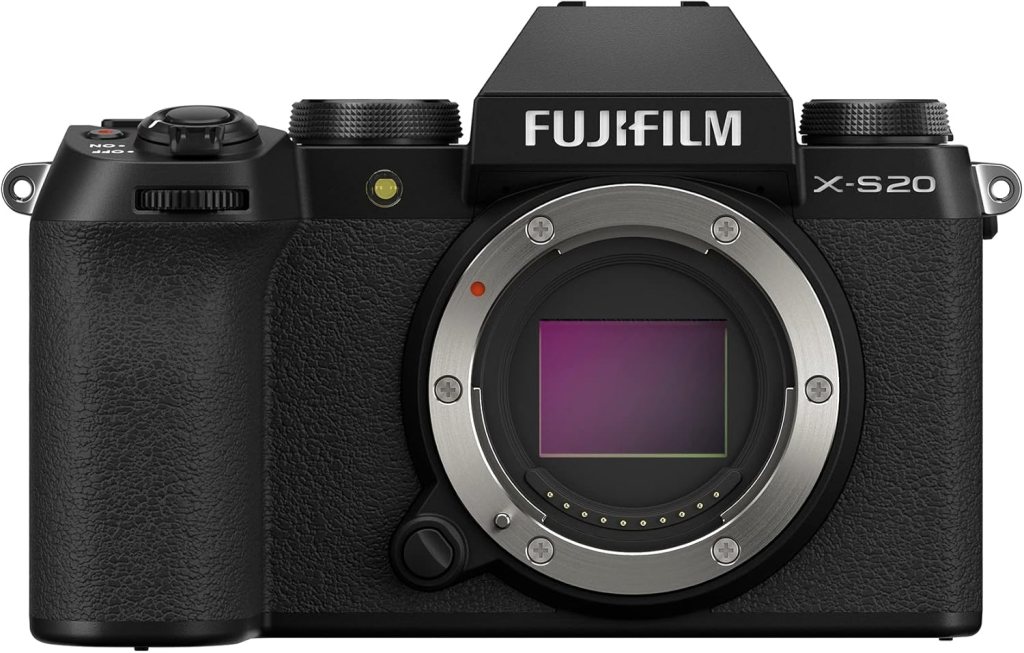
Best for Photo and Video Hybrid Shooters
The Fujifilm X-S20 is the camera on this list for people who do not only shoot stills. Maybe you shoot the opener, then grab clips. Maybe you do venue content, artist social cuts, or backstage snippets. This body understands that life.
Fujifilm says the X-S20 uses a 26.1MP APS-C X-Trans CMOS 4 sensor, X-Processor 5, in-body stabilization, and an updated autofocus prediction algorithm that improves performance with moving subjects and low-contrast situations.
That low-contrast note matters. Concert lighting is full of it. Blue wash, red spill, haze, side light, no light. The X-S20 is not the most ruthless pure concert body here, but it has range. It can cover more kinds of work without feeling compromised.
Fujifilm color also has a look many people genuinely enjoy. That is not fake magic. It is just a rendering style some shooters connect with.
Pros
- Very good hybrid photo/video option
- IBIS is useful in real-world shooting
- Improved autofocus over older Fujifilm bodies
- Pleasant ergonomics and strong JPEG color
Cons
- Not the strongest pure action camera on this list
- APS-C still means less low-light headroom than full-frame
- Mechanical burst speed is modest
Review summary: The X-S20 is the camera for people whose concert work spills into video, socials, and general creative shooting. It is flexible without feeling vague.
Real Testimonial
The Fujifilm X-S20 makes the most sense for shooters who do not live on stills alone. It handles concert photography well, but it becomes more appealing if you also shoot video, backstage content, or social clips. The stabilization helps, the body feels well sorted, and Fujifilm color has a look many people genuinely like. It is not the most aggressive action camera in the group, though it is one of the most flexible.
5) Nikon Z5

Best for Full-Frame Stability and Handling
The Nikon Z5 is the calm one in the group. Not fast. Not flashy. Calm.
That can be a good thing. Nikon positions it as a 24.3MP FX-format full-frame body with a 273-point AF system, frame coverage across roughly 90% of the image area, and IBIS.
Its weakness is obvious. Up to 4.5 fps is not exciting for live action, and that alone keeps it from ranking higher. But there is still a place for it.
The grip is secure, the files look good, dual SD card slots are welcome, and the body feels steady in the hand. If your concert shooting style is more measured and less spray-and-pray, the Z5 can still make sense.
I would not put it first for punk clubs or hyperactive front people. I would put it in the conversation for theater, jazz, singer-songwriter sets, and shooters who value control over raw speed.
Pros
- Full-frame image quality
- IBIS
- Dual card slots
- Good handling
Cons
- 4.5 fps is limited for fast stage movement
- Autofocus is good, not class-leading here
- Less of an action specialist
Review summary: The Z5 is the thoughtful pick. It is not built to impress spec hunters. It is built to make decent, stable, full-frame images without a lot of fuss.
Real Testimonial
The Nikon Z5 is the most measured camera on this list. It is not built around speed, and that shows, but it still delivers solid full-frame image quality, in-body stabilization, and reassuring handling. For slower sets, calmer performers, or photographers who prefer a steadier shooting rhythm, it can work well. It ranks lower because concert photography often rewards speed, but the Z5 still has a place for the right kind of shooter.
Which camera should you buy?
If you want the cleanest all-around answer, buy the Sony a7 III.
If you want the best smaller-budget choice that still feels serious, buy the Sony a6400.
If autofocus is the hill you die on, buy the Canon EOS R8.
If you split your time between stills and video, buy the Fujifilm X-S20.
If you prefer a steadier, slower, full-frame body with dual slots, buy the Nikon Z5.
That is the simple version. The honest version is that concert photography is not body-only. If you pair any of these with a slow lens, you can still have a bad night.
A few buying notes people usually skip
A fast lens changes more than people admit. A body upgrade is nice. A fast prime can be the difference between fighting for every frame and actually enjoying the set.
IBIS helps, but it does not freeze a singer. It helps your hands, not your subject. If the performer is moving hard, shutter speed still does the real work.
Silent shutter can be useful, but some LED lighting can create ugly banding. Test it. Do not assume it will behave.
And yes, full-frame still has an edge for concert photography. Not because APS-C cannot do the job. It can. Full-frame just gives you a little more room when the venue lighting gets mean.
FAQ
What is the best camera for concert photography in low light?
The Sony a7 III is the best overall answer here because it combines a full-frame sensor, reliable autofocus, stabilization, and a mature lens system. The Canon EOS R8 is close if autofocus matters most to you.
Is full-frame better for concert photography?
Usually, yes. Full-frame bodies generally give you more flexibility at higher ISO and a bit more breathing room in bad light. That does not make APS-C a bad choice. It just means the margin for error is smaller.
Can you shoot concerts with an APS-C camera?
Absolutely. The Sony a6400 and Fujifilm X-S20 are both proof of that. Good autofocus, a fast lens, and decent technique matter more than internet snobbery.
What lens is best for concert photography?
A fast prime like a 35mm f/1.8, 50mm f/1.8, or 85mm f/1.8 is often the best place to start. If you need flexibility, a 24-70mm f/2.8 is a classic concert zoom.
Do I need IBIS for concert photography?
Need, no. Appreciate, yes. IBIS helps with steadiness in dark venues, but it will not stop performer motion. Shutter speed still matters more.
Is autofocus or ISO performance more important for live music photography?
Autofocus. Barely. A noisy sharp image is usable. A clean missed-focus image is trash.
What shutter speed works best for concert photography?
A lot of shooters aim for around 1/200s or faster when movement is unpredictable. Digital Photography School specifically recommends 1/200s or faster for freezing action in concert work.
Can beginners shoot concerts with the Sony a6400?
Yes. It is actually one of the better beginner-friendly choices because the autofocus does a lot of the heavy lifting and the body is easy to carry for long sets. Sony also continues to advertise real-time tracking and 11 fps shooting on the model.
Is the Canon EOS R8 good for concerts?
Yes. Especially if you care about autofocus and full-frame image quality more than stabilization inside the body. Canon’s AF system is a real selling point here.
Is the Nikon Z5 too slow for concert photography?
Sometimes. For aggressive stage movement, yes, it can feel limited. For calmer performers or more deliberate shooting styles, it can still work well.
Are mirrorless cameras better than DSLRs for concerts?
In most cases now, yes. Modern mirrorless autofocus, subject detection, EVF preview, and silent-shutter options make them better suited to live-event work.
Can I use silent shutter at concerts?
Sometimes, but test under LED stage lights first. Banding can ruin a set fast.
What settings are best for concert photography?
Manual exposure is often the most reliable option because stage lighting changes wildly and can fool your meter. iShootShows recommends manual exposure for that reason, along with shooting wide open when needed.
Final verdict
If I had to rank these cameras for real concert photography, not forum debate, the order stays the same: Sony a7 III first, Sony a6400 second, Canon EOS R8 third, Fujifilm X-S20 fourth, Nikon Z5 fifth.
The a7 III wins because it has the fewest bad surprises. That is not glamorous praise, but it is the kind that matters after two songs in a dark room. The a6400 is the scrappy value pick that still deserves respect. The R8 is the autofocus specialist. The X-S20 is the flexible creative choice. The Z5 is the steady hand.
And if you care more about making good concert images than winning spec-sheet arguments, remember the boring truth: fast lens, clean timing, no flash unless it is allowed, and enough confidence to keep shooting when the light turns ugly. iShootShows has a useful FAQ on why available light and fast technique matter so much in live music work, and it is worth reading if you actually plan to be in the pit.
Affiliate Disclaimer
This article contains affiliate links. We may earn a small commission if you purchase through these links, at no extra cost to you.
Leave a Reply