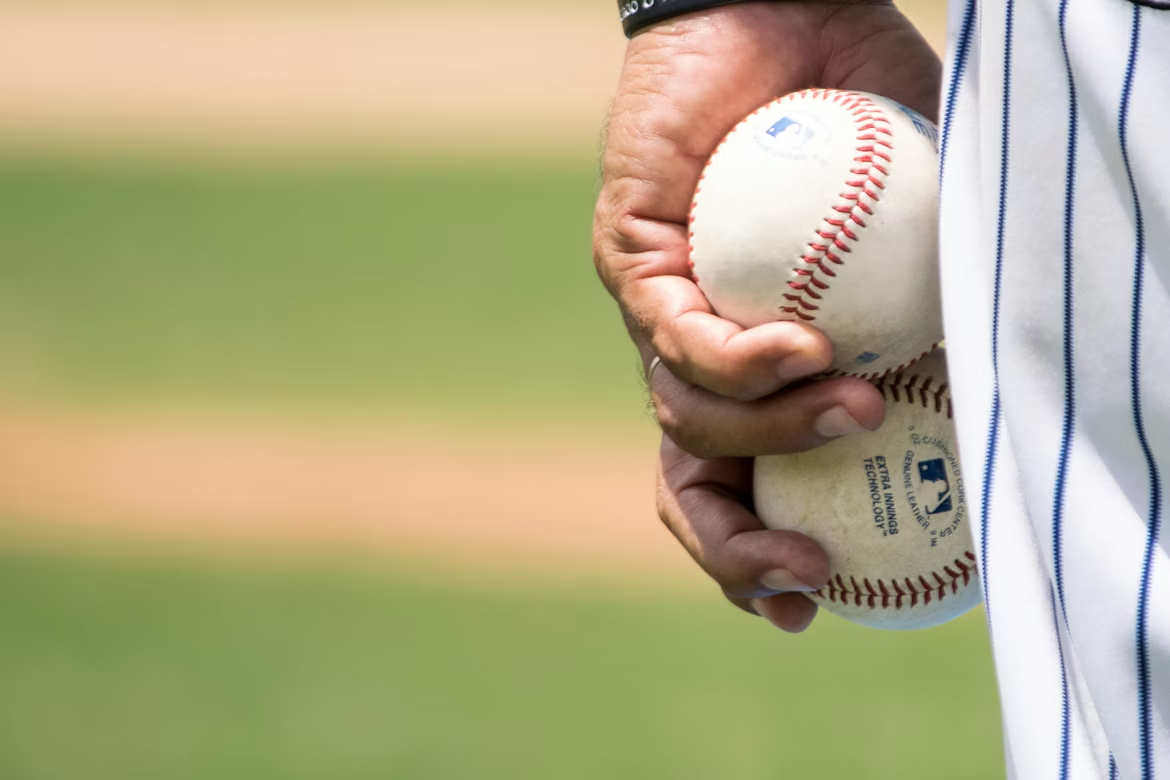
Baseball exposes bad gear fast. The field is wide, the action is far, and the moment you punch in on a runner from the bleachers, weak stabilization starts to look ugly. That is why the best video cameras for baseball games are not just the ones with 4K on the box.
They are the ones that hold a clean frame, give you real reach, and stay usable when the game gets long. Image stabilization matters more with longer focal lengths, and sports coverage benefits from thoughtful camera placement rather than just brute-force resolution.
I leaned toward cameras that solve actual baseball problems. Long zoom for center-field shots. Good stabilization for handheld innings. Reliable 4K if you want to crop later. A couple of these are obvious.
A couple are a bit more situational. That is the point. A baseball parent, a coach, and someone clipping social highlights should not all buy the same thing.
Related articles
- 5 Best Cameras for Sports Photography (By Budget & Brand)
- 5 Best Budget Action Cameras (Every Purpose)
Quick picks
| Camera | Best for | Main reason |
|---|---|---|
| Sony FDR-AX43A | Best overall for most baseball games | 20x optical zoom plus Sony Balanced Optical SteadyShot |
| Panasonic HC-VX981K | Best for a simple, capable setup | 20x optical zoom, 4K, easy all-around use |
| Canon VIXIA HF G70 | Best for cleaner full-game coverage | 20x optical zoom, strong autofocus, dual SD slots |
| DJI Osmo Pocket 3 | Best for handheld highlights | 1-inch sensor and 3-axis mechanical stabilization |
| GoPro HERO13 Black | Best for fence mounts and rough use | 5.3K60, durable body, flexible mounting options |
The pattern is pretty clear. If you want full-game footage from the stands, the camcorders win. If you want dynamic clips, dugout moments, or quick social edits, the smaller stabilized cameras make more sense.
What actually matters when you’re filming baseball
Optical zoom is not optional. Not for baseball. A lot of people think 4K will save them, then discover they are still too far away. A 20x optical zoom lens gets you in the game. Digital zoom mostly gets you disappointment.
Sony, Panasonic, and Canon all give these camcorders 20x optical zoom, which is why they make this list in the first place.
Stabilization matters more once you zoom in. That is true in stills and it is even more obvious in video. Sony’s Balanced Optical SteadyShot is one of the strongest arguments for the AX43A. DJI’s three-axis gimbal is the whole reason the Pocket 3 feels so polished in the hand.
4K is useful here, but not because people love saying 4K. It helps because baseball clips often need a crop later. Maybe the runner was farther than you expected. Maybe you framed wide because the play was unpredictable.
Extra resolution gives you a little room to fix your mistakes. Sony, Panasonic, Canon, DJI, and GoPro all support 4K or higher video in these models.
Placement changes everything, too. Baseball coverage looks very different from behind the backstop, the first-base side, the third-base side, or center field. That is one reason the GoPro made the list even though I would not choose it as my only baseball camera. Mounted in the right place, it becomes useful in a hurry.
Comparison table 1: core baseball specs
| Camera | 4K or higher | Zoom / lens style | Stabilization |
|---|---|---|---|
| Sony FDR-AX43A | 4K UHD | 20x optical zoom | Balanced Optical SteadyShot |
| Panasonic HC-VX981K | 4K UHD | 20x optical zoom | 5-axis Hybrid O.I.S. |
| Canon VIXIA HF G70 | 4K UHD | 20x optical zoom | Image stabilization |
| DJI Osmo Pocket 3 | 4K up to 120 fps | Fixed lens | 3-axis mechanical stabilization |
| GoPro HERO13 Black | 5.3K60 | Ultra-wide action cam lens | GoPro stabilization system |
Specs are not the whole story, but they explain why three classic camcorders dominate the full-game side of this list. The reach is real.
Comparison table 2: real-world baseball fit
| Camera | Works best from | Best use | Main tradeoff |
|---|---|---|---|
| Sony FDR-AX43A | Bleachers or sidelines | Full games and player-focused clips | Bigger than pocket options |
| Panasonic HC-VX981K | Bleachers | Straightforward family game coverage | Older model, less refined than Sony |
| Canon VIXIA HF G70 | Tripod or steady sideline spot | Long-form recording and cleaner framing | Less casual, more dedicated tool |
| DJI Osmo Pocket 3 | Dugout, sideline, warmups | Highlights and short handheld clips | No long optical zoom |
| GoPro HERO13 Black | Fence, backstop, helmet, fixed mount | Extra angle or rugged use | Wide view is not ideal for isolated action |
That tradeoff column is where people usually choose the wrong product. Baseball footage gets worse when you buy for broad lifestyle appeal instead of actual field use. A nice travel camera is not automatically a good baseball camera.
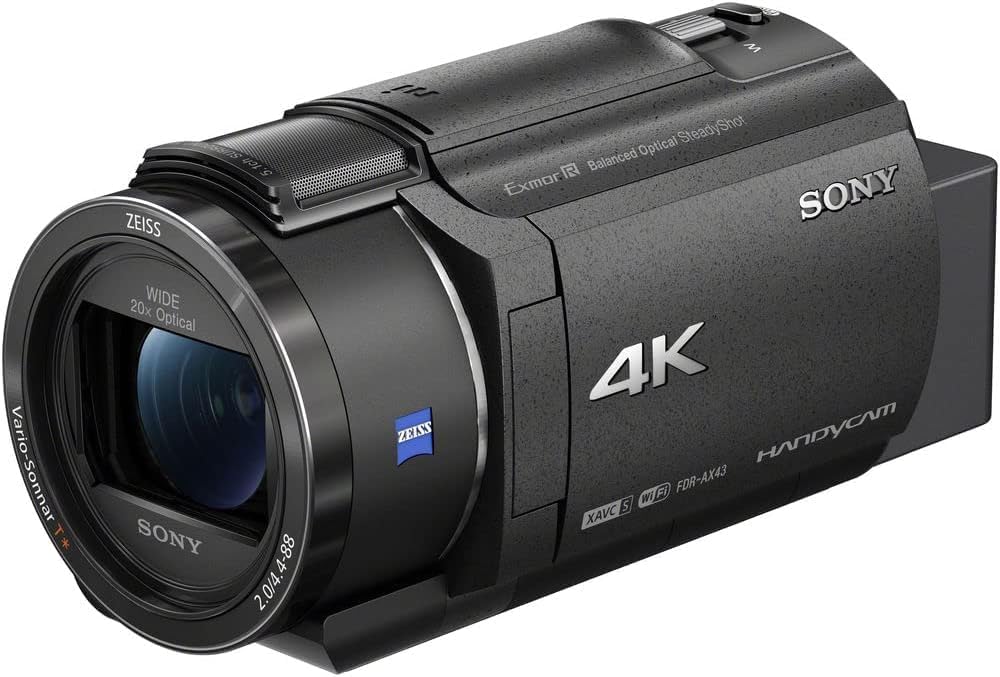
1. Sony FDR-AX43 UHD 4K Handycam Camcorder
Best overall for most baseball games
This is the one I would hand to most parents and expect the fewest complaints back.
The Sony FDR-AX43 UHD 4K Handycam Camcorder earns the top spot because it gets the baseball basics right without feeling primitive. You get 4K UHD recording, a ZEISS lens, 20x optical zoom, and Sony’s Balanced Optical SteadyShot with Intelligent Active mode.
Sony describes that stabilization system as a gimbal-style internal mechanism, and in practice that matters. Handheld shots at long zoom look calmer than they do on most casual cameras.
For baseball, that combo is hard to beat. You can sit in the stands, zoom in on the batter, then pull wider for a play in the field without the camera turning into a nervous mess. It also feels like a purpose-built video tool, which sounds obvious but still matters. Plenty of hybrid cameras can shoot nice video.
Fewer are this straightforward for a two-hour game.
Review summary: the Sony FDR-AX43 UHD 4K Handycam Camcorder has the best balance of reach, stabilization, and ease of use in this group. It is not the flashiest pick. It is just the one I trust most for real baseball footage.
Pros
- Strong 20x optical zoom
- Excellent stabilization for handheld game footage
- 4K recording with room to crop
- Camcorder ergonomics make long recording easier
Cons
- Bulkier than pocket cameras
- Not the smallest thing to carry to every game
Final verdict: If you want one answer and not a debate, this is it. For most people trying to record youth, high school, or travel baseball, theSony FDR-AX43 UHD 4K Handycam Camcorder is the best overall fit.
Real Testimonial
This is the easiest one to recommend without a speech first. The 20x optical zoom is long enough for real baseball coverage, and Sony’s Balanced Optical SteadyShot is the feature that makes the camera feel worth owning instead of merely acceptable. At full zoom, shaky footage gets ugly fast. Sony handles that better than most consumer camcorders.
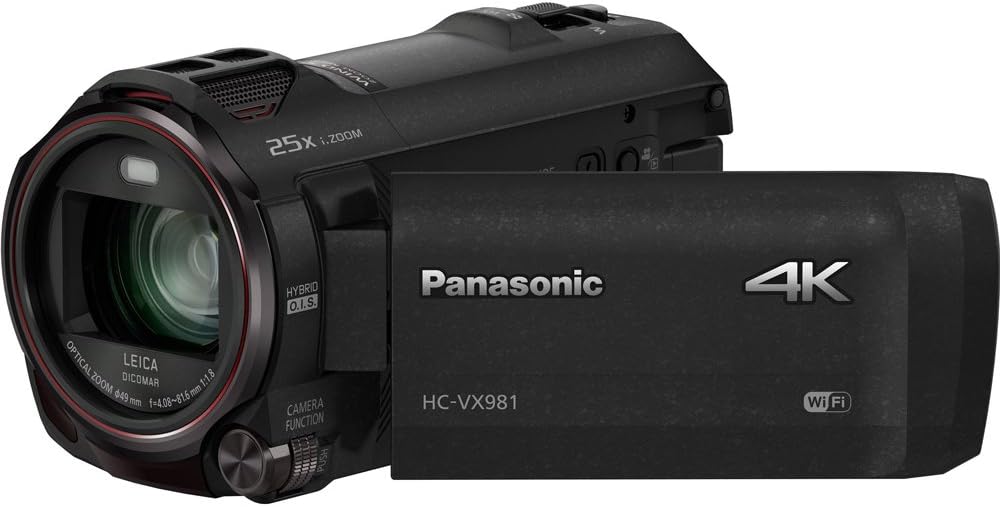
2. Panasonic HC-VX981K
Best for a simple, capable setup
I like this camera because it does not try to be clever.
The Panasonic HC-VX981K gives you 4K Ultra HD, a 20x LEICA Decomar optical zoom, and 5-axis Hybrid O.I.S. Panasonic also notes a back-side illuminated sensor, which helps it stay usable in less-than-ideal light. That matters once late afternoon slides into evening and the field starts looking flat.
This is the second pick in the article because it covers the basics very well while staying more approachable than some more serious video gear.
It is the camera I would point toward for someone who wants solid baseball footage, does not need the most specialized camcorder feel, and wants something that is easy to understand after one practice game.
Review summary: the VX981K is the practical pick. Not glamorous. Not trendy. Just competent in the ways that count for baseball.
Pros
- 20x optical zoom is enough for most youth and amateur fields
- 4K helps with reframing later
- 5-axis stabilization is useful at longer reach
- Sensible feature set with few surprises
Cons
- Older model
- Stabilization and overall polish do not quite match the Sony
Final verdict: For buyers who want a reliable camcorder with good zoom, 4K, and a low-fuss learning curve, this Panasonic makes a lot of sense.
Real Testimonial
The Panasonic feels practical in a good way. You get 4K, a 20x optical zoom LEICA lens, a BSI sensor, and 5-axis Hybrid O.I.S., which is a strong recipe for family sports footage. It is not as refined as the Sony, and it does not feel as current, but it does the baseball job well. I would call it the pick for someone who wants a real camcorder, real reach, and a shorter learning curve. It does not try to impress you. It just works.
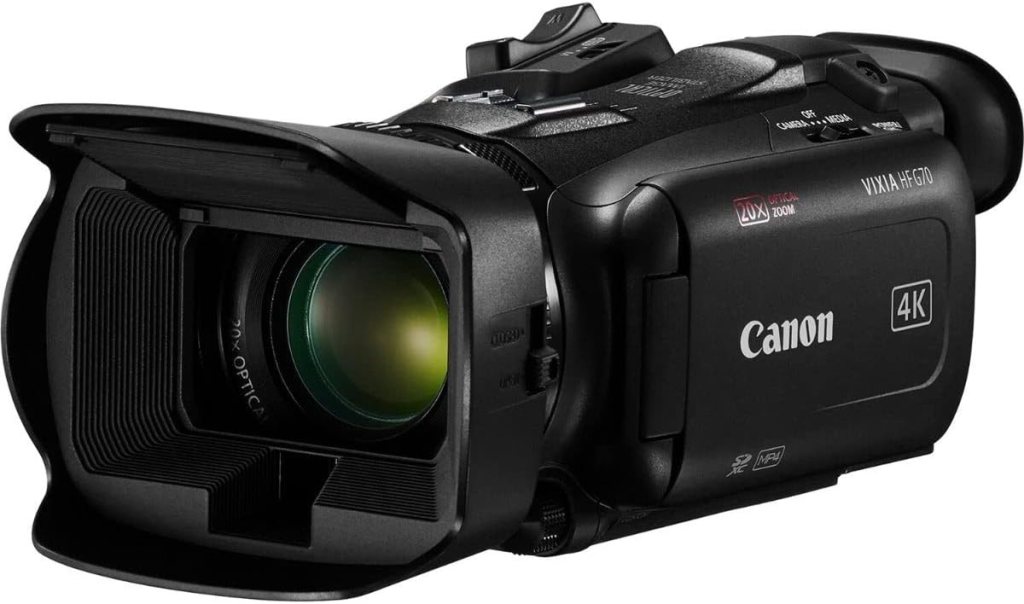
3. Canon VIXIA HF G70
Best for long-range framing and cleaner full-game coverage
The Canon VIXIA HF G70 feels a little more deliberate than the Panasonic. A little more locked in. That is a compliment.
Canon gives it a 1/2.3-inch 4K UHD CMOS sensor, 20x optical zoom, advanced autofocus, and dual SD card slots. Those dual slots are not exciting until you record a full game, then they suddenly become very exciting. Redundancy and longer-form practicality matter more in baseball than people think.
Where this one stands out is cleaner full-game intent. If your habit is setting up on a tripod and tracking innings instead of grabbing loose family footage, the G70 starts to look very attractive. Canon’s 20x zoom range also reaches far enough to make baseball feel close again, which is half the battle.
Review summary: this is the camcorder for the person who is already serious about recording games and wants something that feels built for longer, cleaner coverage.
Pros
- 20x optical zoom works well for baseball distance
- Advanced autofocus
- Dual SD slots are great for longer sessions
- Strong option for tripod-based full-game recording
Cons
- Less casual than the Panasonic
- More camera than some families actually need
Final verdict: If your priority is complete game coverage with a little more discipline and less improvisation, the Canon VIXIA HF G70 is probably your best pick.
Real Testimonial
This one feels a little more serious. Canon gives you 4K, 20x optical zoom, advanced autofocus, 5-axis stabilization, and the genuinely useful bonus of dual SD slots. That makes it a better fit for full-game recording than a lot of casual buyers realize. The G70 is less about convenience and more about clean, dependable coverage. If you already know you are going to shoot complete games from a tripod, this starts to look like the smartest option in the group.
4. DJI Osmo Pocket 3
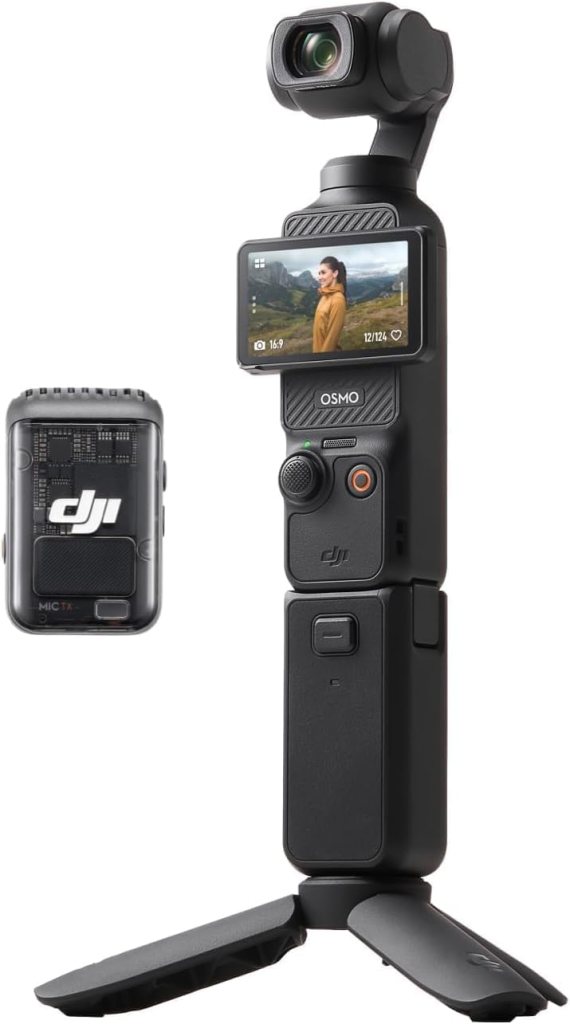
Best for handheld highlights and close-in video
This is not my favorite choice for filming an entire baseball game from the stands. It is one of my favorite choices for everything around the game.
The Osmo Pocket 3 has a 1-inch CMOS sensor, 4K up to 120 fps, and a three-axis mechanical stabilization system. The footage looks smooth in a way that small cameras often promise and rarely deliver.
It also handles highlight-style shooting well because that bigger sensor helps the image look cleaner and less toy-like than many tiny cameras.
So where does it fit? Pregame warmups. Walk-up clips. Dugout reactions. Training footage. Short player edits. Close sideline moments. It is also great for the parent who knows they are not going to carry a full camcorder every weekend.
That part matters more than gear nerds like to admit. The best camera is still the one you actually bring.
Review summary: the Pocket 3 is the smartest small camera here, but it is not the long-zoom answer. Buy it for movement, handheld ease, and polished highlight footage.
Pros
- Great handheld stabilization
- 4K120 is useful for slow-motion baseball clips
- 1-inch sensor helps image quality
- Extremely portable
Cons
- No long optical zoom
- Not ideal as your only full-game baseball camera
Final verdict: For highlight reels, training clips, and all the baseball moments outside the batter’s box, the Osmo Pocket 3 is excellent.
Real Testimonial
The Pocket 3 is not the best main camera for filming a whole game from the stands. It is one of the best cameras here for everything around the game. The 1-inch sensor helps the image look richer than most tiny cameras, and the 3-axis stabilization is excellent. DJI also gives you 4K/120, which makes it great for slow-motion swings, warmups, bullpen clips, and short player edits.
5. GoPro HERO13 Black
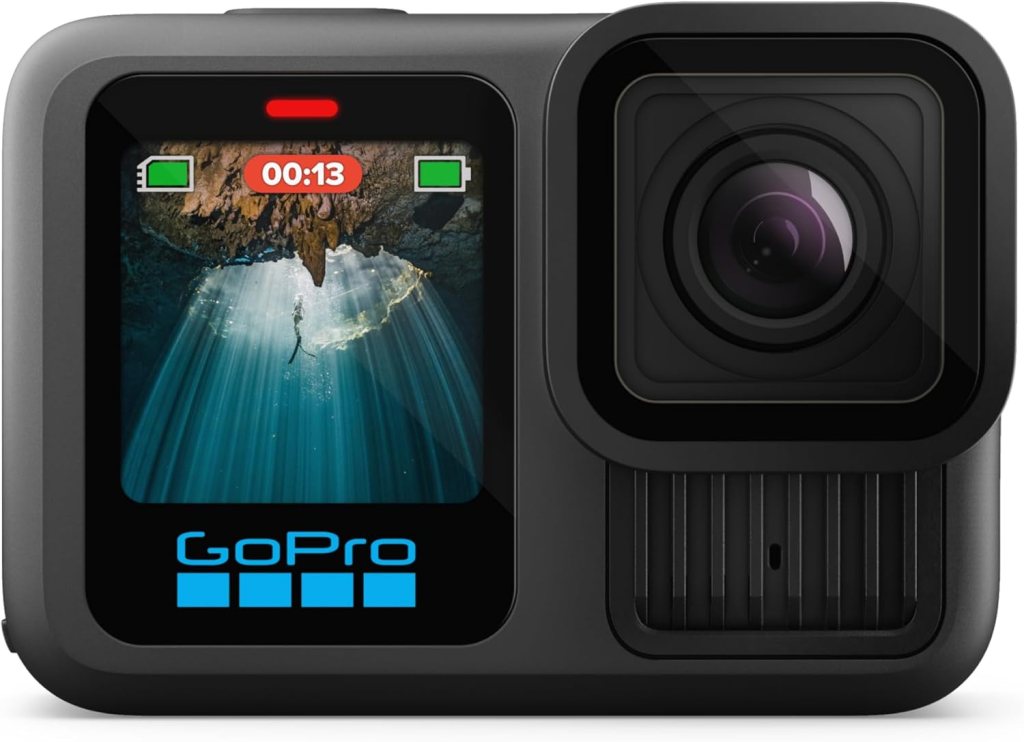
Best for fence mounts and tough conditions
A GoPro is rarely the best only camera for baseball. It is often the best second camera.
The HERO13 Black records up to 5.3K60, keeps GoPro’s durable action-cam design, and adds compatibility with the HB-Series lens and filter system.
The reason it made this list is simple: baseball benefits from extra angles, and GoPro’s mount ecosystem makes those angles easy to get. Backstop. Fence. Dugout rail. Behind home plate. You can put this thing where a camcorder does not belong.
The downside is just as obvious. It is wide. Very wide. That means a lot of baseball action can look distant unless the camera is placed close to the field or used as a secondary angle.
I would not buy this first if your main goal is tight player footage from the stands. I would absolutely buy it if you want a rugged extra perspective.
Review summary: the HERO13 Black is the utility knife of the group. Not the pure baseball specialist, but very handy when mounted well.
Pros
- Tough body and flexible mounting options
- 5.3K60 video
- Great for extra angles and training setups
- Small enough to leave in the bag all season
Cons
- Wide field of view is not ideal for isolated action from far away
- Better as a secondary baseball camera than a primary one
Final verdict: The GoPro HERO13 Black makes sense if you want baseball footage from places a normal camera cannot go.
Real Testimonial
This is the utility pick. Not the purest baseball camera, but very useful in the right role. GoPro gives it 5.3K60 video, strong durability, mounting flexibility, and compatibility with the HB-Series lens system. That makes it a smart fence-mount or extra-angle camera. I would not choose it first for isolating action from far away because the wide view works against you there.
Which camera should you buy for baseball games?
If you are filming full games from the bleachers, buy the Sony FDR-AX43A. It has the best overall balance, and that matters more than chasing a weird niche feature.
If you want a solid camcorder that feels straightforward and dependable, get the Panasonic HC-VX981K. It covers the core baseball job without making the process feel technical.
If you record complete games on purpose and want something that feels more dedicated to the task, the Canon VIXIA HF G70 is the stronger fit. Dual SD slots alone make it more serious for long-form recording.
If your baseball life is mostly highlights, warmups, reactions, and short edits, the DJI Osmo Pocket 3 is a better match than any camcorder here.
If you want a mountable extra angle or a camera that can live on a fence without drama, buy the GoPro HERO13 Black and use it for what it is good at.
FAQ
What is the best video camera for recording baseball games?
For most people, it is the Sony FDR-AX43A because it combines 20x optical zoom, 4K UHD, and Sony’s Balanced Optical SteadyShot in one camcorder-style body. That mix fits baseball better than a general-purpose pocket camera.
Is a camcorder better than an action camera for baseball?
Usually, yes. A camcorder with real optical zoom is far better for filming batters, pitchers, and infield plays from the stands. An action camera is more useful as a mounted second angle or for close-range footage.
How much zoom do you need to film baseball games?
For most baseball and softball games, 20x optical zoom is a very good starting point. That is exactly why the three camcorders on this list all land at 20x.
Is 4K worth it for baseball games?
Yes, mostly because it gives you room to crop and reframe later. That is useful when the play develops faster than you expected or you had to stay wider for safety.
Can I film a baseball game with a GoPro?
You can, but it works best when mounted close to the field or used as an extra angle. Its very wide lens is less effective for tight player coverage from distant seating.
What camera works best behind a backstop fence?
A small mounted camera like the GoPro HERO13 Black is often the easiest option if the setup is allowed, while a camcorder with zoom works better if you are filming through openings or from an offset angle. Baseball camera placement guides also show that position has a big effect on the final look.
What is the best camera for youth baseball games?
The Sony FDR-AX43A or Panasonic HC-VX981K are the safest answers for most families because they offer 20x optical zoom, 4K, and stabilization in a format that is easy to learn.
Do I need image stabilization for baseball video?
Yes. The longer you zoom, the more camera shake shows up. That is why stabilization is such a big deal for sports and telephoto work.
Should I use a tripod for recording baseball games?
If you are filming full innings or whole games, yes. A tripod makes a camcorder more useful and reduces the little drift and shake that builds up over time. Handheld works better for short clips and moving sideline footage.
What is the best handheld camera for baseball highlights?
The DJI Osmo Pocket 3 is the strongest handheld highlight camera on this list because it pairs a 1-inch sensor with three-axis mechanical stabilization and 4K120 recording.
Can one camera work for both baseball and softball?
Yes. The same features carry over. You still want zoom, stabilization, and clean 4K. The Sony AX43A is a strong crossover option for both sports.
What is the best camera for filming baseball at night?
Among these picks, the DJI Osmo Pocket 3 has the best sensor size advantage for a small camera, but for real game coverage at night, the challenge is still distance. The Sony and Canon camcorders remain more practical if you need reach, while the Pocket 3 helps more for close-range clips.
Are mirrorless cameras better than camcorders for baseball games?
Not automatically. Mirrorless bodies can produce excellent video, but for straightforward baseball recording, a camcorder’s zoom range, ergonomics, and long-form practicality are often better fits.
How long can these cameras record continuously?
Recording limits vary by model, settings, media, heat, and power setup. The Canon’s dual SD design is especially useful for longer sessions, while action and pocket cameras tend to be more sensitive to battery and heat constraints in long continuous use.
What accessories help most when filming baseball games?
A tripod helps first. After that, extra batteries, fast memory cards, a fence mount for an action cam, and shade for bright-day screens all make a difference. Placement matters almost as much as the camera itself.
Final verdict
The best overall pick is still the Sony FDR-AX43A. It has the right mix of reach, stability, and no-nonsense usability for baseball. The Panasonic HC-VX981K is the sensible alternative. The Canon VIXIA HF G70 is the more dedicated full-game machine.
The DJI Osmo Pocket 3 is the one for sharp handheld highlights. The GoPro HERO13 Black is the useful extra angle that earns its spot by being hard to kill and easy to mount.
Sports video gets better when you match the camera to the shooting position, the lens reach, and the job you actually plan to do.
Affiliate Disclaimer
This article contains affiliate links. We may earn a small commission if you purchase through these links, at no extra cost to you.



Leave a Reply