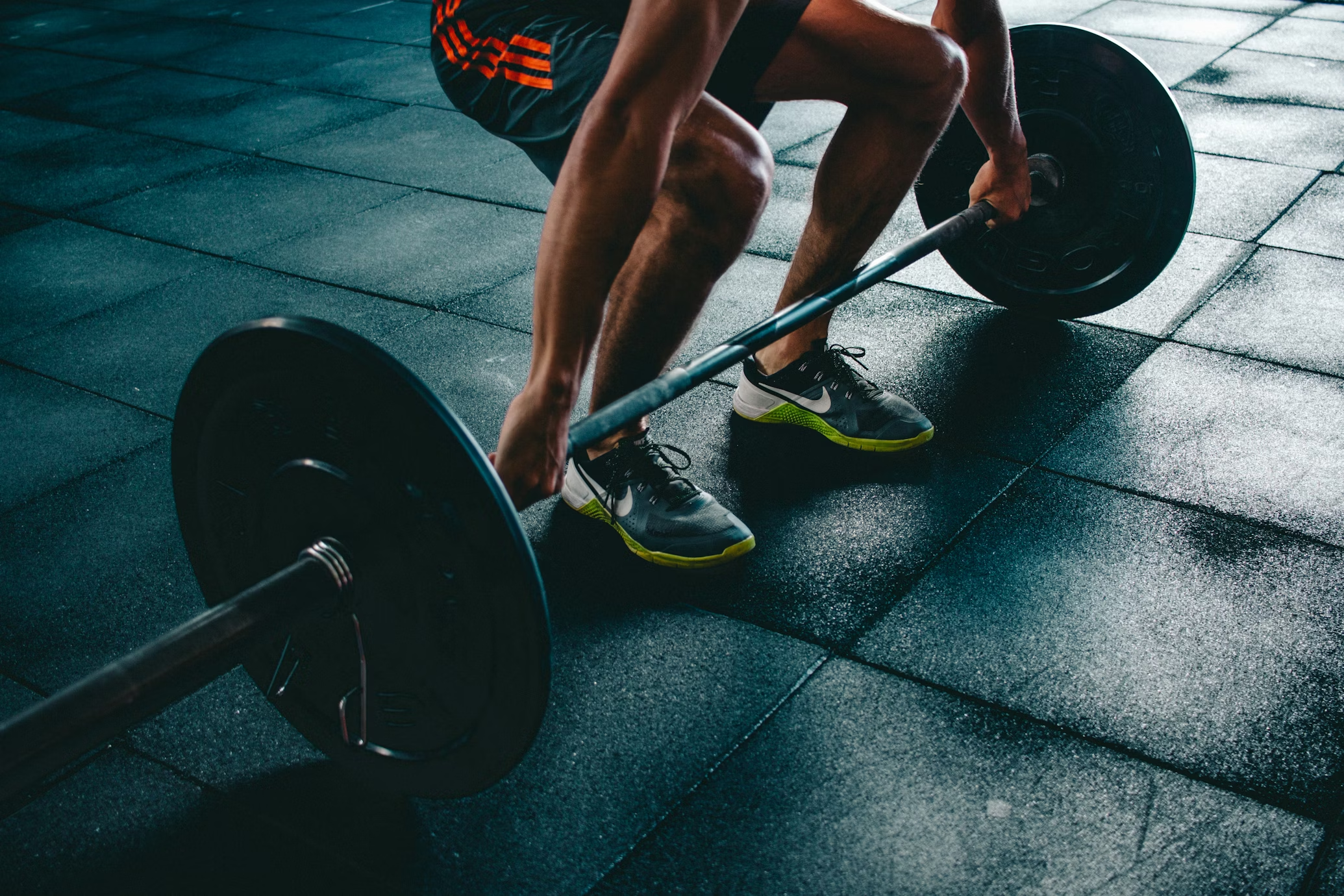
Gym footage has its own problems. Flat overhead light. Mirrors that expose every bad angle. Tight corners. Fast motion. A lot of creators learn this the annoying way. They buy a camera that looks great on paper, then get home with footage that wobbles, hunts for focus, or falls apart the second they leave a bright room.
That is why this list is narrow on purpose. The best cameras for gym content are not just cameras with nice specs. They are cameras that make sense for solo lifting clips, trainer walkthroughs, talking-head coaching content, and handheld reels that do not look like they were filmed during a mild earthquake.
If you want a baseline for what platforms still like to see from uploaded video, YouTube’s own recommended upload settings are worth keeping in mind.
What Actually Matters in a Camera for Gym Content
Stabilization matters more here than in a lot of niches. You are walking between racks, turning the camera toward mirrors, or moving mid-set. Good stabilization saves bad habits.
Autofocus matters too. Gym content is full of partial turns, equipment crossing the frame, and fast changes in distance. Slow focus looks amateur immediately.
A wide lens helps more than people think. Most gyms are cramped. A camera that starts too tight gets frustrating fast.
Low-light performance is not optional. Even decent gyms can be dim in lifting areas. Big windows are not the norm.
And then there is the part people skip. Size matters. Not for image quality. For compliance. A camera can be brilliant and still fail if you stop bringing it.
Quick Picks
- Best overall: DJI Osmo Pocket 3
- Best simple starter pick: Sony ZV-1F
- Best for creators who want to grow: Canon EOS R50
- Best for movement and POV training: GoPro HERO13 Black
- Best for the best-looking gym footage: Sony ZV-E10 II
Related articles
- 5 Best Cameras for Social Media
- 5 Best Cameras for VIRAL TikTok CREATORS
- 5 Best Digital Cameras for Instagram (Every Budget)
Comparison Table 1: Core Video Features
| Camera | Best for | Sensor | Video | Stabilization | Screen | Main tradeoff |
|---|---|---|---|---|---|---|
| DJI Osmo Pocket 3 | Most people | 1-inch CMOS | 4K/120 | 3-axis gimbal | 2-inch rotating touchscreen | Not ideal for lens changes or deep system growth |
| Sony ZV-1F | Simple solo content | 1-inch, 20.1MP | 4K | Digital only | Side flip screen | Stabilization is limited |
| Canon EOS R50 | Growing creators | APS-C, 24.2MP | 6K-oversampled 4K/30, FHD/120 | Lens-based with supported lenses | Vari-angle touchscreen | Bigger kit, more moving parts |
| GoPro HERO13 Black | Dynamic movement | Action-cam sensor | 5.3K/60, 4K/120 | HyperSmooth | Front + rear screens | Less flattering for close talking shots |
| Sony ZV-E10 II | Best image quality here | APS-C, 26MP | 4K/60, 10-bit | Digital stabilization | Side flip touchscreen | You still need to choose lenses wisely |
Comparison Table 2: Real-World Gym Use
| Camera | Handheld walking clips | Tripod workout clips | Mirror talk clips | Fast movement | Dim gym floors | Portability |
|---|---|---|---|---|---|---|
| DJI Osmo Pocket 3 | Excellent | Very good | Very good | Very good | Strong | Excellent |
| Sony ZV-1F | Fair | Very good | Very good | Fair | Good | Excellent |
| Canon EOS R50 | Good | Excellent | Excellent | Good | Very good | Good |
| GoPro HERO13 Black | Very good | Good | Fair | Excellent | Fair | Excellent |
| Sony ZV-E10 II | Good | Excellent | Excellent | Good | Excellent | Good |
1. DJI Osmo Pocket 3
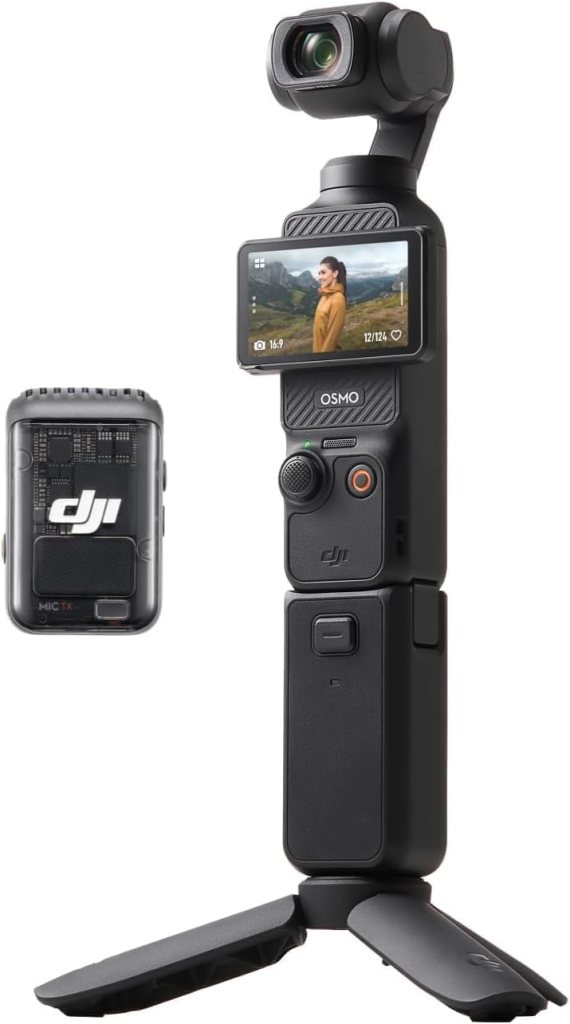
Best Overall
This is the one I would hand to most people and feel no need to apologize later.
The Osmo Pocket 3 gets the hardest part right. It makes moving footage easy. Not theoretically easy. Actually easy. The built-in 3-axis gimbal smooths walking shots in a way that digital stabilization still struggles to fake, and the 1-inch sensor gives it more room in bad gym light than older pocket cameras had.
DJI lists a 1-inch CMOS sensor, a 2-inch rotatable touchscreen, and up to 4K/120fps. That combo is the reason it sits at the top.
For gym content, that matters. You can film a set from a tripod, grab a smooth walk-in intro, record a quick coaching clip near the mirror, and not feel like the camera is fighting you.
DPReview’s hands-on coverage called out the bigger sensor and rotating screen as two of the big changes people had wanted, which tracks with why this version is so much easier to recommend.
Pros
- Gimbal stabilization looks better than most digital-only systems
- 1-inch sensor holds up well in indoor light
- Tiny body makes it easy to bring every day
- Rotating screen works well for horizontal and vertical content
- 4K/120 gives you useful slow motion for form clips
Cons
- Fixed lens limits how much you can shape the look
- Less room to grow than a mirrorless system
- Not the best choice if you want one camera for serious stills too
Review summary
The Pocket 3 is the most practical gym camera in this list. Not the flashiest. Not the most expandable. Just the one least likely to waste your time.
Real Testimonial
This is still the easiest recommendation for gym content. The 1-inch sensor, rotating screen, and built-in 3-axis gimbal make it unusually good for handheld walkthroughs, exercise demos, and quick solo filming without a rig. It is not the most expandable camera here, but it wastes the least time.
2. Sony ZV-1F
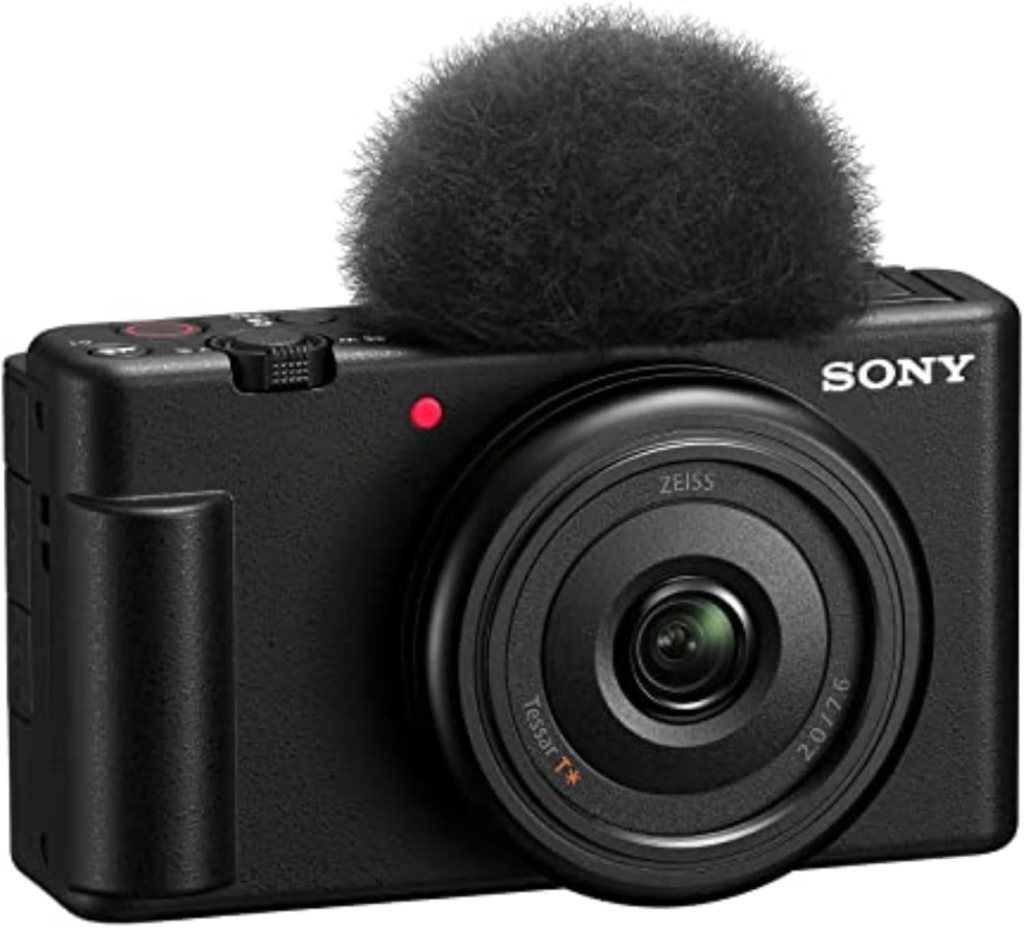
Best Simple Starter Pick
The ZV-1F gets dismissed too quickly by people who want every spec war on paper. That is missing the point.
This camera is for people who want to set it on a bench, flip the screen out, hit record, and get a cleaner result than a phone without turning filming into a side hobby. Sony lists a 1.0-type 20.1MP sensor and a 20mm equivalent lens, which is a smart fit for cramped indoor spaces and solo framing.
It as good for vlogging, video capture, and social media, which is exactly the lane it should stay in.
The weak point is stabilization. I would not buy it for walk-and-talk clips across a busy gym floor. But for tripod work, mirror intros, exercise demos, and desk-to-gym creator content, it is clean, simple, and hard to mess up.
Pros
- Wide 20mm view is useful in tight spaces
- Flip screen keeps solo framing easy
- Better image quality than a phone in rough indoor light
- Small enough to live in a gym bag
- Straightforward creator-focused controls
Cons
- Stabilization is the compromise
- Fixed lens means no system growth
- Not the strongest choice for aggressive movement
Review summary
The ZV-1F is the low-friction pick. You buy it because you want a real camera, not a whole camera identity.
Real Testimonial
The appeal is simplicity. Its 20mm equivalent lens is genuinely useful in cramped gym spaces, and the flip screen makes solo framing easy. The weak spot is stabilization, so it is better for tripod clips, mirror pieces, and talking segments than for moving handheld footage.
3. Canon EOS R50

Best for Creators Who Want to Grow
This is where the list shifts. The R50 is not just a camera. It is the start of a system.
Canon’s official specs put it at a 24.2MP APS-C sensor with Dual Pixel CMOS AF II and 6K-oversampled uncropped 4K up to 30fps. That already gives it a different feel from the compact picks.
The sensor is larger. The autofocus is stronger. The footage has more depth and more room to look polished without looking fake.
For trainers, coaches, and creators who want to build a more serious setup over time, that matters. You can start with the kit lens, then move to a better wide prime or a brighter zoom later.
It is compact, beginner-friendly, and strong on autofocus, with decent 4K video and a portable body.
The reason it is not number one is simpler than people expect. Gym content punishes bulk. A camera can be better and still be less useful if you stop bringing it.
Pros
- APS-C sensor gives you a more substantial image
- Canon autofocus is trustworthy for solo video
- Vari-angle screen works well for self-recording
- Strong upgrade path through RF lenses
- Great fit for coaching, education, and hybrid creator use
Cons
- Bigger than the compact options
- Best results usually mean carrying extra gear
- Not the easiest pick for grab-and-go gym clips
Review summary
The EOS R50 is for people who know they are going to keep doing this. It is the smartest long-game buy in the group.
Real Testimonial
This is the smart pick for someone who wants to grow into a more serious setup. The APS-C sensor, Dual Pixel autofocus, and oversampled 4K make it stronger than the compact picks for polished trainer content, coaching videos, and mixed photo-video use. The tradeoff is obvious: it takes more effort and more gear.
4. GoPro HERO13 Black
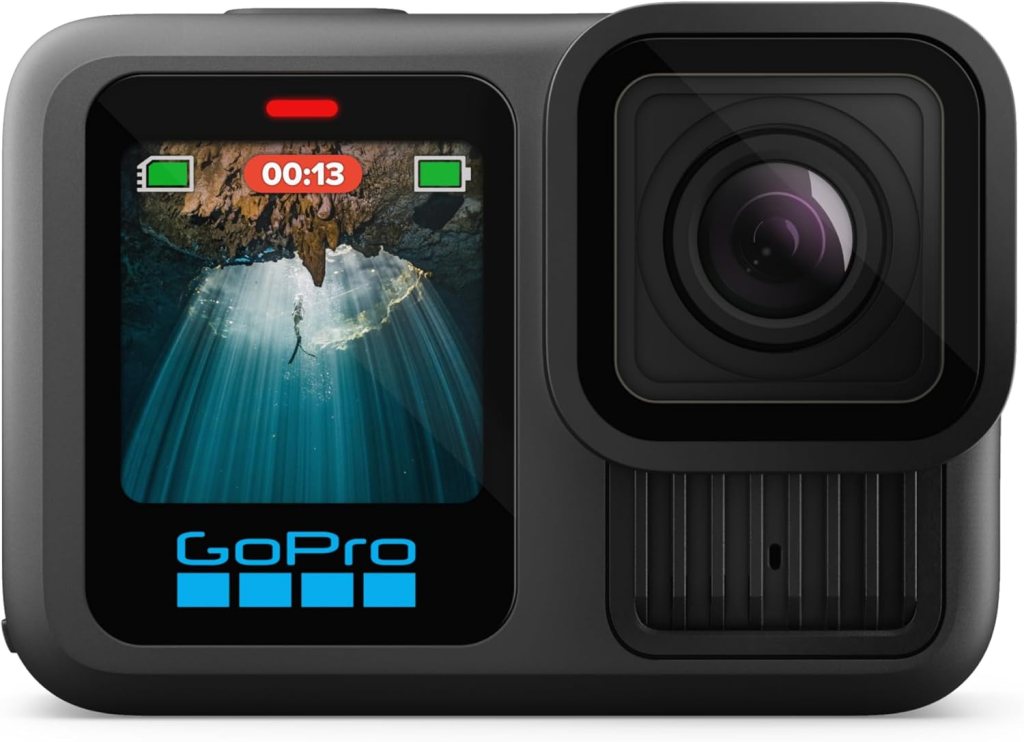
Best for Movement and POV Training
Some gym content is about image quality. Some of it is about surviving movement. The HERO13 Black exists for the second kind.
GoPro lists 5.3K/60 video, 4K/120, improved battery performance, lens compatibility, and HyperSmooth stabilization. DPReview’s launch coverage also highlighted that it keeps GoPro’s strong stabilization and 5.3K/60 capture while adding the new accessory lens system.
This is the right camera for sled pushes, machine walkthroughs, body-mounted training clips, first-person sets, outdoor workouts, or any scenario where a mirrorless body starts to feel precious. It is not the camera I would choose for flattering close-up talking-head pieces. Action cams still have that look. Useful, sharp, a little harsh.
But for movement-heavy content, it is excellent.
Pros
- Best choice here for aggressive movement
- HyperSmooth works well for dynamic clips
- Tiny, rugged, easy to mount
- High frame rates are useful for exercise analysis
- Strong fit for reels, shorts, and POV footage
Cons
- Less flattering than larger-sensor cameras for face-first clips
- Low-light still is not its favorite environment
- Wide action-cam look is not always what you want indoors
Review summary
Buy the HERO13 Black if movement is the content. Skip it if your channel is mostly coaching monologues in front of a squat rack.
Real Testimonial
This one makes the most sense when motion is the whole point. It is the best fit for POV training clips, sled pushes, machine walkthroughs, and fast-moving gym footage where a larger camera becomes annoying. For close face-to-camera coaching shots, it still has that unmistakable action-cam look.
5. Sony ZV-E10 II
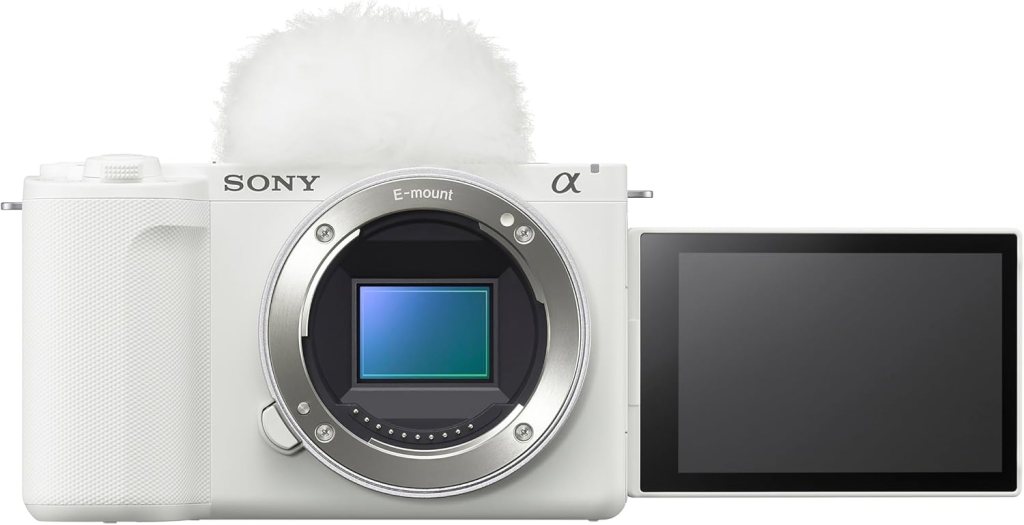
Best for the Best-Looking Gym Footage
This is the camera for people who care what the footage feels like, not just whether it is sharp.
Sony’s official specs list an APS-C Exmor R CMOS sensor with about 26MP, 4K up to 60p, and a 759-point phase-detection autofocus system.
RTINGS also notes 4K up to 60 fps, internal 10-bit capture, log profiles, and a fully articulated screen, which is why this camera starts to edge into a more serious creator tier without becoming a brick.
In a gym, that means cleaner low-light footage, better color flexibility, and more room to create a premium look if that matters to your brand. The catch is predictable. Lens choices matter. Setup matters. This camera rewards intent. It is less forgiving than the Pocket 3 and less casual than the ZV-1F.
That is fine. Not every recommendation has to be for beginners.
Pros
- Best-looking footage in this roundup
- APS-C sensor handles dim gyms well
- 4K/60 and 10-bit capture give more creative room
- Excellent autofocus
- Strong fit for creators building a serious brand
Cons
- You need to care about lenses
- More setup than compact cameras
- Harder to justify for casual gym clips
Review summary
The ZV-E10 II is the taste pick. A little less effortless. A lot more upside.
Real Testimonial
This is the best-looking camera in the group once you care about image quality more than convenience. The APS-C sensor and creator-focused design give it more headroom for cleaner low-light footage and a more refined final look. It is less casual than the Pocket 3 and less frictionless than the ZV-1F, but the upside is real.
Which Camera I’d Buy for Different Types of Gym Content
For solo trainers, I would start with the DJI Osmo Pocket 3.
For educational talking-head content mixed with exercise demos, I would choose the Canon EOS R50.
For fast reels, body-mounted clips, and movement-heavy edits, I would grab the GoPro HERO13 Black.
For a simple step up from a phone, the Sony ZV-1F makes the least fuss.
For the creator who wants the best-looking footage in this group and plans to keep building, the Sony ZV-E10 II is the one.
What to Skip
I would skip giant photo-first bodies for most gym creators. They look impressive until you have to carry them between sets.
I would also skip bargain action cams with shaky software and muddy indoor footage. Gym light is already bad enough. No need to help it.
And I would skip any setup that needs ten accessories before it feels usable. Most creators do not fail because they picked the wrong camera. They fail because the setup became annoying.
FAQ
What is the best camera for gym content overall?
The DJI Osmo Pocket 3 is the best overall pick because it combines a 1-inch sensor, 4K/120, and built-in 3-axis gimbal stabilization in a tiny body. It is the easiest camera here to use well without building a whole rig.
Is an action camera good enough for workout videos?
Yes, if the content is movement-heavy. The GoPro HERO13 Black makes a lot of sense for POV clips, circuits, outdoor sessions, and handheld action. It makes less sense for flattering close-up coaching shots in dim gyms.
What camera do fitness influencers use?
There is no single answer. Compact creator cameras, mirrorless bodies, and action cams all show up depending on style. For cleaner talking clips, bigger sensors usually help. For fast-moving content, stabilization often matters more.
Do I need 4K for gym content?
Not always, but it helps. 4K gives you more detail, more cropping room, and cleaner-looking delivery even if the final upload ends up compressed by a platform. YouTube supports common frame rates including 24, 30, and 60 fps and recommends uploading in the same frame rate you recorded.
Is a phone better than a camera for filming workouts?
Sometimes for pure convenience, yes. But once light gets worse, movement gets faster, or you want better autofocus and framing control, a dedicated camera usually pulls ahead.
What lens works best for gym videos?
A moderately wide view usually works best. That is part of why the ZV-1F’s 20mm equivalent lens is useful indoors, and why kit lenses that start wide are easier to live with for workout content.
What camera is best for a personal trainer filming clients?
The Canon EOS R50 is a strong pick if you want a more professional look and room to grow. The Pocket 3 is better if you need speed and simplicity.
What camera works best in low-light gyms?
From this list, the Sony ZV-E10 II and Canon EOS R50 have the edge because of their APS-C sensors. The Pocket 3 does surprisingly well too thanks to its 1-inch sensor.
Is the DJI Osmo Pocket 3 good for fitness content?
Yes. It is one of the best tools for handheld gym content because the gimbal keeps movement under control without much effort from you.
Is the Sony ZV-1F good for beginner creators?
Yes, especially if your content is mostly tripod-based, mirror-based, or straightforward solo recording. It is less convincing for heavy walking shots because its stabilization is limited.
What camera is best for reels and shorts in the gym?
The DJI Osmo Pocket 3 and GoPro HERO13 Black are the easiest answers. One gives you smoother handheld framing. The other handles aggressive movement better.
Can I film full workouts with these cameras?
Yes, but battery strategy matters. Mirrorless cameras and compacts are often better on a tripod for long sets, while action cams are better for dynamic cut-in footage.
What is the best camera for recording yourself at the gym?
For most people, the Pocket 3. For the best image quality, the ZV-E10 II. For the simplest setup, the ZV-1F.
Are mirrorless cameras overkill for gym content?
Sometimes. They make sense if your content is part of a broader brand and you care about a more polished look. They are overkill if you just need clean daily clips and fast editing.
What accessories matter most for filming in a gym?
A small tripod. An extra battery. A fast memory card. Past that, keep it lean. Most people need less gear, not more.
Conclusion
The best cameras for gym content are not the five most expensive cameras you can justify to yourself after midnight. They are the five that solve real problems. Smooth handheld footage. Clean focus. Better low-light performance. Less friction. More consistency. That is the job.
If I had to make this painfully simple, I would tell most people to buy the Pocket 3, more serious creators to look hard at the EOS R50 or ZV-E10 II, and movement-first creators to go straight to GoPro. The gym is already visually messy.
Your camera should make the process calmer, not worse. And if you want a reminder that real fitness spaces are rarely lit as cleanly as a studio, ACSM-linked facility guidance still stresses bright, clear lighting in areas of equipment use and exercise instruction.
Affiliate Disclaimer
This article contains affiliate links. We may earn a small commission if you purchase through these links, at no extra cost to you.


Leave a Reply