
Filming a hunt is awkward work. Light is bad. Hands are busy. The best moment rarely waits for you to fix a setting. That is why the best cameras for filming hunts are not the ones with the flashiest spec sheet.
They are the ones that still make sense when it is cold, dim, and moving fast. If you want a useful primer on the video side of things, Canon’s guide on shutter speed and frame rate is worth five minutes before you touch a menu.
I picked these with one standard in mind: I would actually bring them on a real hunt. Not to a studio. Not to a parking-lot test. To a blind, a tree stand, a muddy walk-in, or a long sit where you only get one clean chance to record the moment.
Quick Picks
- Best overall: Sony a6700
- Best value pick: DJI Osmo Action 5 Pro
- Best for POV footage: GoPro HERO13 Black
- Best beginner mirrorless: Canon EOS R50
- Best for self-filming: Insta360 X4
How I Picked These Cameras
Hunt footage lives or dies on a few boring things.
Low-light matters because legal shooting light and pretty filming light are not the same thing. Stabilization matters because your body is not still, even when you think it is. Battery life matters because nobody wants to miss the only good sequence of the day while swapping cells.
Mounting matters because some cameras are a joy on a chest harness and a headache everywhere else.
Autofocus matters too, but not in the way people talk about it online. It does not need to impress reviewers. It needs to lock on fast enough that you do not come home with a heroic story and unusable footage.
Related articles
- 5 Best Cameras for Hiking LOVERS
- 5 Best Budget Action Cameras (Every Purpose)
- Ultimate Guide to Best Cameras for Bird Photography
Comparison Table 1
| camera | best for | max video | standout strength | main drawback |
|---|---|---|---|---|
| Sony a6700 | best overall | 4K/120p | APS-C image quality plus IBIS | bigger setup once you add lenses |
| DJI Osmo Action 5 Pro | best value pick | 4K/120p | long battery life and strong stabilization | not the richest look in very low light |
| GoPro HERO13 Black | POV footage | 5.3K/60p, 5.3K/30+ long runtime | accessory ecosystem and easy mounting | small-sensor look can feel harsh at dawn |
Comparison Table 2
| camera | battery/longevity angle | mounting style | best hunt scenario |
|---|---|---|---|
| GoPro HERO13 Black | improved Enduro battery | chest, helmet, weapon, pack | fast-moving POV clips |
| Canon EOS R50 | fine with spares, better on planned shoots | tripod, monopod, blind setup | beginner mirrorless filming |
| Insta360 X4 | solid battery plus reframe flexibility | stick, clamp, pack, tripod | self-filming and angle recovery |
1. Sony a6700
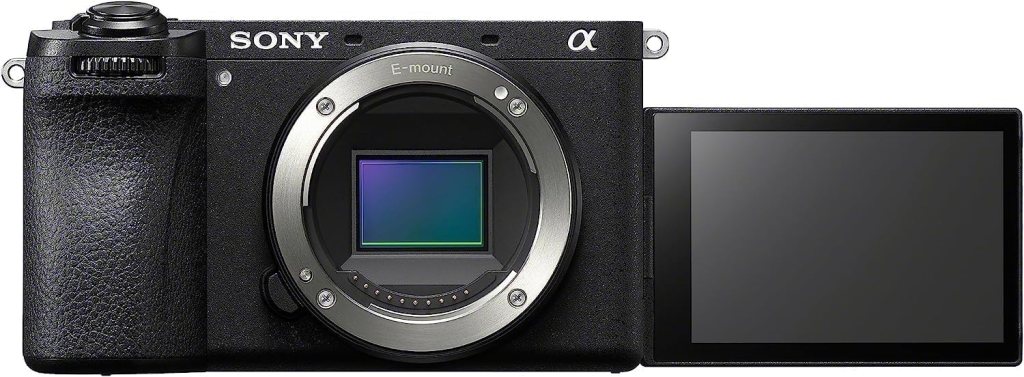
Best Overall for Serious Hunt Filming
This is the camera I would buy if the goal is simple: come back with footage you actually want to edit.
The a6700 gives you the stuff that matters for hunts. An APS-C sensor. In-body stabilization. Strong autofocus. Proper lens options.
It records 4K, and Sony’s official specs list APS-C 26MP, 5-axis stabilization with Active mode for movies, and advanced subject recognition. That combination is why it sits above the rest here.
What I like most is that it does not force you into one filming style. Put a compact zoom on it and it works from a blind. Add a fast prime and dawn footage gets a lot prettier. Use a stabilized lens and a small support, and suddenly your hunting content stops looking like random action clips stitched together.
It is not the easiest camera on this list. That is the trade. But it is the one with the highest ceiling by a wide margin.
Review summary: The Sony a6700 is the best overall camera for filming hunts because it gives you real image quality, useful stabilization, and enough autofocus confidence to work in bad light without turning the process into a chore.
Pros
- APS-C sensor gives footage more depth and better low-light flexibility
- in-body stabilization helps when handheld
- lens choice lets you adapt for blinds, stands, and self-filming
- autofocus is strong enough for real field use
Cons
- costs more once you factor in lenses
- bulkier than an action cam
- setup matters more
Who should buy it: hunters who care about final video quality and want one camera that can grow with them
Who should skip it: hunters who want pure set-it-and-forget-it simplicity
Real Testimonial
The Sony a6700 is the best overall camera here because it gives you the cleanest path to serious hunting footage without feeling like overkill for no reason. It handles low light better than the action cameras, gives you more control over the final look, and leaves room to grow if your filming gets more ambitious later. This is the one I would buy if image quality actually matters to you and you do not want to outgrow the camera in six months.
2. DJI Osmo Action 5 Pro
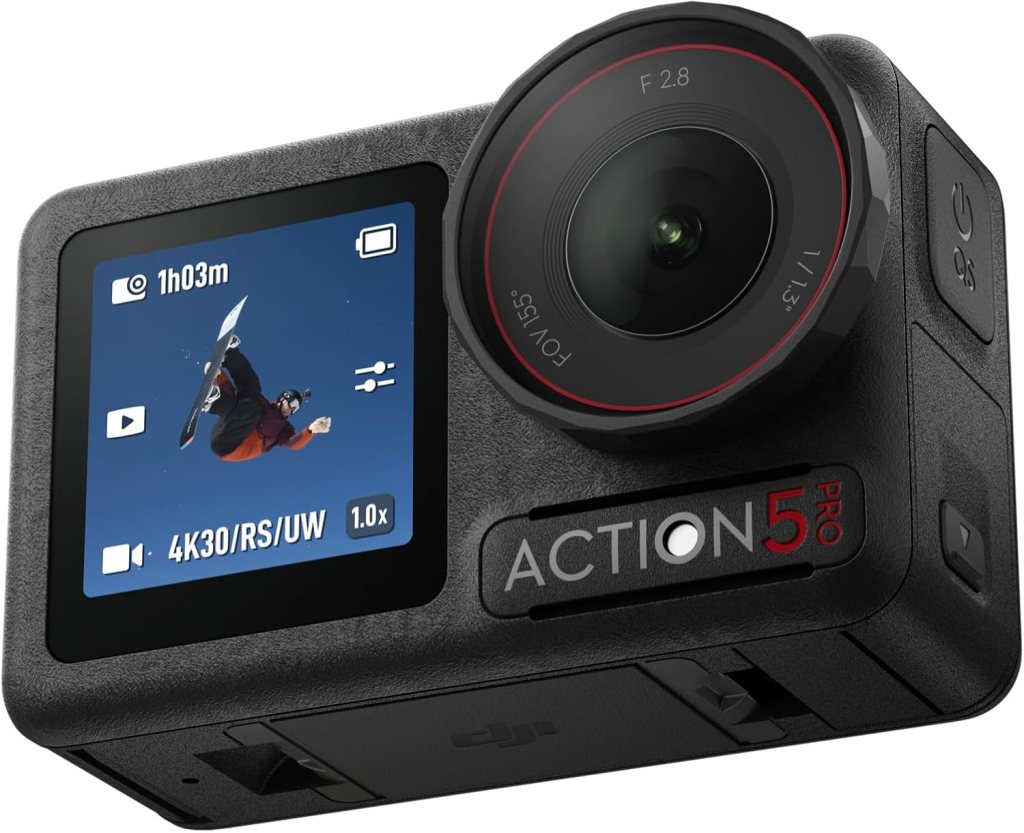
Best Value Pick for Most Hunters
This is the practical pick. Not the compromise pick. The practical one.
DJI says the Osmo Action 5 Pro uses a 1/1.3-inch sensor, supports up to 4K/120fps, and can reach up to 240 minutes of operating time under its stated test conditions. DJI also highlights HorizonSteady and improved low-light performance.
That is a very strong package for hunters who want a rugged camera that can mount anywhere and keep running.
The reason I like it more than a bargain-bin action cam is that it feels like real gear, not disposable gear. The stabilization is good. The battery story is good. The footage is good enough that you will not resent editing it later.
For chest mounts, bow mounts, decoy setups, or a compact blind rig, it makes a lot of sense.
Would I choose it over the Sony if image quality were the only thing that mattered? No. But hunts are not lab tests. Ease matters. Size matters. Durability matters. This camera gets that.
Review summary: The Osmo Action 5 Pro is the smartest value pick here because it covers the real outdoor basics better than most people need, with long runtime and strong stabilization in a body you can trust outside.
Pros
- long battery life for an action camera
- easy to mount and easy to carry
- strong stabilization
- better overall field value than many rivals
Cons
- still looks like action-cam footage in tricky light
- less flexible than a mirrorless body
- audio is only okay unless you build around it
Who should buy it: hunters who want clean, rugged footage without carrying a full camera kit
Who should skip it: anyone chasing the most cinematic image possible
Real Testimonial
The DJI Osmo Action 5 Pro is the most sensible pick for hunters who want strong results with less bulk and less fuss. It is easy to mount, easy to trust in rough conditions, and simple enough to use when you do not have time to babysit settings. The footage will not look as rich as a good mirrorless setup, but for real-world hunt filming, it gets a lot right.
3. GoPro HERO13 Black

Best for POV Footage
GoPro still owns this lane for a reason.
The HERO13 Black records up to 5.3K video, and GoPro says the redesigned 1900mAh Enduro battery pushes runtime past 2.5 hours at 1080p30 and beyond 1.5 hours at 4K30 and 5.3K30 in its own testing. It also adds more mounting flexibility through its built-in fingers, threads, and magnetic latch system.
That all translates well to hunting. Head mount. Chest mount. Strap mount. Pack strap. Bow arm. Shotgun angle. GoPro has spent years making those setups normal. You are buying into that convenience as much as the camera itself.
The weakness is familiar. Small-sensor footage can look sharp in a way that is not always flattering. Dawn woods can get noisy. Shadows can go muddy. But for POV clips that need to survive movement, weather, and rough handling, the HERO13 Black is still a killer tool.
Review summary: The HERO13 Black is the best pure POV camera for hunts because it is easy to mount, easy to trust, and built around motion in a way mirrorless cameras are not.
Pros
- great mounting ecosystem
- sharp, stabilized action footage
- rugged and weather-ready
- strong battery improvement
Cons
- low-light footage is limited by the small sensor
- ultra-wide look is not ideal for every scene
- not the best choice for polished interview-style segments
Who should buy it: hunters who mainly want first-person footage and simple operation
Who should skip it: anyone who wants a softer, more cinematic image
Real Testimonial
The GoPro HERO13 Black is still one of the easiest cameras to recommend for POV hunting footage. It works best when you want hands-free clips, fast setup, and a camera that can take abuse without drama. It is not the prettiest camera in bad light, but it is one of the most practical, and practicality matters a lot when you are trying to film a hunt instead of a product demo.
4. Canon EOS R50

Best Beginner Mirrorless Camera for Hunts
The EOS R50 is the camera I would hand to someone who wants to step into “real camera” territory without getting punished for it.
Canon’s product page lists a 24.2MP APS-C sensor, uncropped 4K up to 30fps oversampled from 6K, and Dual Pixel CMOS AF II. Those are not throwaway features. They are the reason this camera works so well for newer shooters.
The R50 is not as deep or as flexible as the a6700. It is also not as intimidating. Menus are friendlier. Autofocus is trustworthy. File quality is clearly ahead of action cams. If you hunt from a blind, film your own gear breakdowns, or want one camera that can do hunts, family trips, and everyday shooting, this one is easy to like.
Its main limitation is stabilization in the body. You need to think more about support and lens choice. That said, plenty of hunters do not need aggressive handheld movement. They need a clean image and fewer headaches. The R50 delivers that.
Review summary: The EOS R50 is the best beginner mirrorless option for hunt filming because it gives you a real step up in image quality and autofocus without burying you in complexity.
Pros
- approachable for first-time camera buyers
- clean 4K image
- strong autofocus
- useful as an all-around camera outside hunting
Cons
- no in-body stabilization
- less room to grow than the a6700
- best results depend more on lens choice and support
Who should buy it: beginners who want better footage than an action cam without jumping straight into a higher-end body
Who should skip it: hunters who plan to shoot lots of handheld motion in rough terrain
Real Testimonial
The Canon EOS R50 is the best beginner mirrorless option in this group because it gives you a real jump in video quality without the usual learning-curve punishment. It is a good fit for hunters who want cleaner footage, better autofocus, and a camera that can also pull normal life duty when the season is over. It does not have the same ceiling as the Sony a6700, but it is easier to step into and easier to live with.
5. Insta360 X4
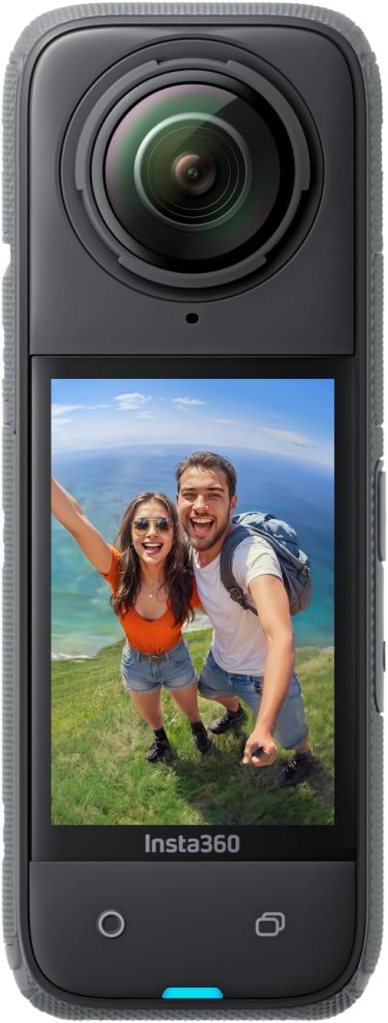
Best for Self-Filming and Flexible Angles
This one is weird. In a good way.
The Insta360 X4 records 8K 360 video, supports single-lens modes too, and Insta360 lists about 135 minutes of battery life on its store page for the X4. The point of this camera is not “best image.” The point is saving shots you would have missed with anything else.
That matters in hunting more than people admit. Self-filming goes wrong all the time. The angle was off. The animal entered from the wrong side. The camera was pointed a little too high. A 360 camera can rescue those moments because you reframe later.
I would not use this as my only serious hunt camera. I would absolutely use it as my self-filming camera. For solo hunters, that difference matters.
Review summary: The Insta360 X4 is the best self-filming camera for hunts because it gives you a second chance in editing, and solo creators need that more than they need perfect files.
Pros
- reframe later instead of guessing angles in the moment
- useful for solo hunters
- flexible mounting options
- can produce shots other cameras simply cannot
Cons
- not the cleanest low-light image here
- editing takes more work
- 360 footage is not always the right style
Who should buy it: solo hunters who routinely miss angles while self-filming
Who should skip it: anyone who wants the simplest workflow possible
Real Testimonial
The Insta360 X4 is the best choice for self-filming because it fixes one of the biggest problems in hunting content: missed angles. You do more of the framing later, which makes it far more forgiving than a standard action camera when you are hunting alone. It is not the best pure image-quality pick on this list, but it is one of the smartest tools for solo creators who would rather save the moment than lose it.
What Matters More Than the Camera
Audio usually matters more than people think. REI’s GoPro advice is blunt about it: action cams are not audio monsters, especially once you start prioritizing weather protection and rough use.
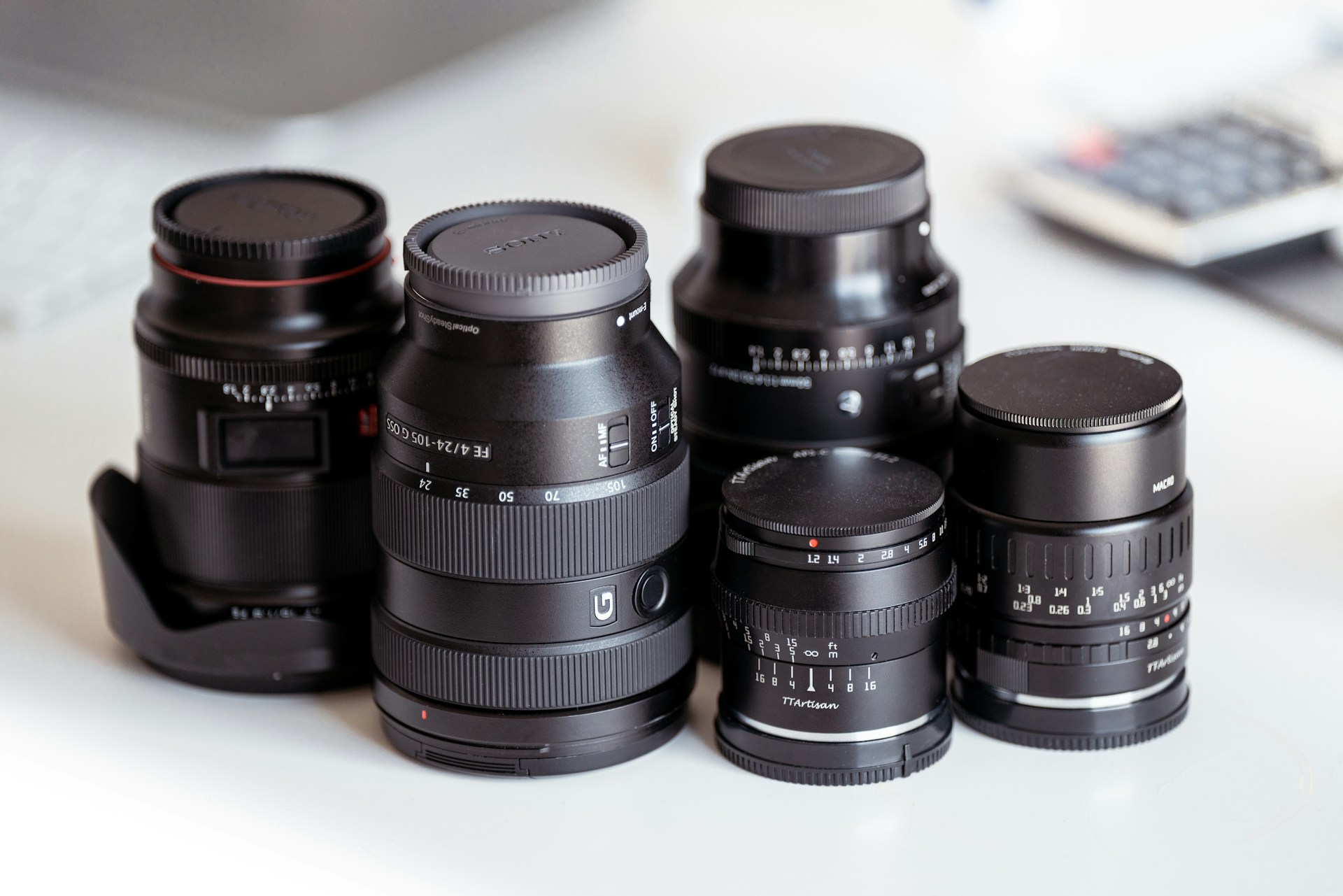
Lens choice matters too. A good mirrorless body with the wrong lens is still the wrong setup. For hunts, a compact stabilized zoom often beats a giant “impressive” lens you hate carrying.
And spare batteries are not optional. Not recommended. Not helpful. Required.
One more thing. Practice matters more than specs. Frame rates are easy to obsess over, but even Canon’s own video basics come back to the same point: set the camera properly, then learn how it behaves before it matters.
Which Camera I Would Buy for Each Type of Hunter
For a solo bowhunter, I would lean Insta360 X4 if self-filming is the priority and DJI Osmo Action 5 Pro if simplicity matters more.
For a rifle hunter filming from a blind, Sony a6700 wins. The image quality gap shows up there.
For chest-mounted POV clips, GoPro HERO13 Black still makes the most sense.
For someone starting a hunting YouTube channel on purpose, not casually, Sony a6700 is the right buy.
For someone who wants one camera for hunts, travel, and regular life, Canon EOS R50 is the safer all-around choice.
FAQs
What is the best camera for filming hunts overall?
The Sony a6700 is the best overall pick because it balances image quality, autofocus, stabilization, and lens flexibility better than anything else on this list. Its APS-C sensor and in-body stabilization give it a real edge when the light turns rough.
Is an action camera or mirrorless camera better for hunting videos?
An action camera is better for POV, mounting, and simplicity. A mirrorless camera is better for image quality, low-light footage, and more polished edits. That is why this list includes both.
What camera works best in low light for hunts?
The Sony a6700 works best in low light here because its APS-C sensor is physically larger than the sensors in the action cameras on this list. The Canon EOS R50 also does well for the money.
Are GoPros good for filming deer hunts?
Yes, especially for chest-mounted or head-mounted footage. They are easy to mount, tough, and built for motion. They are less convincing in very dim woods than a good mirrorless camera.
What is the easiest camera to mount while hunting?
The GoPro HERO13 Black and DJI Osmo Action 5 Pro are the easiest to mount. Both are built around action use, compact bodies, and flexible placement options.
What camera should I use for self-filming a bow hunt?
The Insta360 X4 is the best self-filming option on this list because you can reframe the shot later and recover angles you would have missed in real time.
Do I need 4K for filming hunts?
No. You need usable footage. That said, 4K gives you more room to crop, stabilize, and edit cleanly, which helps a lot with outdoor footage.
How much battery life do I really need on a hunt?
More than one battery, every time. DJI lists up to 240 minutes for the Osmo Action 5 Pro under test conditions, while GoPro’s HERO13 Black battery figures vary by resolution and stabilization mode. Real field time is always less forgiving.
What lens is best for filming hunts with a mirrorless camera?
A compact stabilized zoom is usually the best first choice. It is more flexible than a prime when animals do not cooperate and light changes fast.
Can I film hunts with one camera or do I need two?
You can do it with one. Two is better. A mirrorless camera plus a small action cam is a strong combo because you get both clean main footage and easy backup angles.
Is image stabilization important for hunting footage?
Yes. It matters more than most people think because hunt footage often involves awkward body positions, uneven ground, and small movements that look huge on video.
What is the best beginner camera for filming hunts?
The Canon EOS R50 is the best beginner mirrorless option on this list because it keeps the learning curve reasonable while still giving you a clear step up in video quality.
What camera is best for tree stand footage?
A small mirrorless body on support works well in a tree stand, so the Sony a6700 gets the nod for better image quality. For a simpler setup, the DJI Osmo Action 5 Pro is easier to live with.
What camera is best for turkey hunts or run-and-gun setups?
The DJI Osmo Action 5 Pro or GoPro HERO13 Black makes the most sense because movement, quick setup, and rough handling matter more in those situations.
What camera gives the most cinematic hunting footage?
The Sony a6700 gives the most cinematic result here because of its APS-C sensor, lens flexibility, and stronger overall image quality.
Final Verdict
If I were buying one camera strictly for filming hunts, I would buy the Sony a6700 and not overthink it. It gives you room to grow, and it does not trap you in action-cam footage forever.
If I wanted the smartest lower-cost choice that still feels serious, I would buy the DJI Osmo Action 5 Pro. It is the most sensible camera here for a lot of people.
And if I were self-filming alone, I would find a way to work the Insta360 X4 into the setup. Missed angles ruin good hunts. That camera fixes more of that than people realize.
One last note. Good footage is not worth much if getting it pushes you into bad field behavior. Leave No Trace’s wildlife guidance is still the right standard: keep your distance, do not pressure animals, and do not let filming override judgment.
Affiliate Disclaimer
This article contains affiliate links. We may earn a small commission if you purchase through these links, at no extra cost to you.


Leave a Reply