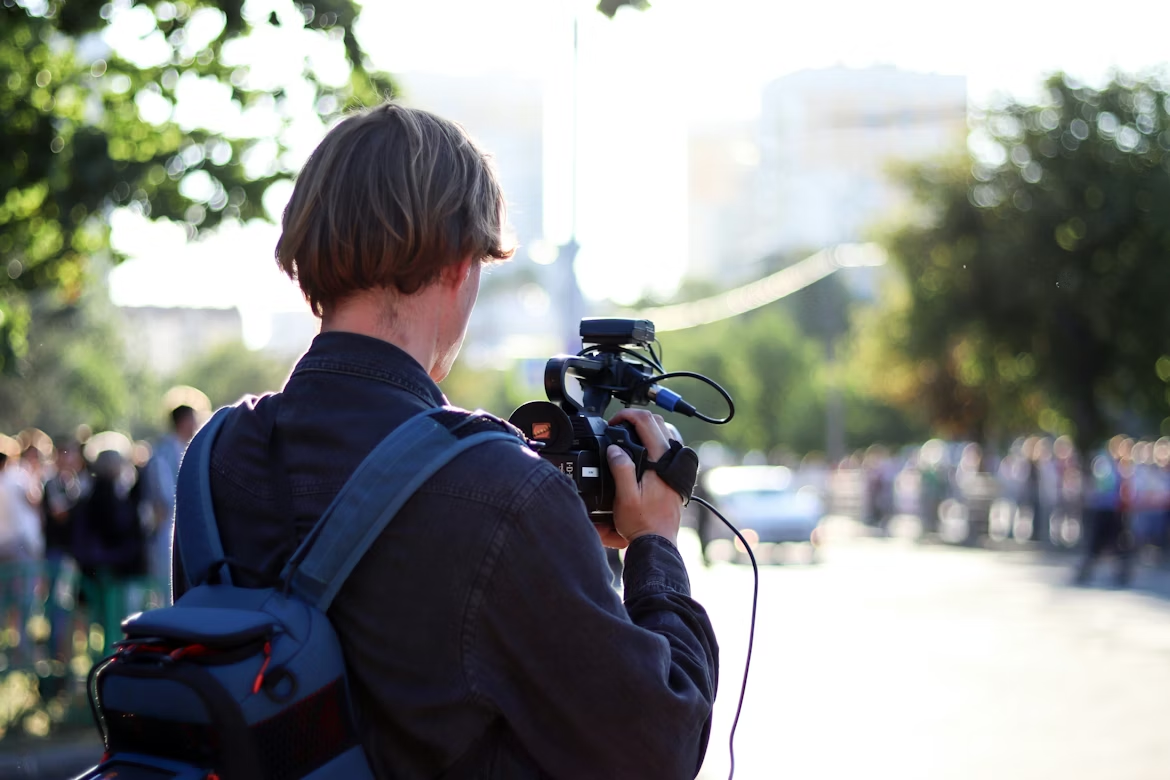
Photojournalism is not gear worship. It is timing, nerve, and the ability to keep working when the light goes bad and the situation gets messy. The best cameras for photojournalism are the ones that focus fast, write reliably, survive rough treatment, and stay honest to the scene in front of you.
That last part matters more than people admit. The National Press Photographers Association’s ethics guidance still centers accuracy, context, and resisting staged manipulation. A camera for this kind of work should help you react quickly without turning the process into theater.
Quick picks
- Best overall: Canon EOS R6 Mark II
- Best for getting started: Sony a6100
- Best for speed and breaking news: Sony a9 II
- Best hybrid stills and video pick: Nikon Z6 III
- Best for still-first documentary work: Fujifilm X-T5
Related articles
- 5 Best SD Cards for Photography (By Budget & Niche)
- 5 Best Cameras for Portraits (Sony, Nikon Canon)
- 7 Best Film Cameras for Beginners (For Every Budget)
What matters in a photojournalism camera
Autofocus matters. Not the marketing version. The real version. Can it find an eye in ugly light, hang on when someone turns, and recover fast when a person moves behind a microphone stand or a waving flag.
Low-light performance matters too, but not in the forum-post way. You do not need absurd megapixels. You need files that hold together at higher ISO, sensible dynamic range, and enough detail for publication.
Then there is reliability. Dual card slots are not glamorous. They are also the kind of feature you stop calling optional once a card fails on a real assignment. Weather resistance, battery life, and a lens system with proven working focal lengths matter more than spec-sheet fireworks.
Comparison table 1: core fit
| Camera | Best for | Sensor | Burst speed | Card slots |
|---|---|---|---|---|
| Canon EOS R6 Mark II | Most working shooters | 24.2MP full-frame | Up to 40 fps electronic | Dual SD UHS-II |
| Sony a6100 | Smart entry point | 24.2MP APS-C | Up to 11 fps | Single SD |
| Sony a9 II | Fast action and wire-style work | 24.2MP full-frame | Up to 20 fps | Dual SD |
| Nikon Z6 III | Stills plus serious video | 24.5MP full-frame | Up to 20 fps RAW, higher JPEG modes | Dual slots |
| Fujifilm X-T5 | Still-first documentary work | 40.2MP APS-C | Up to 15 fps mechanical | Dual SD UHS-II |
These numbers are straight from the manufacturers and current product listings.
Comparison table 2: real-world feel
| Camera | Autofocus feel | Low-light confidence | Video usefulness | Carry comfort |
|---|---|---|---|---|
| Canon EOS R6 Mark II | Fast and sticky | Very strong | Strong | Balanced |
| Sony a6100 | Better than it has any right to be | Good for APS-C | Fine, basic | Very light |
| Sony a9 II | Elite for action | Strong | Good, not why you buy it | Pro body |
| Nikon Z6 III | Excellent | Very strong | Outstanding | Moderate |
| Fujifilm X-T5 | Good, not class-leading | Good | Solid | Excellent |
That is the short version. Here is the longer version.
1. Canon EOS R6 Mark II
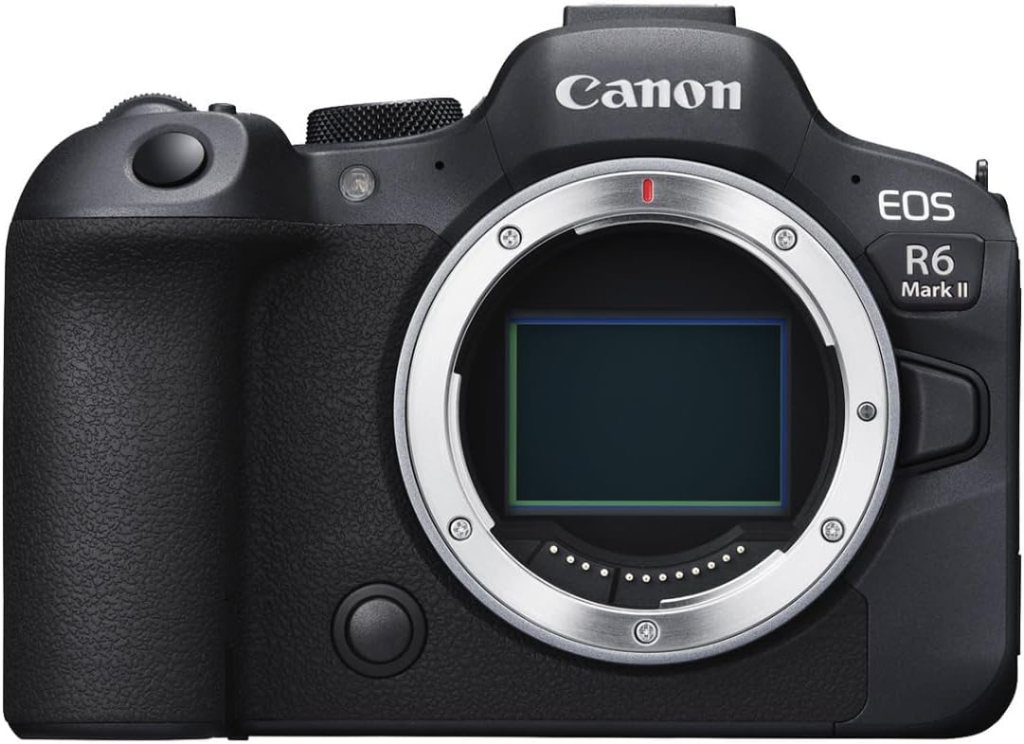
Best overall for working photojournalists
This is the one I would hand to the widest range of shooters and feel calm about it.
The Canon EOS R6 Mark II has a 24.2MP full-frame sensor, dual UHS-II SD slots, and burst speeds up to 12 fps mechanical or 40 fps electronic. Canon also gives it Dual Pixel CMOS AF II across a very broad portion of the frame.
Those are the clean, technical reasons it belongs here. The less technical reason is simpler: this camera tends to stay out of the way.
The file size is sane. The autofocus is fast. The body is not tiny, not huge, and not trying to prove a point. For city hall, protest coverage, features, events, breaking weather, and general daily assignment work, that balance is hard to beat.
Review summary
The R6 Mark II feels like a camera designed by people who know that real assignments are rarely neat. It is quick, dependable, strong in low light, and practical in ways that matter on deadline.
Pros
- Excellent autofocus for people-heavy work
- Dual card slots for backup
- Strong low-light performance from a full-frame 24.2MP sensor
- Very fast burst options without becoming unwieldy
- Deep, mature lens support in the RF system
Cons
- Not the highest-resolution option here
- Electronic burst modes can still be overkill for slower feature work
- RF lenses can get expensive fast
Who should buy it
Most people. Honestly. If you cover a little bit of everything and want one camera that feels ready for all of it, this is the safest top pick.
Real Testimonial
The Canon EOS R6 Mark II is the easiest camera on this list to recommend without adding three caveats. It has a 24.2MP full-frame sensor, dual UHS-II SD card slots, in-body image stabilization, and burst rates up to 12 fps mechanical or 40 fps electronic, which makes it a very strong fit for daily assignment work where speed and reliability matter more than headline resolution. Canon’s subject-detection autofocus is also a real strength here. It locks on fast and feels dependable in the kind of messy, shifting scenes that photojournalists actually deal with.
2. Sony a6100
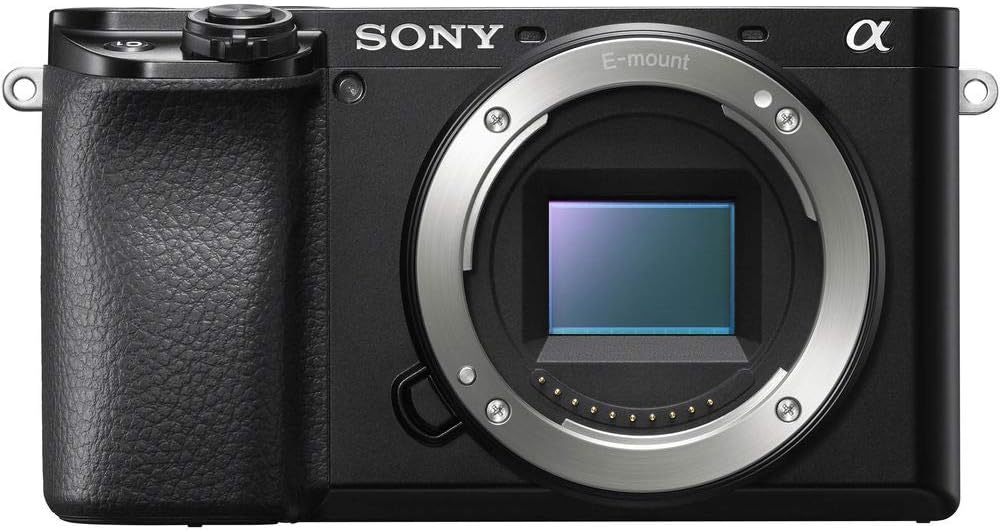
Best for getting started without buying the wrong thing
I do not like recommending entry-level cameras just because they are easy to recommend. A lot of them are training wheels with a menu system attached. The Sony a6100 is better than that.
Sony’s official specs list fast AF modes and the camera shoots up to 11 fps. It uses a 24.2MP APS-C sensor, and its small body makes it easy to keep on you instead of leaving it at home. That matters. The best camera in your closet is worthless.
No, it does not give you dual card slots. No, it is not the dream body for hard daily newsroom abuse. But it has a real advantage: the E-mount lens ecosystem is deep, and the a6100 still gives you autofocus that punches above its weight.
Your own site already has a relevant beginner piece that leans in this direction, and that internal link would fit naturally here.
Review summary
The a6100 is a practical photojournalism starter body because it does the hard part well enough. It focuses quickly, stays light, and lets a new shooter invest more intelligently in lenses and reporting mileage.
Pros
- Light and easy to carry all day
- Reliable autofocus for people and everyday reporting
- Strong lens ecosystem
- Good image quality from a 24.2MP APS-C sensor
- Makes sense as a system buy, not just a body buy
Cons
- Single card slot
- Smaller body can feel cramped with larger lenses
- Not as reassuring in bad light as the full-frame bodies above it
Who should buy it
Students, freelancers building a first serious kit, and shooters who want a lighter body without stepping into junk.
Real Testimonial
The Sony a6100 is the most sensible lower-cost entry on this list because it still feels like a serious camera instead of a stripped-down compromise. It uses a 24.2MP APS-C sensor, shoots up to 11 fps, and includes Sony’s Real-time Tracking and Real-time Eye AF, which gives it autofocus performance that still holds up surprisingly well for people-focused work. It is also compact and light, which matters more than gear forums like to admit. A camera you actually carry wins.
3. Sony a9 II
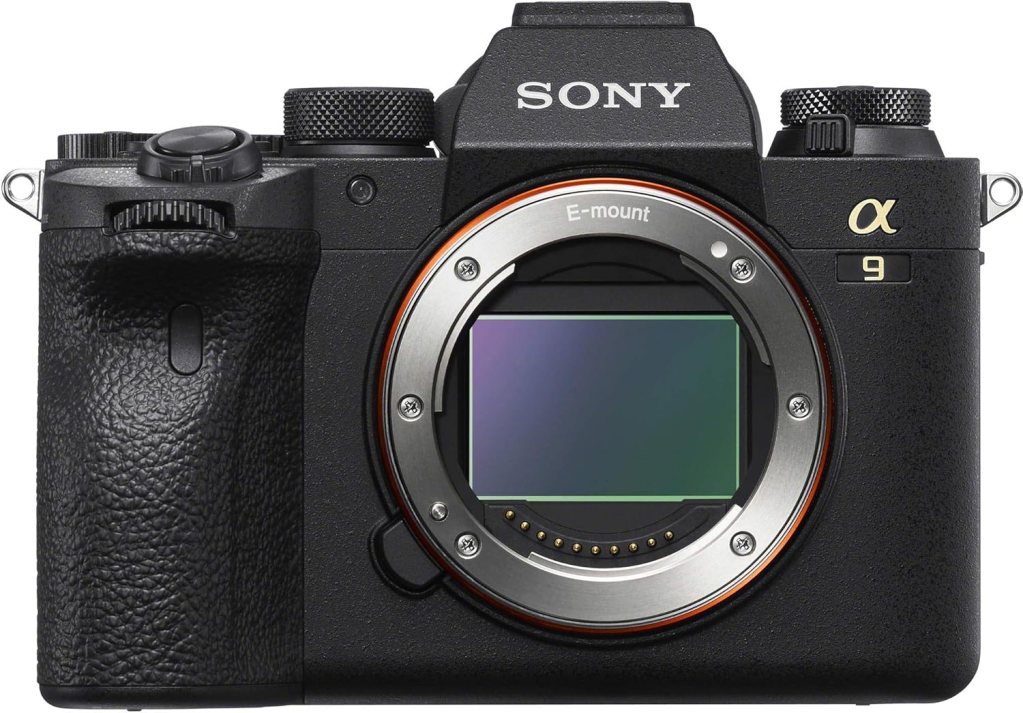
Best for speed and breaking news
The a9 II is still a serious machine. It has a 24.2MP full-frame sensor and up to 20 fps continuous shooting with AF/AE. DPReview’s review notes its stacked sensor and broad autofocus coverage, which is exactly why it still feels relevant for fast news work.
Some cameras are good at many things. The a9 II is specifically good at not missing things. That is different.
For breaking news, sports-adjacent assignment work, and moments where the frame changes in an instant, it still has a real edge. You can feel that edge. It is not subtle. The body also uses dual SD slots, which puts it in the proper professional category.
Review summary
The a9 II is built for urgency. It remains one of the strongest choices for photographers who care more about timing and tracking than about trendy video specs.
Pros
- Exceptional burst performance
- Very strong AF tracking
- Full-frame sensor with pro-level responsiveness
- Dual card slots
- Built for fast, high-pressure work
Cons
- Older body at this point
- Expensive compared with calmer, more general-purpose options
- Video is not the main reason to choose it
Who should buy it
Shooters covering protests, sports-adjacent news, live events, and any assignment where the frame disappears if you blink.
Real Testimonial
The Sony a9 II is the speed-first choice. It uses a 24.2MP full-frame stacked CMOS sensor, shoots up to 20 fps with continuous AF/AE, and offers dual UHS-II SD card slots, which puts it firmly in professional territory for high-pressure work. This is the camera for photographers who care most about not missing the frame. Protests, sideline work, fast live events, breaking news. That is its lane.
4. Nikon Z6 III

Best for stills and video in the same bag
This is the strongest hybrid choice on the list. Nikon says the Z6 III uses a 24.5MP full-frame partially stacked sensor with about 3.5x faster readout than the Z6 II. Nikon also lists 6K/60p internal RAW options, advanced AF subject detection, and very high-speed shooting modes.
That mix makes sense for modern journalism because a lot of assignments are not stills-only anymore. One day it is photos. The next day the editor wants vertical clips, a short package, ambient audio, and five selects before lunch. The Z6 III looks ready for that kind of reality.
I would not call it the best pure stills photojournalism camera here. I would call it the best answer for a working journalist who keeps getting pushed toward both stills and motion without warning.
Review summary
The Z6 III is the most versatile camera in this group if your workload keeps drifting between still photography and video. It is fast, modern, and clearly built for mixed-format work.
Pros
- Excellent stills and video balance
- Full-frame 24.5MP sensor with fast readout
- Strong autofocus and subject detection
- Serious internal video options
- A sensible all-round newsroom hybrid
Cons
- More camera than some stills-only shooters need
- Hybrid features add cost and complexity
- Not as light as the smallest carry options
Who should buy it
Freelancers, local newsroom shooters, and one-person crews who need a real stills camera that can also pull solid video duty.
Real Testimonial
The Nikon Z6 III is the strongest hybrid pick here because it feels built for the current reality of journalism, where stills and video often live in the same assignment. Nikon says it uses a 24.5MP full-frame partially stacked CMOS sensor, supports up to 20 fps RAW shooting, includes in-body stabilization, and offers dual card slots with CFexpress Type B/XQD plus SD UHS-II. It also leans hard into video with 6K and advanced internal recording options.
5. Fujifilm X-T5
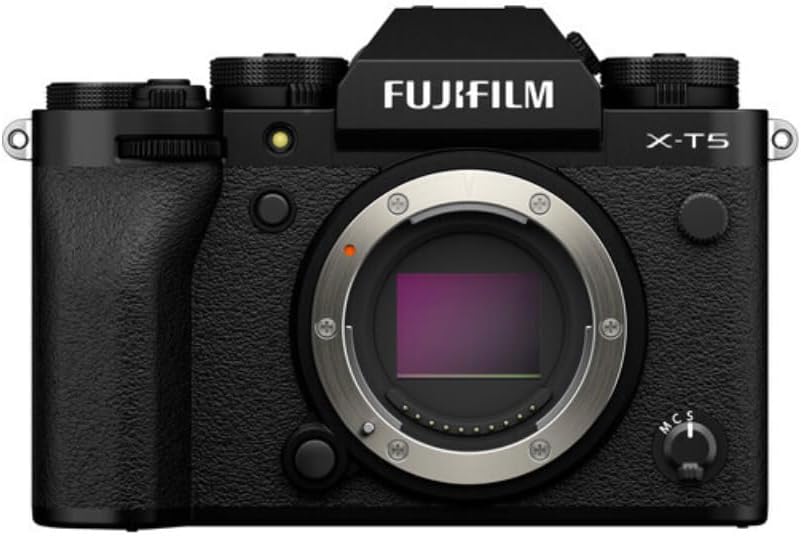
Best for still-first documentary photography
The X-T5 is the outlier here, and I mean that as a compliment.
Fujifilm gives it a 40.2MP X-Trans CMOS 5 HR sensor, up to 15 fps mechanical shooting, IBIS up to 7 stops, and dual SD slots. On paper, that sounds like a specs camera. In the hand, it feels more like a photographer’s camera.
Some documentary shooters want that. They want a body that is lighter, tactile, and less clinical. The X-T5 suits that temperament.
It is not my first pick for rough, high-pressure deadline work over the Canon or Sony options above, but for deliberate documentary coverage, street work, portraits tied to reporting, and everyday carry, it has real appeal.
Your site’s Fujifilm roundup could slot in nicely as an internal link from this section too.
Review summary
The X-T5 is for shooters who still care how a camera feels while they work. It rewards a stills-first approach and gives you strong image quality in a body you will actually want to carry.
Pros
- Excellent 40.2MP files
- Dual card slots
- Lighter, more compact body
- Strong stills-oriented shooting experience
- Good lens options for documentary focal lengths
Cons
- Autofocus is good, but not the class leader here
- APS-C low-light performance cannot fully fake full-frame physics
- Better for still-first work than all-out breaking-news chaos
Who should buy it
Documentary photographers, street shooters, and reporters who want a camera with character without giving up modern performance.
Real Testimonial
The Fujifilm X-T5 is the stills-first camera in this group. It uses a 40.2MP APS-C X-Trans CMOS 5 HR sensor, offers up to 15 fps mechanical shooting, includes in-body image stabilization, and has dual UHS-II SD card slots. On paper, that gives it strong resolution and solid performance. In practice, the bigger appeal is that it feels like a photographer’s camera. The controls are tactile, the body is relatively compact, and it suits a deliberate documentary style better than a frantic spray-and-chase approach.
Which one should you buy?
Buy the Canon EOS R6 Mark II if you want the least drama and the widest usefulness.
Buy the Sony a6100 if you are building a serious kit and want to spend your money with some restraint instead of buying a body that flatters your ego.
Buy the Sony a9 II if speed is the whole game.
Buy the Nikon Z6 III if the job keeps asking for both stills and video.
Buy the Fujifilm X-T5 if you are a still photographer first and you know that the way a camera handles affects the kind of work you make.
A quick note on lenses
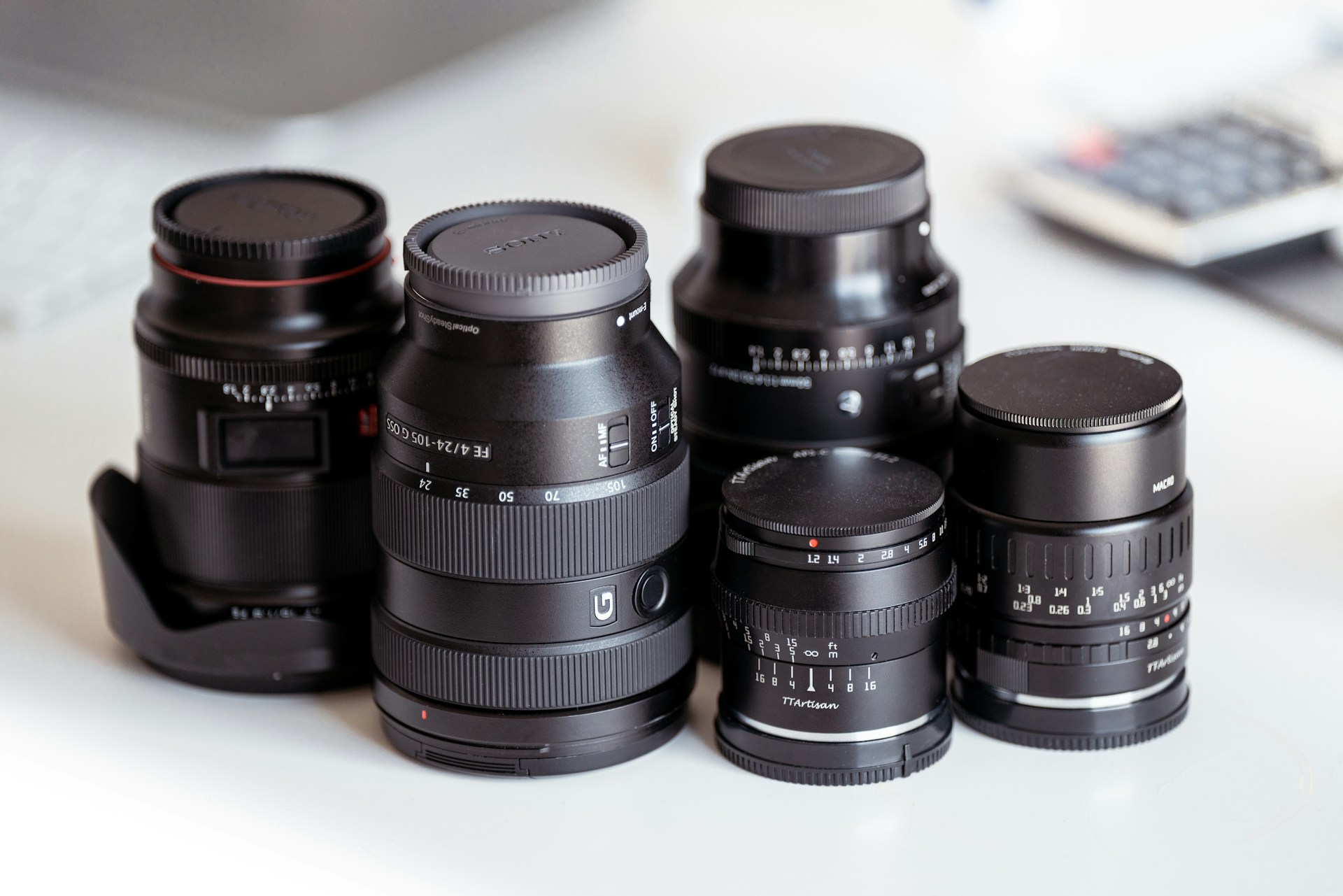
Most photojournalists do not need exotic focal lengths. They need lenses that match how stories unfold.
A 24-70mm zoom covers an absurd amount of real work. A 35mm prime remains one of the great storytelling lenses because it lets you stay close without turning every frame into distortion.
Even your site’s newborn lens article makes the point that 35mm has long been a standard photojournalism focal length, which is true for good reason. A 70-200mm earns its keep when distance is not optional.
FAQs
What is the best camera for photojournalism right now?
The Canon EOS R6 Mark II is the best overall pick for most people because it combines fast autofocus, strong low-light performance, dual card slots, and very usable burst rates in a body that feels built for daily work.
Do photojournalists need full-frame cameras?
No. Full-frame helps in low light and gives you more room at higher ISO, but APS-C cameras like the Sony a6100 can still do serious reporting work if autofocus is dependable and the lens choice is good.
Is mirrorless better than DSLR for photojournalism?
For most current buyers, yes. Autofocus systems, silent shooting options, and hybrid video features have pushed mirrorless ahead. That does not make every DSLR obsolete, but it does make mirrorless the smarter place to invest now.
Do you need dual card slots for photojournalism?
If you are being paid to bring back usable work, dual card slots are highly desirable. They give you immediate backup and reduce the risk of one bad card wrecking an assignment. The Canon EOS R6 Mark II, Sony a9 II, Nikon Z6 III, and Fujifilm X-T5 all offer dual-slot setups.
What is the best camera for street and documentary photography?
The Fujifilm X-T5 makes a strong case because it is compact, stills-focused, and produces detailed files from its 40.2MP sensor. The Sony a6100 also deserves a look if you want something lighter and simpler.
Is burst speed important for photojournalism?
Sometimes not at all. Sometimes it is everything. Feature work, portraits, and quieter documentary coverage do not need machine-gun bursts. Fast-changing events do. That is why the Sony a9 II and Canon EOS R6 Mark II stand out for high-speed coverage.
What camera is best for low light and ugly indoor assignments?
The Canon EOS R6 Mark II and Nikon Z6 III are the safest choices here because both pair full-frame sensors with fast modern processing and strong autofocus.
Is the Sony a6100 good enough for serious reporting?
Yes, with limits. It lacks dual card slots and the broader confidence of a higher-tier pro body, but its autofocus and overall image quality make it viable for freelancers, students, and everyday reporting.
Should a photojournalist prioritize video features?
Only if the job demands them. Plenty of still photographers still need a stills-first camera. But many local newsrooms and freelance clients now want both, which is why the Nikon Z6 III makes so much sense.
What is the best hybrid camera for journalism?
The Nikon Z6 III is the best hybrid option here because Nikon positions it around strong AF, 6K/60p internal RAW, and fast stills performance in one body.
Final thought
Most people shopping for the best camera for photojournalism should stop circling the runway and buy the Canon EOS R6 Mark II. It has the fewest weak spots. That matters more than having one dazzling headline spec.
The rest of this list makes sense when your work tilts a certain way. Speed, hybrid shooting, compact carry, tactile stills work. Fine. Pick the camera that matches the assignment, not the one that wins the loudest internet argument.
Reuters’ standards are blunt about journalism: accuracy is sacred, bias needs checking, and images should not be altered beyond normal editorial preparation. The camera should serve that job, not become the story.
Affiliate Disclaimer
This article contains affiliate links. We may earn a small commission if you purchase through these links, at no extra cost to you.


Leave a Reply